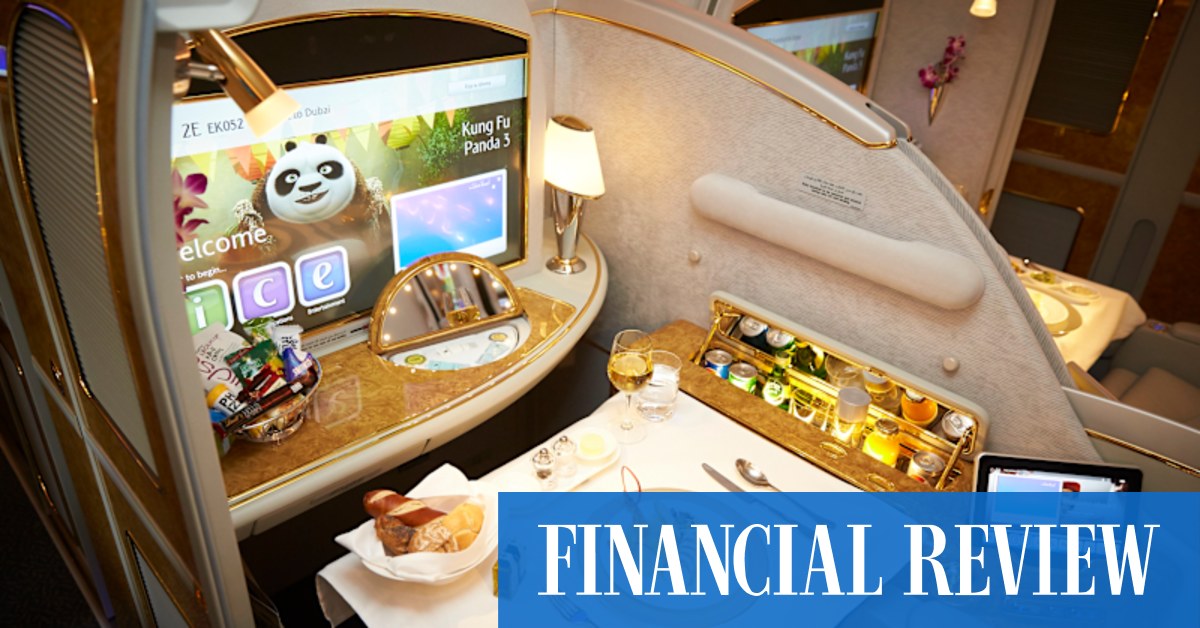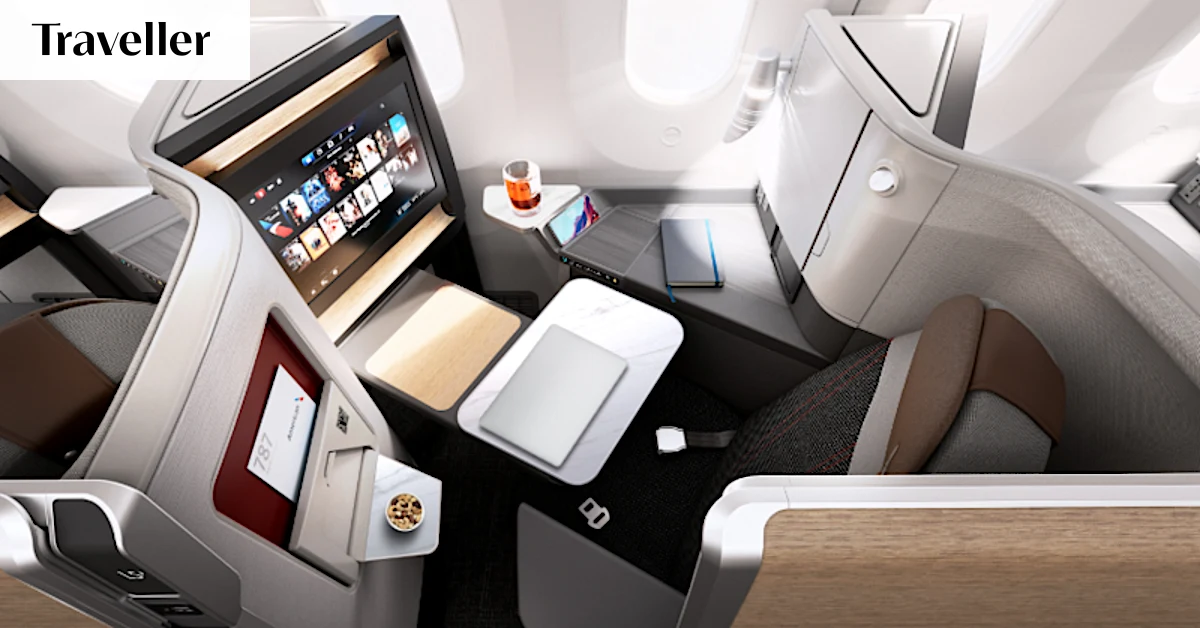
When an airline upgraded me to first class on a flight from Mumbai to London, I thought something had finally gone my way. It was my first time at the very front of the plane, with a wider seat, the full recline, and meals arriving on proper crockery.
By the time we landed at Heathrow 10 hours later, I’d reached a slightly deflating conclusion. The first-class product was better than economy ― but not enough to justify what airlines typically charge.
That gap between what airlines sell and what passengers receive is something the people closest to it understand best. Flight attendants see the product from the inside on every shift. And they have thoughts about which upgrades are worth spending your money on.
Rachel Maxwell worked as a flight attendant before becoming a pilot for a U.S. legacy carrier. She has seen the short-haul domestic first-class product from the cockpit and the cabin.
“Sometimes customers think they’ll be getting a lie-flat seat,” she said. “That only happens on longer routes.” The confusion is easy to understand. Airlines use the same first-class label whether you’re flying 40 minutes or 14 hours.