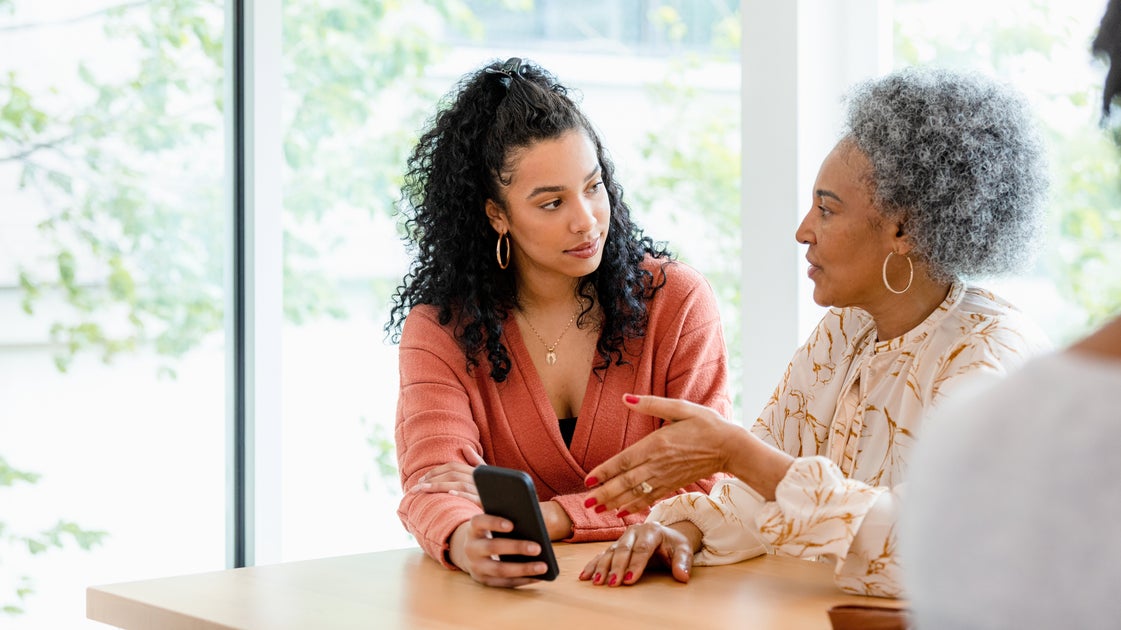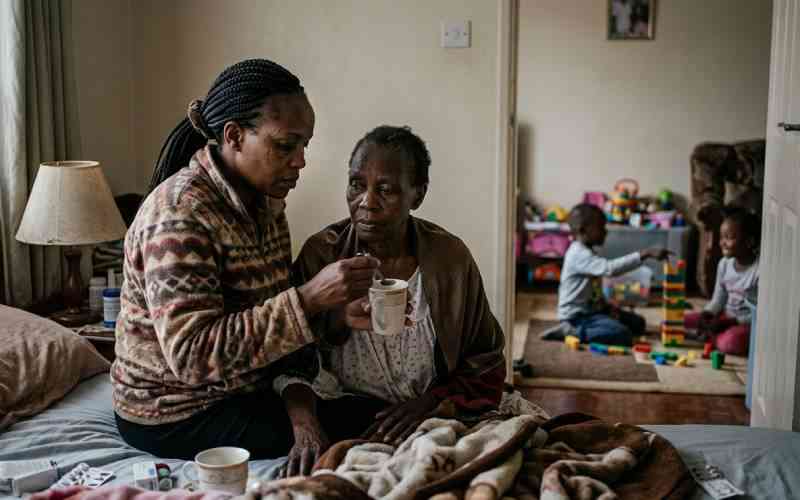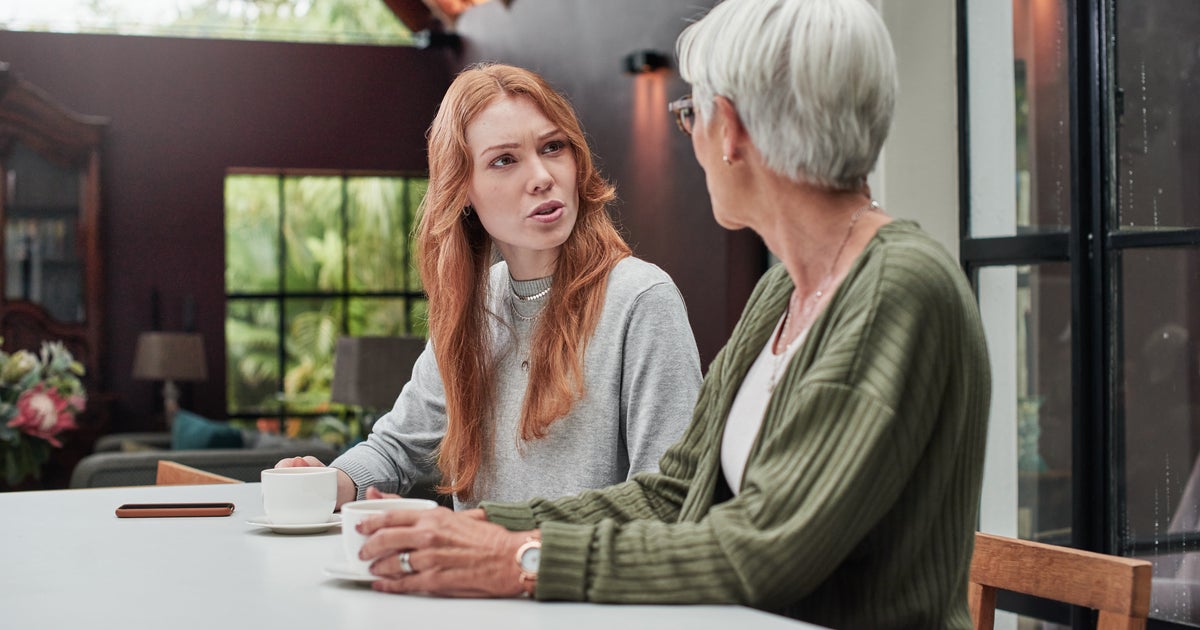
Many women are used to feeling like the go-to planner, problem-solver and emotional anchor for their parents, siblings and extended family. It turns out there’s even a term for this phenomenon: “daughtering.”
“The invisible labor of daughtering refers to the unspoken expectation that women ― daughters ― bear the brunt of emotional and logistical responsibility within families,” said Caitlyn Oscarson, a licensed marriage and family therapist.
While every family is different, many women feel they have different expectations placed on them than their brothers ― and it starts in childhood.
“Over time, those expectations don’t disappear. Instead, daughtering evolves and morphs, even expands,” said Allison M. Alford, a communication researcher and author of “Good Daughtering: The Work You’ve Always Done, the Credit You’ve Never Gotten, and How to Finally Feel Like Enough.”
“As parents age, daughters are more likely to be positioned as coordinators, caregivers and emotional anchors, often without explicit conversation about that kinship shift,” she added.