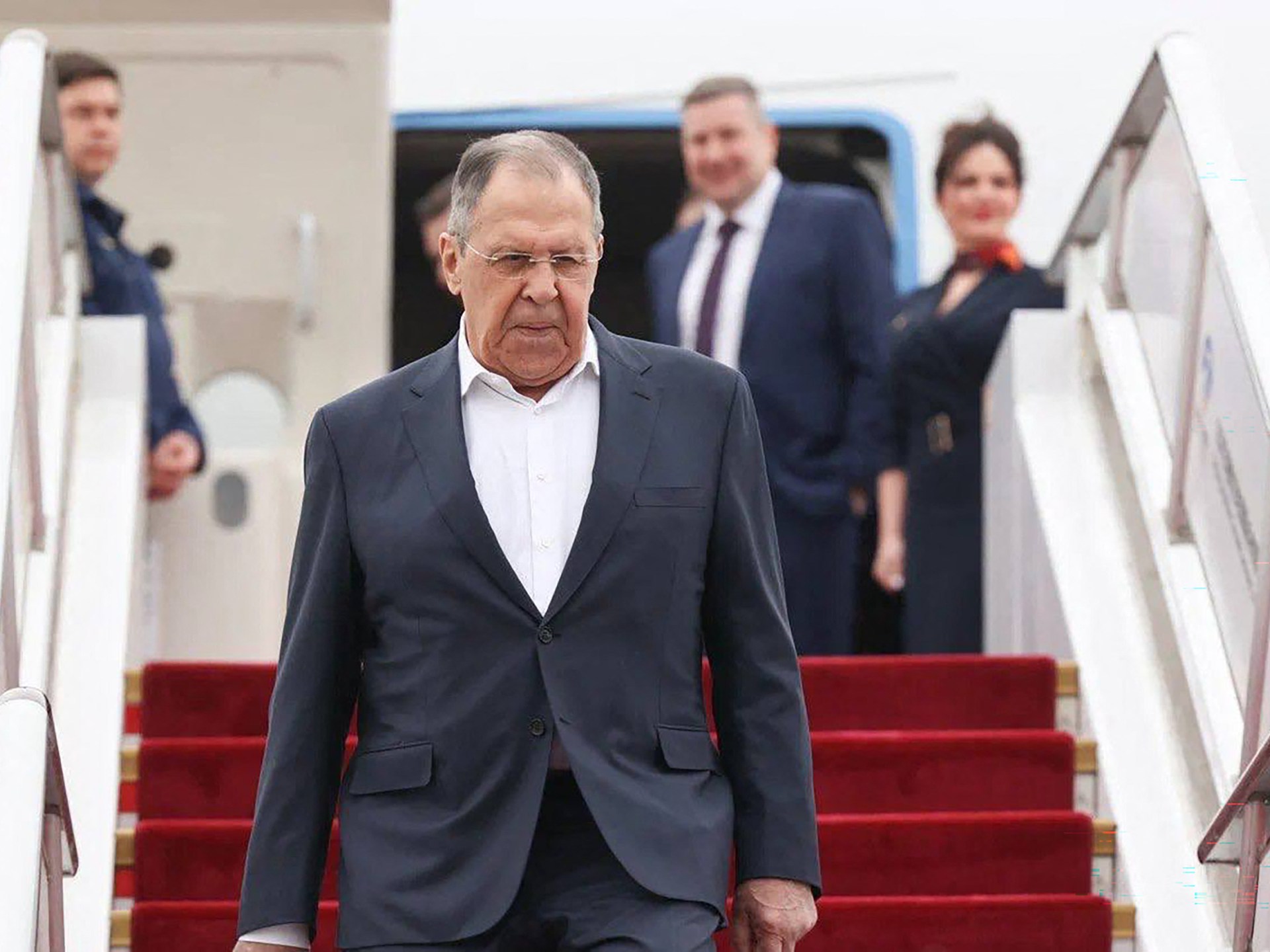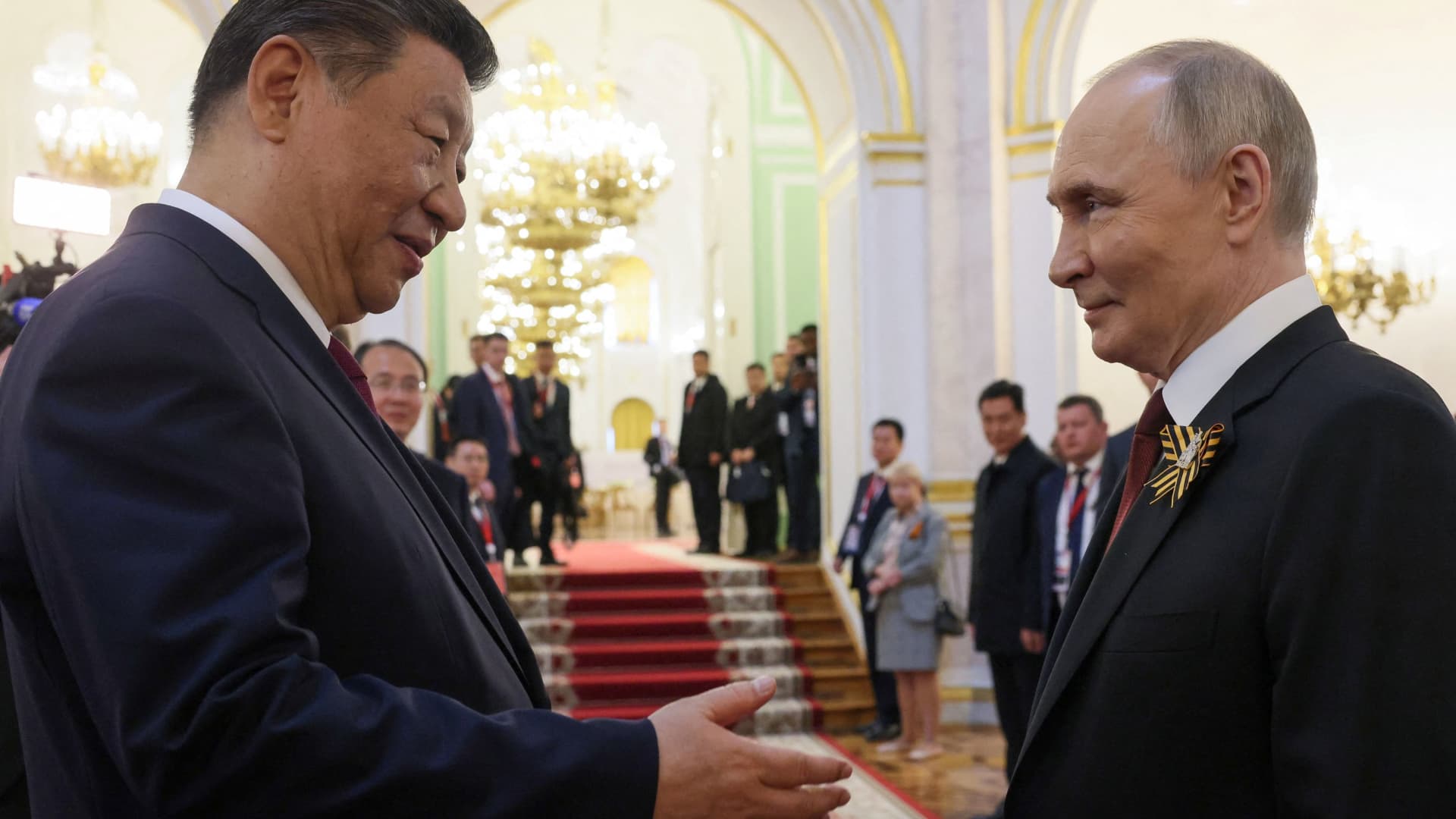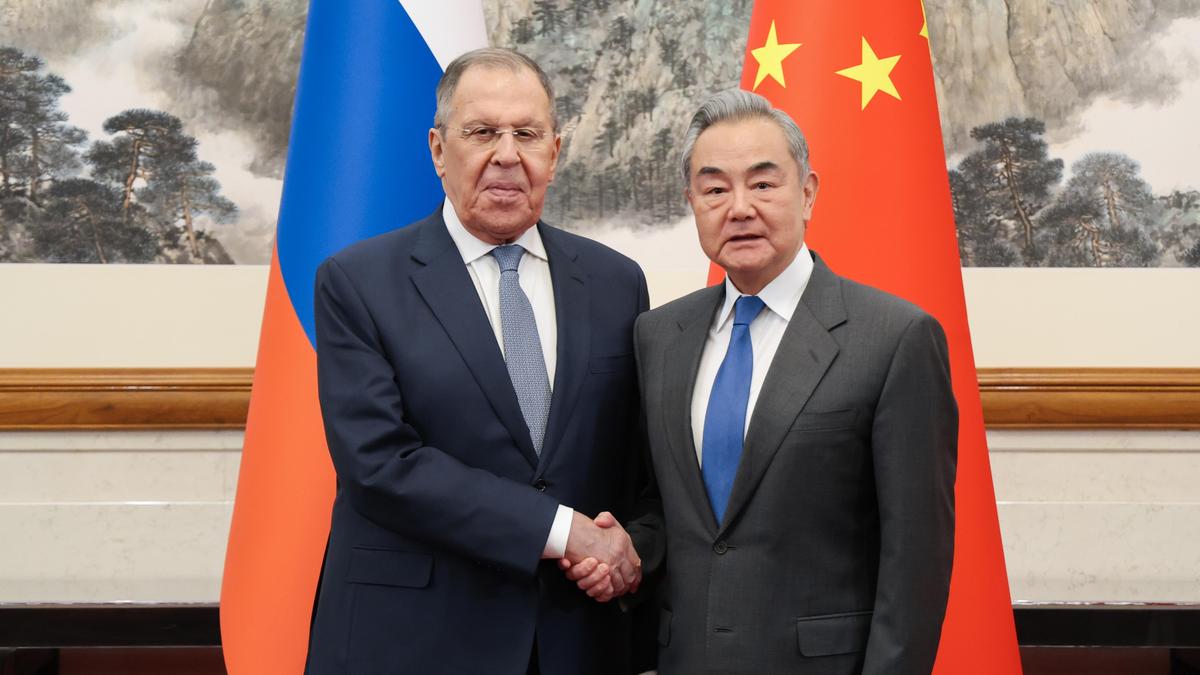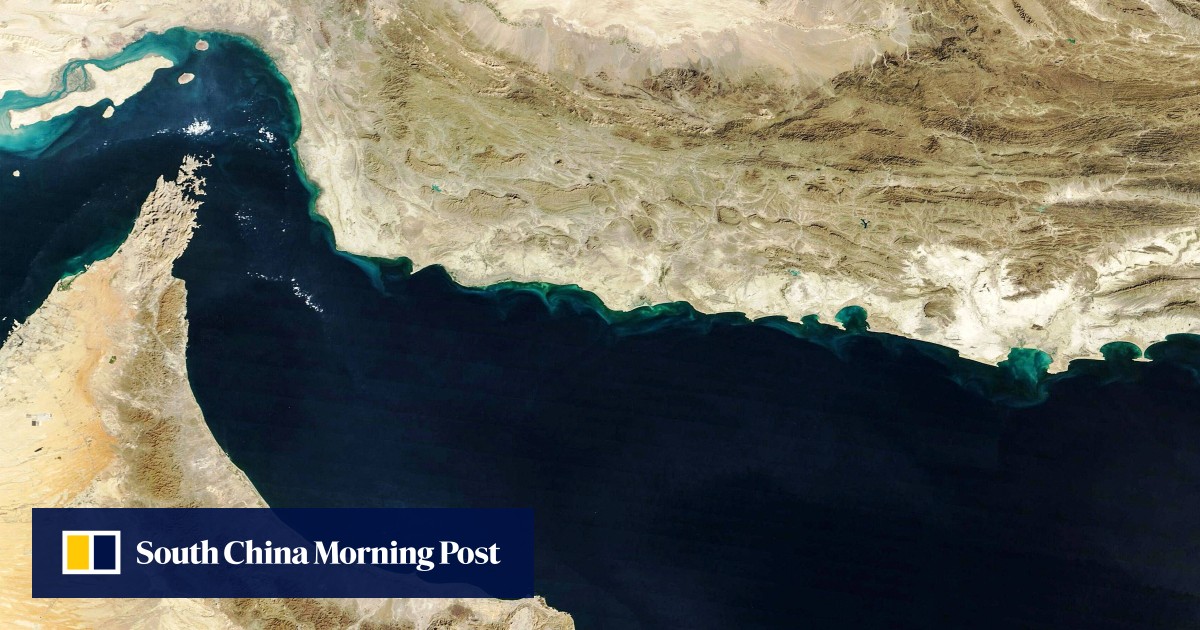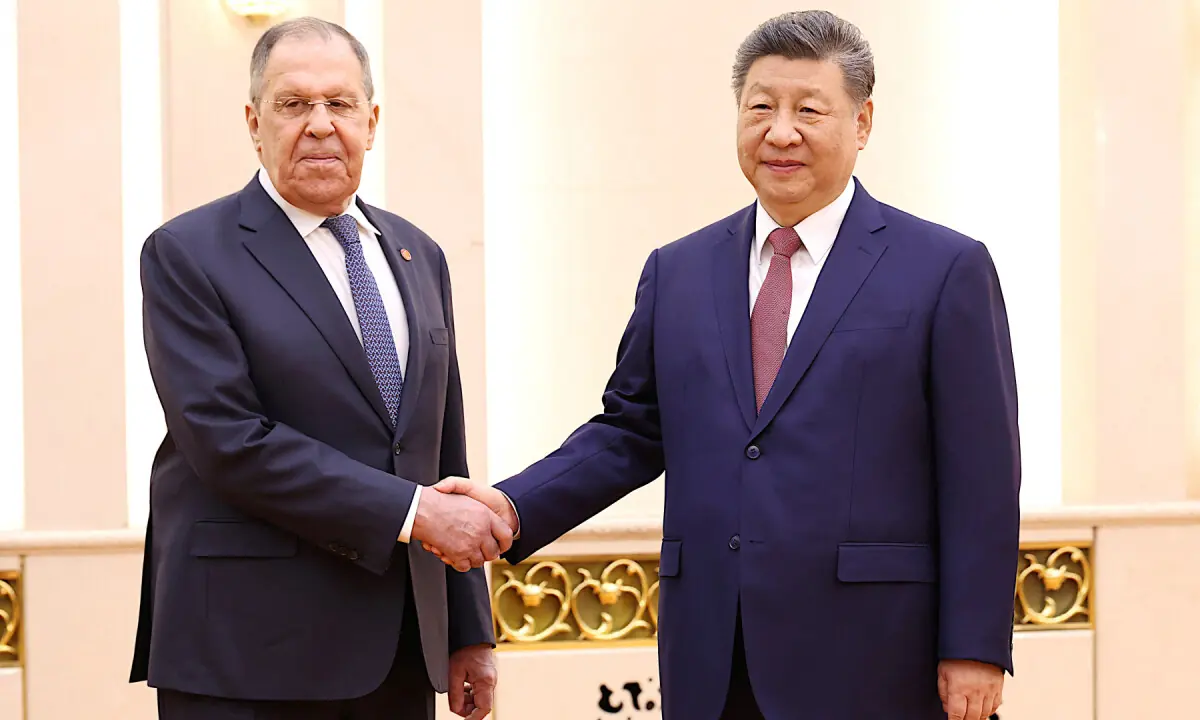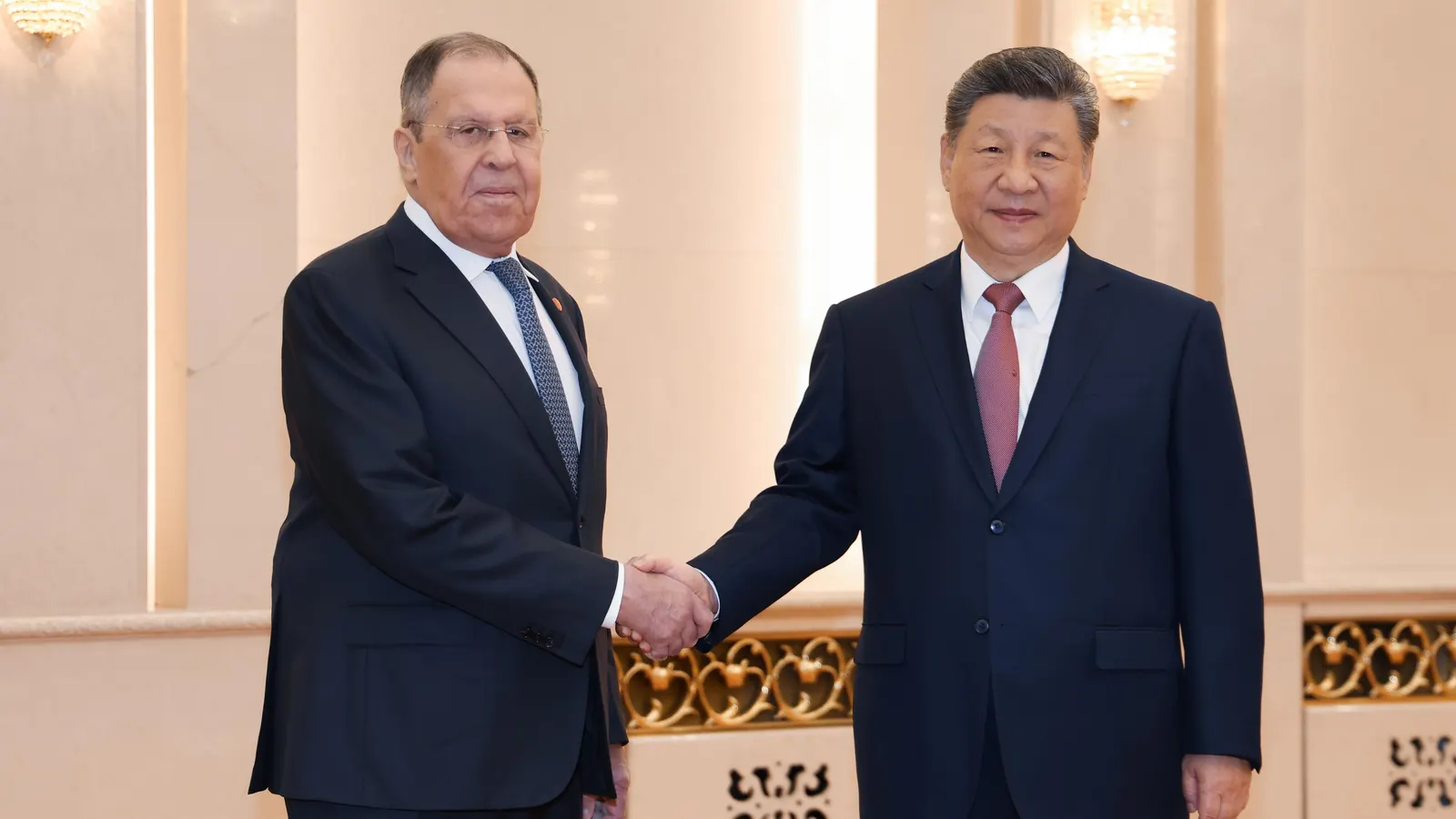
ToplineRussia’s Foreign Minister Sergei Lavrov met Chinese President Xi Jinping in Beijing on Wednesday and offered to cover any potential shortfall in energy supplies caused by the Iran War as the U.S. military said its blockage of all Iranian ports along the Strait of Hormuz has been “fully implemented,” and all shipments out of the country hav been “completely halted.”China's President Xi Jinping meets Russian Foreign Minister Sergey Lavrov in Beijing, China.Anadolu via Getty ImagesKey FactsChinese state media reported that during the meeting, Xi urged closer cooperation between China and Russia “to firmly defend their legitimate interests.”In a likely swipe at the U.S. and its war with Iran, Xi said China-Russia ties were a stabilizing force in a “turbulent” world, and they should work together to “restore the authority” of the United Nations.Speaking to Russian state media, Lavrov said Russia is capable of filling any energy resource gap that China may face as a result of the Iran war and the U.S. blockade.The Russian foreign minister added, “Thank God, we and China have all the capabilities” to avoid being beholden to the “aggressive adventure” in the Middle East, which “undermines” the global economy and energy flow.What Do We Know About China’s Imports Of Iranian Oil?On Tuesday, Bloomberg energy and commodities columnist Javier Blas wrote that the U.S. blockade of Iran’s ports may have a two-fold motive, “First, impose an intolerable economic cost on Iran; second, force China to share some of the pain.” He noted that Washington may believe that Beijing, which has so far seen the least energy disruption from the war among Asian countries, may then pressure Tehran to negotiate with the U.S. According to data from the intelligence firm Kpler, China is a major buyer of Iranian oil and purchased more than 80% of the crude shipped by the country in 2025.What Do We Know About The U.s. Blockade Of Iranian Ports?In a statement issued on Tuesday night, the U.S. military’s Central Command said: “A blockade of Iranian ports has been fully implemented as U.S. forces maintain maritime superiority in the Middle East. An estimated 90% of Iran's economy is fueled by international trade by sea. In less than 36 hours since the blockade was implemented, U.S. forces have completely halted economic trade going into and out of Iran by sea.”Key BackgroundAt the Chinese Foreign Ministry’s daily press conference on Tuesday, spokesperson Guo Jiakun said the U.S. military’s blockade was a “dangerous and irresponsible act,” that would further raise tensions in the region. Guo warned that expanded U.S. military deployment in the region, along with the blockade, threatened to undermine an “already fragile ceasefire.”Further ReadingChina Denounces ‘Irresponsible’ U.S. Blockade Of Hormuz As Xi Says International Order Is ‘Crumbling’ (Forbes)Iran War Shock Will Trigger Sharpest Drop In Global Oil Demand Since Covid-19, IEA Says (Forbes)
Russia Offers Help To China Amid U.S. Blockade Of Iranian Oil
The Chinese president touted his close ties with Russia, saying it was a “stabilizing” force, a day after Beijing criticized the U.S. blockade of Iranian ports along the Strait of Hormuz.
467 words~2 min read