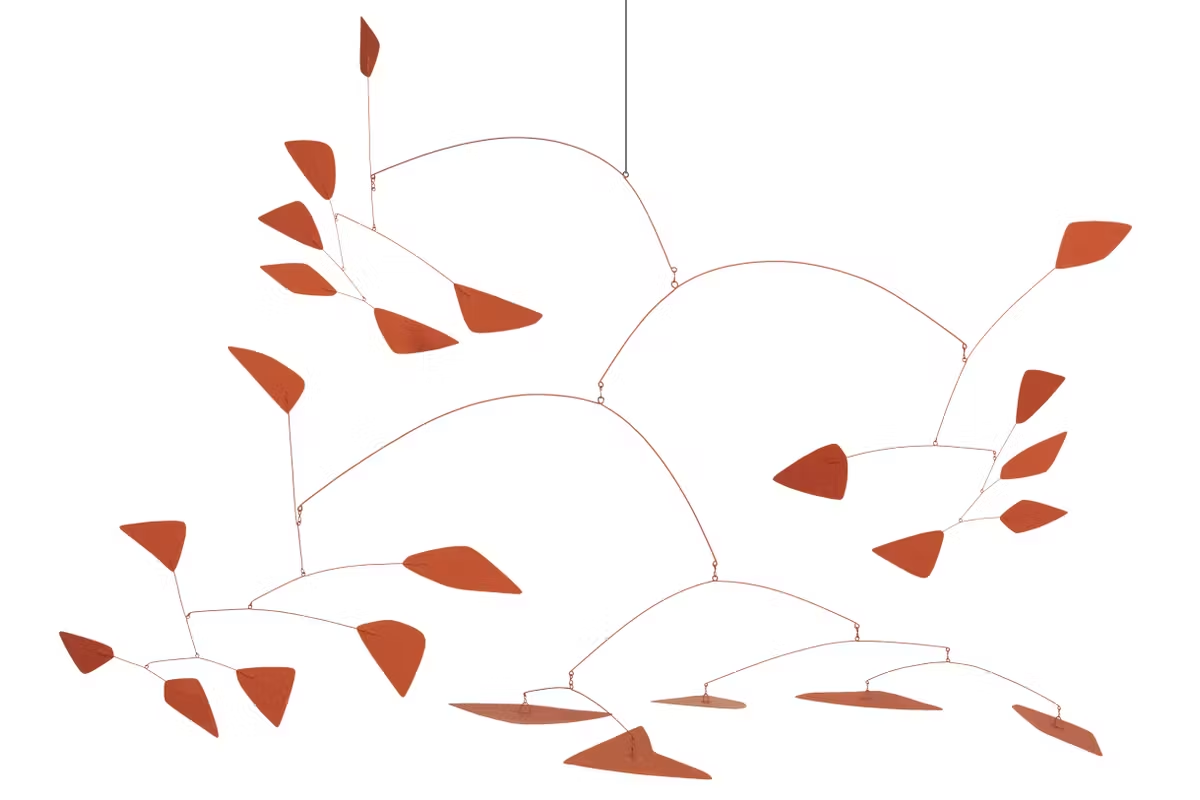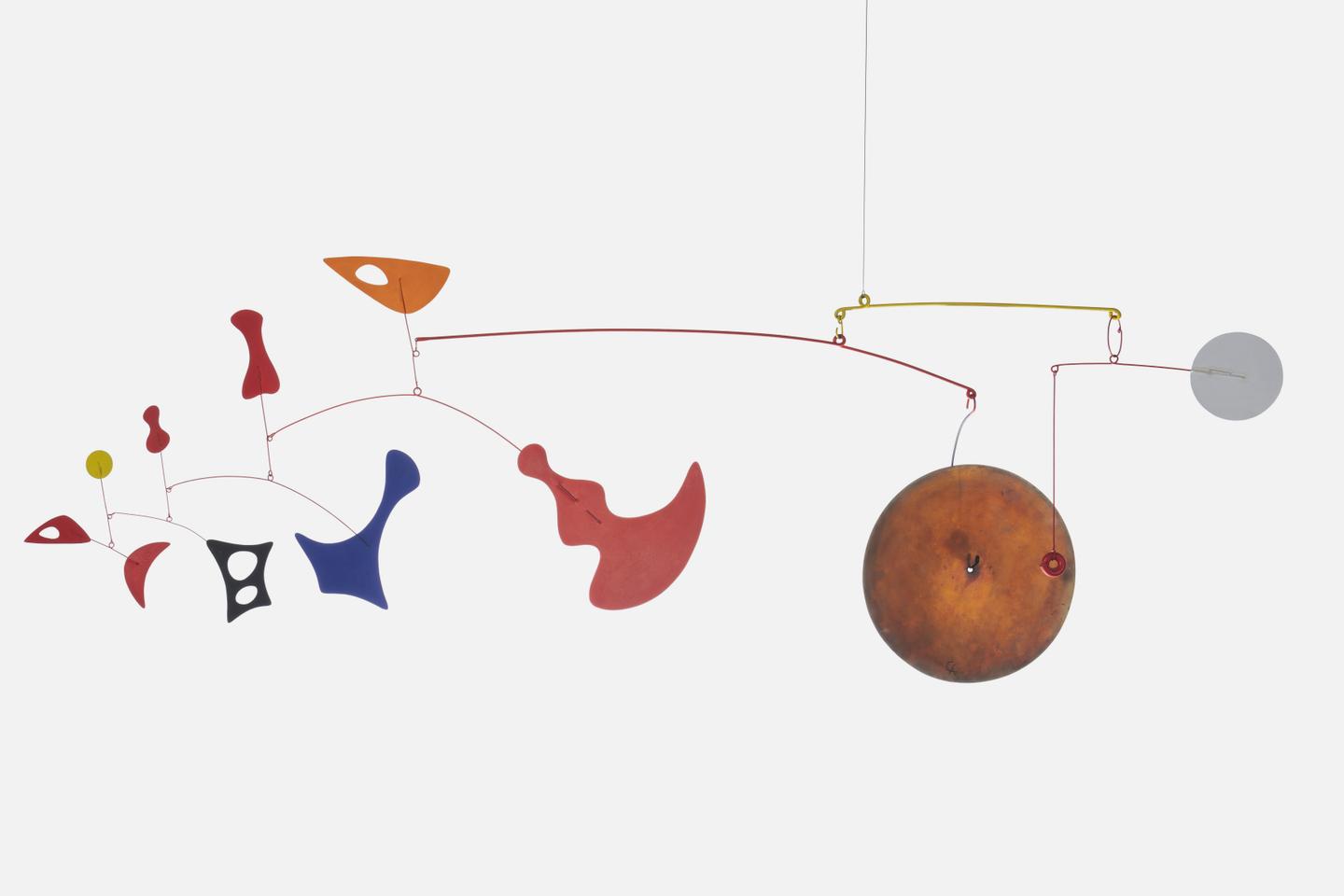
'Dispersed Objects with Brass Gong' (1948), by Alexander Calder. CALDER FOUNDATION/NEW YORK/ADAGP 2026
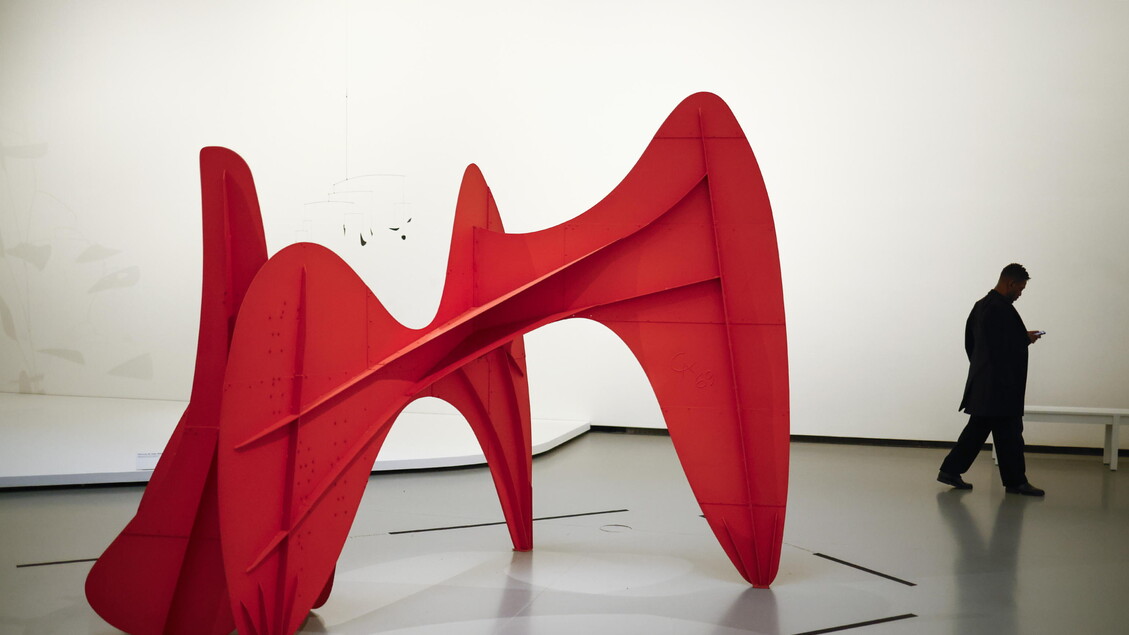
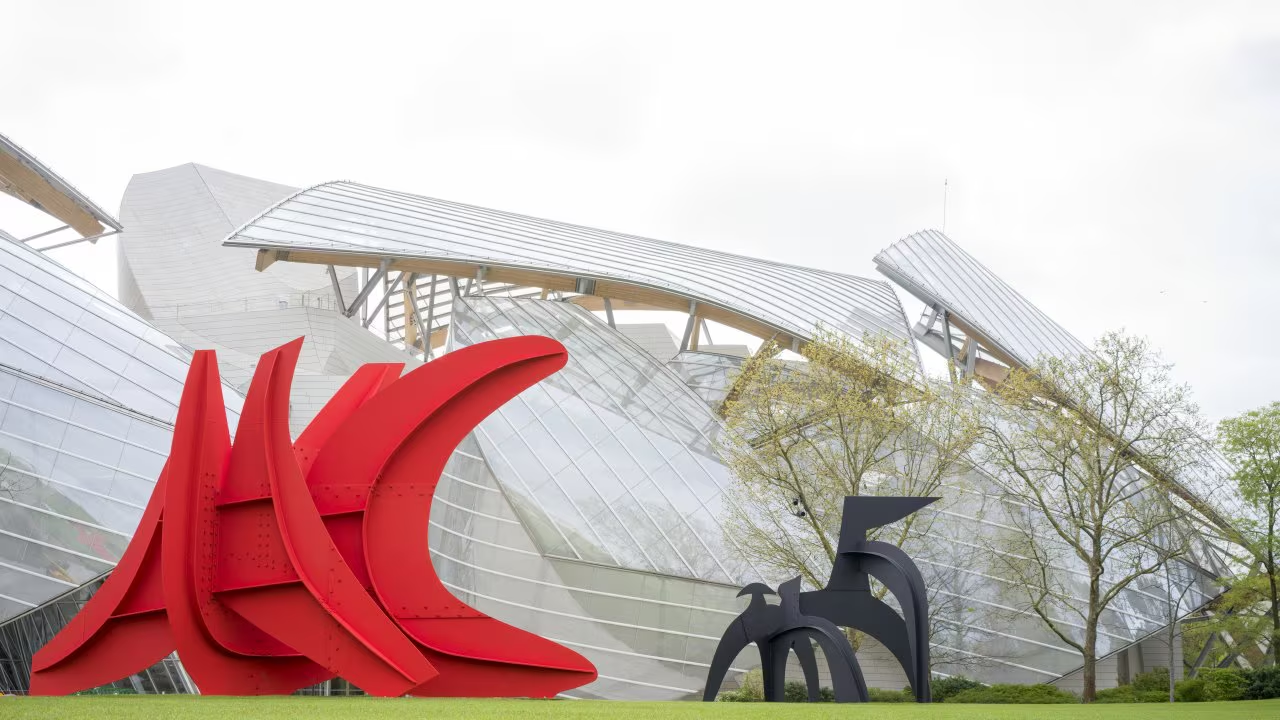
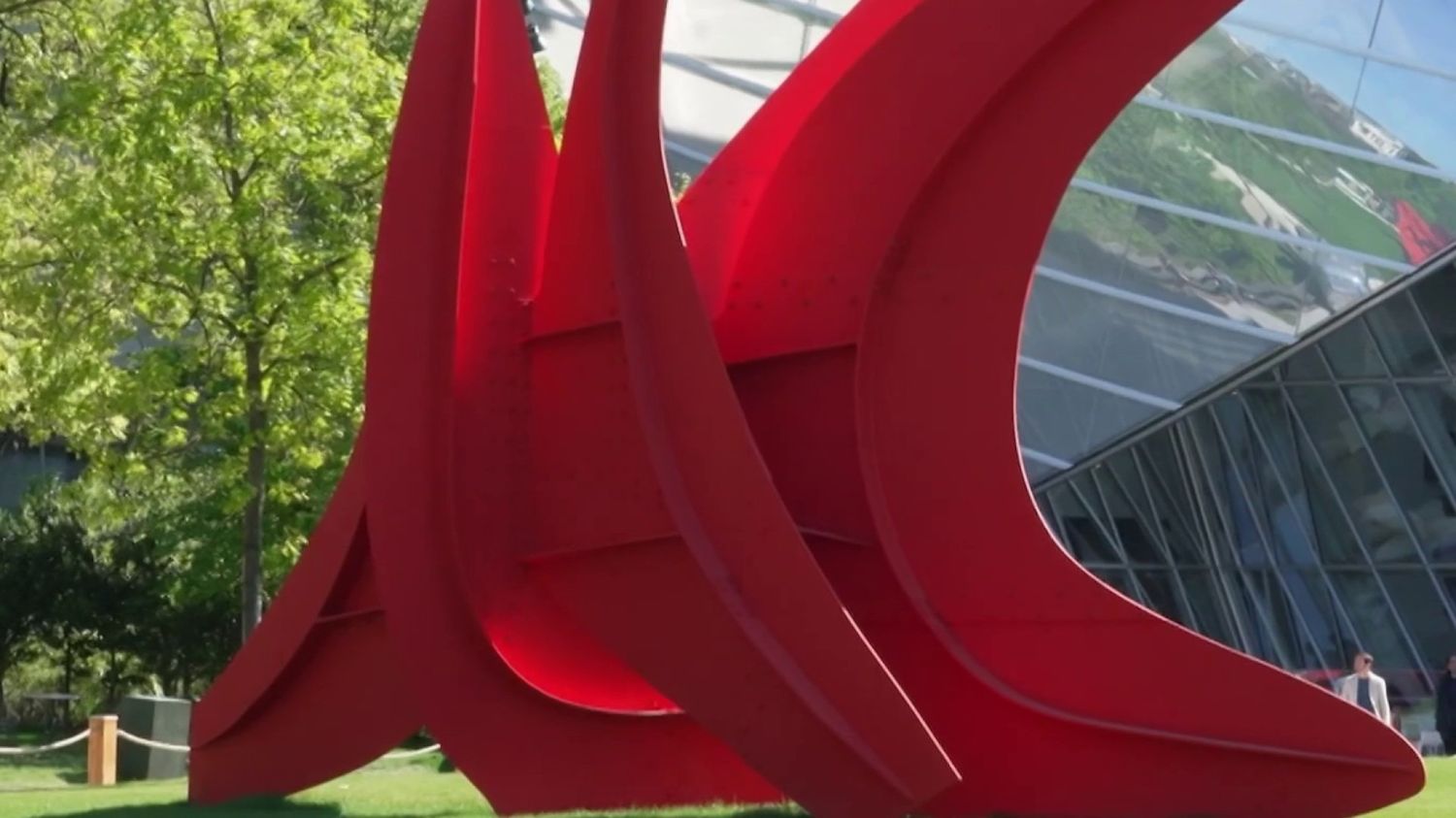
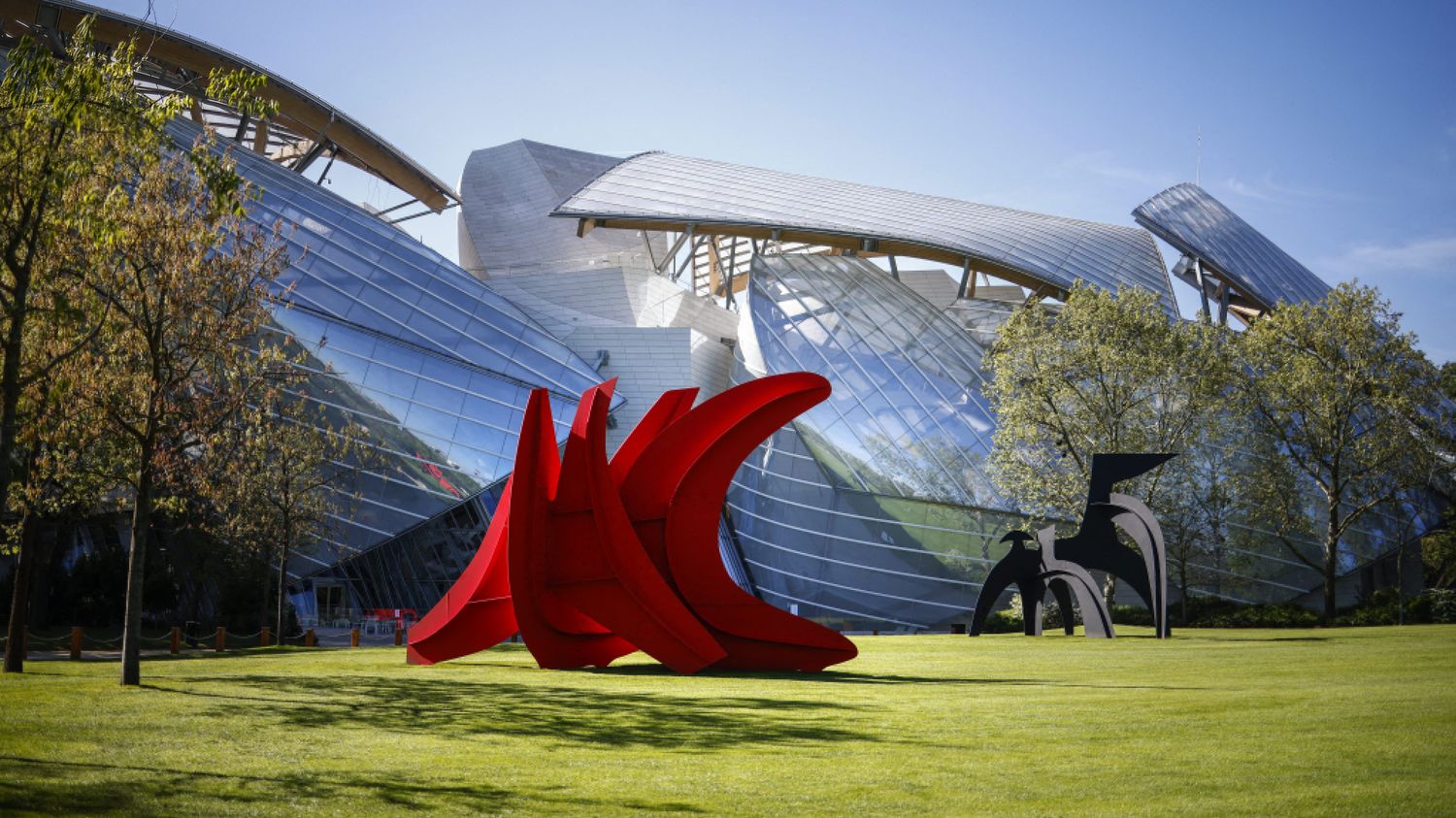
The exhibition "Calder. Rêver en équilibre" ("Calder: Dreaming in Balance") at the Fondation Louis Vuitton in Paris marks a double anniversary: the arrival of Alexander Calder (1898-1976) in Paris in 1926, and the anniversary of his death. The show fills the entire building and even extends onto the back lawns, where two large "stabiles" are installed. One of the many merits of this display – though by no means the least – is that the monstrous installation designed by Takashi Murakami that once polluted the garden has finally been removed. Above all, visitors can now encounter pieces by Calder that have rarely been studied in such close proximity (take the extensive catalog as proof) through more than 300 works arranged in a broadly chronological order.
From the moment you enter the hall, where the mobile sculpture Rouge triomphant (1963) is suspended, it feels as if Frank Gehry's (1929-2025) building was designed specifically to showcase Calder. Across decades, their forms and spirits echo each other: the apparent lightness, the latent instability, all in dialogue with the architecture. On the lower level, where the journey truly begins, Calder's earlier – and already fascinating – works are on display. Calder experimented with painting as part of a movement with the Ashcan School, known for its realism tinged with social issues, and also tried his hand at caricature, which he sold to newspapers. Early on, he acquired a particular sense of simplicity that defined even his first drawings, notably those featured in his small manual, Animal Sketching (1926): animals captured in their essence, with only a few lines that convey their movement.