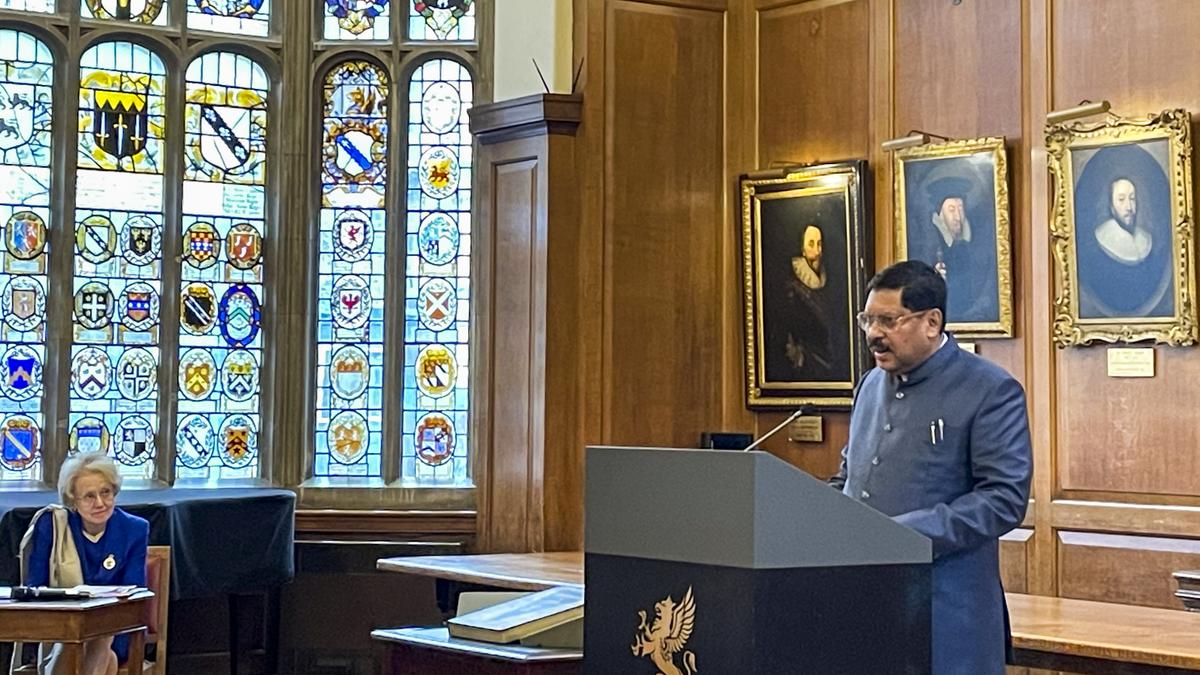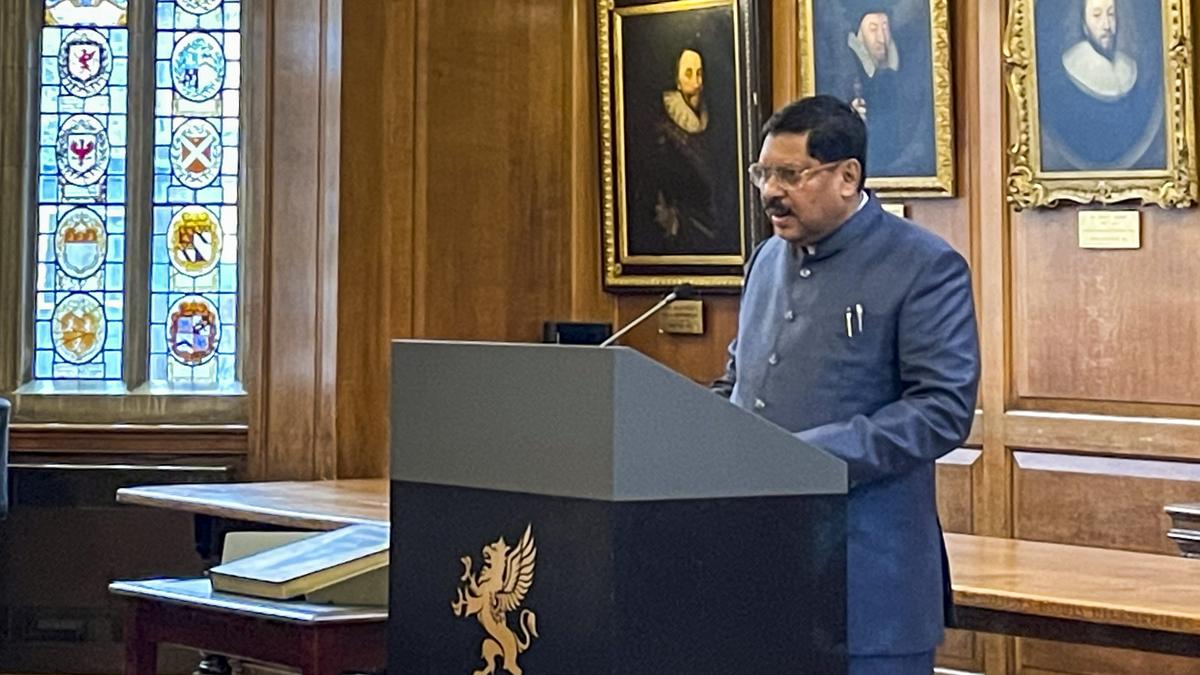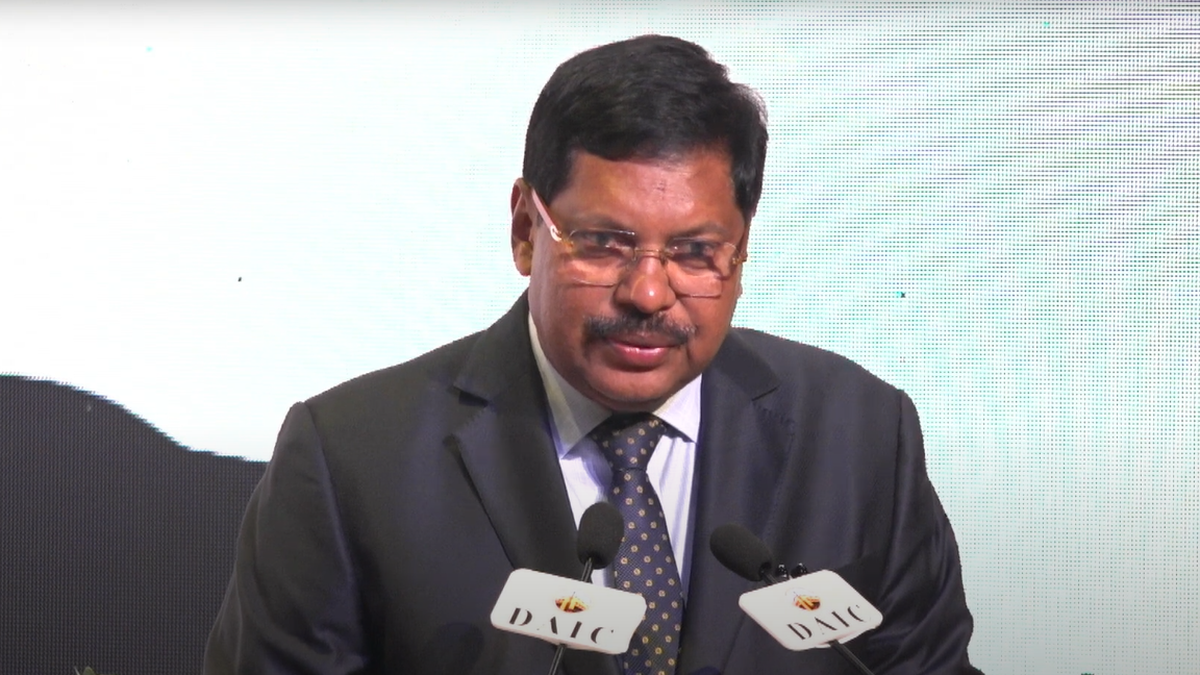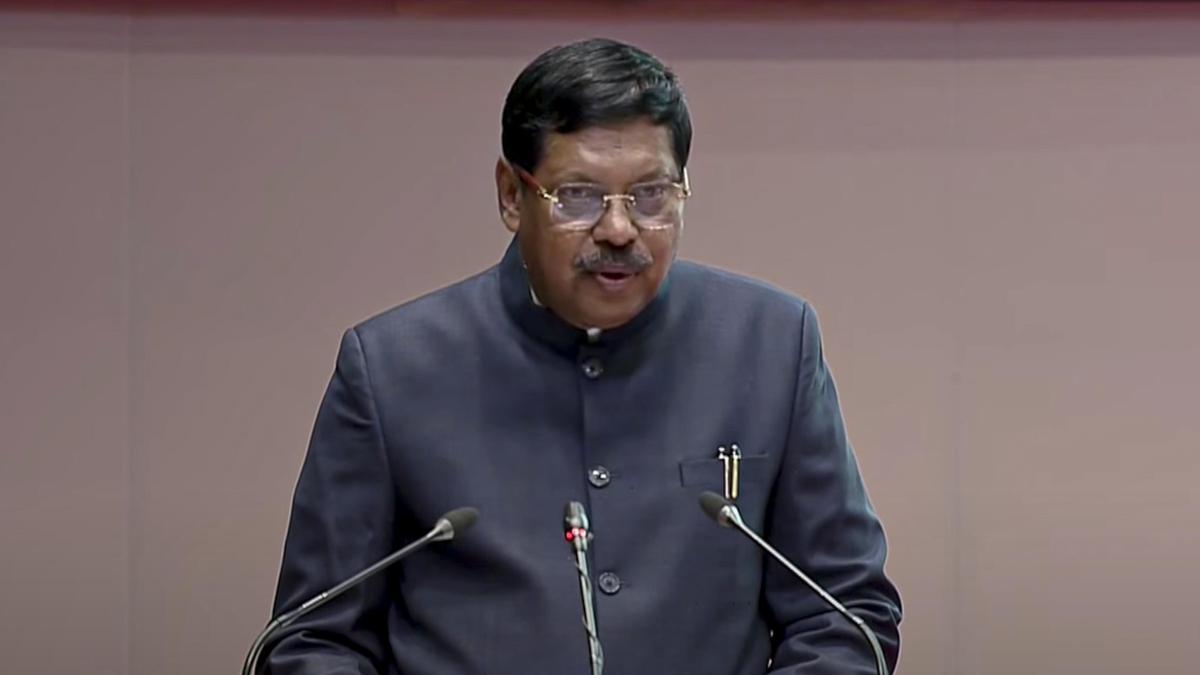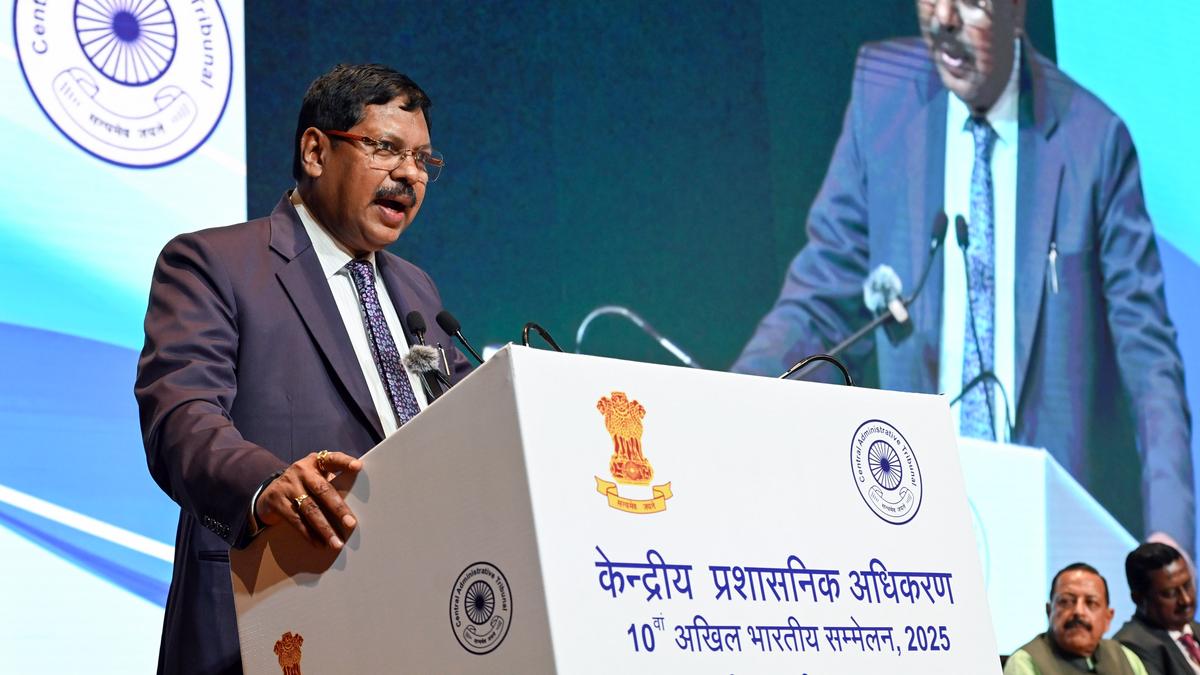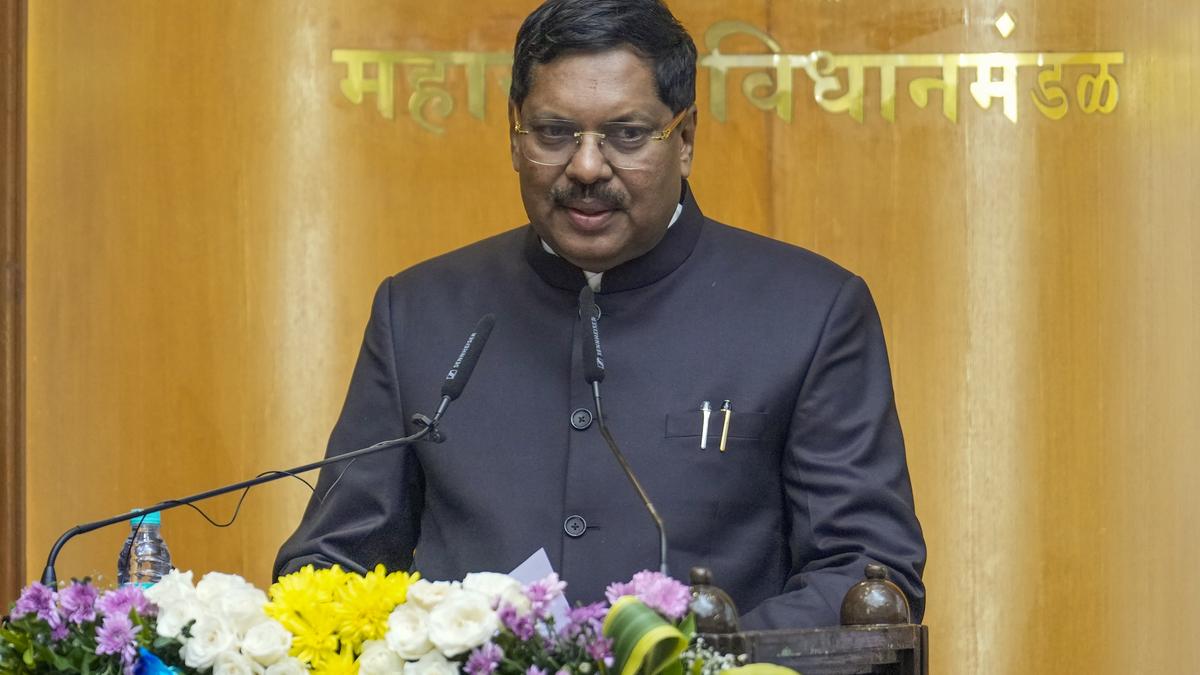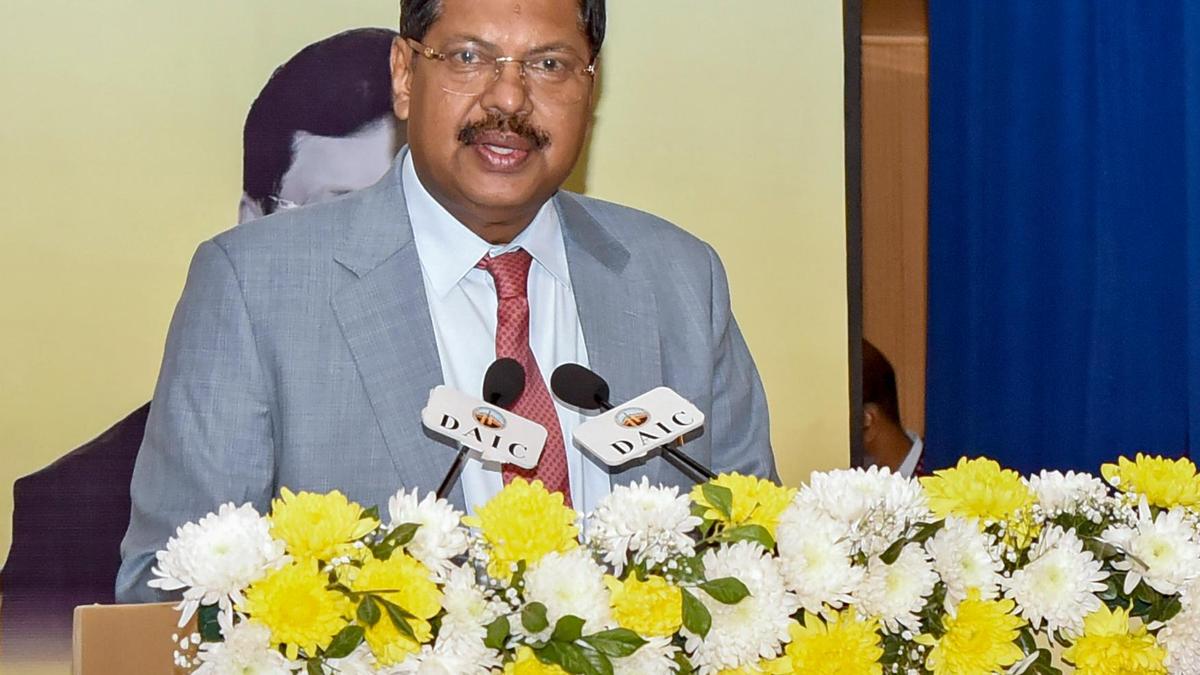
Former Chief Justice of India B.R. Gavai called for a fundamental rethinking of governance models to ensure they address, rather than perpetuate, historical inequities.
Framing his address, with the relationship between development and equality within the Constitutional framework, he posed the questions: can development be sustainable if it does not incorporate substantive equality? Can the promise of equality be realised without addressing material and structural inequalities?
Justice Gavai was delivering the inaugural Dr. Ambedkar memorial lecture on ‘Sustainable development and substantive equality: a Constitutional dialogue’ under the aegis of Dr. B.R. Ambedkar Chair on Constitutional Law and Social Inclusion at NALSAR University of Law here.
Drawing on the vision of B.R. Ambedkar, he emphasised that the Constitution envisions equality not as a formal assurance but as a transformative commitment. He further recalled Ambedkar’s warning about the “life of contradictions” and noted that persistent inequalities continue to undermine constitutional ideals, even decades after independence.
Highlighting the lived realities of marginalised communities, he also pointed to how structural inequalities exacerbate the impact of environmental and developmental challenges. Issues such as drought, agrarian distress, and extreme climate conditions disproportionately affect vulnerable populations, and they are socially produced and not incidental.