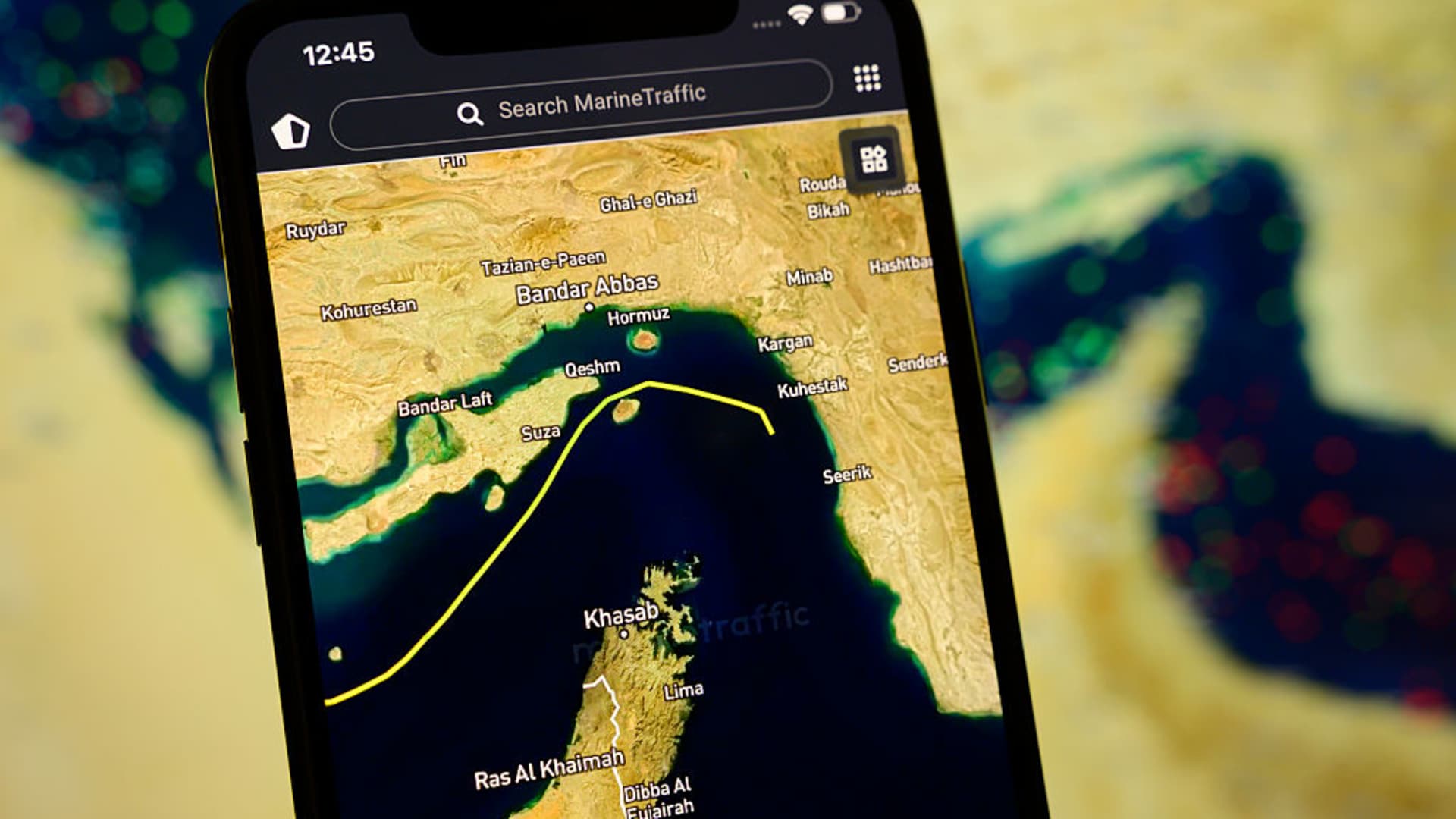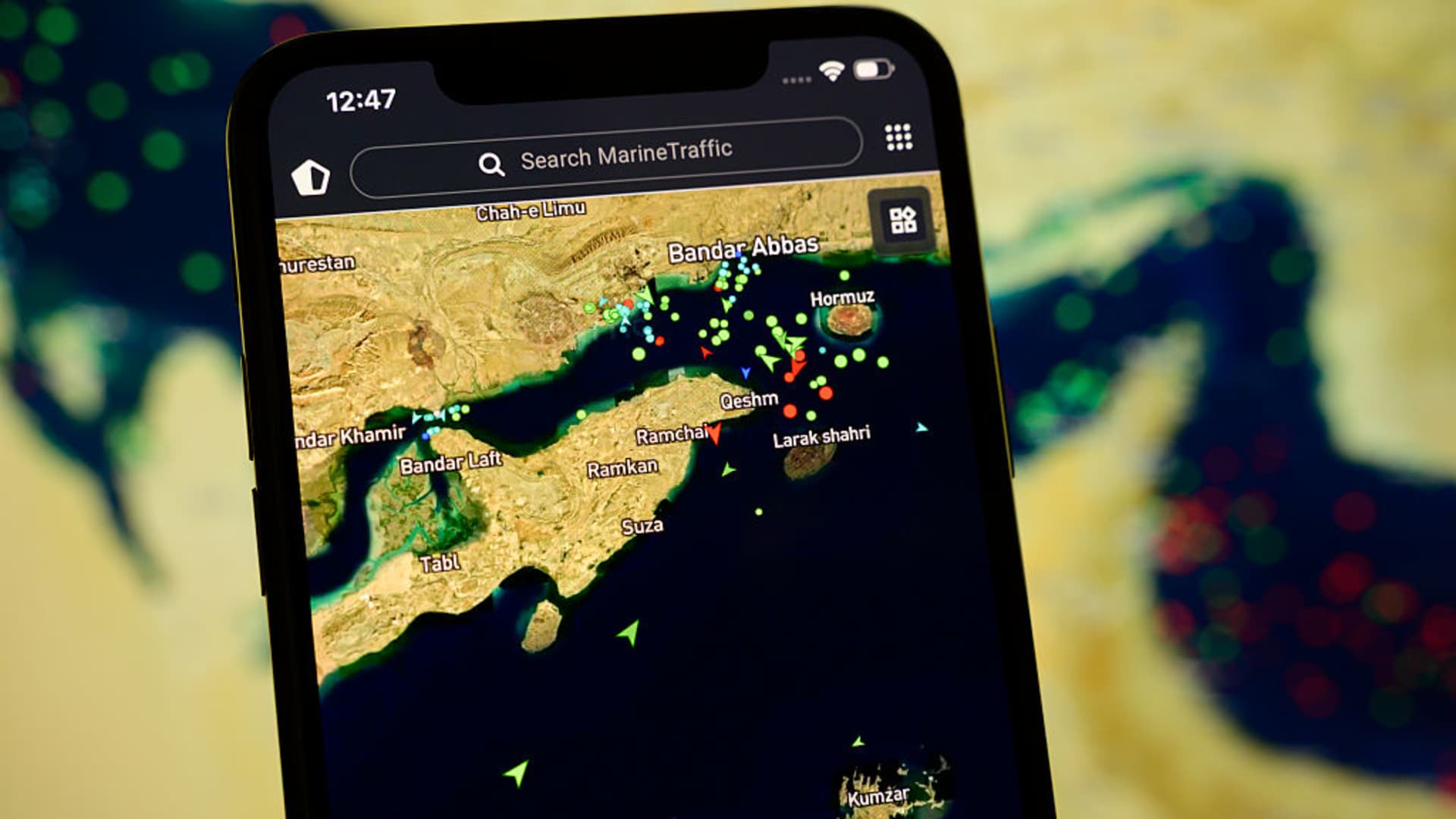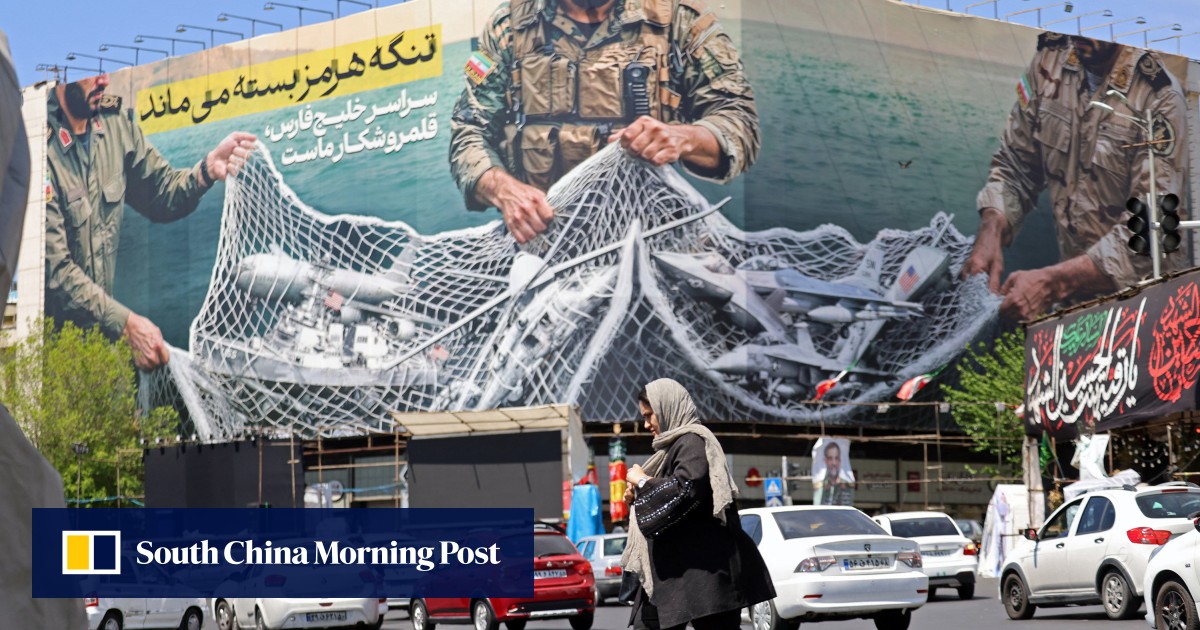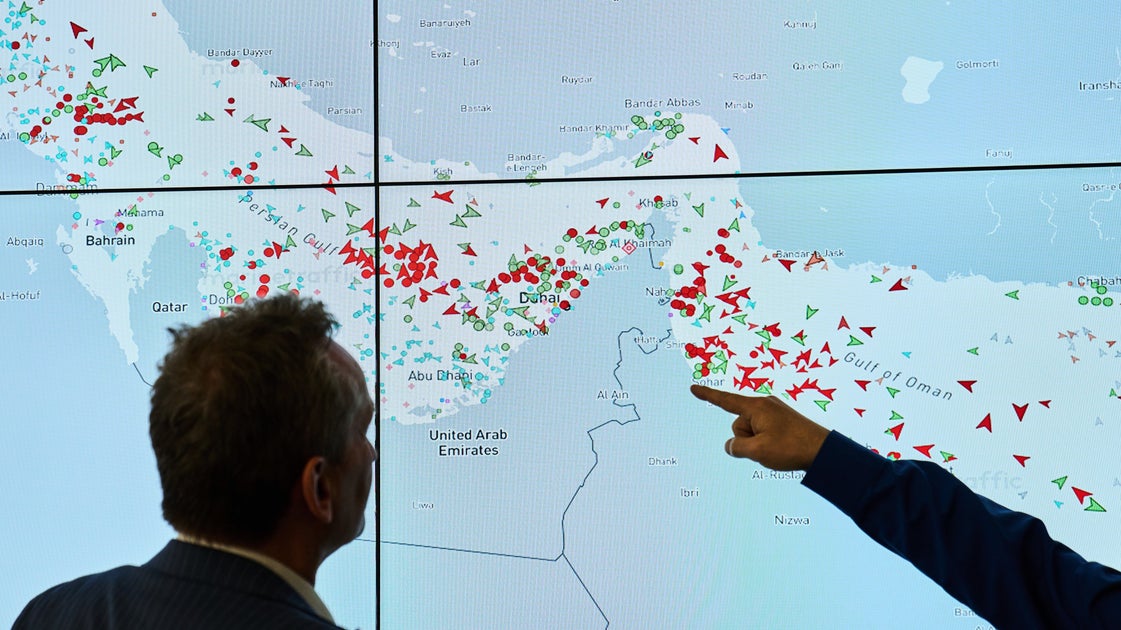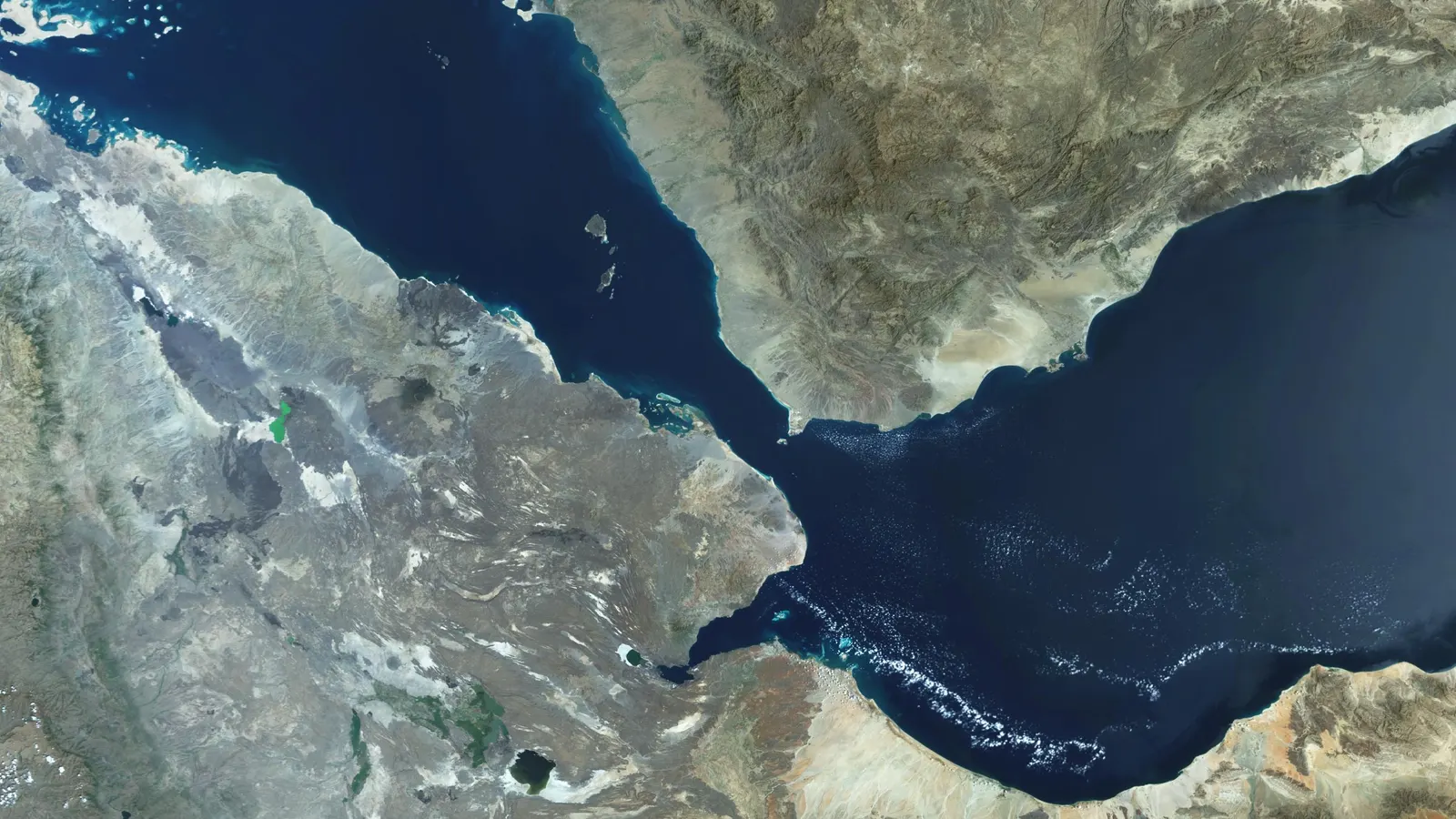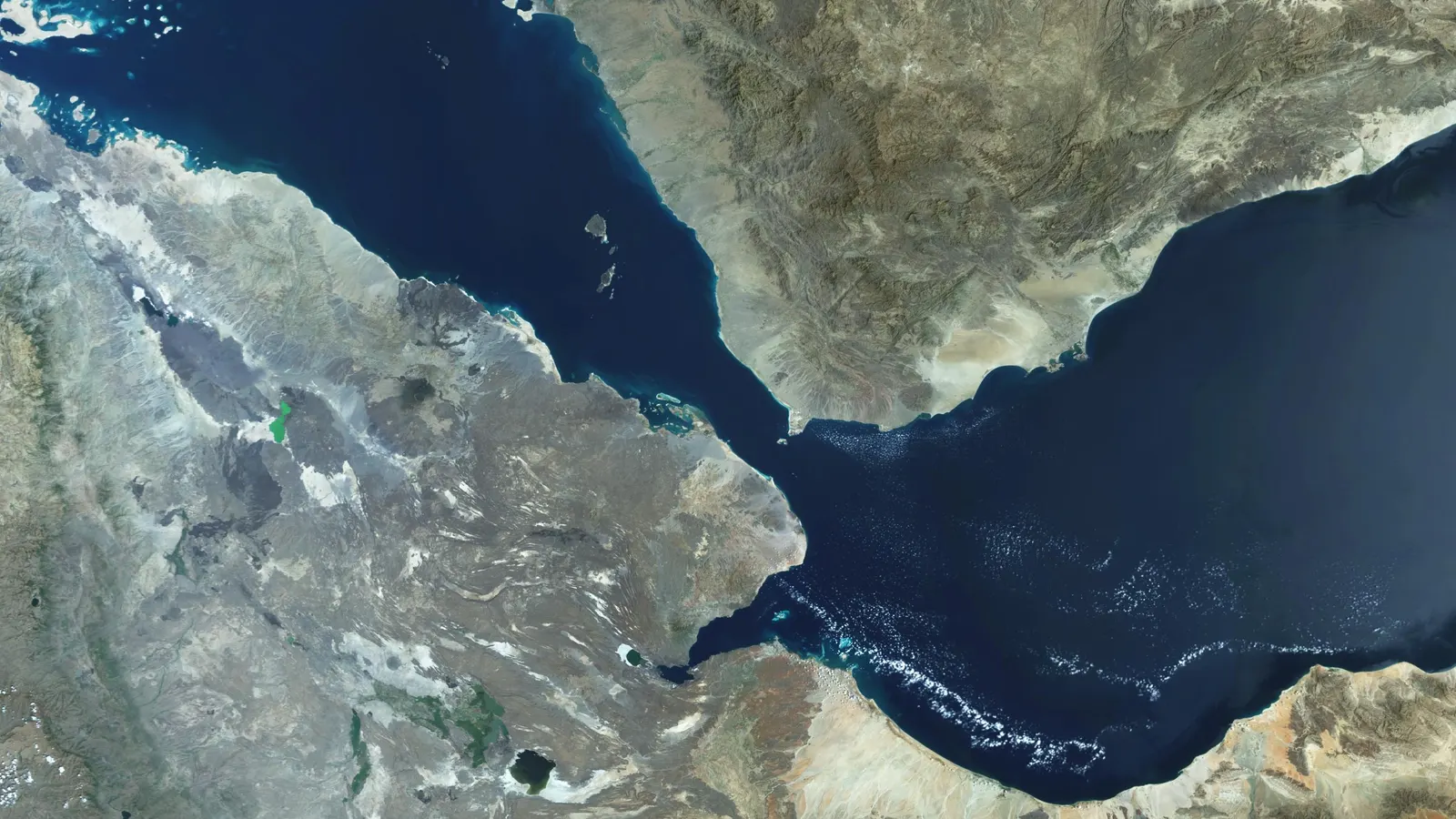
ToplineSaudi officials urged the U.S. to end the blockade of the Strait of Hormuz, the Wall Street Journal reported, out of mounting fears it could incite Iran to close the Bab al-Mandeb, the crucial trading strait Iran previously warned was in play.The Bab al-Mandeb, the strait dividing Yemen from Africa, seen in a satellite image.Gallo Images via Getty ImagesKey FactsLess than a day after President Donald Trump’s blockade of the Strait of Hormuz began, Saudi officials are already concerned Iran could retaliate by targeting the Bab al-Mandeb—the other major waterway Saudi Arabia uses to ship oil.In an English language post on X last week, Ali Akbar Velayati, an advisor to Iran’s new supreme leader Mojtaba Khamenei, said the U.S. opposition “views Bab al-Mandeb as it does Hormuz”—the key oil-transport route Iran effectively closed after the war began, and the U.S. began blockading on Monday. Although Iran does not border the Bab al-Mandeb Strait, Yemen does, and Iran is closely allied with the Houthis, the Yemeni militant group that previously conducted dozens of strikes against Israel-linked vessels in the Red Sea in 2023 and 2024 in response to the war in Gaza.The closure of the Strait of Hormuz has caused global oil prices to skyrocket and has pushed average gasoline prices in the U.S. above $4 per gallon, according to GasBuddy data.ContraWhite House spokesperson Anna Kelly told Forbes that Trump wanted the Strait of Hormuz “fully open to facilitate the free flow of energy,” and the government was in “frequent contact” with gulf allies. Unnamed Saudi energy officials also told the Journal they had commitments from the Houthis not to attack Saudi ships passing through the Bab al-Mandeb.Crucial Quote“Today, the unified command of the Resistance front views Bab al-Mandeb as it does Hormuz,” Velayati wrote. This could refer to Iran’s “Axis of Resistance,” the loosely aligned groups of militias and other groups supported by Iran, which include the Houthis in Yemen, Hezbollah in Lebanon and Kata’ib Hezbollah in Iraq. “If the White House dares to repeat its foolish mistakes, it will soon realize that the flow of global energy and trade can be disrupted with a single move,” Velayati added.Why Is The Bab Al-Mandeb Strait Important?The closure of the Bab al-Mandeb Strait could further disrupt global trade, blocking yet another chokepoint for the petroleum exporting nations to ship oil and natural gas out of the region. An estimated 4.1 million barrels of petroleum products traveled through the strait per day in 2024, according to the U.S. Energy Information Agency. In comparison, about 20 million barrels traveled through the Strait of Hormuz in 2025, according to the International Energy Agency. The Bab al-Mandeb Strait is one of the alternative routes for petroleum exporters to ship oil to Asia. About 7 million barrels of oil are now shipped to the Saudi Arabian city of Yanbu, a port on the Red Sea, through a pipeline, ABC News reported citing data from maritime intelligence firm Kpler. The oil that reaches Yanbu then transits through the Red Sea and the Bab al-Mandeb Strait. Trump’s blockade of the Strait of Hormuz comes only days after Saudi Arabia announced it restored full pumping capacity through the pipeline to prewar levels—about seven million barrels per day—after the pipeline came under attack from likely Iranian missiles and drones.Big Number$150 per barrel. That’s how high oil prices could climb if the Strait of Hormuz remains closed, analysts at JPMorgan told Reuters in early April. In the short term, the closure could spike oil prices to $120-$130 per barrel—up from Sunday’s price of $109.05 per barrel. The price could reach higher if the disruptions continued through mid-May, according to the analysts. Closure of the Bab al-Mandeb could contribute to even greater price spikes, ABC News reported citing JPMorgan analysts. Weeks earlier, Iran warned the price for oil could top $200 per barrel if the war continued.Key BackgroundThe Houthis have not attacked vessels in the Bab al-Mandeb yet, instead targeting Israel with missiles, but analysts who spoke to Politico and Al Jazeera predicted the group could start targeting ships in the strait, similar to the campaign they undertook in recent years during the Gaza war. Earlier in March, Iran’s state-affiliated Tasnim News Agency quoted an Iranian military source that threatened “insecurity” in the Bab al-Mandeb and Red Sea if the U.S. struck Iran’s Kharg Island. Outside of oil, the Bab al-Mandeb, located on the sea route to Asia after passing through the Suez Canal, sees about 12% of all global trade, the Associated Press reported.
Why Saudi Arabia Reportedly Wants U.S. To End Strait Blockade
Iran has effectively closed the Strait of Hormuz, and shutting down the Bab al-Mandeb Strait could further disrupt oil markets.
752 words~3 min read