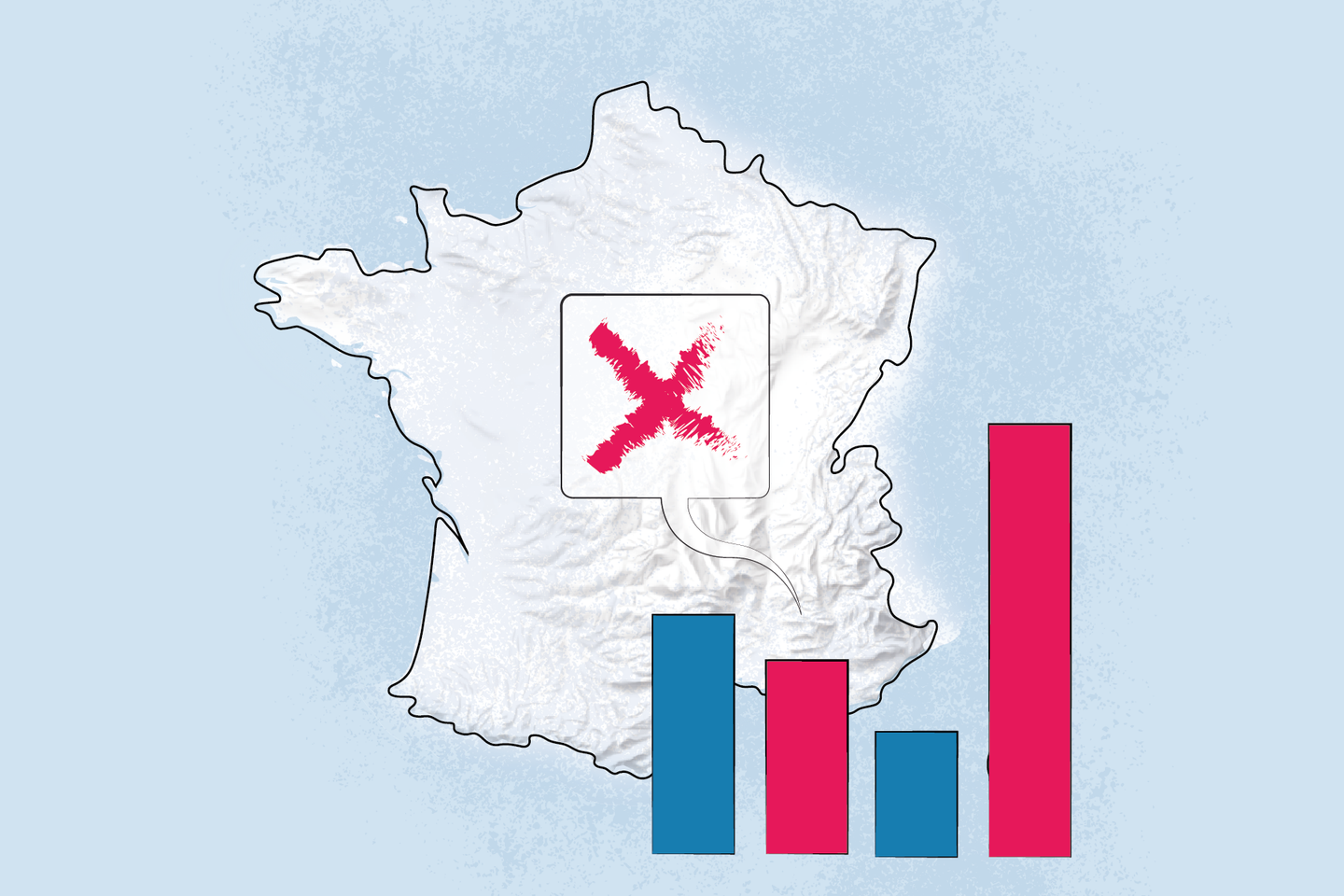
The high abstention rate in France's municipal elections this past March (42.8% in the first round, 42.1% in the second) raises questions, especially considering that French municipal politics have largely remained untouched by the deep public mistrust of national politics. The low turnout is surprising, given that mayors and their proximity to constituents' everyday preoccupations usually generate trust and support. The trend signals a weakening of voting norms – a phenomenon now affecting not just younger generations – and confirms the erosion of the French people's connection to political institutions, even on the local level.
The social factors behind abstention are, of course, at play: Young people voted less than their elders, the privileged voted more than the working class, and voters in rural areas voted more than those in large cities. But there are also other factors, including political ones, that explain much of the surge in abstention in recent years.
While voters primarily focused on local issues, the 2026 municipal elections also gave a significant part of the electorate an opportunity to respond to the national political landscape by abstaining. In the French electoral survey by Ipsos BVA-CESI Ecole d'Ingénieurs for Le Monde, CEVIPOF and the Jean Jaurès Foundation, the reasons abstainers cited for not voting in the second round downplayed indifference or lack of interest in the election (11% said they never vote, 15% said they were not interested in these municipal elections) compared to political motives: Twenty-five percent said they abstained to express their discontent with political leaders, the government or President Emmanuel Macron, and 31% because no candidate appealed to them. Additional reasons included a sense of futility in voting, either because the results were seen as a foregone conclusion (31%) or because the elections would not change anything in their daily lives (24%).