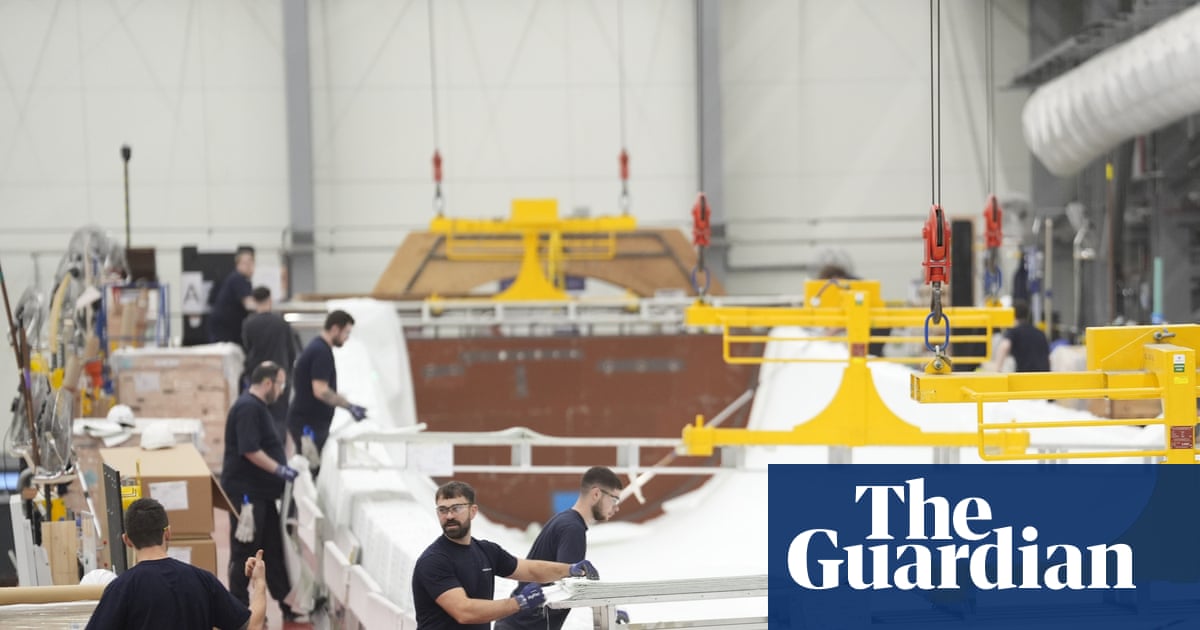
The government hails the ‘green revolution’ as a solution to economic decline, but some young jobseekers say the rhetoric does not match their experience
O
n paper, Jake Snell, 19, sounds like the perfect candidate for a role in the UK’s burgeoning green energy sector. He has high grades in maths and physics A-level, a distinction in BTec engineering and another distinction in an extended engineering diploma. He has also done work experience at an engineering company.
He is from Lowestoft, a coastal town in Suffolk, outside Great Yarmouth. Both towns contain areas that fall within the most deprived 20% in England and are part of a wider pattern of coastal places with low employment opportunities.
Snell’s hope, since secondary school, has been to join the green energy “revolution”, a sector the government is heavily investing in for economic growth. Last year, Ed Miliband pledged Labour would train people for an extra 400,000 green jobs by 2030, highlighting how roles in wind, nuclear and electricity networks would be spread across coastal and post-industrial communities, with higher salaries than the UK average.