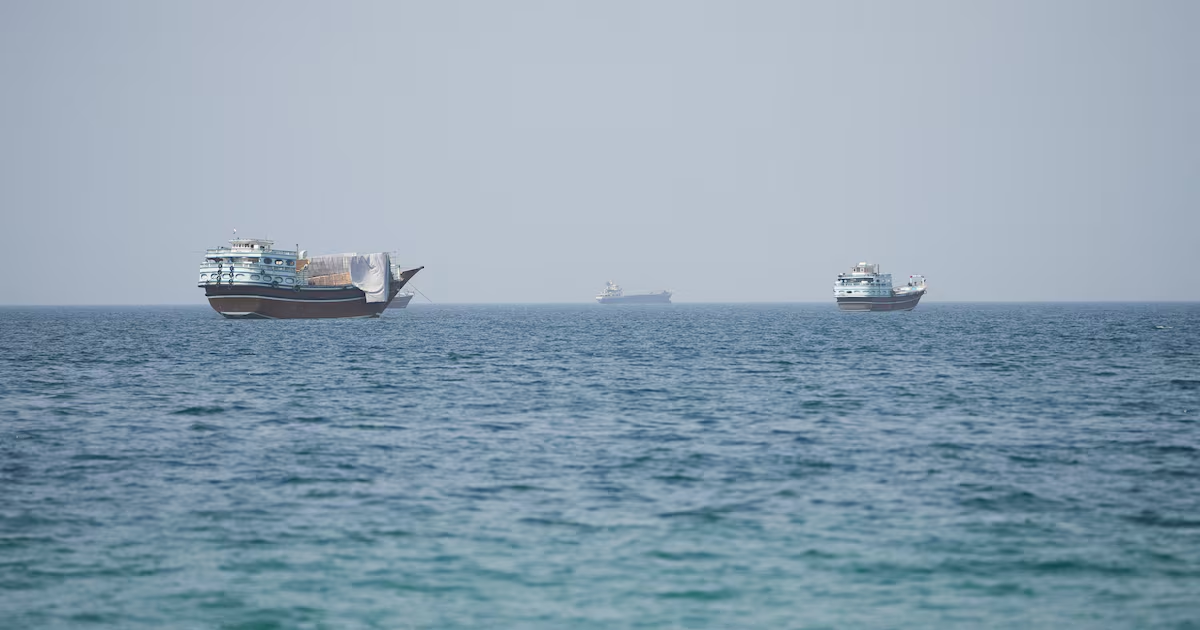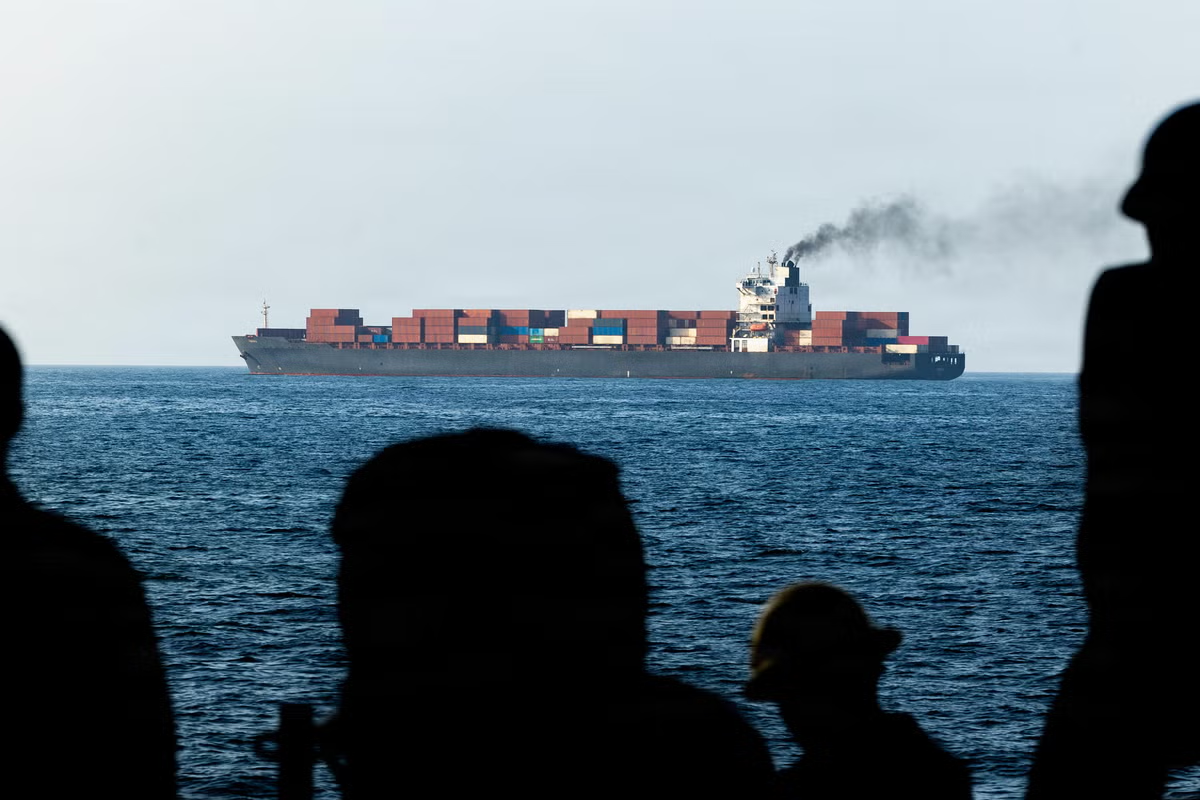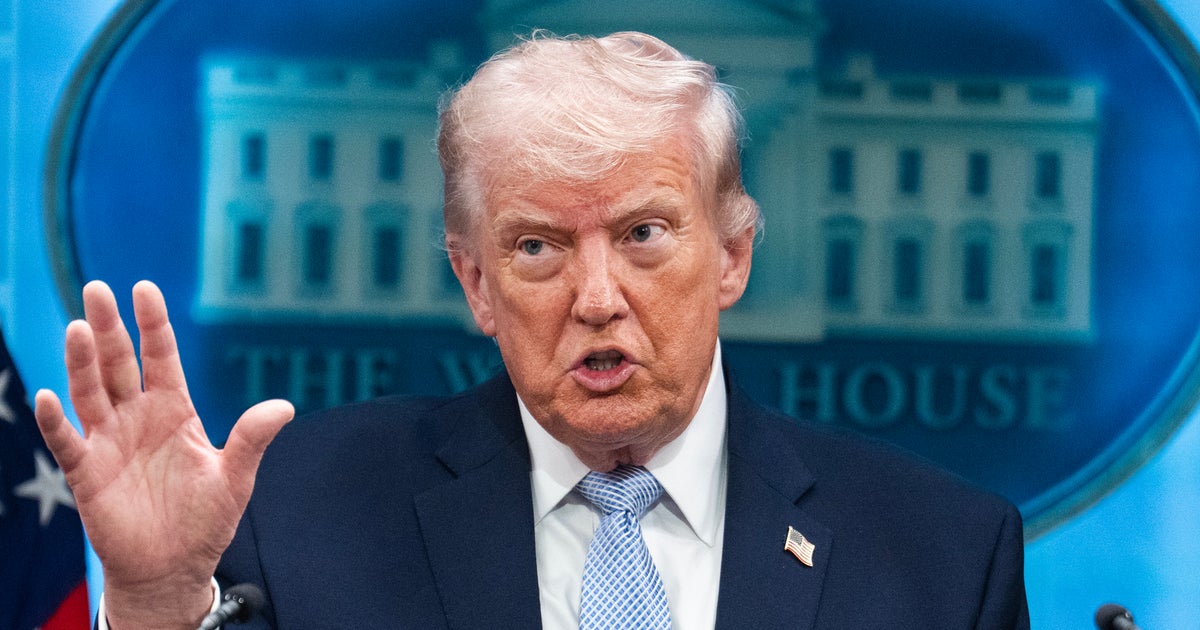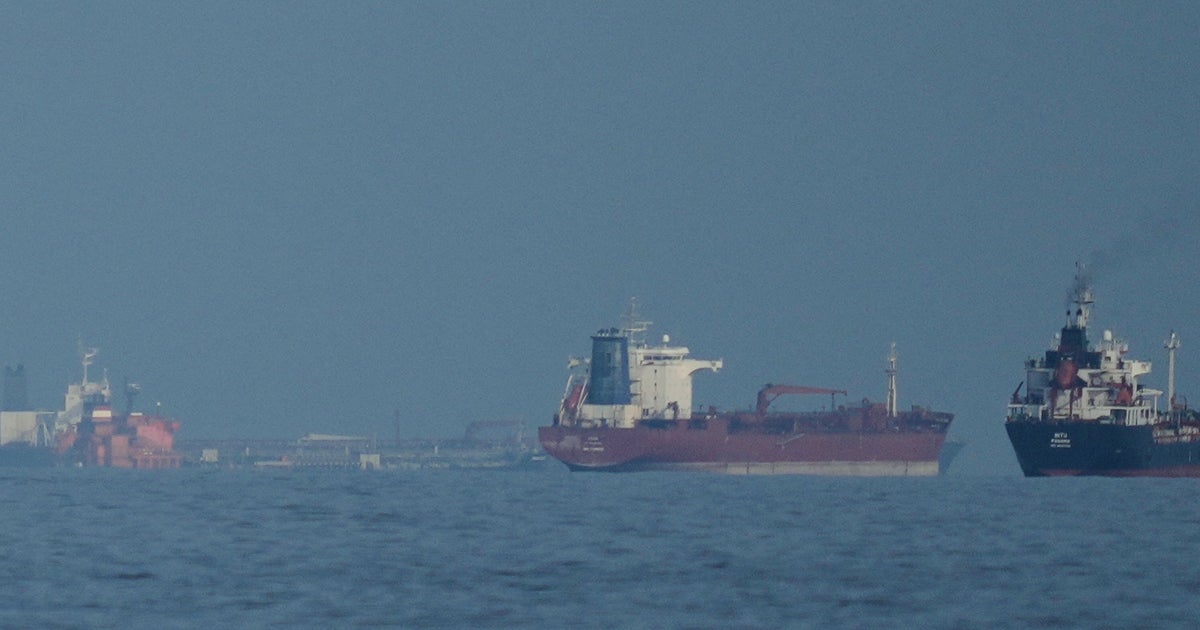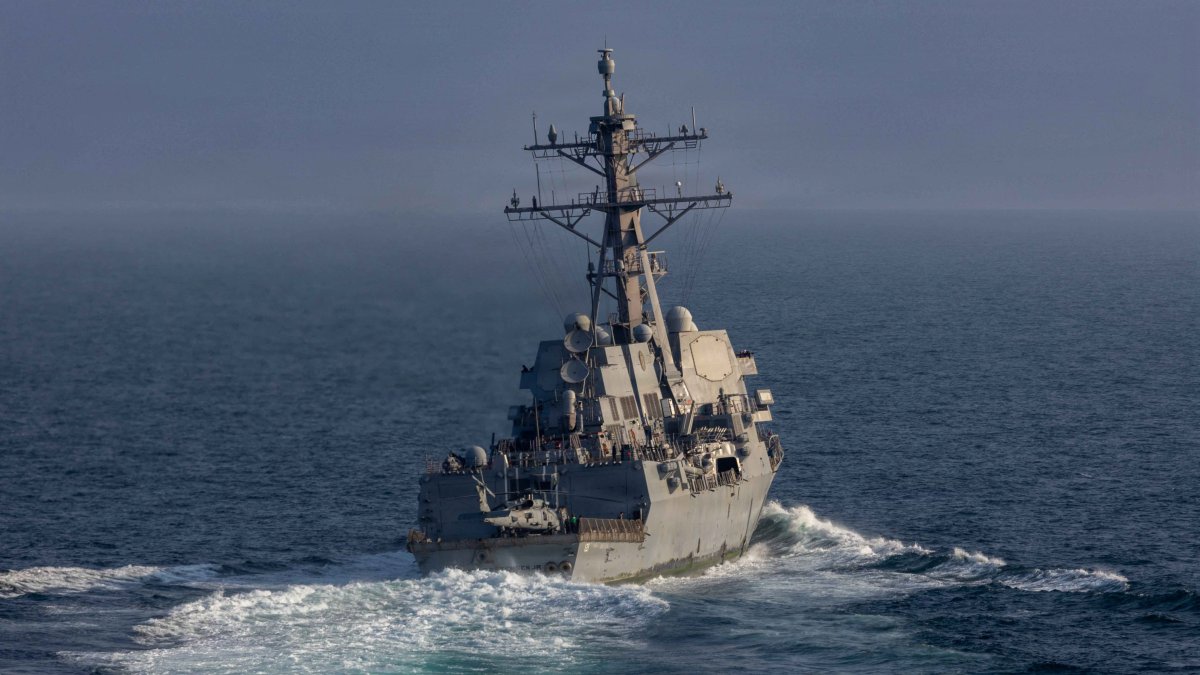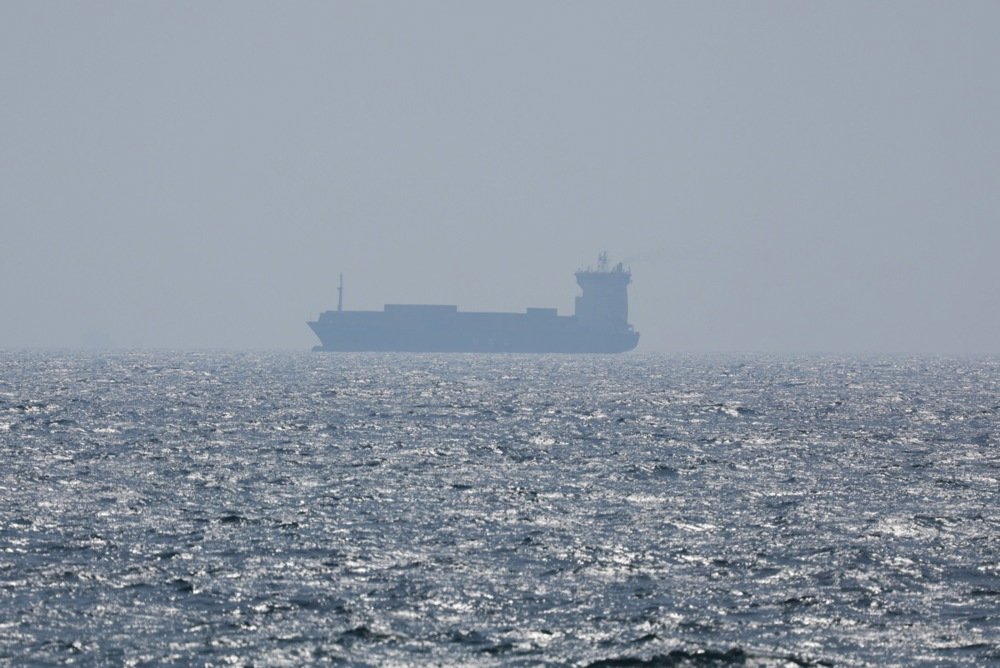
ToplineIran’s Islamic Revolutionary Guard Corps Navy warned that any military ships approaching the Strait of Hormuz would violate the ceasefire with the U.S. and Israel, just hours after President Donald Trump announced the U.S. would blockade the waterway.Trump said the peace negotiations with Iran went well, but Iran would not agree to end its nuclear program.Getty ImagesKey FactsIn a statement in Iranian state media and reported by multiple outlets, Iran’s Revolutionary Guard said military ships in the Strait of Hormuz would violate the ceasefire, and be met with a “strong and forceful response.”In two posts on Truth Social, Trump blamed the blockade on the Iranians, who previously closed the Strait of Hormuz after the war started, threatening ships with drones, missiles and mines.Trump called Iran’s claims of possible mines in the Strait of Hormuz “world extortion.”Trump also suggested the U.S. would “interdict” ships in international waters that paid a toll to Iran to safely navigate through the strait while the conflict raged.While the details are not known, several Asian countries—beginning with China, but also including India, Pakistan and the Philippines—have struck deals with Iran to pass safely through the Strait.Trump said the blockade would begin “shortly” and also insisted other countries would “be involved”—but did not immediately specify which nations would join and what their role would be, and the White House did not immediately return a request for comment from Forbes.News PegPeace negotiations between the U.S. and Iran ended in Pakistan on Sunday after almost 20 hours, Trump said in one post, but U.S. negotiators were unable to convince the Iranians to give up their nuclear ambitions. However, Iranian leaders have contradicted Trump’s statements—Iranian Parliamentary Speaker Mohammad-Bagher Ghalibaf, one of the negotiators in Pakistan, said the talks failed because Iranians “do not trust the other side,” while Ali Akbar Velayati, an advisor to Supreme Leader Mojtaba Khamenei, insisted “the Strait of Hormuz is firmly in our hands.”Key BackgroundIran closed the Strait of Hormuz in the days after the U.S. and Israel began their campaigns of air strikes on Iranian targets on Feb. 28. The strait is a narrow waterway that divides Iran from the Arabian Peninsula. In 2025, an estimated 25% of the world’s oil shipped by sea traveled through the Strait of Hormuz, according to the International Energy Association, as well as the majority of liquid natural gas exports from Qatar and the United Arab Emirates. The closure has caused oil prices to spike, which in turn have caused average gasoline prices to rise in the United States. Average price per gallon in the U.S. reached as high as $4.08 by Sunday, according to GasBuddy data. The closure is also affecting the supply of other critical goods that ship through the strait, including nitrogen-based fertilizer and helium.
U.S. Military Ships In Strait of Hormuz Violate Ceasefire, Iran Warns (Live Updates)
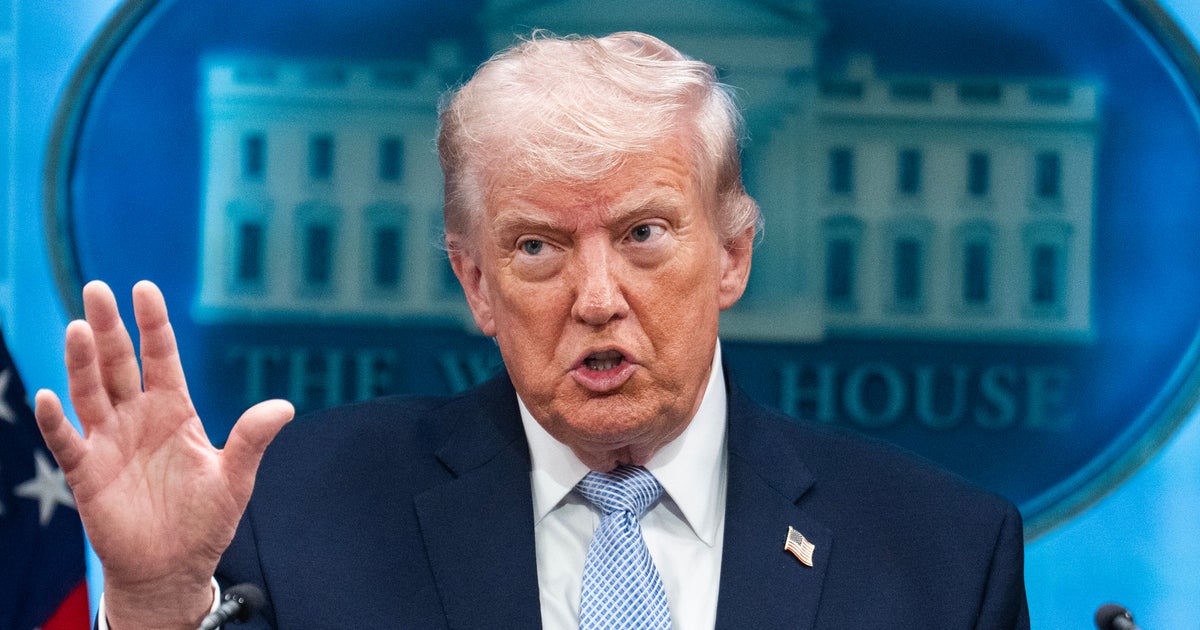
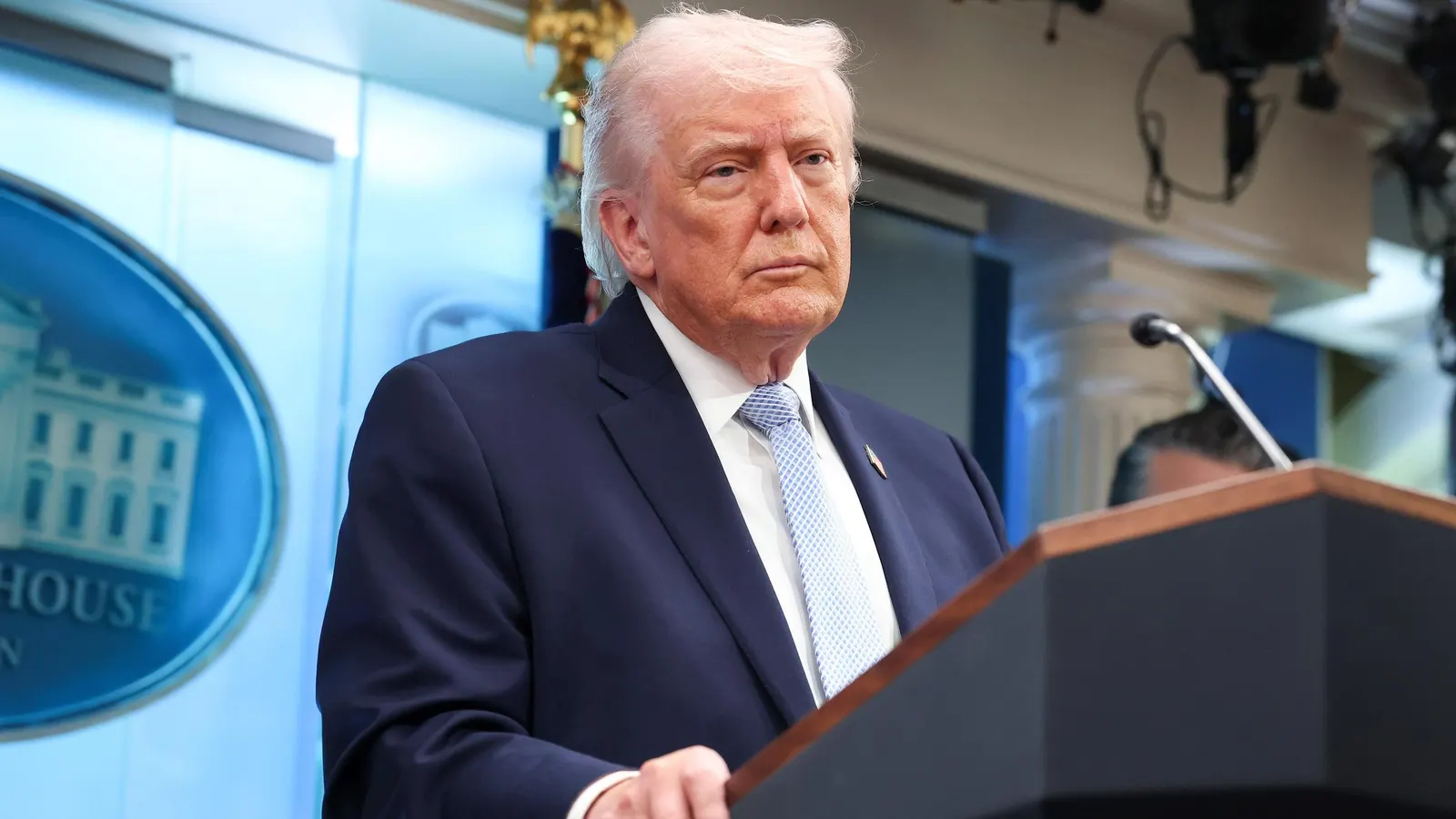
Trump said the peace negotiations with Iran went well, but Iran would not agree to end its nuclear program.
459 words~2 min read