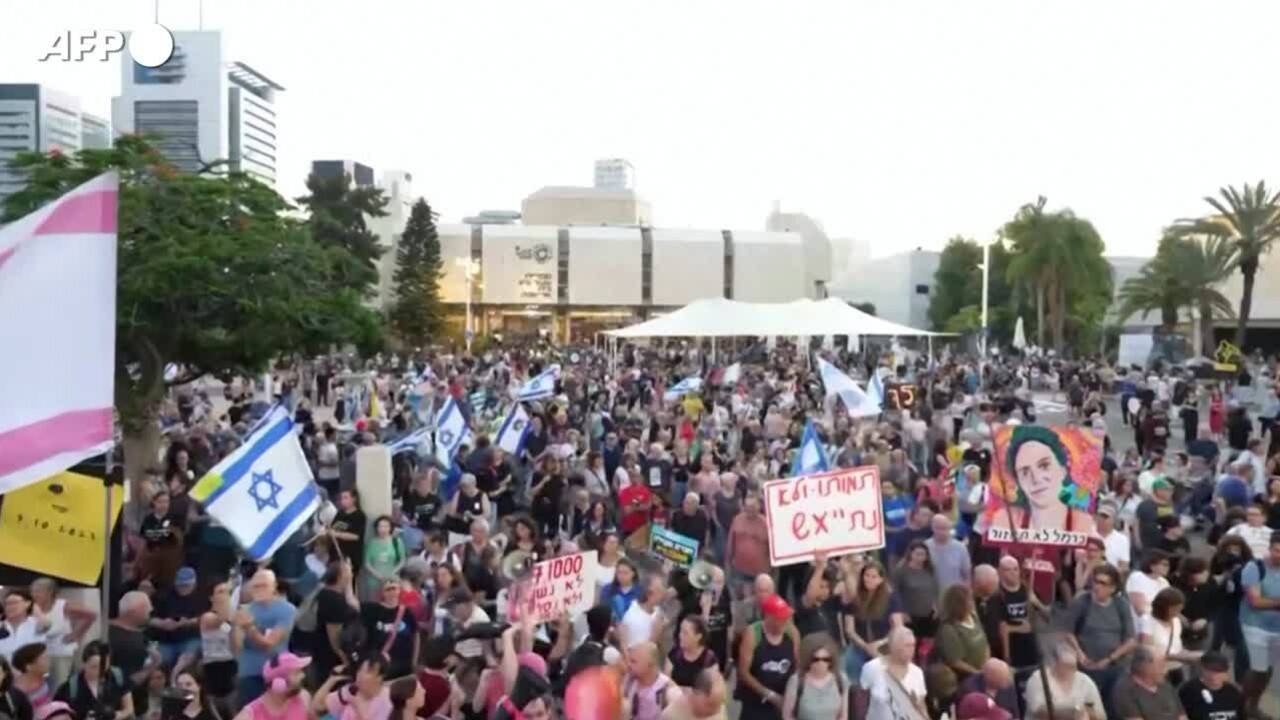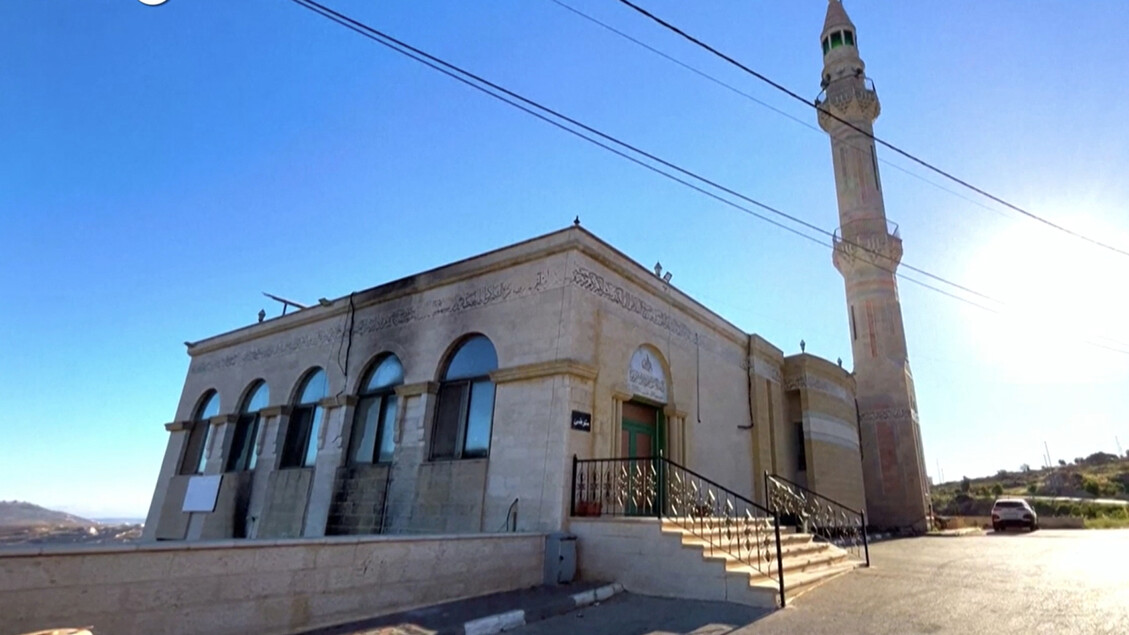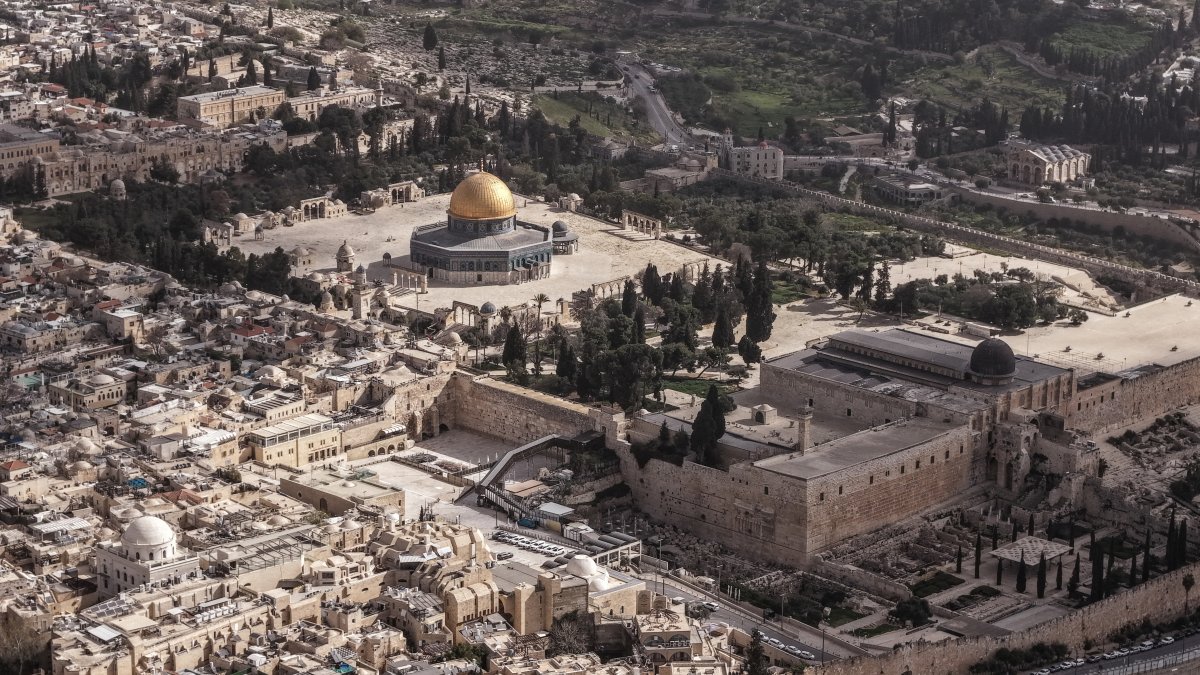
Last month, for the first time in more than half a century, the historic alleyways of Jerusalem’s Old City fell into a forced silence during what is traditionally its most vibrant religious season. As the war between Israel and Iran entered its second month, the Israeli government implemented a sweeping 40-day ban on Muslim worship at the Al-Aqsa Mosque and severely restricted Christian access to the Church of the Holy Sepulchre during Palm Sunday and Easter.
While Israeli authorities cited security concerns and the threat of Iranian missile barrages as the primary justification for these measures, international observers and religious leaders described the closures as a "manifestly unreasonable" violation of the historic status quo and a systematic erosion of religious freedom.
Unprecedented siege on worship
The restrictions began following the outbreak of hostilities on Feb. 28, 2026. Since that date, the IDF’s Home Front Command enforced a nationwide ban on public gatherings of more than 50 people. In the Old City, however, the enforcement was absolute. For the first time since the 1967 annexation of East Jerusalem, the Al-Aqsa Mosque – the third-holiest site in Islam – was closed to worshippers during the final 10 days of Ramadan and for the festival of Eid al-Fitr. On the day of Eid, hundreds of Muslims who attempted to reach the compound were repelled by police with kicks and tear gas, forced to pray on the pavement near the Bab al-Sahira, also known as Herod’s Gate.