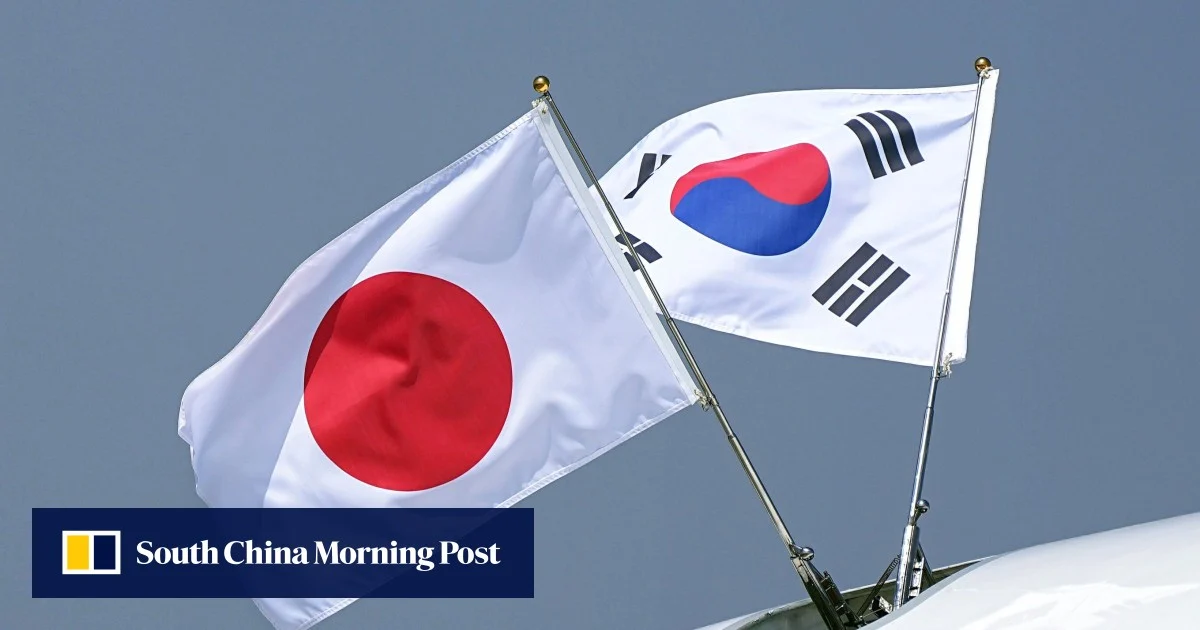
April 12 (Asia Today) -- South Korea and Japan are entering a period of intensified debate over independent nuclear capabilities as confidence in the United States' security commitment shows signs of strain, according to analysts and a recent report by the Council on Foreign Relations.
In the spring of 2026, Northeast Asia's security environment is shifting as prolonged instability from the Iran conflict and the U.S. "America First" approach raise questions about the reliability of Washington's extended deterrence, often referred to as the nuclear umbrella.
The report said both countries are moving beyond civilian nuclear energy and increasingly focusing on "nuclear latency," or the technical capacity to develop nuclear weapons if necessary.
A key driver behind the debate has been energy security. With disruptions linked to tensions in the Middle East affecting supply routes such as the Strait of Hormuz, South Korea and Japan - which rely heavily on imported oil and liquefied natural gas - face mounting pressure to secure stable energy sources. This has elevated the importance of nuclear power and issues such as uranium supply and enrichment rights.
South Korea previously revised its bilateral nuclear agreement with the United States to allow uranium enrichment for civilian use up to 20%, but experts say additional flexibility may be needed to support future technologies such as nuclear-powered submarines and small modular reactors.