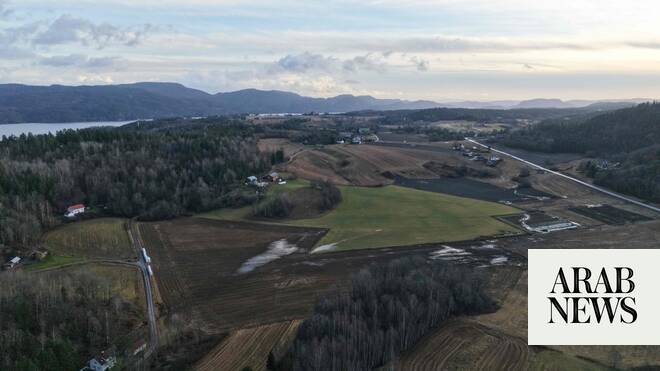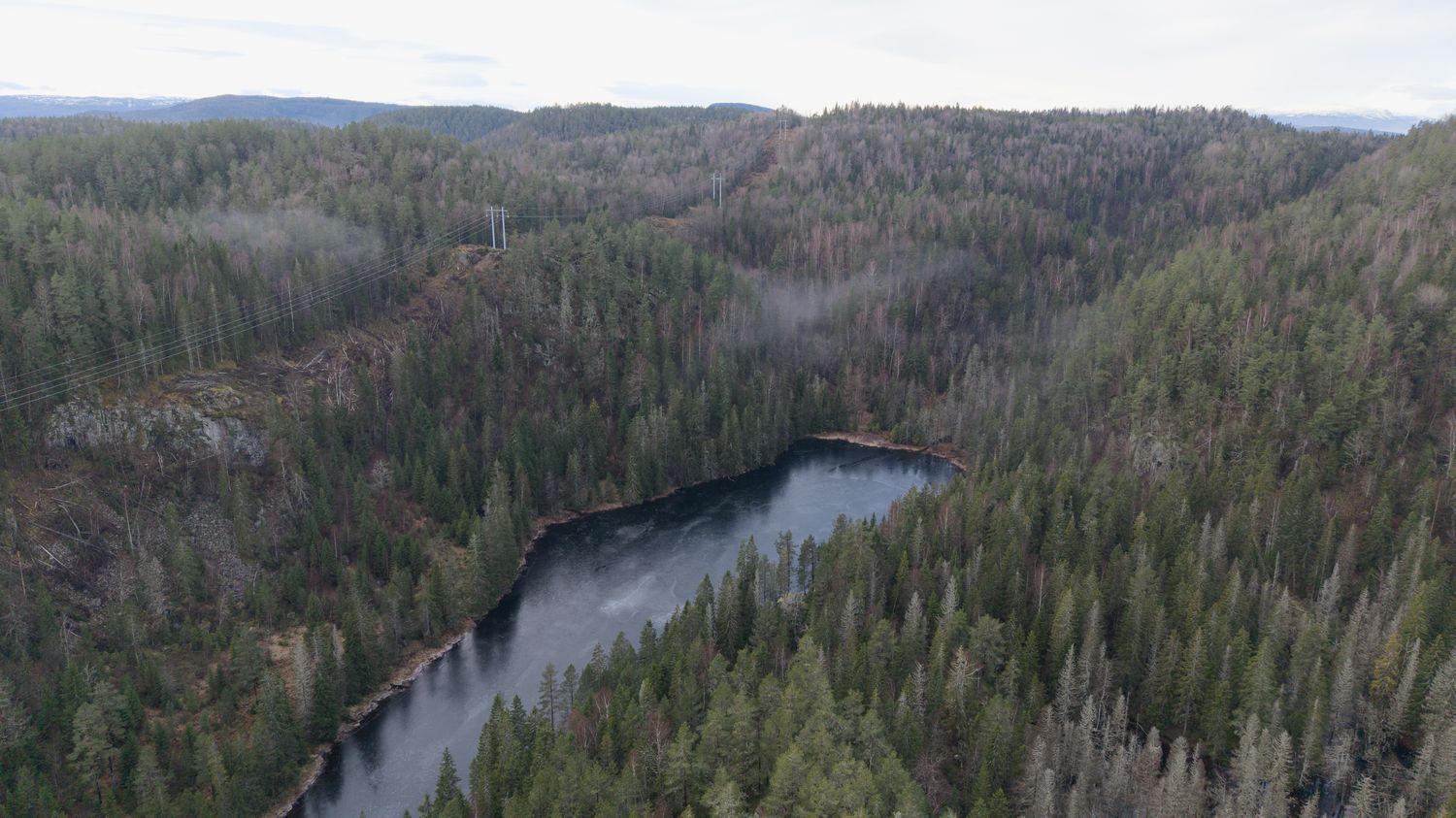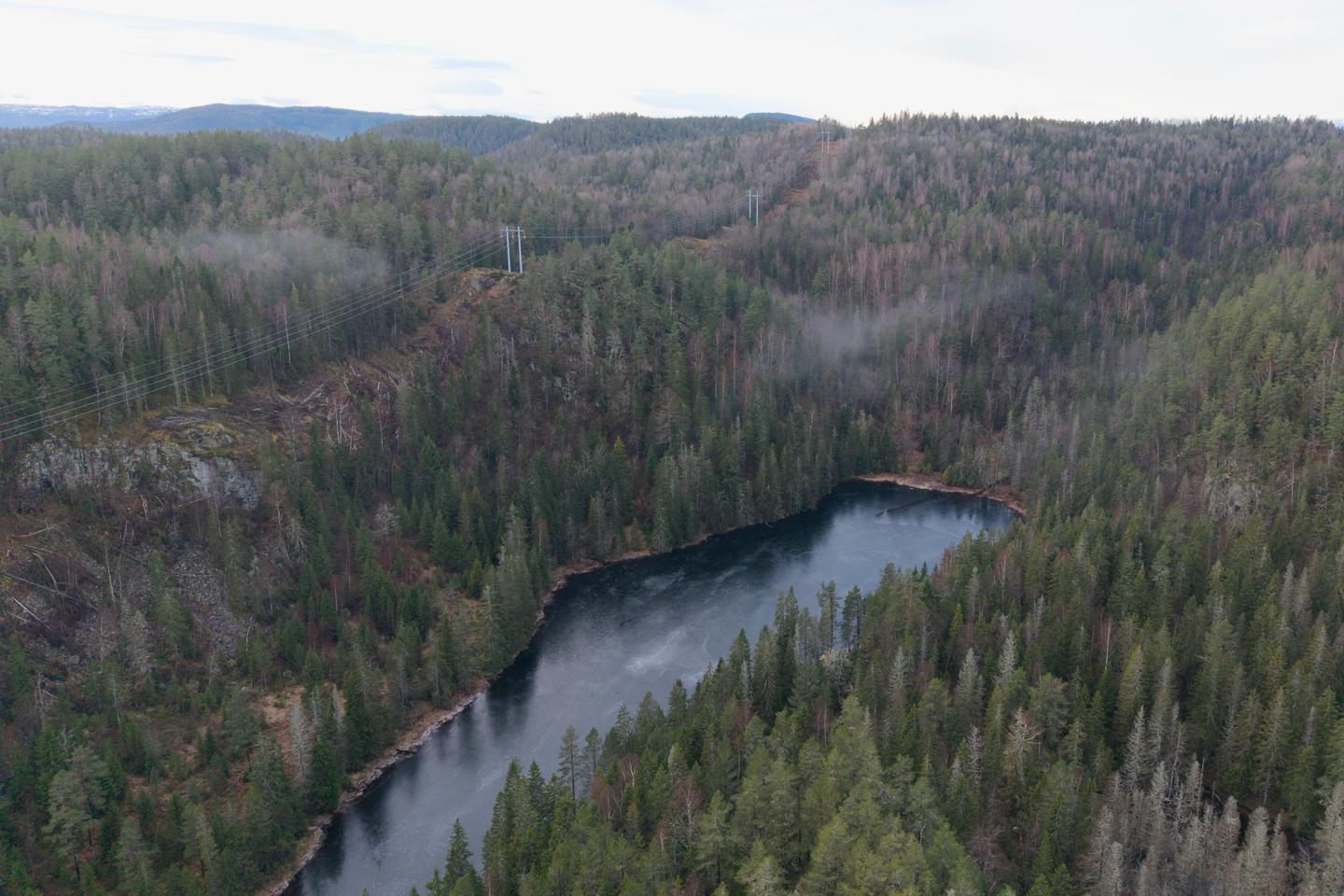
Aerial view of Fensfeltet, the rare earth reserve, in Ulefoss, Norway, December 11, 2025. SULEJMAN ALIHODZIC/AFP
"Now is the time to stop talking and start acting." Speaking via video call from Ulefoss, a former mining village of 2,000 residents in southern Norway, Alf Reistad was impatient. The head of Rare Earths Norway (REN) had plenty of reasons to be pleased: new estimates made public in early March show that the Fensfeltet deposit, 150 kilometers southwest of Oslo and for which his company holds an extraction permit, contains 80% more rare earths than initial figures suggested, confirming it as the largest reserve of these metals in Europe.
But in Ulefoss, Alf Reistad warned that unless the Norwegian authorities, the European Commission, and European Union (EU) member states step up, these resources – considered critical raw materials by Brussels – may never be developed. "They are buried in an ancient volcano that has lain dormant for 580 million years and will remain there unless their extraction becomes a priority and a financial risk mitigation system is put in place," the Norwegian said, calling for Europeans to take action.
According to calculations by the consultancy WSP, based on new drilling by REN, the deposit could contain up to 15.9 million metric tons of rare earth oxides. The rock is particularly rich in neodymium and praseodymium, essential for manufacturing permanent magnets used in the automotive, defense, aerospace and electronics industries. "These are metals for which the European Commission has identified a high supply risk," REN's chief pointed out.