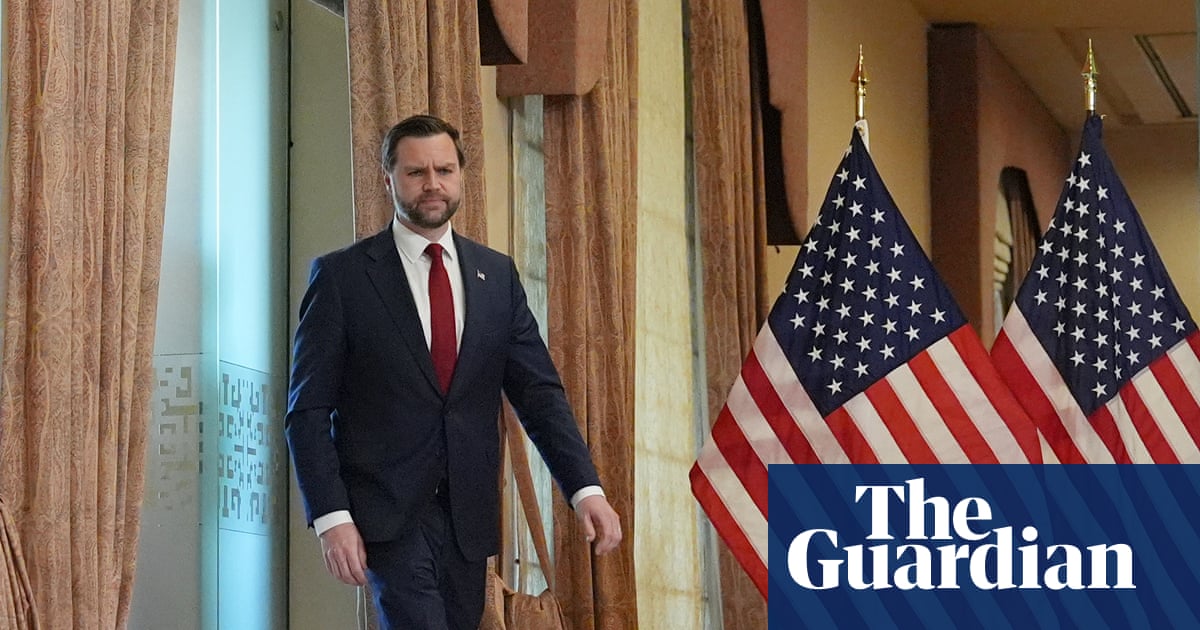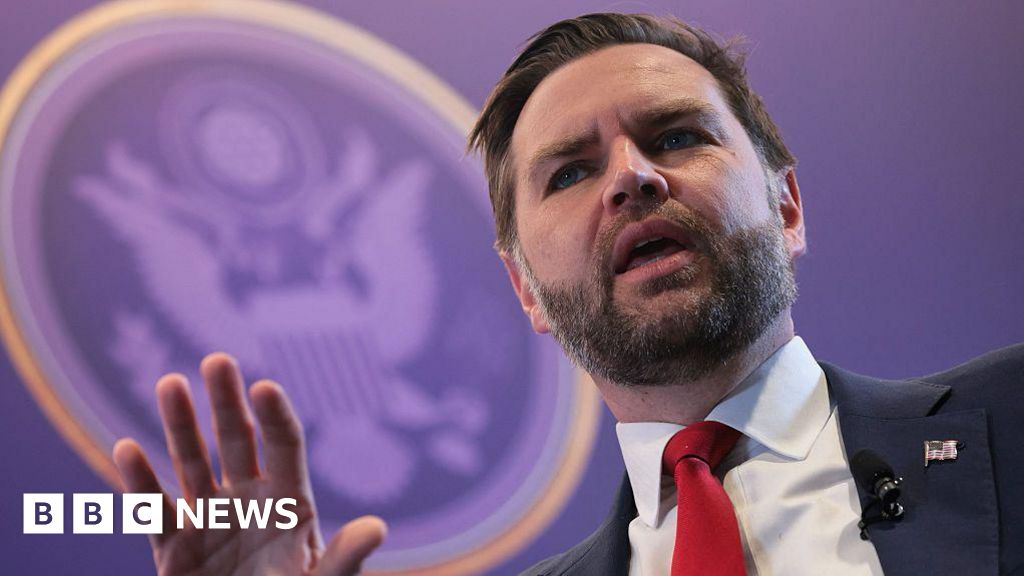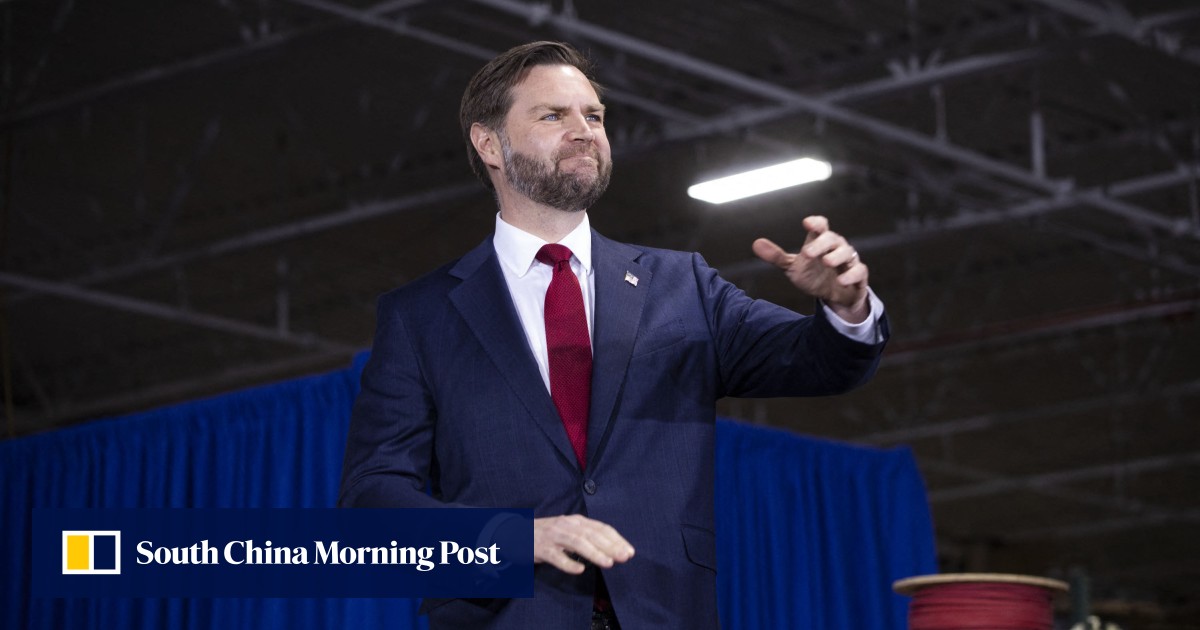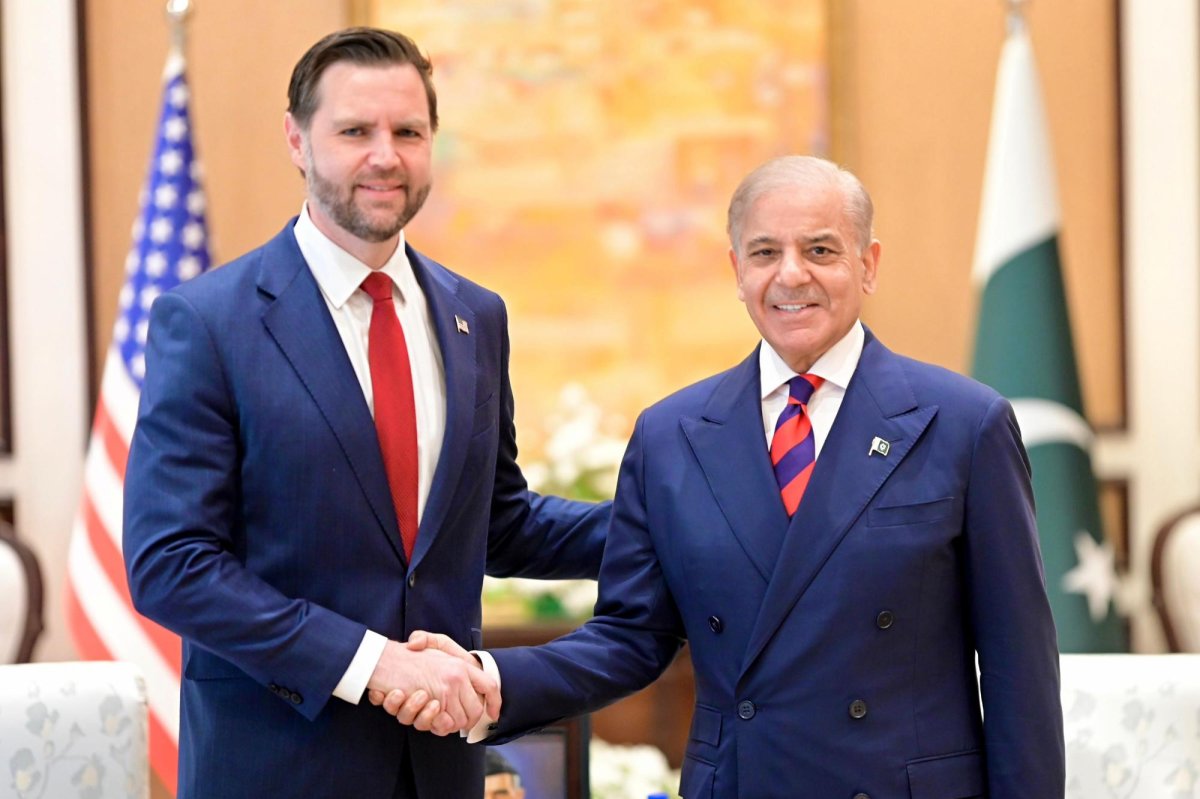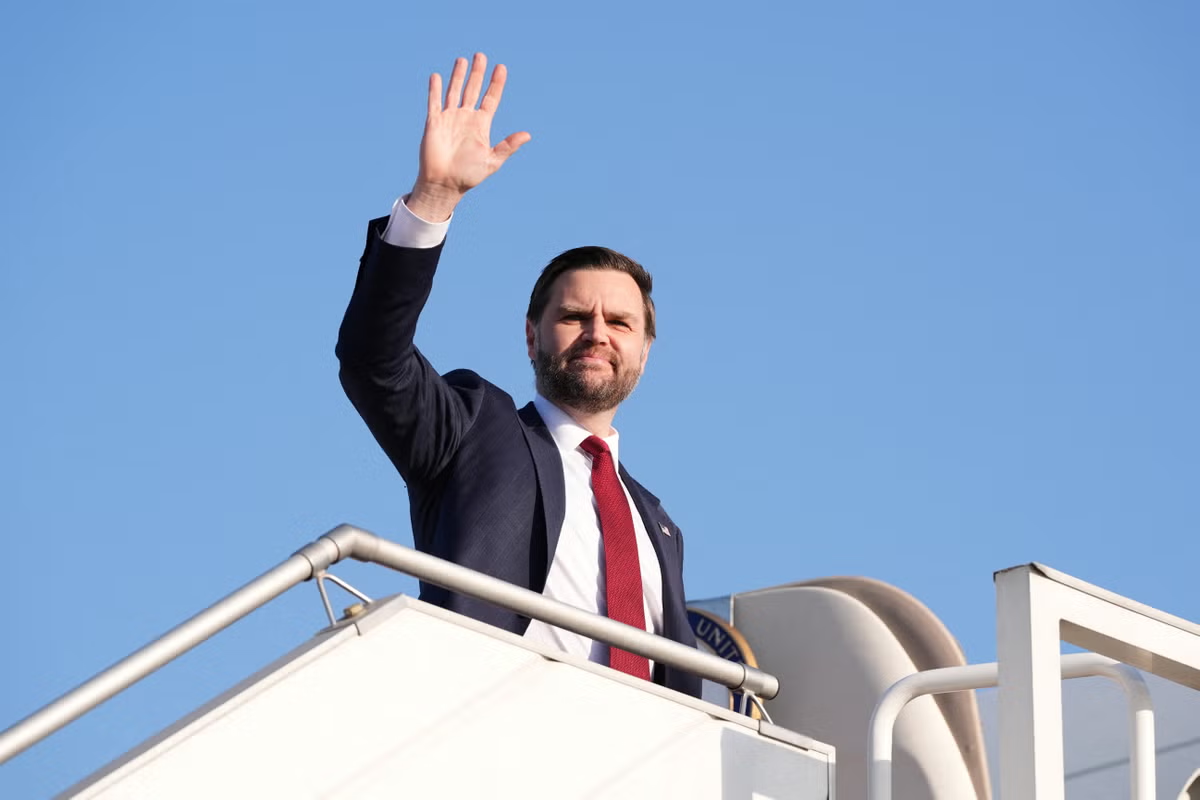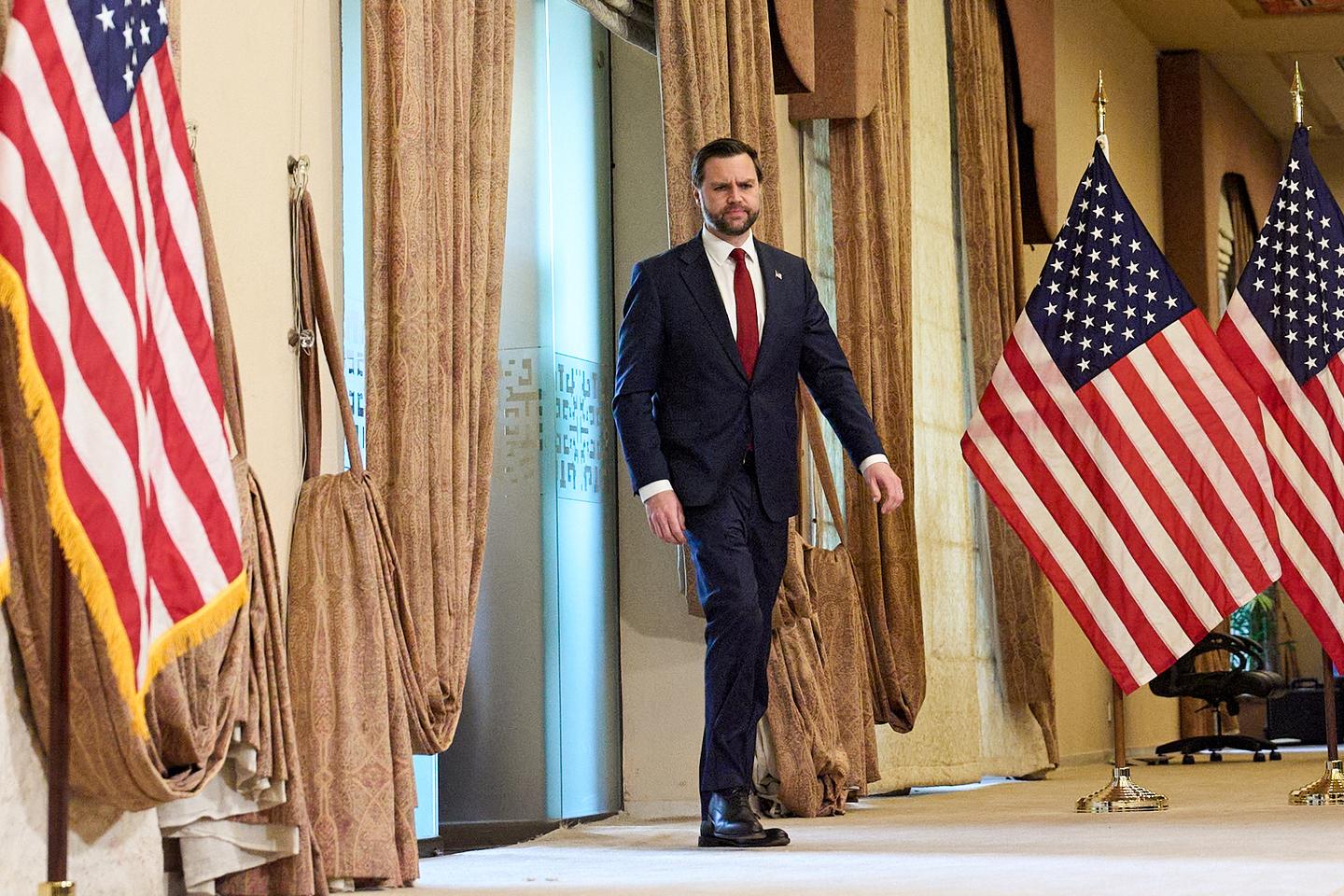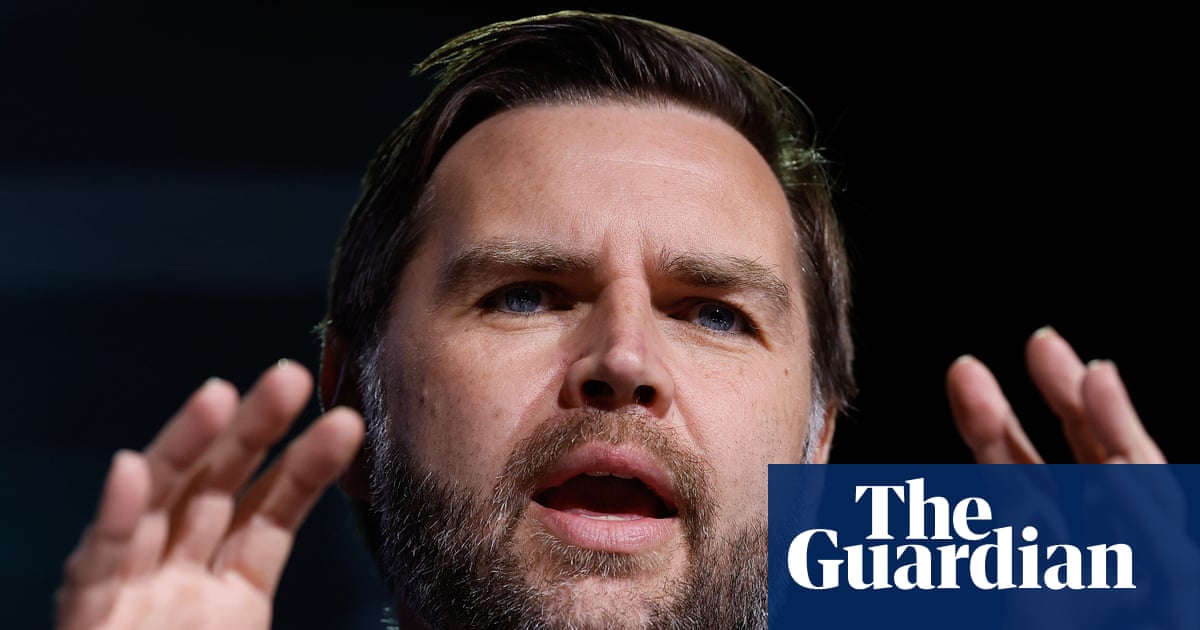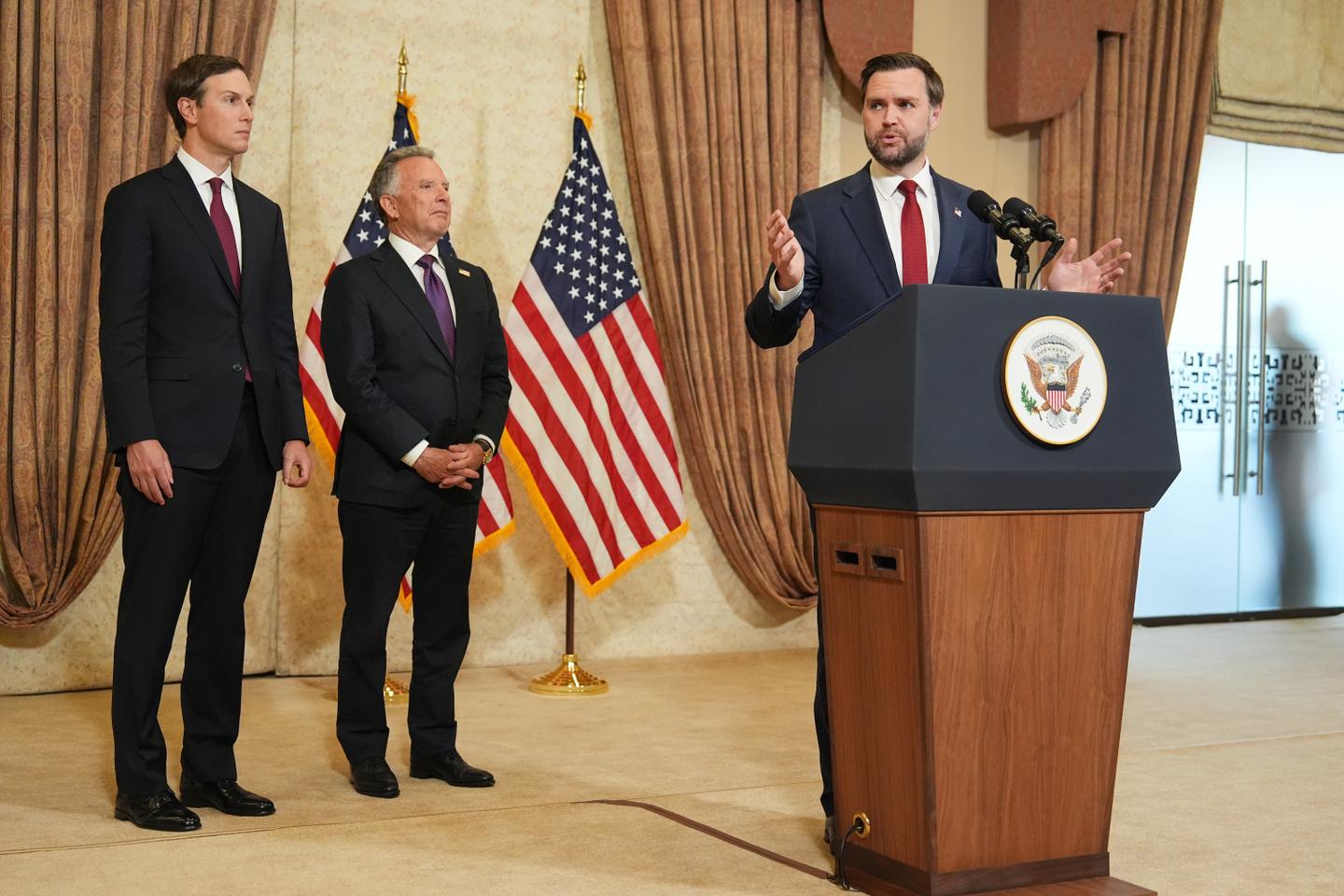
US Vice President JD Vance (right) with American representatives Jared Kushner and Steve Witkoff at a press conference in Islamabad, April 12, 2026. JACQUELYN MARTIN / AP
Whether it was simply exhaustion, the severe time difference between Washington and Islamabad, or marathon peace talks, at around 6:30 am at the Serena Hotel in the Pakistani capital, US Vice President JD Vance told the press, visibly drawn, that the US and Iran had failed to reach a deal. His remarks were brief, blunt and rather vague.
Vance, the head of the delegation with Steve Witkoff and Jared Kushner at his side, announced the breakdown of negotiations with Iran after 21 hours of talks. "They chosen not to accept our terms," Vance said, in a phrase that spoke volumes about the Trump administration's approach. After 40 days of war, the US was expecting an Iranian surrender, while Tehran, despite human and material losses, felt emboldened in its asymmetric struggle, fighting the strong from a position of weakness.
"We've had a number of substantive discussions with the Iranians," Vance said. "That's the good news. The bad news is that we have not reached an agreement and I think that's bad news for Iran much more than it's bad news for the United States of America." The vice president felt that the US delegation had been "quite flexible" and "accommodating," but Iran did not want to comply with Washington's core demand. "We need to see an affirmative commitment that they will not seek a nuclear weapon, and they will not seek the tools that would enable them to quickly achieve a nuclear weapon." Asserting that enrichment sites had been destroyed by US and Israeli forces, Vance spoke of the lack of a fundamental "long-term" commitment. But what form could such a commitment take?