April 11 (UPI) -- A federal judge upheld a previous ruling that that a Reconstruction-era federal ban on home distilling of alcoholic spirits is unconstitutional.
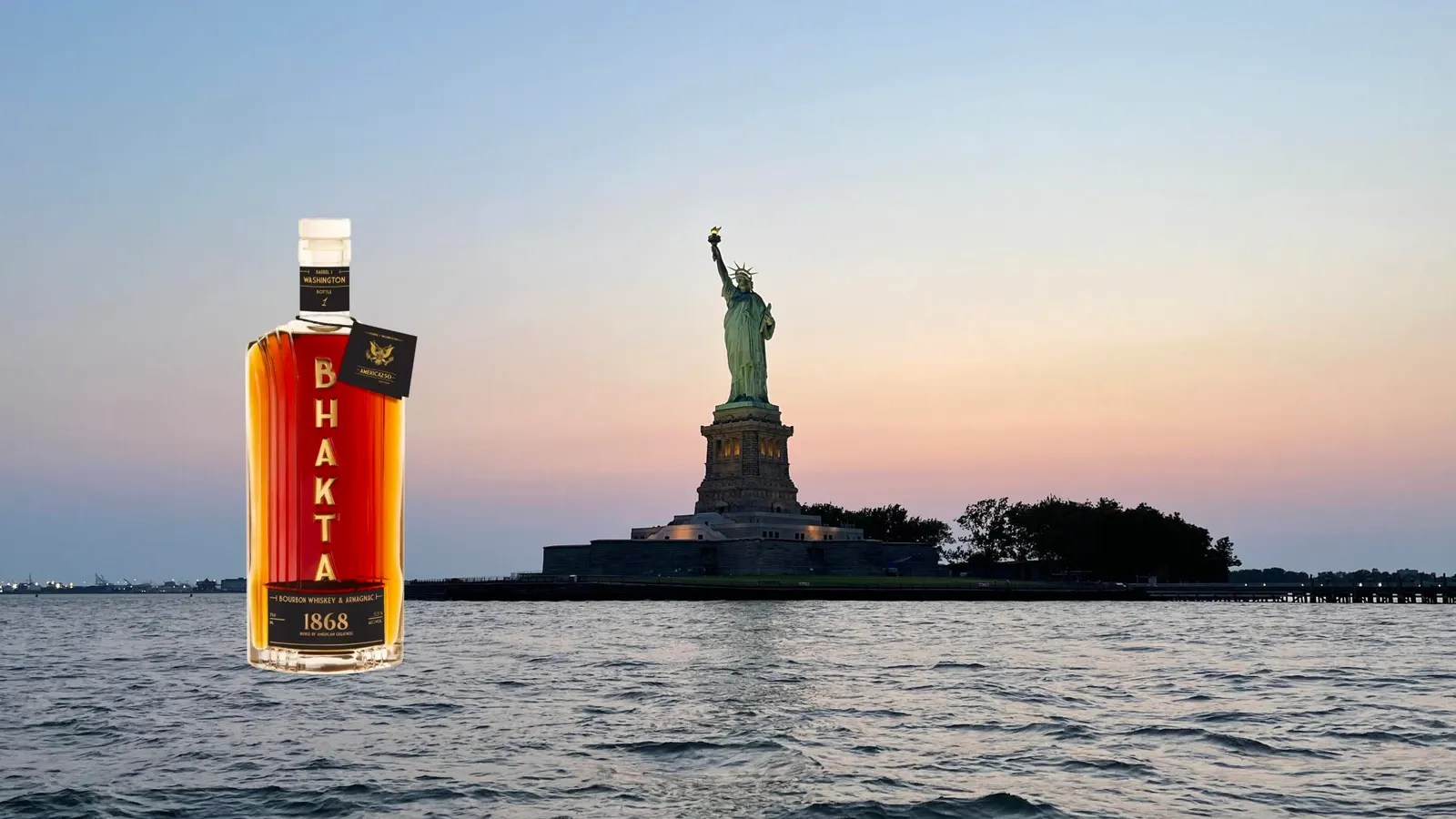
The 158-year-old law was aimed at preventing people from skirting tax collectors when it was enacted in an 1868 law that imposed excise taxes on distilled spirits and tobacco that was challenged by a man who wanted to distill bourbon whiskey at home.
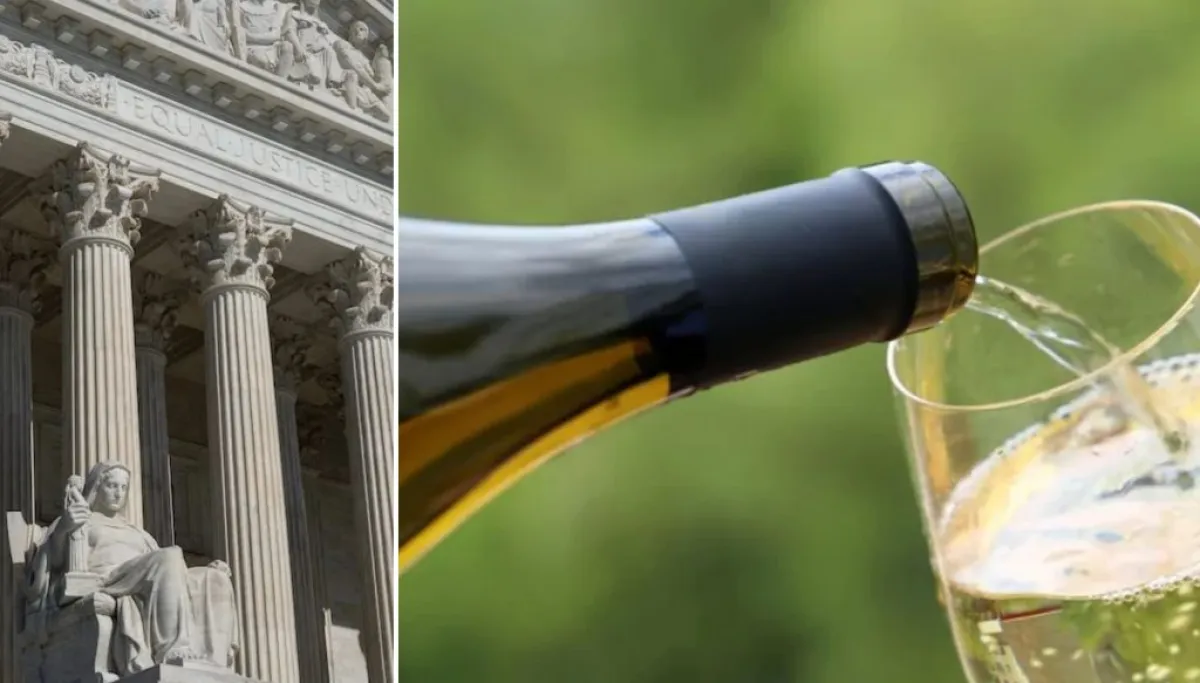
The Fifth Circuit Court of Appeals on Friday overturned the law that has barred people from producing liquor in their homes because the federal government does not have the right to use its power of taxation to criminalize at-home distilling, FoxDC5 reported.
"The government contends that this prohibition was enacted to prevent tax evasion because '[a] distiller can more easily conceal a spirit's strength (and thus avoid the proper tax rate) or conceal a distilling operation altogether if his still is in his house or connected with it," the court said in its opinion.
"Congress's taxing power 'reaches only existing subjects,' not activity that may generate subjects of taxation," the court said. "Put otherwise, preventing activity that lest it give rise to tax evasion places no limit whatsoever on Congress's power under the taxation clause."