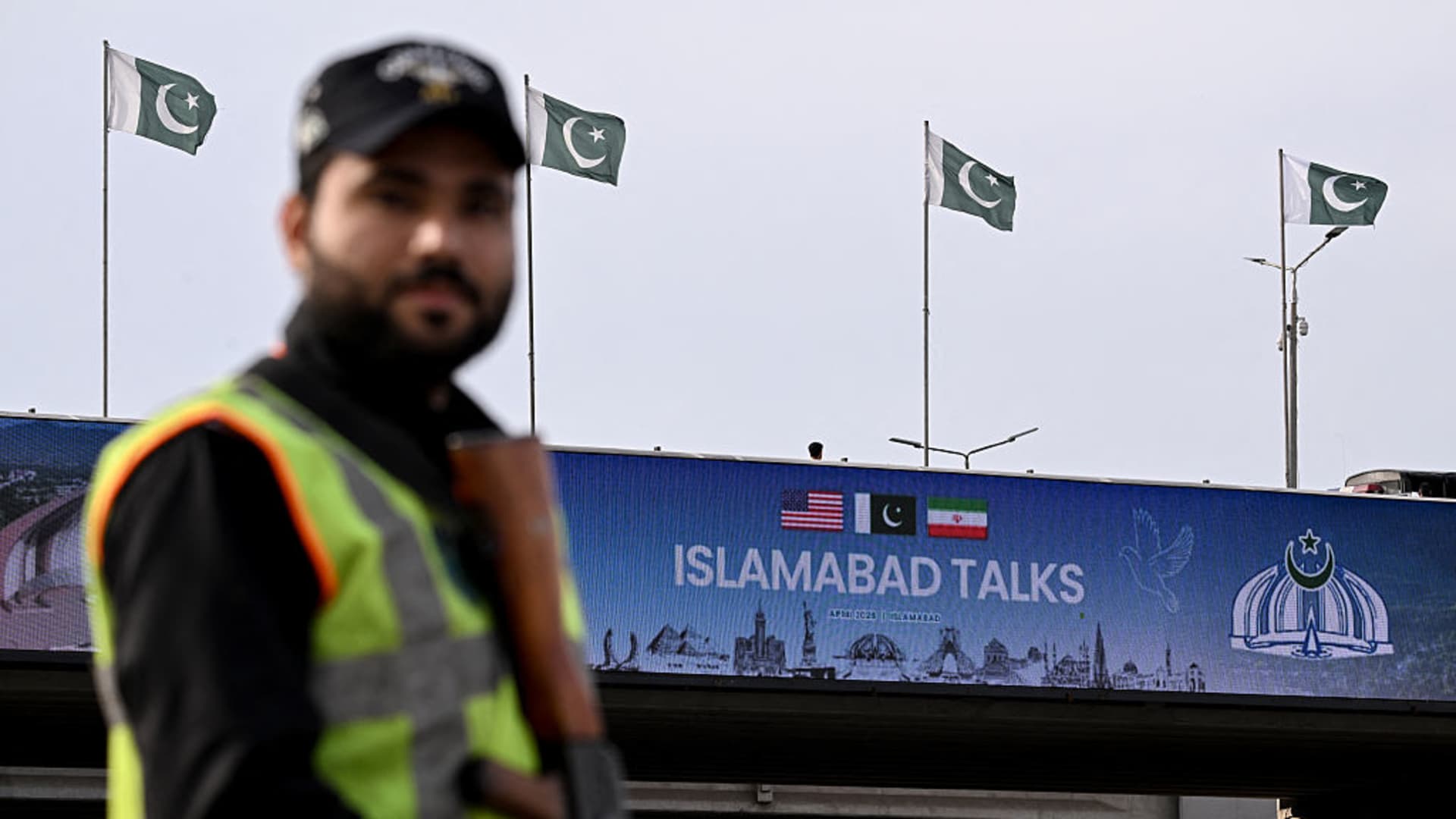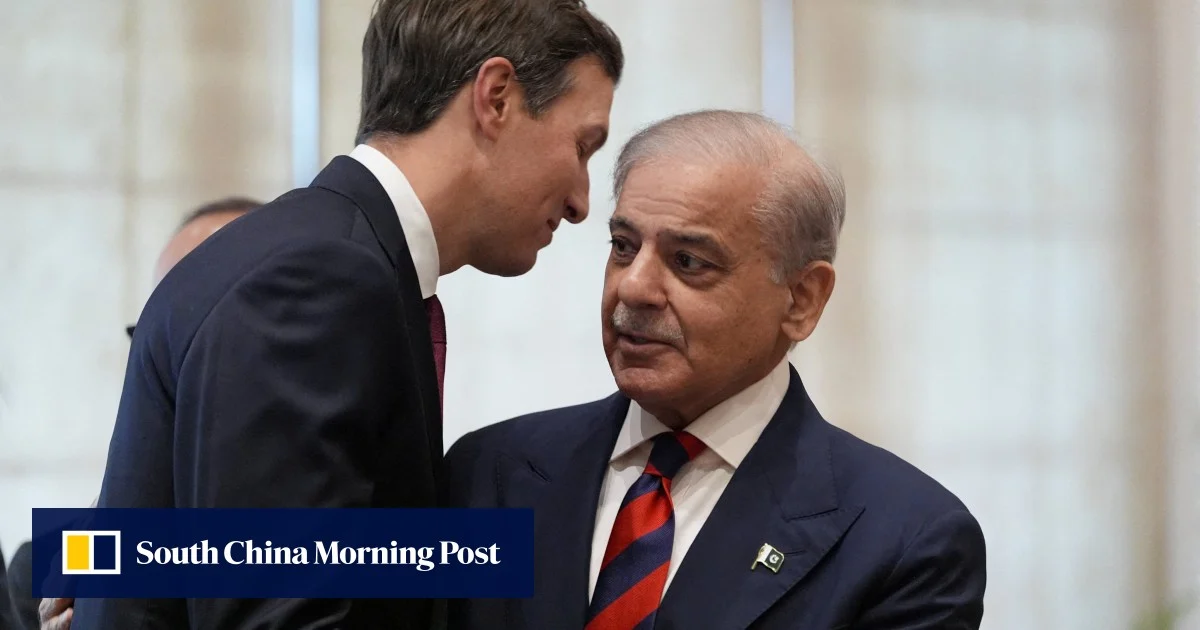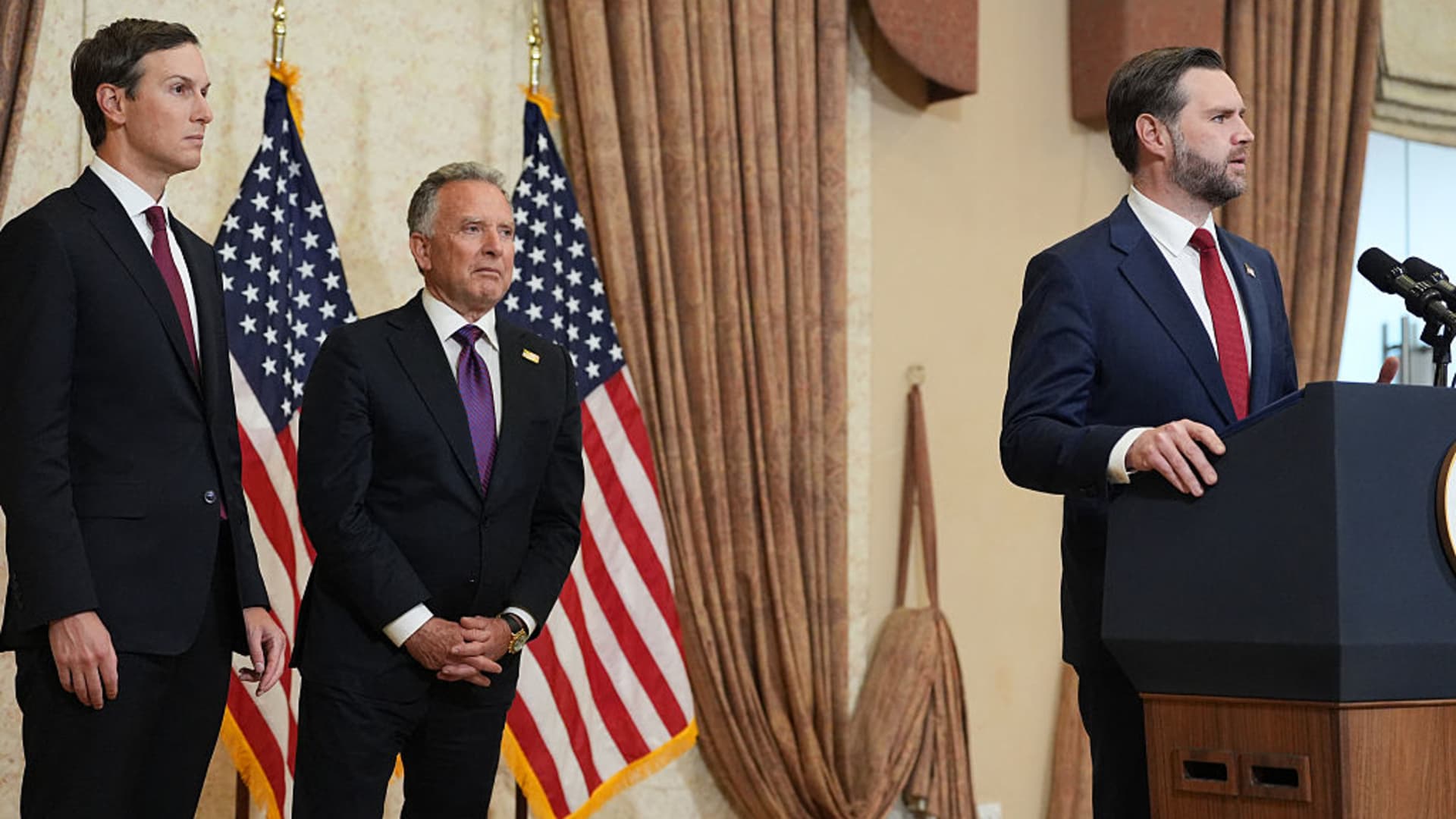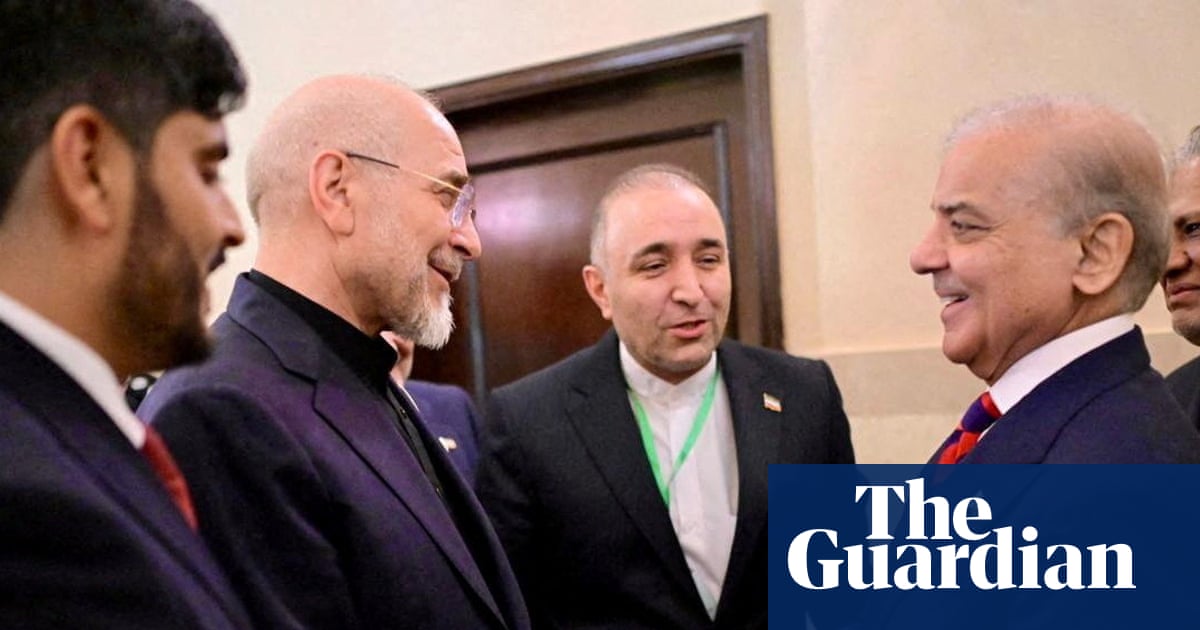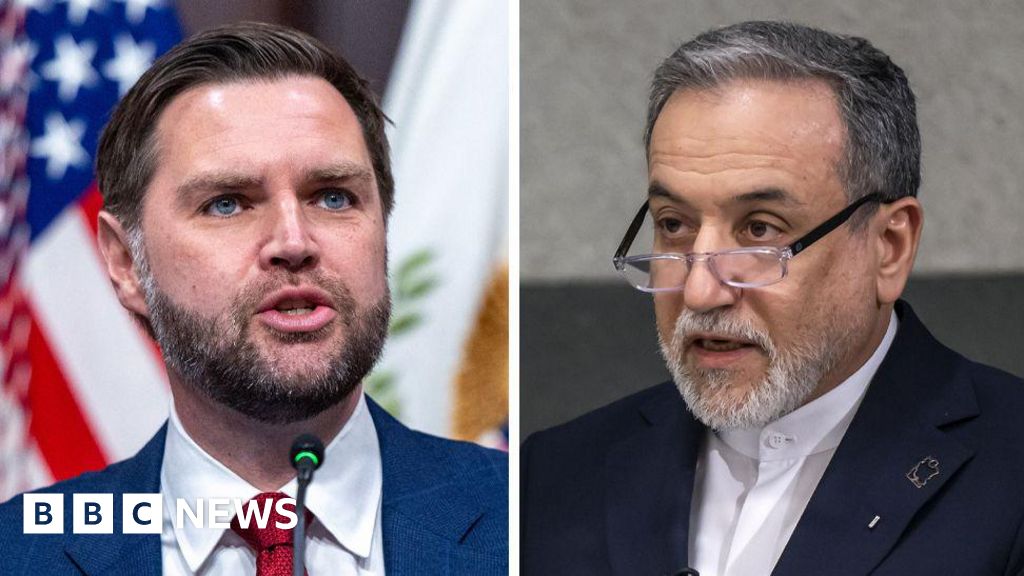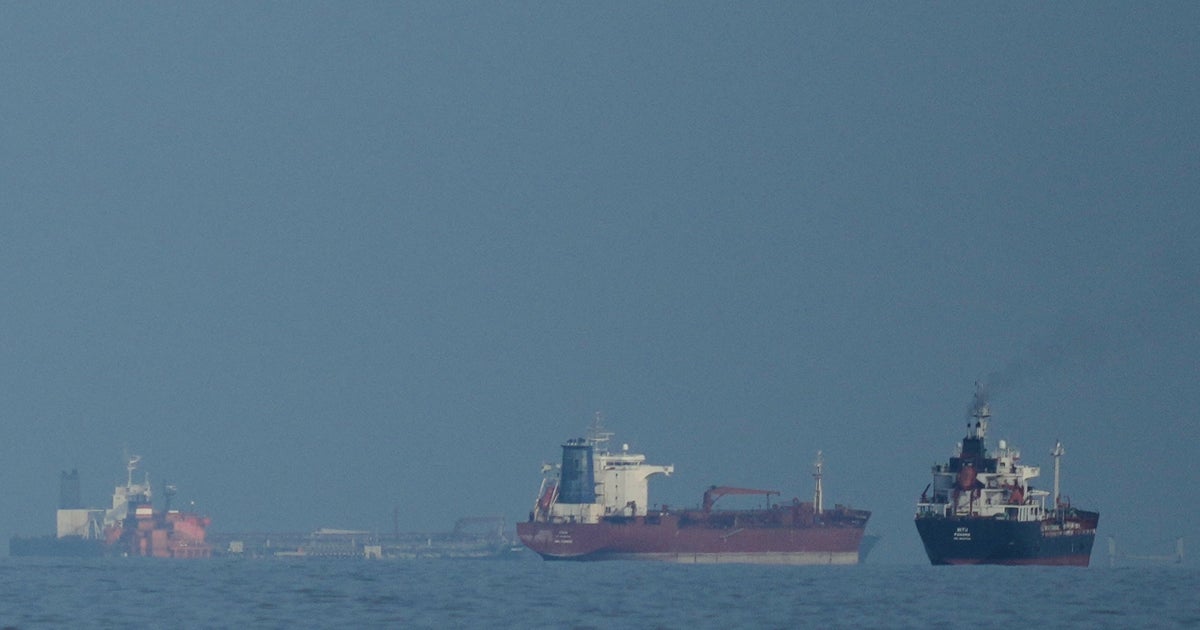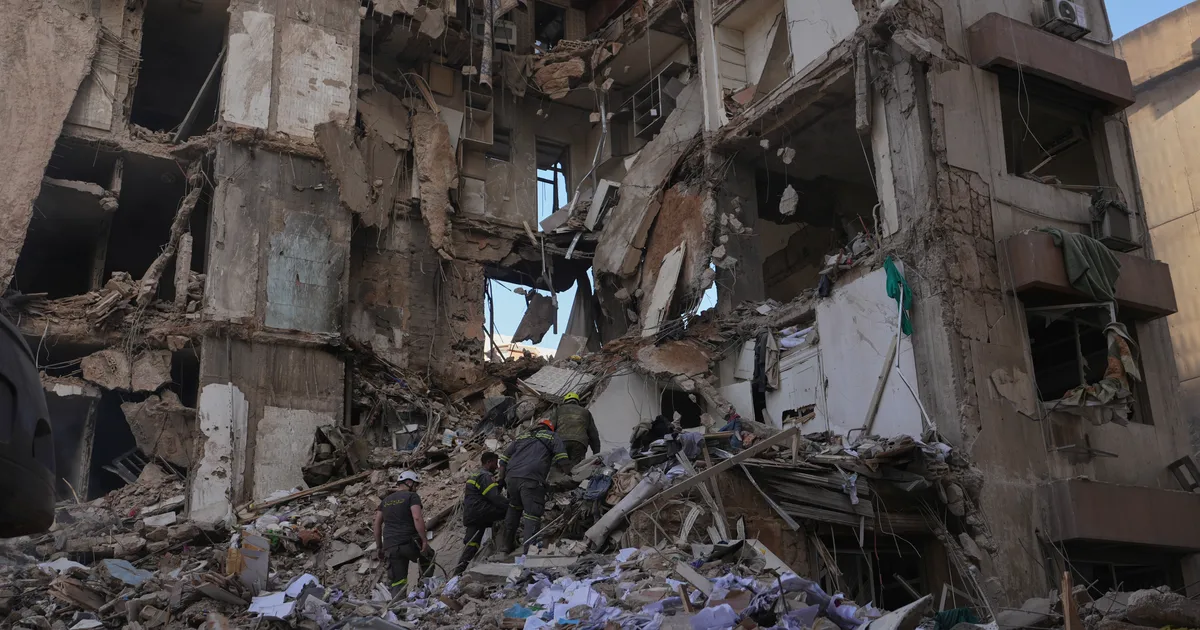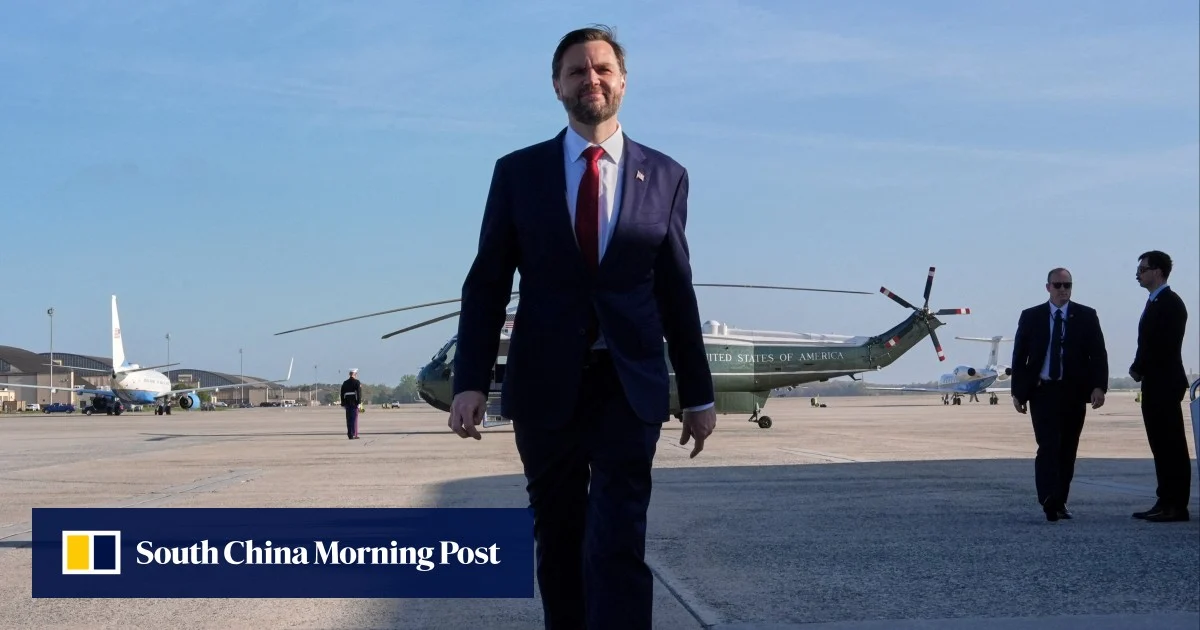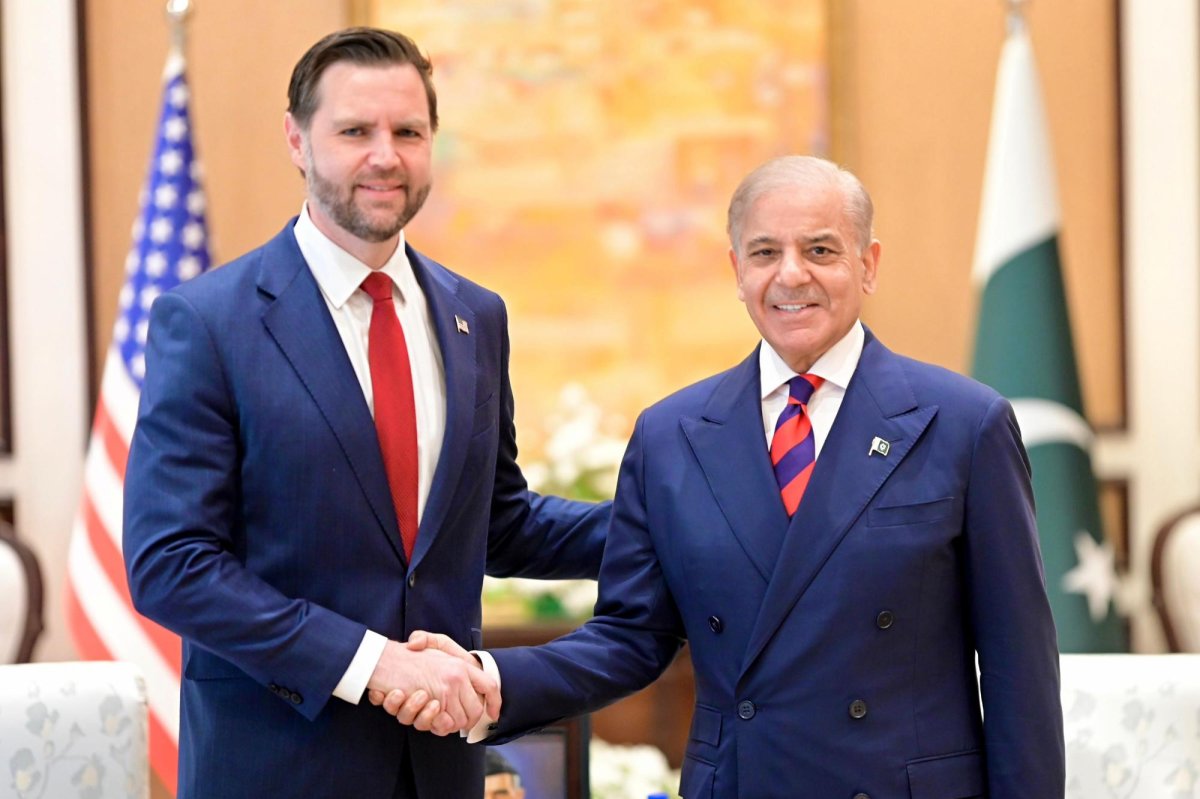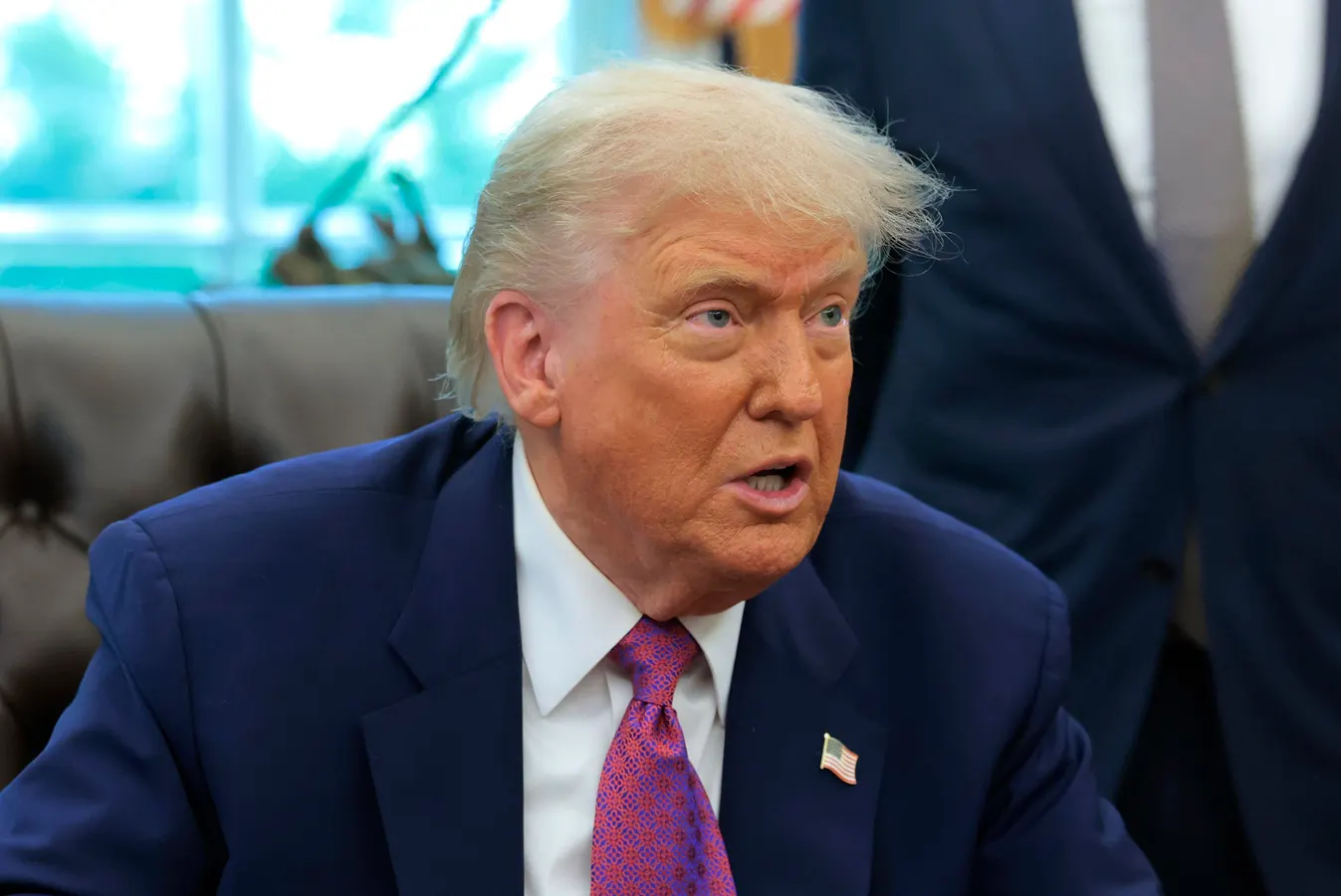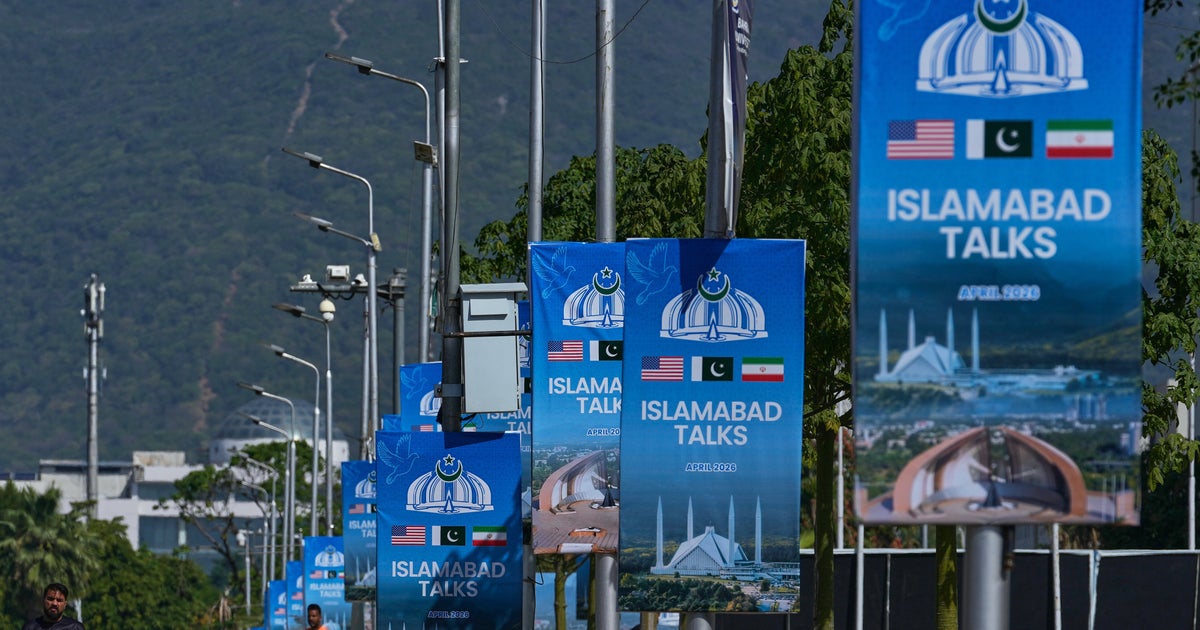
ToplinePeace talks between Iranian officials and a U.S. delegation led by Vice President JD Vance, mediated by Pakistan, could stretch into Sunday after two rounds of negotiations reportedly lasted for hours Saturday, though few details of the discussions have been publicly released.Talks between the United States and Iran began in Pakistan on Saturday. (Photo by Andrew Harnik/Getty Images)Getty ImagesKey FactsTalks could stretch into Sunday, the New York Times reported Saturday afternoon citing Iranian officials and state media, with the Strait of Hormuz remaining a sticking point in the negotiations as the U.S. demands an immediate reopening, while Iran vows to reopen it only after a final peace deal is brokered.Iran also denied a claim the U.S. Central Command made earlier Saturday that two U.S. warships passed through the Strait of Hormuz, supposedly the first to do so since Iran closed the passage last month, after Trump also claimed the U.S. is “clearing out the Strait of Hormuz as a favor to Countries all over the World.”An unnamed Pakistani official told the Associated Press talks between the United States and Iran are “progressing well.” Vance leads the American delegation alongside U.S. envoys Steve Witkoff and Jared Kushner, where they are reportedly meeting with Iranian officials face-to-face in a discussion mediated by Pakistan.Before departing for Pakistan, Vance said he is hopeful talks will be “positive” but warned Iran not to “play us.”American and Iranian leaders met independently with Pakistani mediators earlier Saturday, with Pakistani Prime Minister Shehbaz Sharif calling the negotiations a “make or break moment,” the New York Times reported. Trump, in a Saturday morning post on Truth Social, slammed the “Fake News Media” for suggesting Iran is winning the war “when, in fact, everyone knows that they are LOSING, and LOSING BIG!”Trump claimed Iran’s navy, air force, aircraft apparatus and drone and missile capabilities have been “largely obliterated,” adding the country’s “longtime ‘Leaders’ are no longer with us, praise be to Allah!”Key BackgroundTalks between the United States and Iran come days after Trump announced a two-week ceasefire, halting a threat he had made that a “whole civilization will die tonight, never to be brought back again” unless Iran agreed to reopen the Strait of Hormuz. The ceasefire has proven fragile as strikes have continued in the Middle East, with Israel launching attacks on Lebanon, killing more than 300 people. Iran has said the strikes on Lebanon violate the ceasefire, but the United States and Israel have claimed Lebanon was not a part of the truce. Some world leaders have cast doubt the ceasefire will hold, including Kaja Kallas, vice president of the European Commission and foreign affairs chief of the European Union. Kallas initially praised the ceasefire but warned the Israeli strikes on Lebanon “are putting the U.S.-Iran ceasefire under severe strain.” French president Emmanuel Macron said the ceasefire agreement would not be “credible and lasting” unless it includes Lebanon. German chancellor Friedrich Merz also warned the strikes on Lebanon could “derail the entire peace process.”What To Watch ForNegotiations between Israel and Lebanon could start next week, the Associated Press reported, with Israeli Prime Minister Benjamin Netanyahu saying Thursday he will “open direct negotiations with Lebanon as soon as possible.” Netanyahu also said Thursday Israel will continue striking “Hezbollah with force and will not stop until we restore” security.”TangentAs negotiations begin between the United States and Iran, Trump said in a Saturday morning Truth Social post he is heading to Virginia for meetings at the Trump National Golf Club outside of Washington, D.C. In the same post, Trump attacked Virginia Gov. Abigail Spanberger, accusing her of levying taxes and forcing Virginians to flee the state. Further ReadingKeir Starmer Questions Trump’s Values—As Global Leaders Express Distrust Of Iran Ceasefire (Forbes)
U.S.-Iran Peace Talks Stretch Into Sunday—As Iran Denies U.S. Navy Destroyers Passed Through Hormuz
An unnamed Pakistani official reportedly said earlier Saturday talks between the United States and Iran are “progressing well.”
619 words~3 min read