A battle over in-state tuition for undocumented students has been heating up nationwide.
At least 22 states and the District of Columbia allow students — including those in the Deferred Action for Childhood Arrivals program, who are known as “Dreamers” — to pay in-state tuition at public colleges, regardless of their immigration status, according to the National Immigration Law Center. In order to qualify for the benefit, students generally must have attended a high school in the state for a certain number of years and graduated.
For more than two decades, this has been a pathway to a postsecondary education for students who might otherwise be priced out of college.
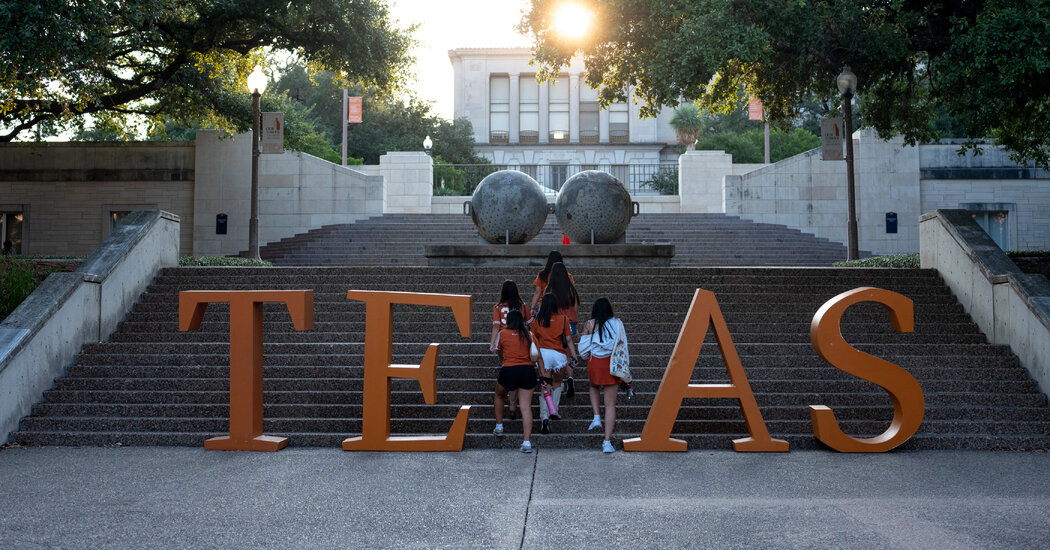
Initially, such policies had bipartisan approval. Texas was the first state to pass a law to allow undocumented students to qualify for in-state tuition through the Texas Dream Act in 2001.
“This policy allowed for other states to pass an in-state tuition policy and since then 25 states have followed suit,” said Gaby Pacheco, president and CEO of TheDream.US, an immigration rights nonprofit. “Trying to ensure that dreamers had access to higher education had a lot of support, but it took years, in some cases, to pass such laws.”