For the super-rich with cash to burn, all those Rolexes and rare Labubus may not fill the void. But for me, a little goes a long way
W
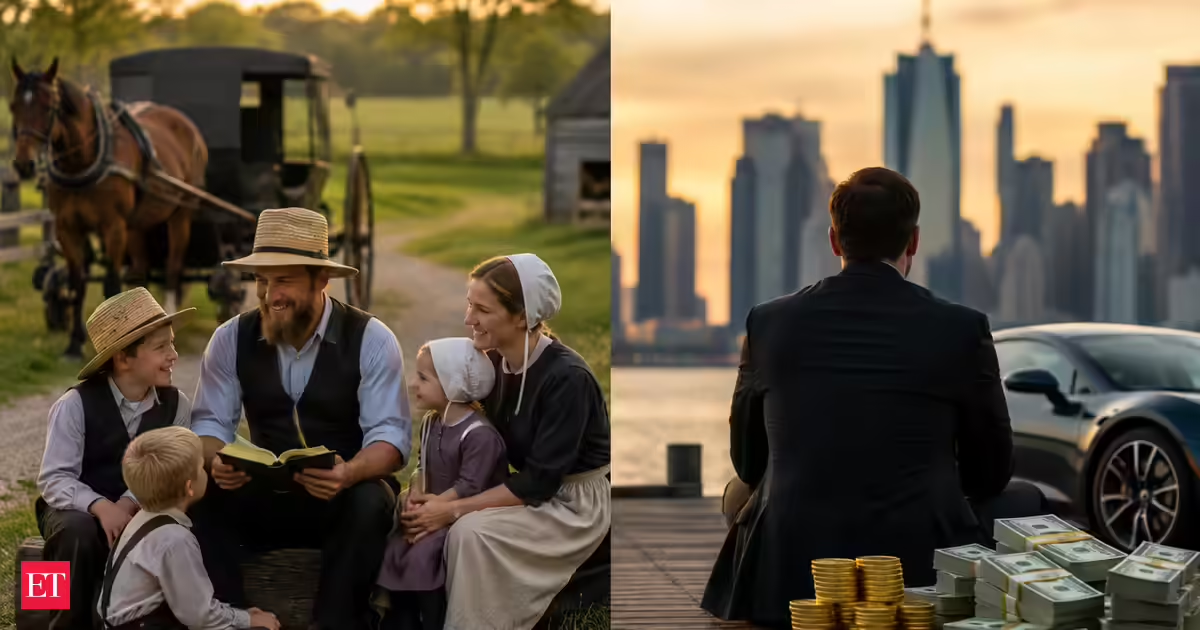
hen wages have stalled for nearly 20 years and I recently came face to face with a tube of toothpaste that was nearly £7 in my local Sainsbury’s, the idea that money can’t buy happiness seems almost offensive. It ultimately comes from a blinkered concept of what money can do. Sure, if you only use your money to buy things, the happiness it provides will be shallow and fleeting.
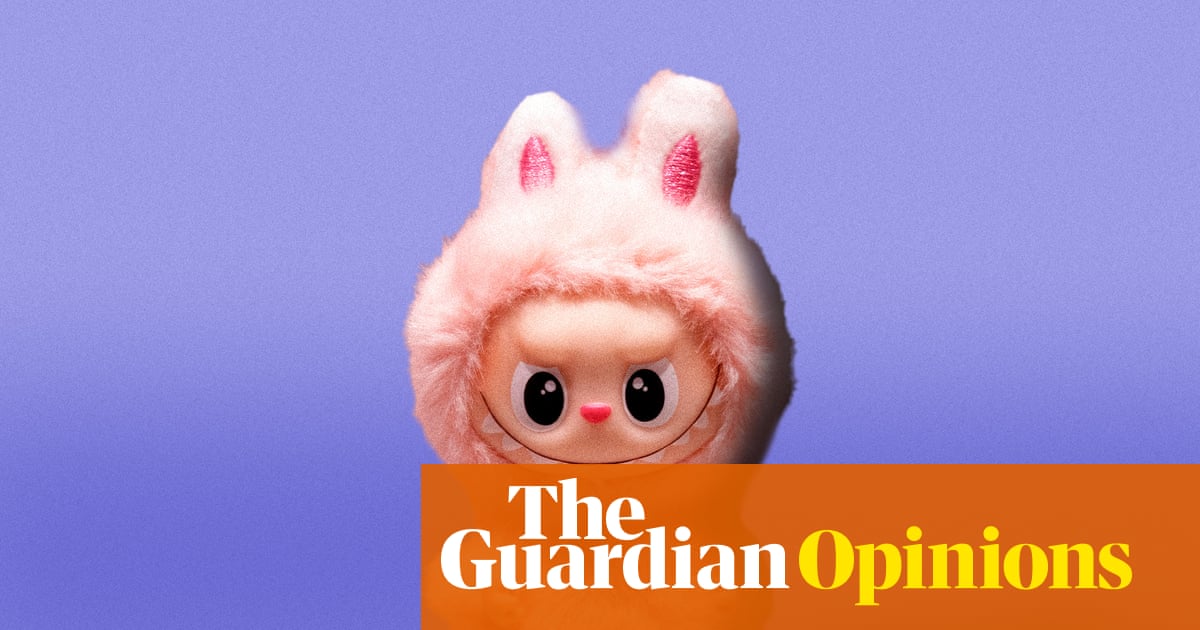
Having said that, I refuse to believe there’s a single person out there overpaying on rent who wouldn’t be happier if they owned a house outright. Loosely speaking, yes, Rolexes and rare Labubus have nothing on, say, spending quality time with the people you love. But sadly, the latter costs money, too. Free time is part of a growing number of basic human needs that have become more or less commodified, and under whatever wacky stage of capitalism we’re currently at, more money equals more time to pursue your interests and ultimately find meaning in life.
As yet another person diagnosed with attention deficit hyperactivity disorder, I’m something of an expert on dopamine. Not the science of it per se, but I know where to get it, how much it costs and what sorts of things are likely to give me a slow, steady and prolonged supply of it, as opposed to a quick hit.