"Without water, there would be no wine," Virginia de Valle says as she takes me around her family's 16-hectare (40-acre) vineyard in Mendoza, nestled below the peaks of the Andes mountain range.
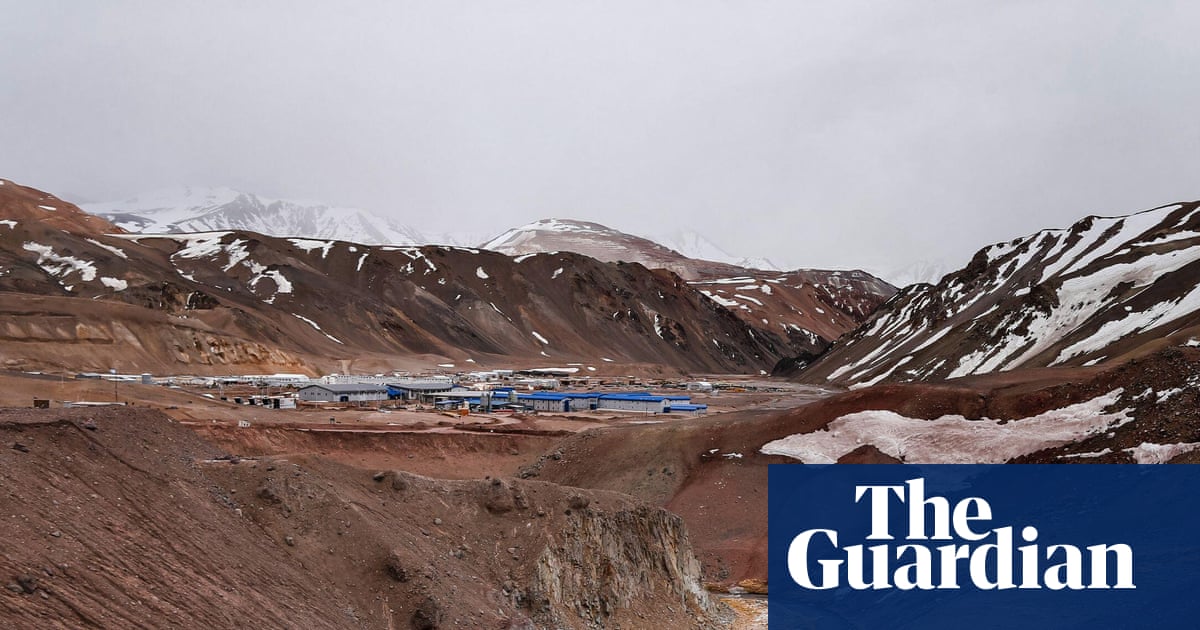
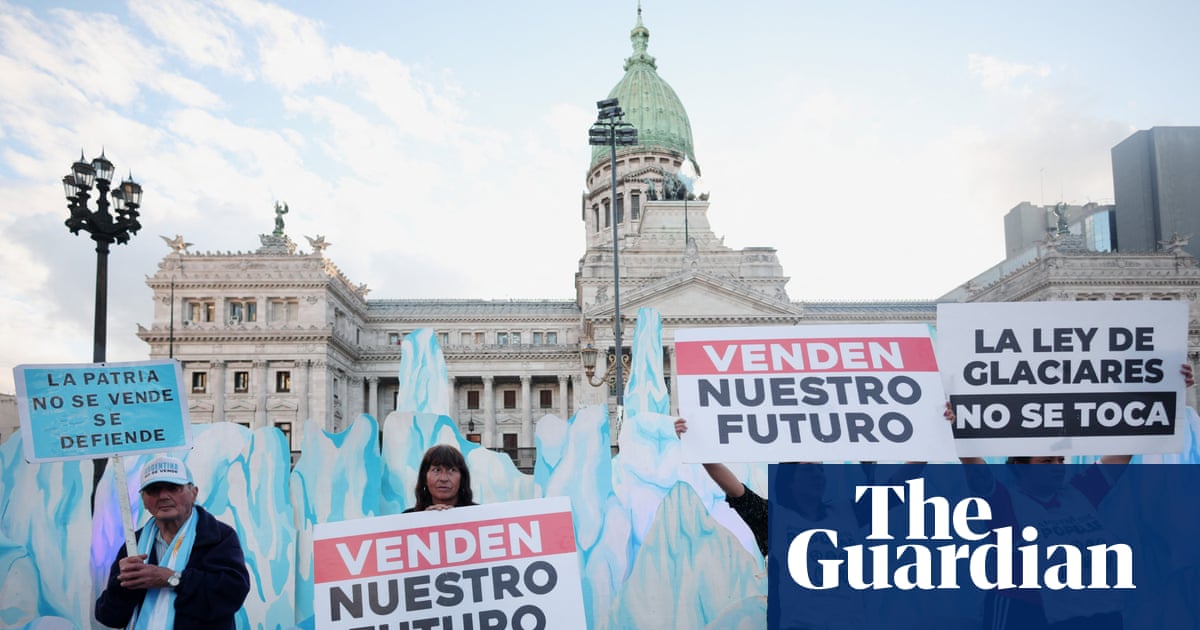
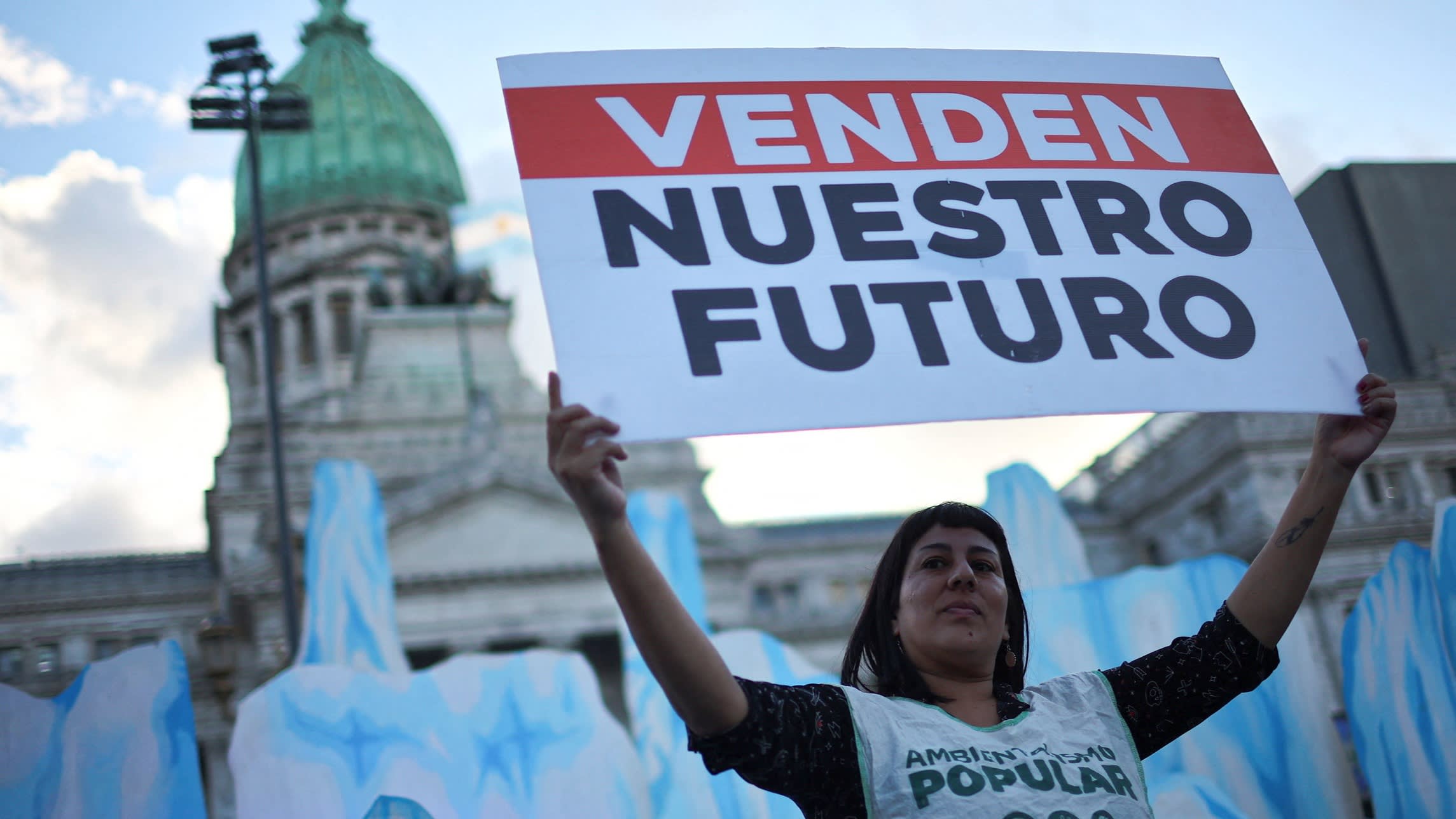
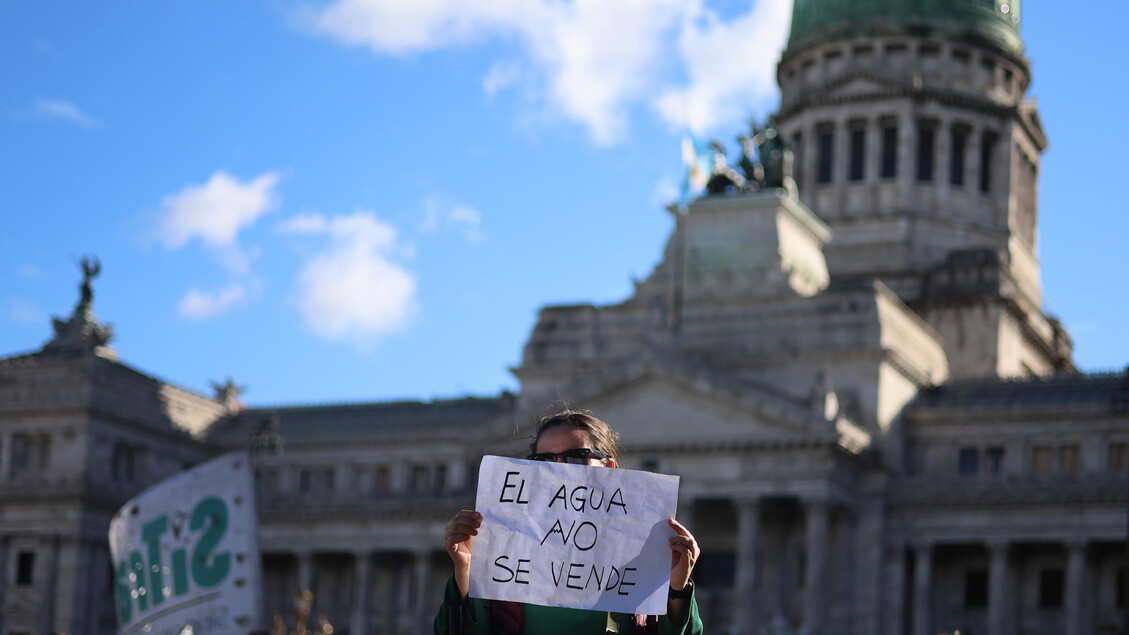
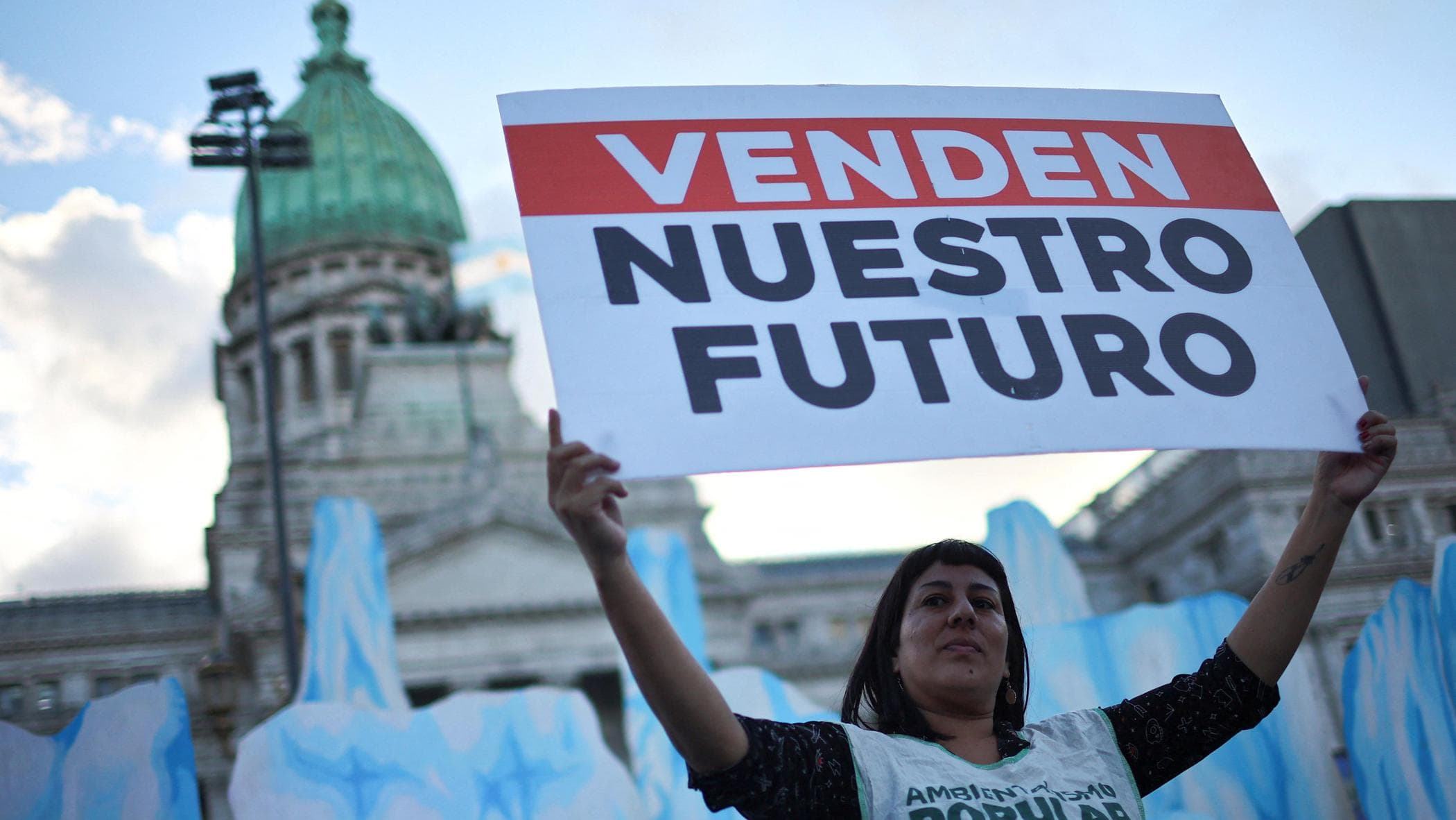
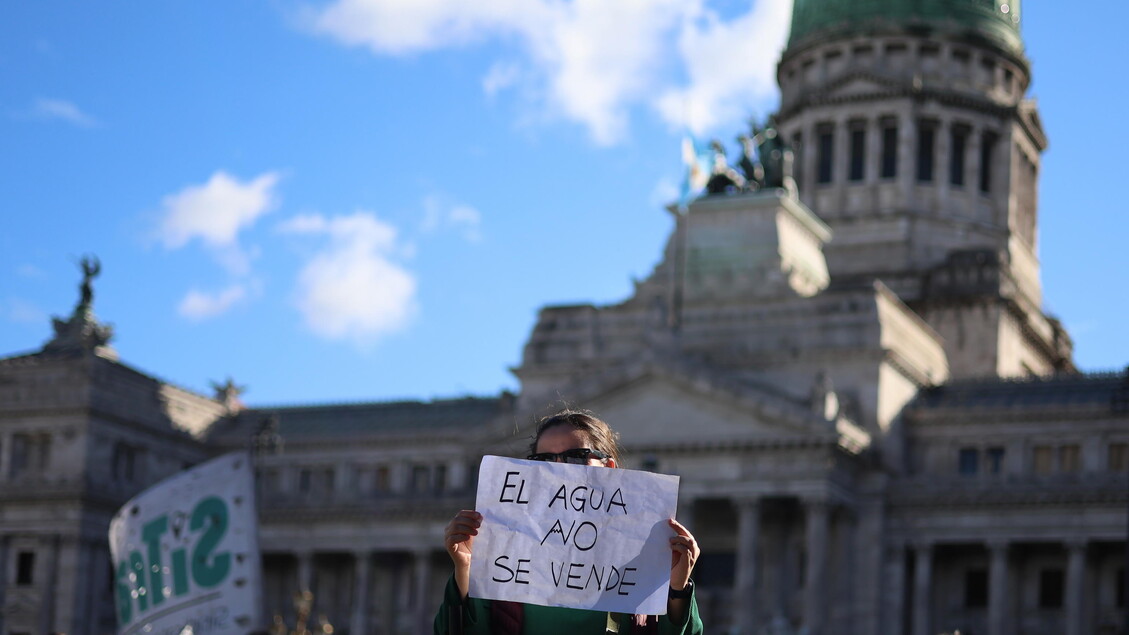
Winemakers in Argentina's wine capital rely on fresh water from the Andes mountains to irrigate their crops. But after Argentine MPs this week passed government reforms to loosen the protection of glaciers, De Valle fears her vineyard's water supply is under threat.
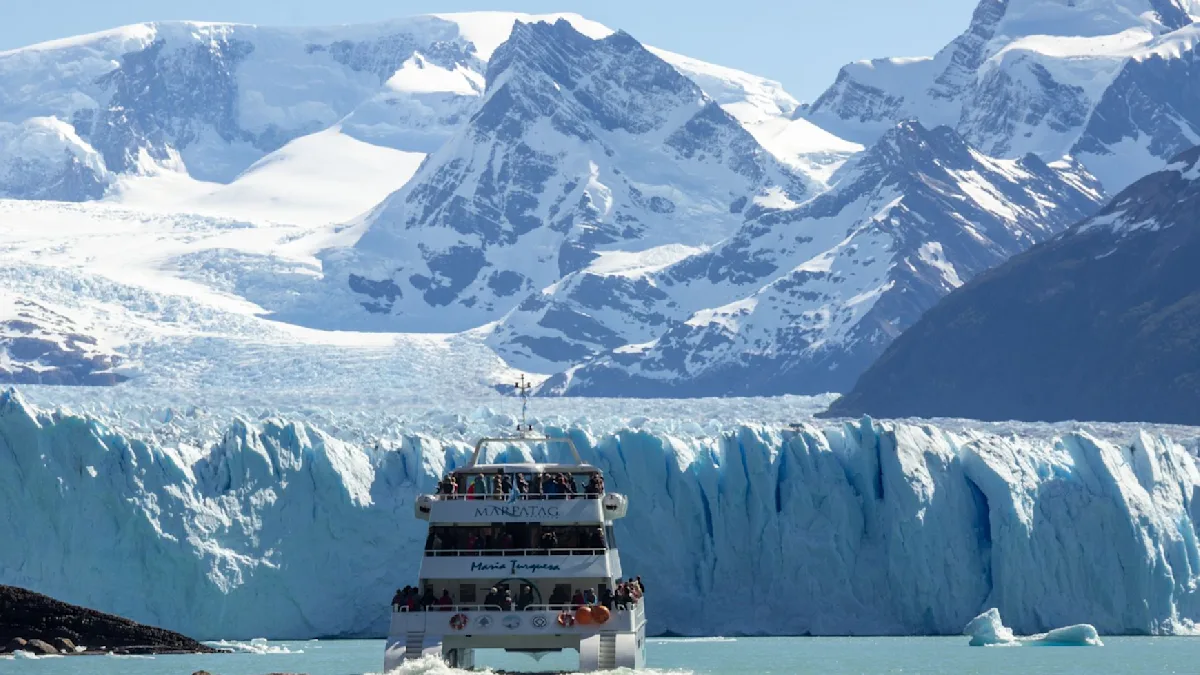
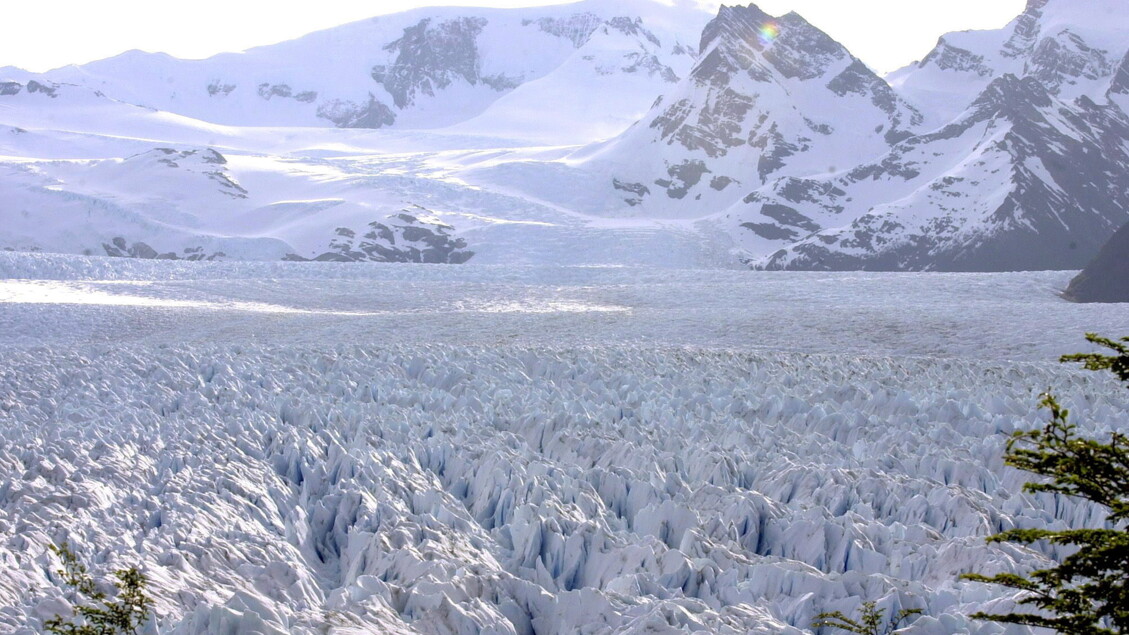
"The Andes mountains, with their winter snow and glaciers, feed the rivers and streams that flow into the valley to irrigate our crops," she explains. "This is also the water we consume in our homes. That is why people say 'Mendoza is the daughter of water'."
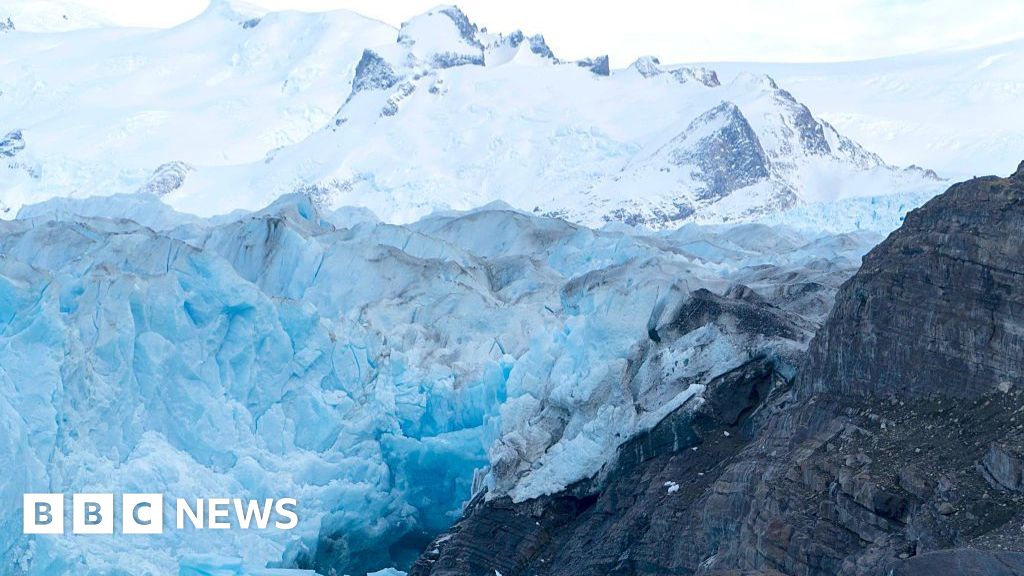
While snow in the Andes mountains is the primary source of water for Mendocinos, in years with especially low rain and snowfall, water from melted glaciers (permanent bodies of dense ice) helps to minimise the impact of droughts - increasingly common in Mendoza - and keep vineyards like De Valle's fruitful.
"Every drop of water counts," she says.