Vice-president’s war doubts and his boss’s desperation to reopen Red Sea look like a weak deck against bolstered opponents
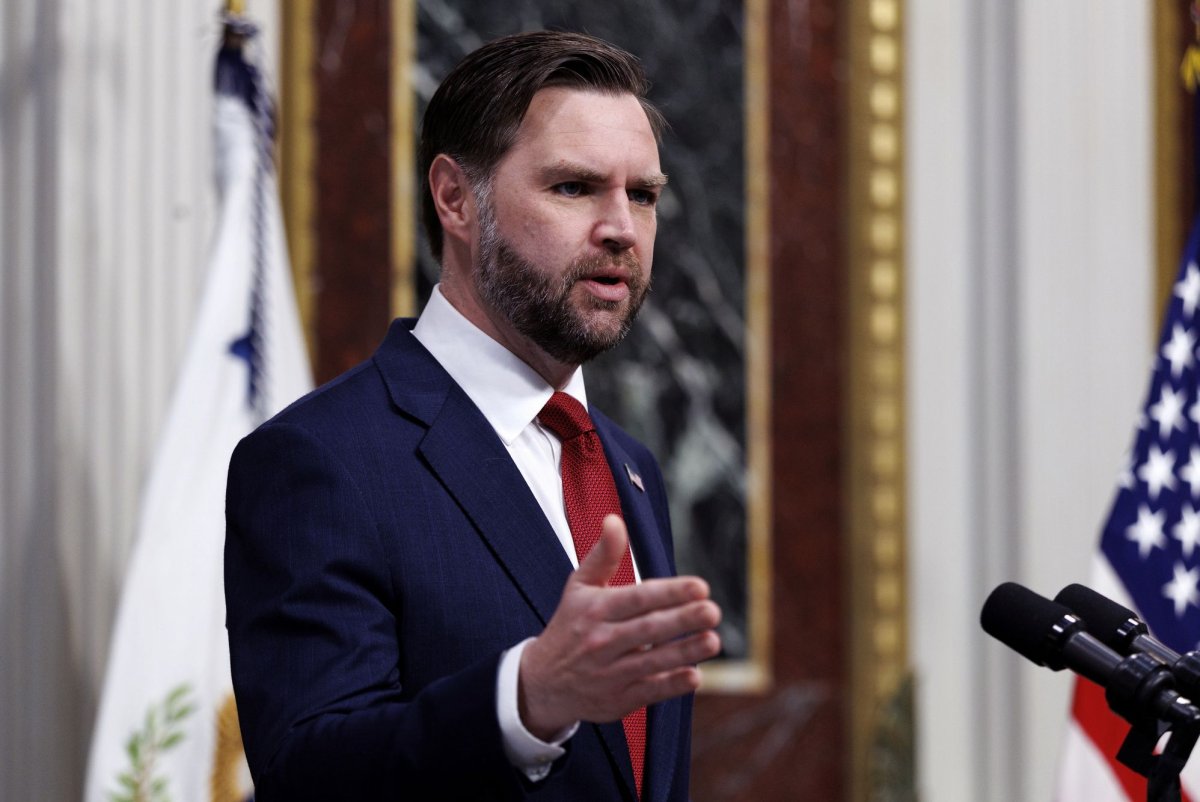
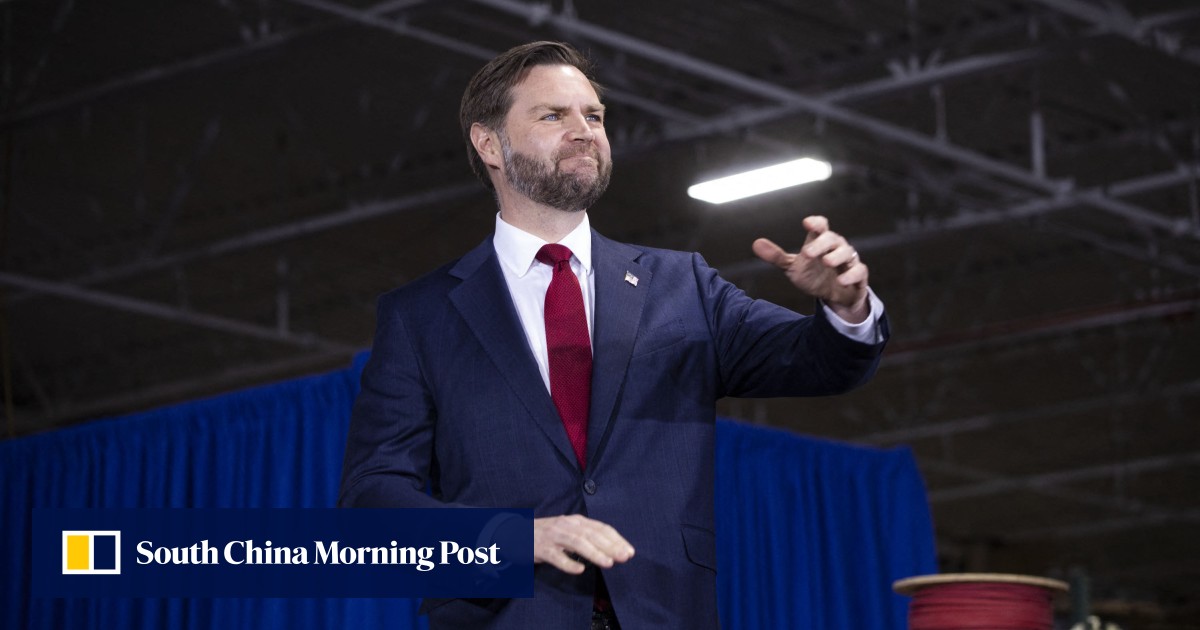
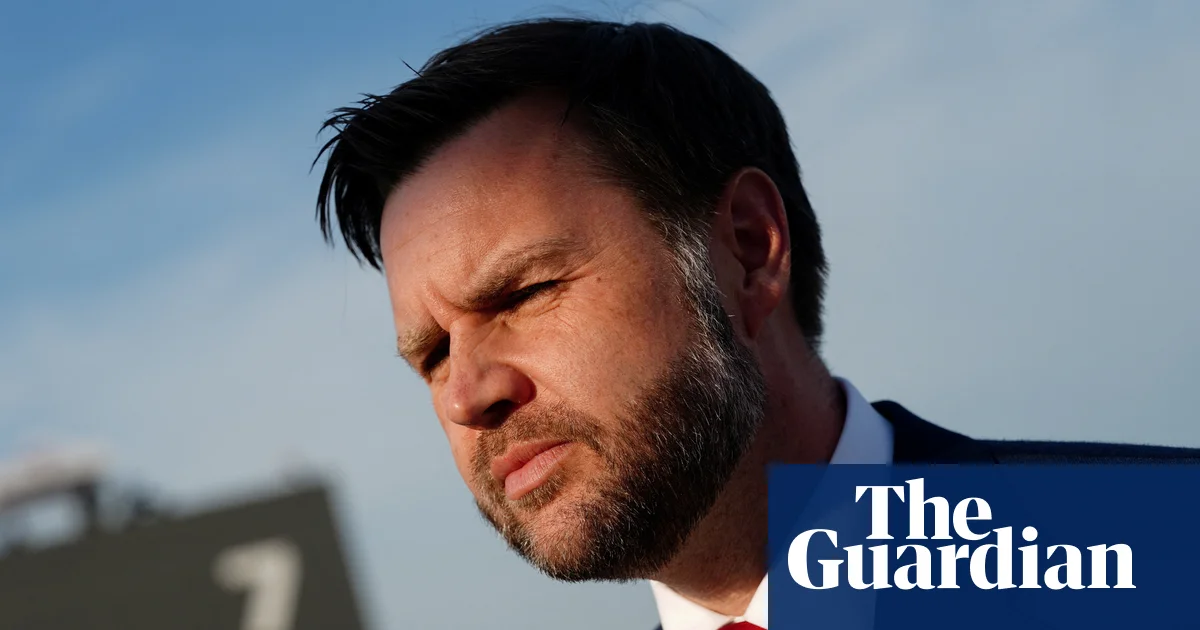
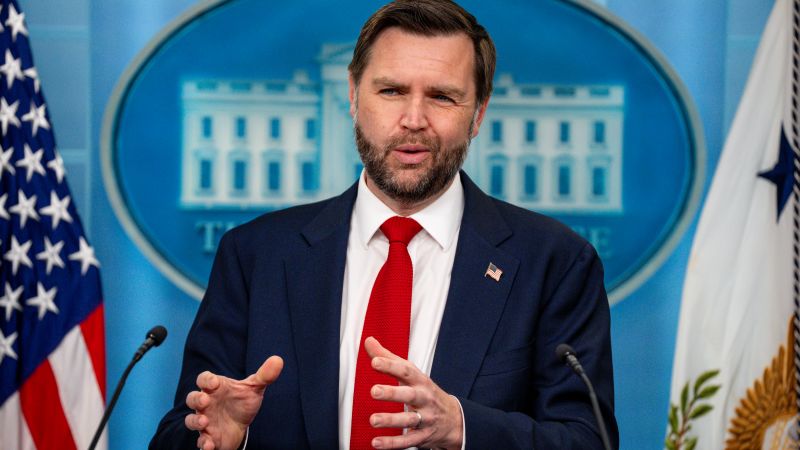
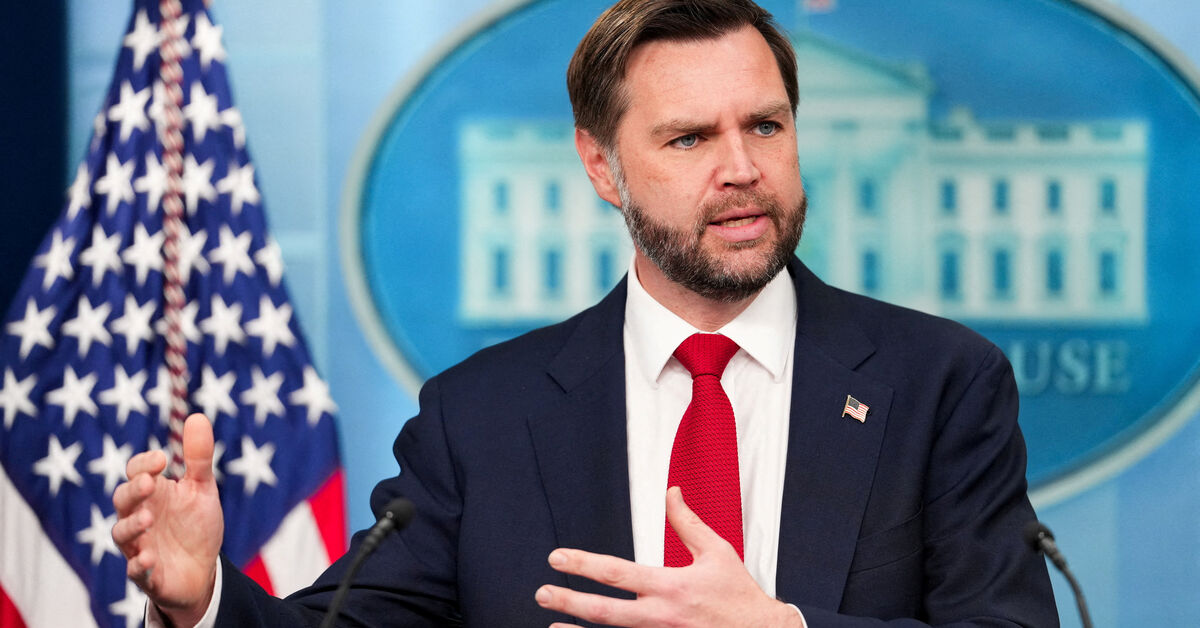
As JD Vance arrives in Islamabad to negotiate a peace deal with Iran, his first high-profile assignment of the war looks to be a poisoned chalice.
Vance, a vocal opponent of US wars in the Middle East gone quiet since the beginning of the current military campaign, will now face off with Iranian negotiators who feel emboldened by their new control of the Hormuz strait and their resilience in the face of the largest US-Israeli onslaught in history. Vance’s presence at the talks as vice-president will make it the highest-level meeting since the Iranian revolution of 1979.
Vance’s task is straightforward enough: to bridge the gap between a rhetorical ceasefire in serious peril and a more durable peace. But Vance will be face a difficult choice in Islamabad: to either undersign considerable US concessions to Iran in order to hold the ceasefire and negotiate the opening of the strait of Hormuz – or effectively cut off negotiations, personally backing a return to war that is unpopular with the American public.
The results could have a considerable impact on his expected run for the presidency in 2028, where his Maga credentials are already in question for failing to offer a more full-throated opposition to the war. Vance entered office calling for a more restrained foreign policy and an end to US forever wars in the Middle East – but the negotiations could drag him further into the largest US intervention in the region since the beginning of the Iraq war.