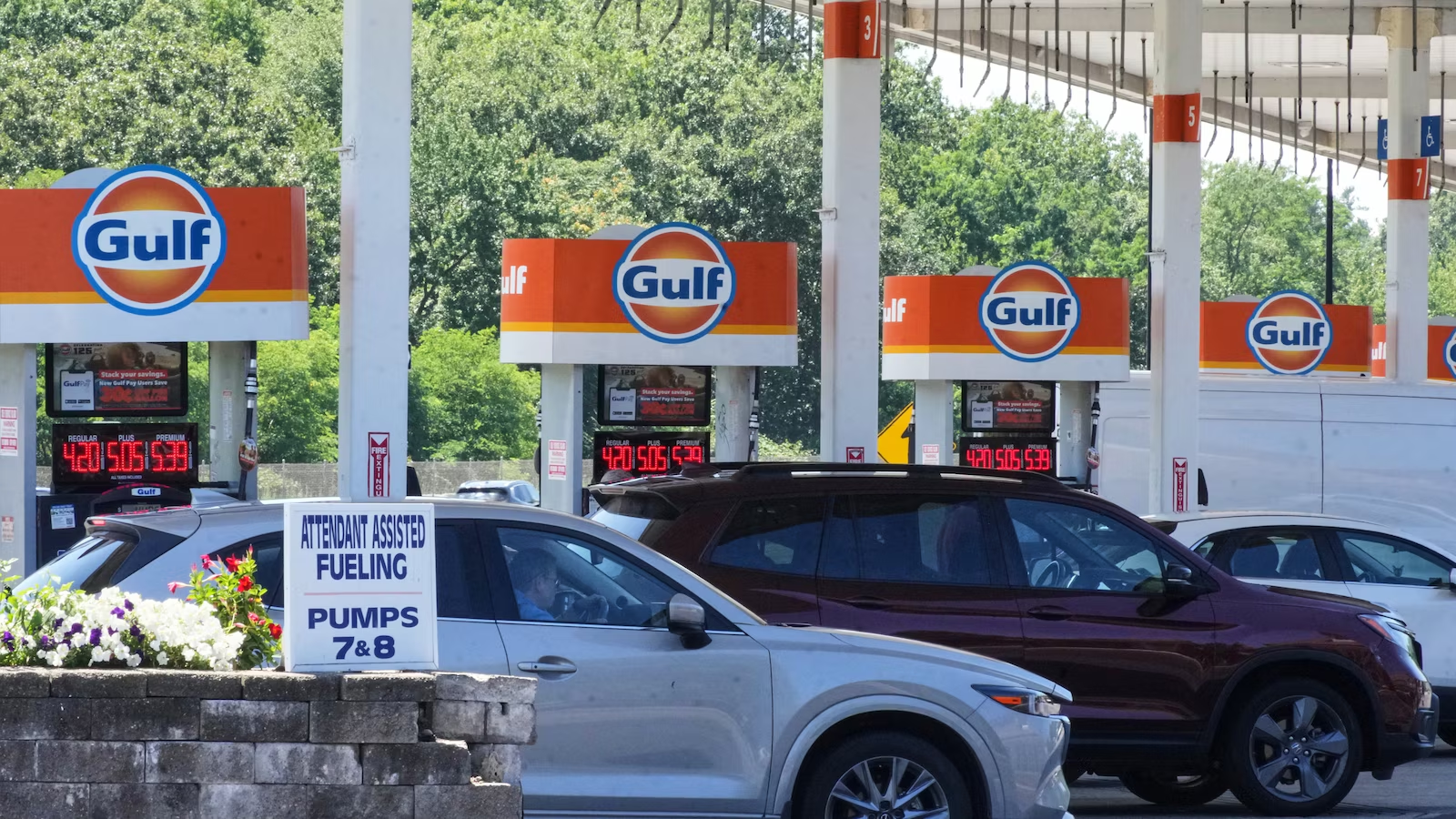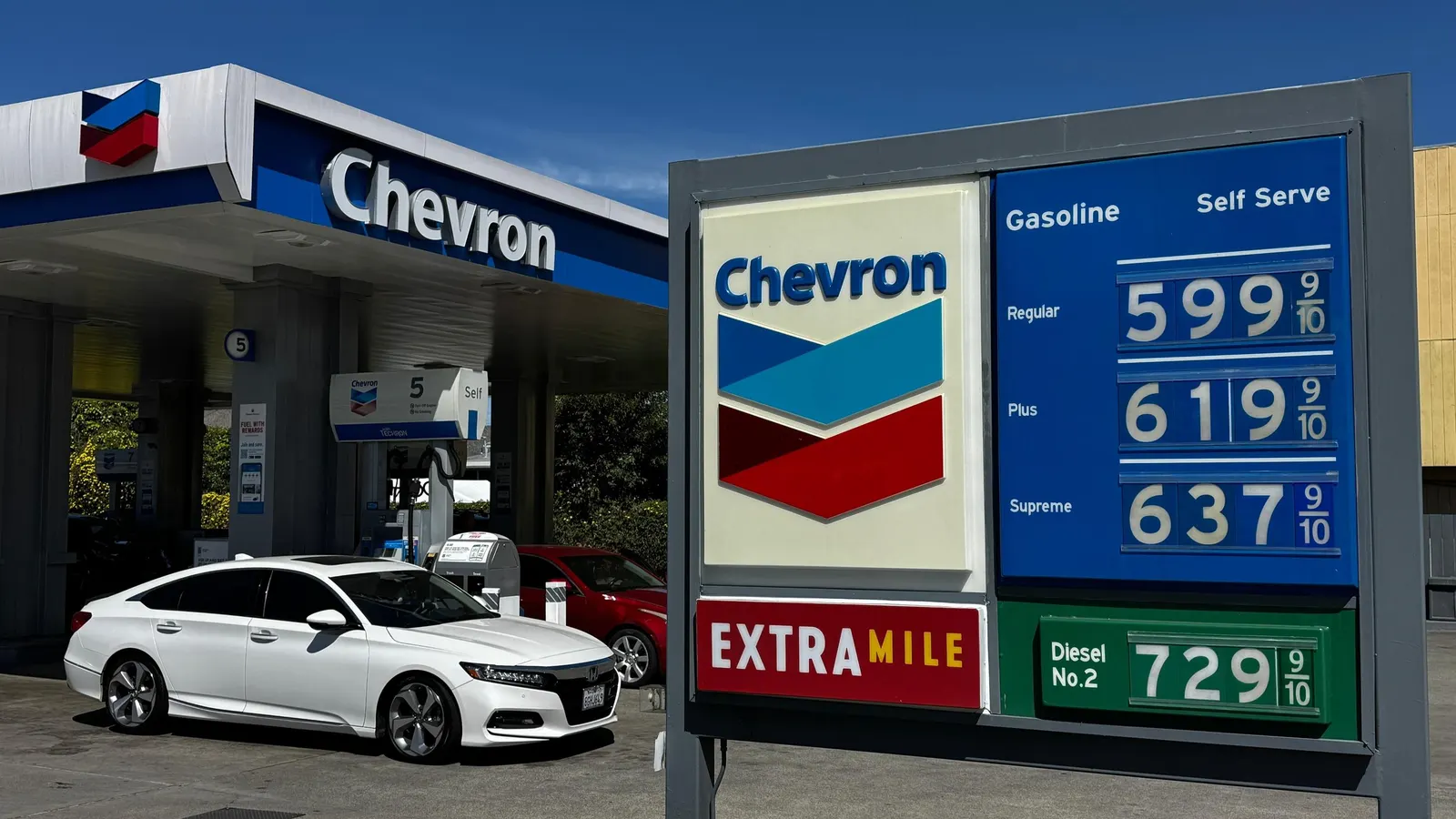
ToplineAmericans’ views on the U.S. economy fell to an all-time low in April, according to a widely tracked survey released Friday by the University of Michigan, as more consumers expressed fears over the possible economic impacts of the Iran war. Most respondents in a survey pointed to the Middle East conflict bringing “unfavorable” changes to the economy.Associated PressKey FactsConsumer sentiment, a monthly survey of Americans’ views on the economy, plunged to 47.6 in April, the University of Michigan reported, down from March’s 53.3 and an expected reading of 52.That surpasses the survey’s all-time low of 50 reached in June 2022 and recent lows last year, during which consumer sentiment fell to as low as 50.3 in November.About 98% of interviews for the survey were completed before a ceasefire was announced earlier this week, survey director Joanne Hsu said.Any value below the survey’s historical benchmark of 100 corresponds with growing pessimism among Americans, whereas any reading above—last occurring in 2018—points to broader optimism.Why Are Americans Pessimistic About The Economy?Americans anticipate the Iran war disrupting consumer prices and their personal finances: Respondents said they expect costs to rise 4.8% over the next year, above March’s 3.8% forecast, marking the largest single-month increase since April 2025, Hsu said. Assessment of personal finances dropped 11% as consumers expressed a “substantial” increase in concerns over high prices and weaker asset values. Consumers largely blamed the Iran war for “unfavorable changes” to the economy, Hsu said, noting it’s likely economic expectations improve as supply disruptions stemming from the conflict, resulting in lower gas prices, are resolved.TangentAnnual inflation surged to 3.3% in April and 0.9% from March to April, the Bureau of Labor Statistics reported. A broader increase in consumer prices came as the agency’s energy index, which tracks prices for fuel and energy utilities, like gasoline, increased by 10.9% month-to-month, the largest single-month increase for the index since 2005. Gasoline and fuel oil prices surged by 21.2% and 30.7% in the month, respectively, while annual fuel oil costs skyrocketed by 44.2%. Key BackgroundFears about the Iran war’s impact on consumer prices have spread in recent weeks, as oil prices settled above $100 for most of April. Analysts have warned that a ceasefire reached earlier this week doesn’t represent an “all-clear signal” for investors, and Goldman Sachs partner Rich Privorotsky said similar deals are “fragile by definition. Concerns have also spread that oil flows through the Strait of Hormuz—the waterway used as a passage for roughly one-fifth of the global oil supply—will likely take months should a long-term deal be reached, suggesting oil and gas prices may take time to return to pre-war levels.Further ReadingForbesEconomic Confidence Jumps Unexpectedly Among Americans—But Concerns Rise Over InflationBy Ty Roush
Iran War Tanks Americans’ Economic Confidence To All-Time Low
Most respondents in a survey pointed to the Middle East conflict bringing “unfavorable” changes to the economy.
449 words~2 min read