Trump’s missile-rattling isn’t helping anyone. At least that makes it easier to explain the world to my kid
W
ere you bullied as a child? If so, congratulations. You are probably pretty interesting, or maybe you have an extreme body odor problem. Either way, you were noticeable enough to warrant being picked on by someone with extreme self-loathing or an even worse body odor problem. That’s the nature of bullying, though. The fact that you’re a target at all is a sign that something about you is remarkable. Total feckless duds don’t get bullied; they fade into the background, then become Democratic senators.
The aim of the bully is to bring down someone they’re threatened by, to assert their dominance over a person who reflects their insecurities back on them so that they might feel more powerful while applying a vicious wedgie. I wasn’t bullied so much as teased verbally for being eccentric, biracial, vegetarian and not particularly tough. I also had a lisp thanks to having a gap in my front teeth for years prior to my parents mercifully getting me braces in middle school. I was an easy punchline for anyone looking to score points during lunch in the quad.
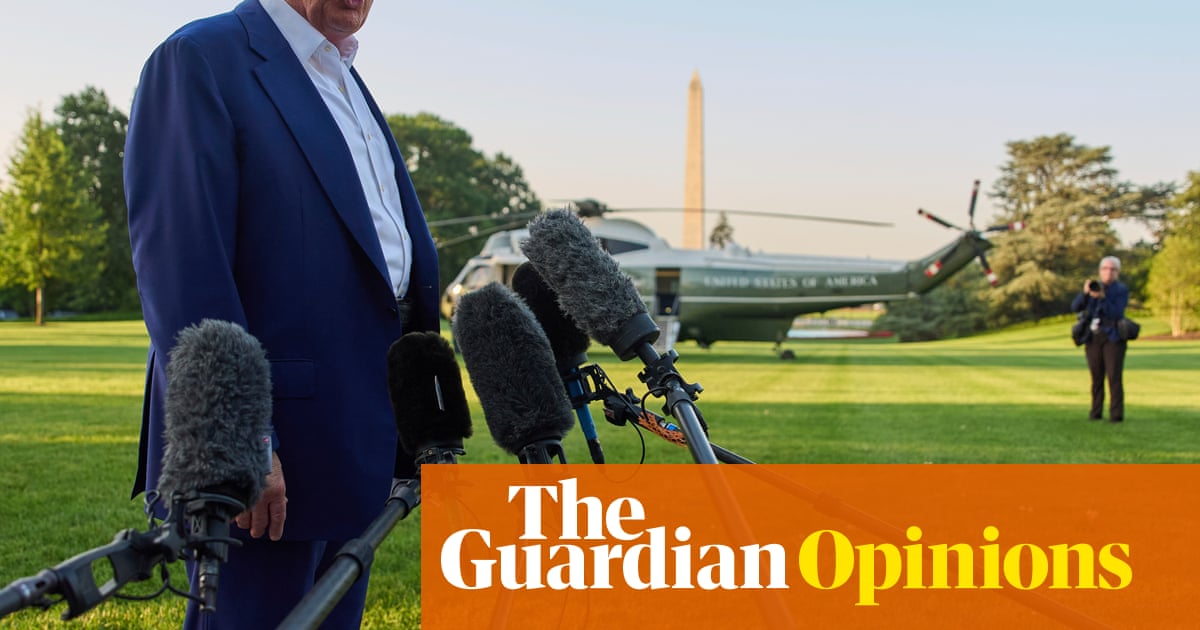
Bullying is a valuable tool to get what you want when you’re 12, but I’m not so sure that it’s helpful in foreign policy. The second Trump administration has wielded bullying more than ever recently, especially overseas. Threatening Greenland, Canada, immigrants, queer people, and pretty much anyone remotely interesting in the world. Trump’s gone from threatening to revoke Rosie O’Donnell’s citizenship to threatening to wipe Iran off the face of the planet for funsies. The latter threat was, of course, delivered via social media – a communications platform designed primarily for bullying the most people possible. Social media allowed bullying to go global.