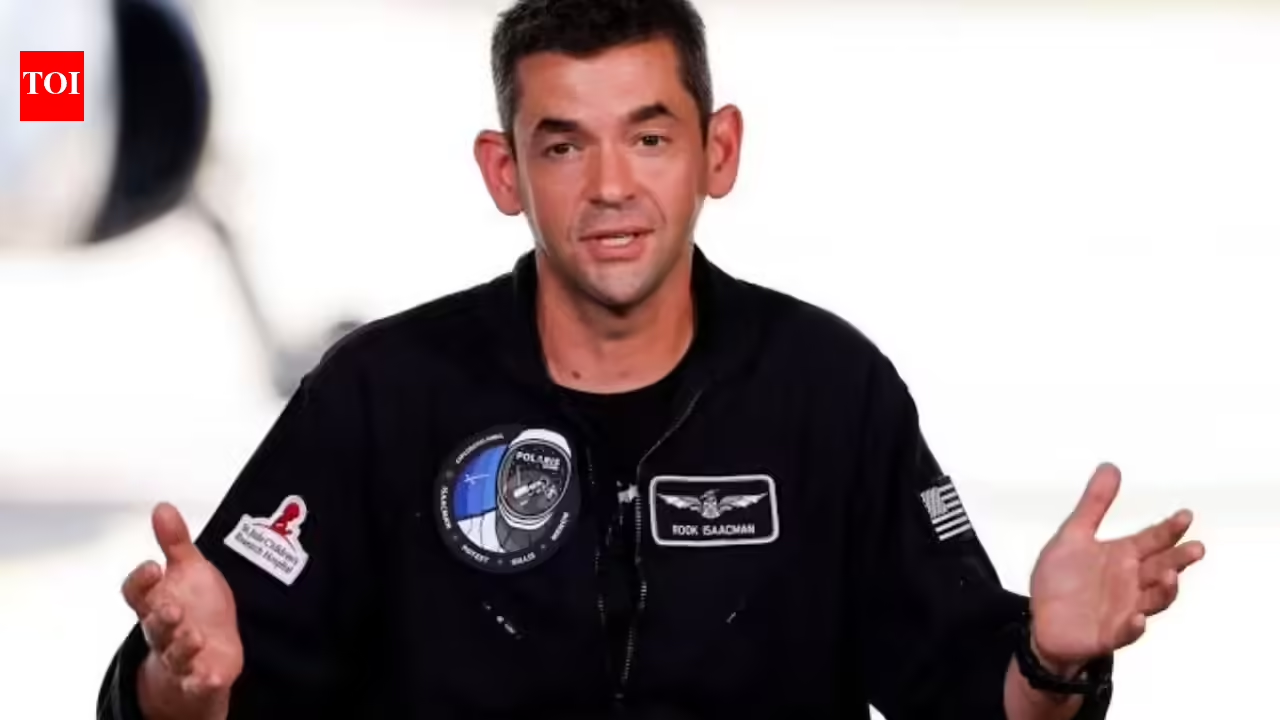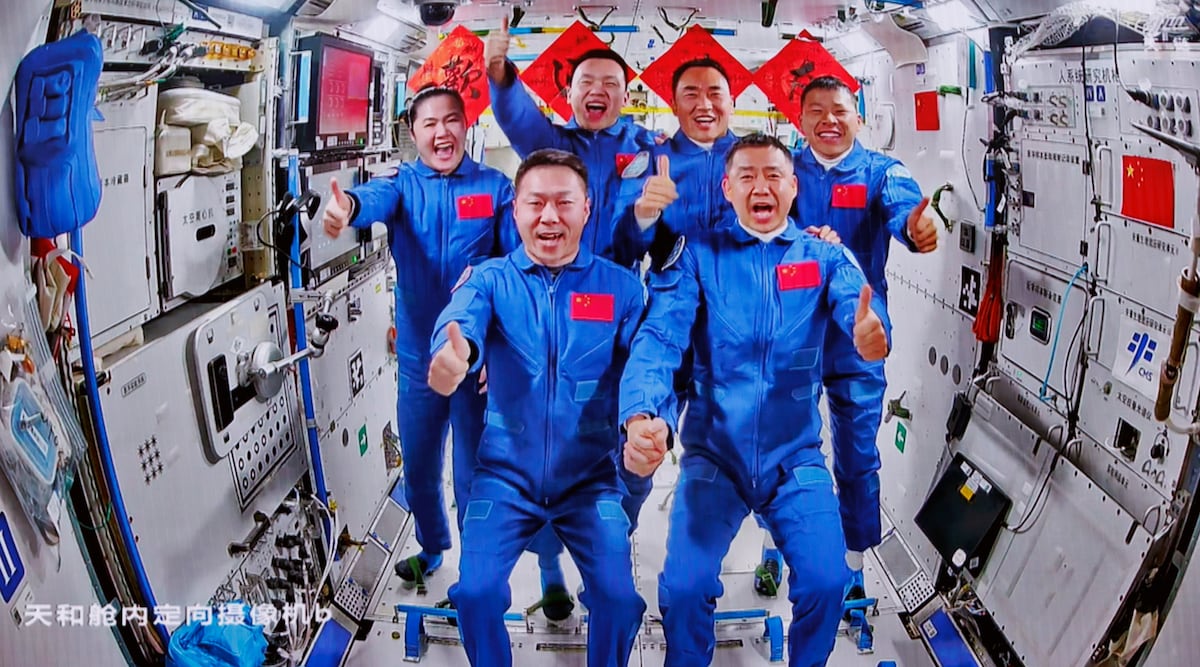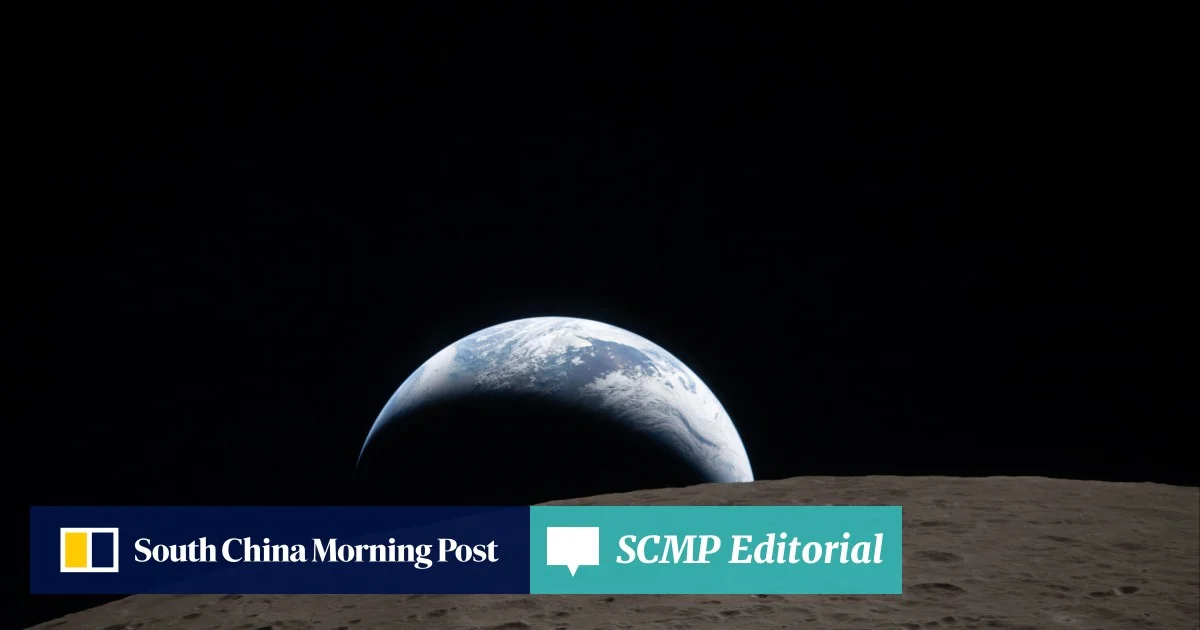
In an ideal world, China and the United States, the two pre-eminent spacefaring nations, would cooperate to explore humanity’s final frontier. In the real world, though, the two countries have started a new space race just as they compete in everything else. That’s one reason why Nasa’s latest Artemis mission to the moon has gained worldwide attention, not least from China’s space science community.While both sides are trying to beat the other to return humans to the moon, the stakes are even higher than in the last race between the Soviet Union and the US.The technologies involved are much more sophisticated, and the outcomes will rebound to Earth. By possibly building lunar infrastructure and exploring energy resources, this could be a new stage of great power contests in extraterritorial colonisation. Settling on the lunar surface will offer a leg up for manned missions to Mars.Nasa head Jared Isaacman has made it clear that the US intends to beat China, having declared that Nasa plans to return Americans to the moon before the end of President Donald Trump’s term, which will be in January 2029.“Our great competitor said before 2030,” he said, referring to China. “The difference between success and failure will be measured in months, not years.”It is, of course, as much a political statement as a technical mission declaration.
Editorial | New space race should be recognised as a marathon, not a sprint
In lieu of cooperation, perhaps friendly competition between the spacefaring superpowers can ensure exploration benefits humankind.
220 words~1 min read