Gay, fearless and utterly unique, Thornton had a hit with Hound Dog before Elvis – but was then fleeced and forgotten. One hundred years after her birth, a new documentary sets the record straight
W
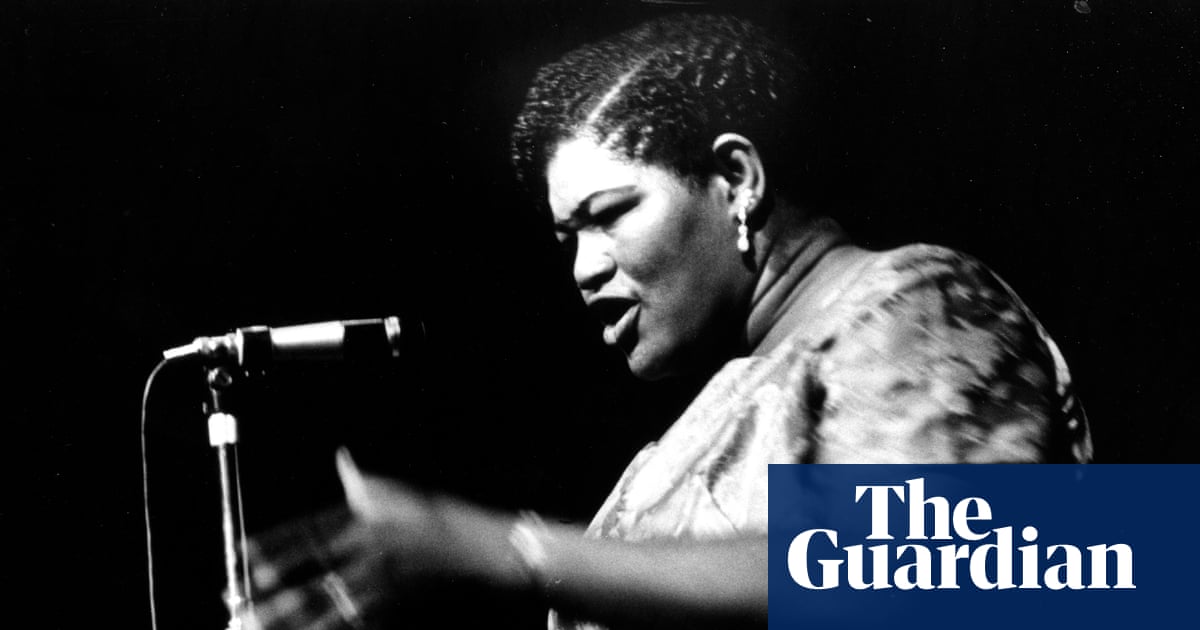
illie Mae “Big Mama” Thornton exuded uncompromising intensity. Her voice conveyed struggle and defiance, fury and hurt, like few others. Standing at 6ft 2in, with an imposing physique and a razor-scarred face, she was a Black, gay multi-instrumentalist who refused to let a racist society or a rapacious industry confine her.
Thornton should be ranked alongside the likes of Billie Holiday and Nina Simone, but instead she is little more than a footnote in the histories of Elvis Presley and Janis Joplin as the original voice behind songs they would make famous. A new documentary, Big Mama Thornton: I Can’t Be Anyone But Me, aims to right this wrong.
“She was unique,” says Robert Clem, the documentary’s director. “A female artist who lived by her own rules in a very reactionary era. And fearless – she stood up to men who tried to rip her off, sang in maximum security prisons, learned to play drums because she got tired of drunk drummers. There’s so much to admire about Big Mama.”