Texas city believes loose rules and low taxes will make the US’s biggest banks come running – can it pull it off?
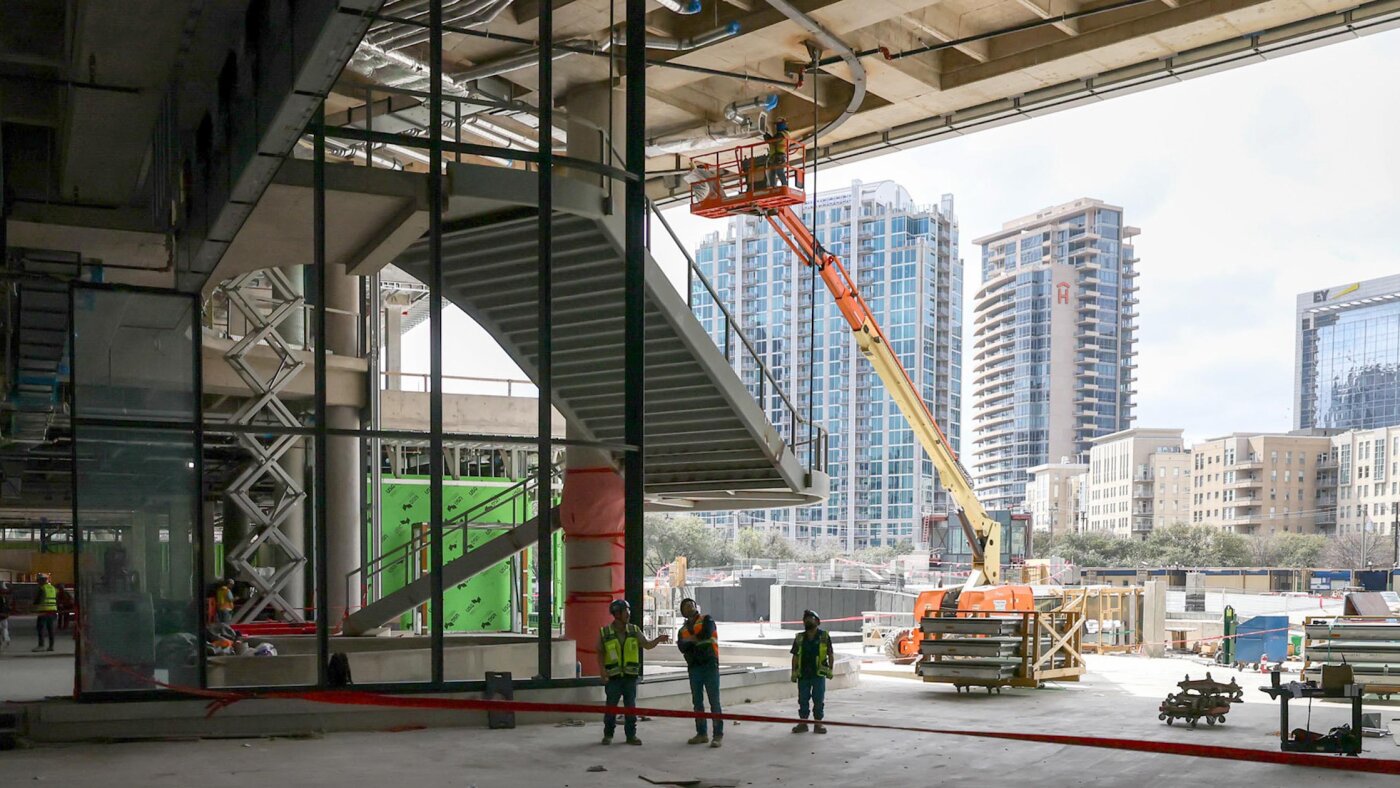
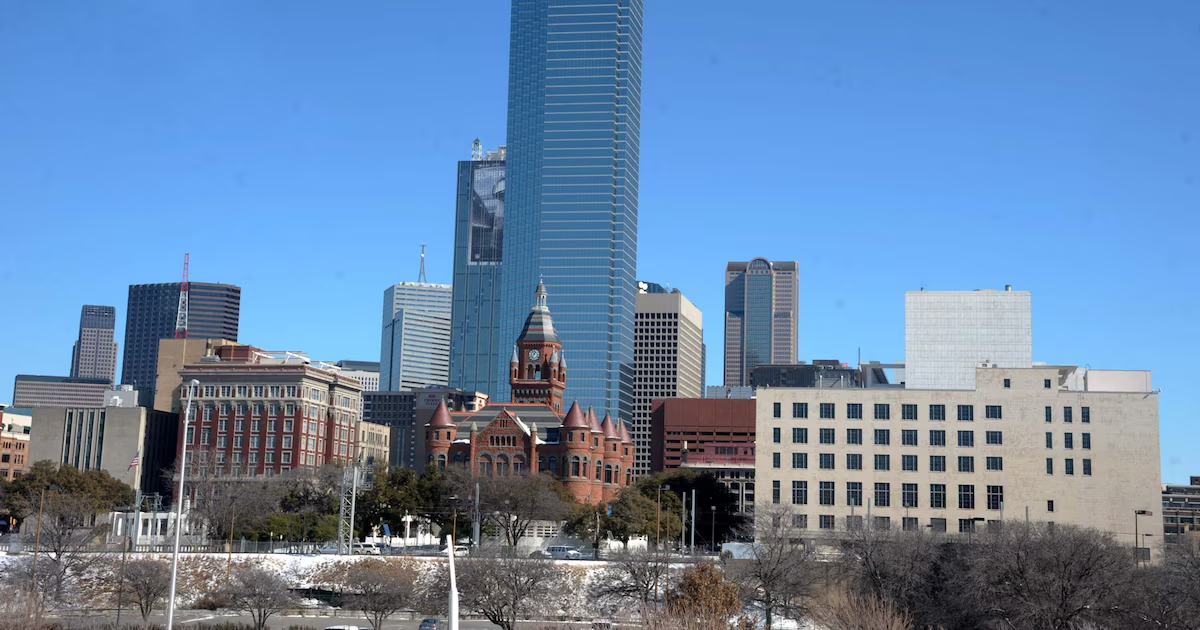
As the warm sun rises over the Dallas skyline, SUVs and pickup trucks whiz past an unassuming construction site that is helping cement the city’s Texas-sized financial ambitions.
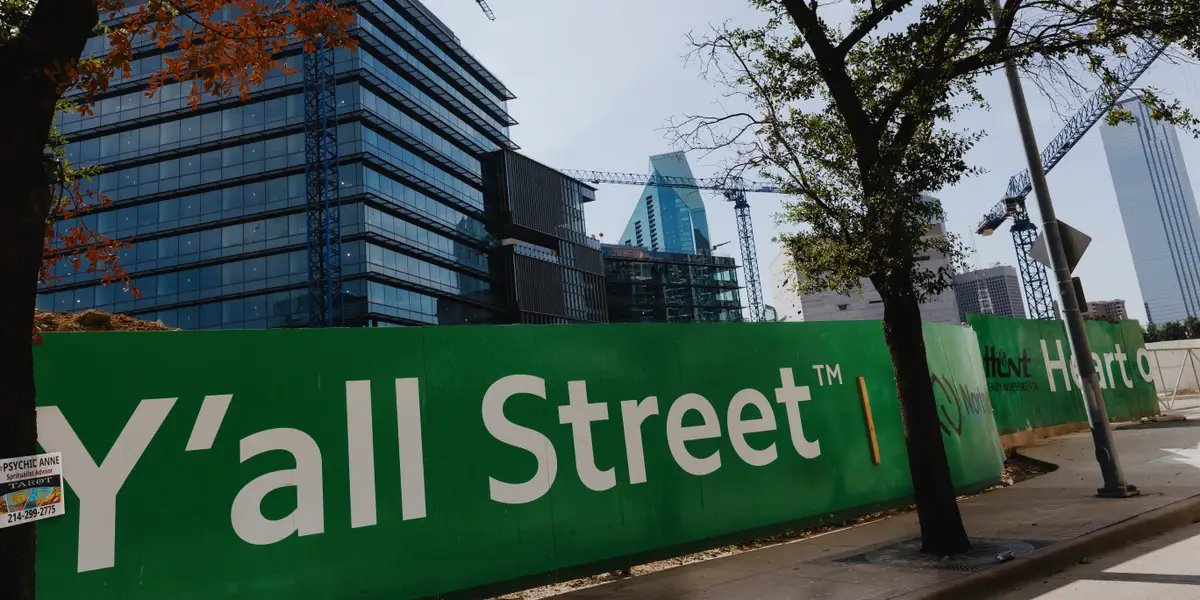
Nestled between towers claimed by Bank of America and JP Morgan, Goldman Sachs has cordoned off 800,000 sq ft for a new Dallas campus able to host more than 5,000 staff. But the $700m (£530m) project is more than a regional expansion plan by one of America’s largest banks. It is another win for the lobbyists behind Dallas’s “Y’all Street” – the Texan city’s aggressive push to steal New York’s financial crown.
The Dallas-Fort Worth metro area, once a fly-in, fly-out stopover for bankers, has seen its financial sector workforce boom over the past decade, surging 40% to 386,000 staff. Banks and investment houses – already keen to sidle up to Texas’s fossil-fuel industry and growing tech and AI sectors – have been lured by multimillion-dollar subsidies and new fast-track business courts, as well as Texas’s complete lack of corporation and income tax.
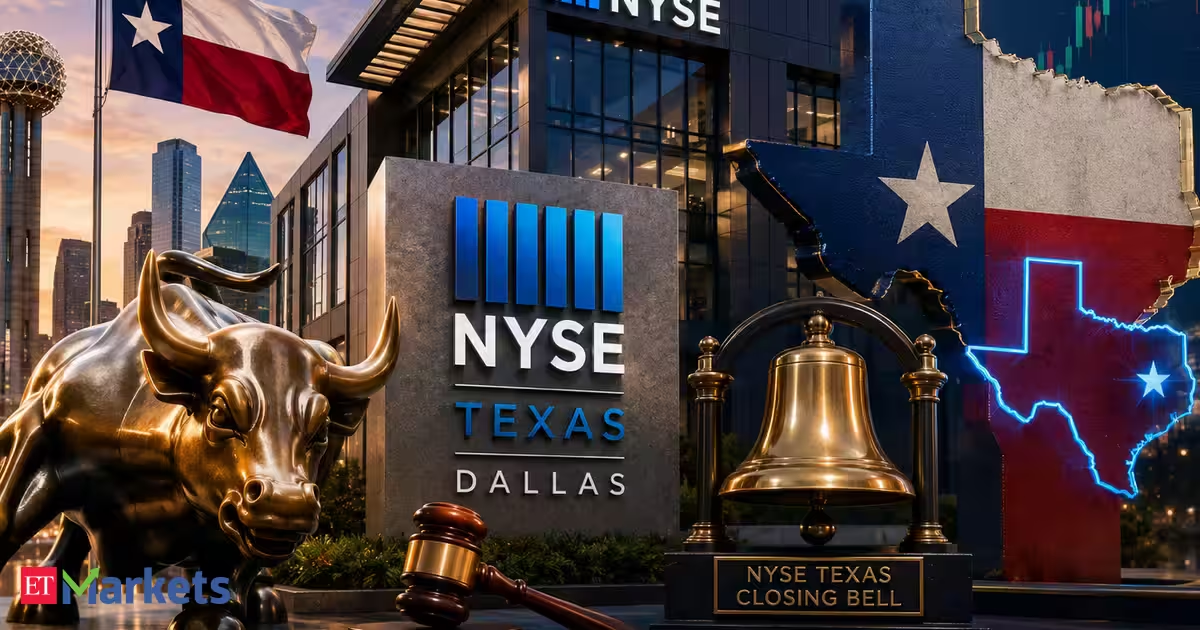
In the past 12 months alone, a 10-year property tax break and $2.7m worth of grants helped convinced the Canadian lender Scotiabank to relocate from North Carolina, bringing 1,000 jobs to the state. Meanwhile, the Nasdaq and the NYSE, keen to score potential listings, both launched branches of their stock exchanges in Dallas.