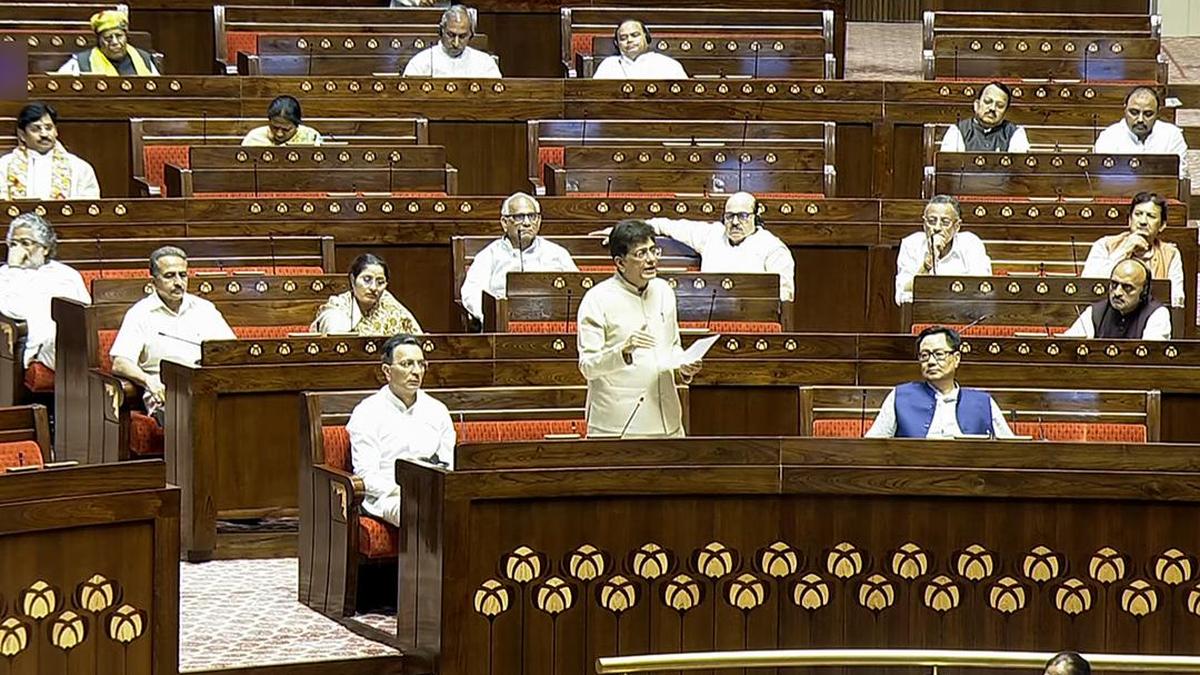
The story so far:
Unnecessary criminalisation is an anathema to business regulations. India’s regulatory framework has significant punitive aspects. Under dozens of Central Acts, minor procedural lapses, missed filings, or technical defaults could land a citizen or a small business owner in jail. The Jan Vishwas (Amendment of Provisions) Bill, 2025-26, seeks to shift India’s regulatory approach from a punitive model to “trust-based governance.” It builds on the earlier Jan Vishwas (Amendment of Provisions) Act, 2023, which decriminalised 183 provisions across 42 Central laws.
Why is the Bill being introduced?
The 2026 Bill proposes amendments to 784 provisions across 79 Central Acts administered by 23 ministries. Of these, 717 provisions are earmarked for decriminalisation, while the rest address ease of living more broadly. Its governing principle is proportionality — the severity of the State’s response must bear a rational relationship to the gravity of the conduct it targets.
The Bill pursues three related goals, all rooted in ensuring proportionality in regulation.