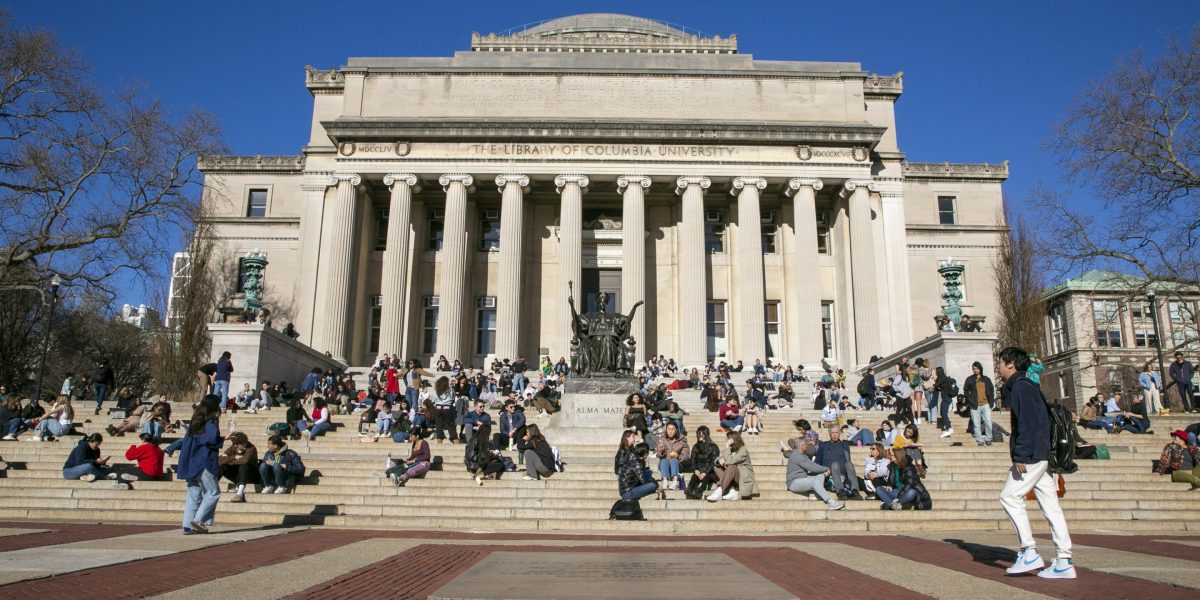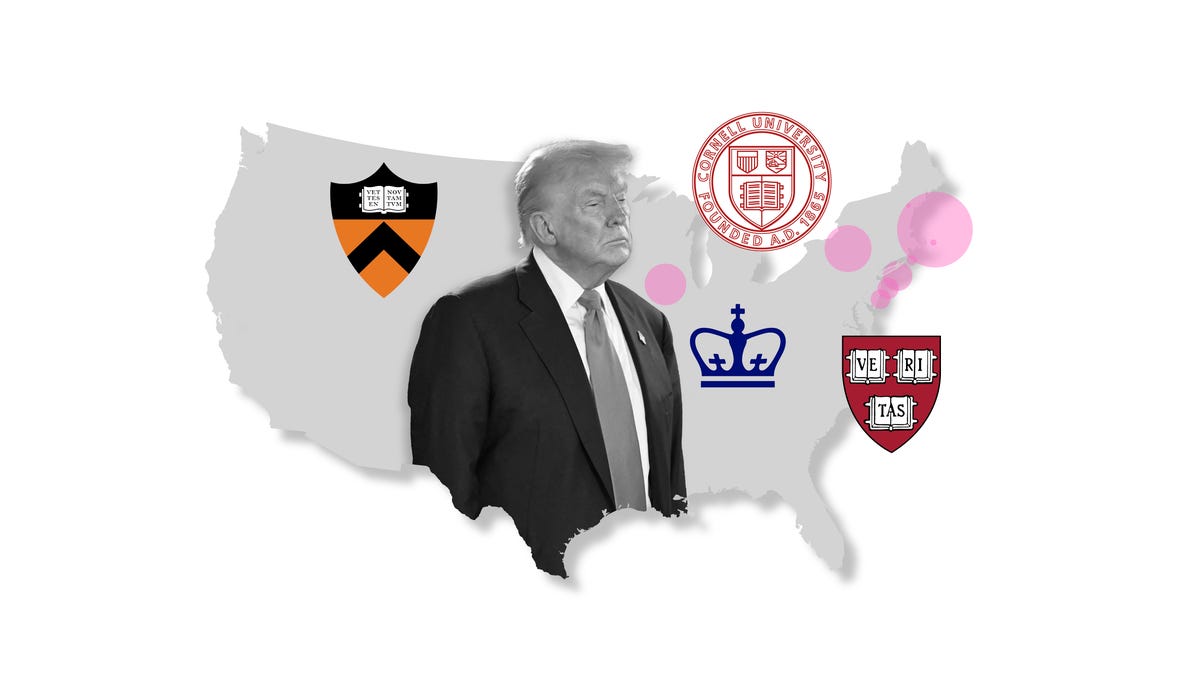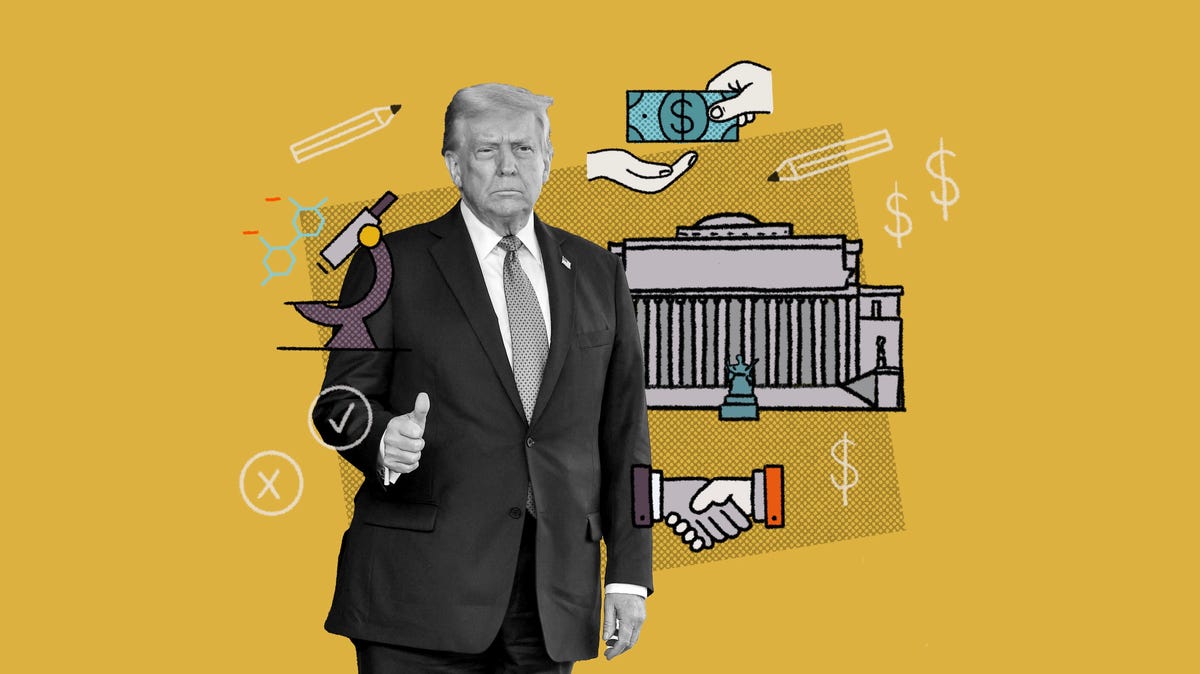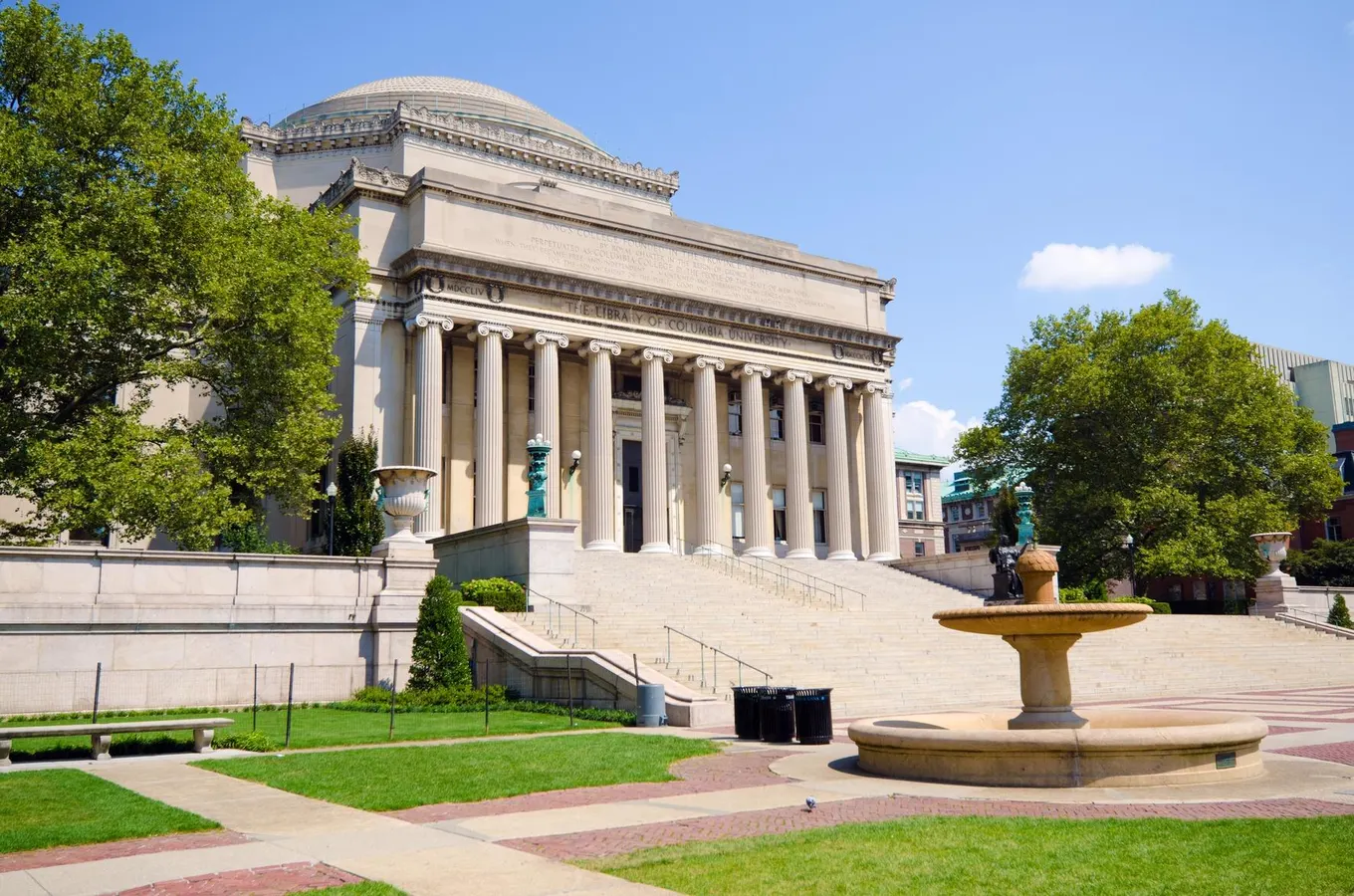
Columbia University has issued its first report on how it is complying with the terms of its controversial deal last year with the Trump administration.gettyColumbia University has issued its first report on how it’s complying with the terms of the agreement it struck last year with the Trump administration to restore more than $400 million in federal funding that the government had canceled over allegations that the university had not protected its Jewish students from discrimination and antisemitism.As part of the resolution of that matter, Columbia agreed to pay $200 million over three years to the federal government in addition to another $21 million that would be doled out to settle investigations brought by the U.S. Equal Employment Opportunity Commission.On April 1, the university released its first accounting of its progress on the deal, claiming that out of the 23 provisions, 18 were either “complete” or “satisfied to date” (defined as “requirements met through the current reporting period, obligation is continuing") and five were still “in progress.” The report was first cited by the Columbia Daily Spectator.The university’s executive summary of the 43-page Semi-Annual Report Columbia University Resolution Agreement, states that “over the past two years, the University has implemented broad reforms to strengthen institutional culture and operational integrity," later adding “the University’s implementation of the Resolution Agreement demonstrates its commitment from the highest levels of the University.”Progress to DateExamples of the elements in the agreement that Columbia has either fulfilled or satisfied to date include the following:It has paid the first required one-third installment towards its $200 million obligation to the federal government, and it has paid the entire $21 million it owed the EEOC settlement fund.The university has designated Jim Glover to serve as the university administrator who will be primarily responsible for coordinating and overseeing compliance with the agreement.Columbia has initiated a review of its regional studies programs and developed initial recommendations for its Middle East programs. These recommendations include a call for expanding coursework on the Middle East and “strengthening coordination among and support for regional centers and institutes in ways that provide administrative support and ensure long-term sustainability.” It is conducting searches for joint faculty positions with the Institute for Israel and Jewish Studies, and it has appointed visiting faculty to the Economics Department, the History Department, and to the School of International and Public Affairs. The university is recruiting a new administrator, who will “serve as a liaison to students concerning antisemitism issues, advise the University's agreement Administrator and other University leaders and make recommendations to University leaders about ways to improve and to support Jewish students.”Columbia listed several actions it was taking to comply with requirements in the agreement to “not maintain programs that promote unlawful efforts to achieve race-based outcomes, quotas, diversity targets, or similar efforts," and to “comply with and follow antidiscrimination laws.” The university indicated it was taking steps to ensure that it maintained “merit-based admissions policies,” as required in the agreement and that its admission policies comply with federal anti-discrimination laws. It also said it will publish admissions data for entering classes through the Common Data Set (CDS), a disclosure it had not previously made.Per the agreement, Columbia agreed that it would put in place processes that “provide that all students, international and domestic, are committed to the longstanding traditions of American universities, including civil discourse, free inquiry, open debate, and the fundamental values of equality and respect." The university indicated that it was now providing training to ensure that all students understand and commit to these principles. And it said that by the fall of 2026, all of its units it will require “student attestations” that codify their commitment to civil discourse, free inquiry, equality, respect, and lawful conduct.Columbia indicated it had “undertaken a comprehensive review of its international student admissions processes and policies,” which was required in the formal agreement. And it promised that all of its schools would ask international applicants why they wanted to study in the U.S., beginning in the next admissions cycle.The university said it was complying with all Title IX obligations to provide single-sex housing for women who request such housing as well as all-female sports, locker rooms, and showering facilities.While the report claims that Columbia’s implementation of the terms of the agreement does “not affect the University’s academic and operational independence,” that characterization is likely to be met with skepticism, just as it was when Columbia first struck its deal with federal officials. MORE FOR YOUThe deal requires a level of monitoring and oversight by the government that is highly unusual, requiring Columbia to yield at least some of its autonomy in making decisions about student admissions, faculty hiring, and academic curricula. And many higher education officials believe that Columbia’s acquiescence to Trump’s demands helped fuel the administration’s ongoing campaign to align higher education with the president’s political agenda.
Columbia University Reports Status Of Its Deal With Trump Administration
Columbia University has issued its first report on its compliance with an agreement it struck last year with federal officials to restore $400 million in federal funding.
808 words~4 min read