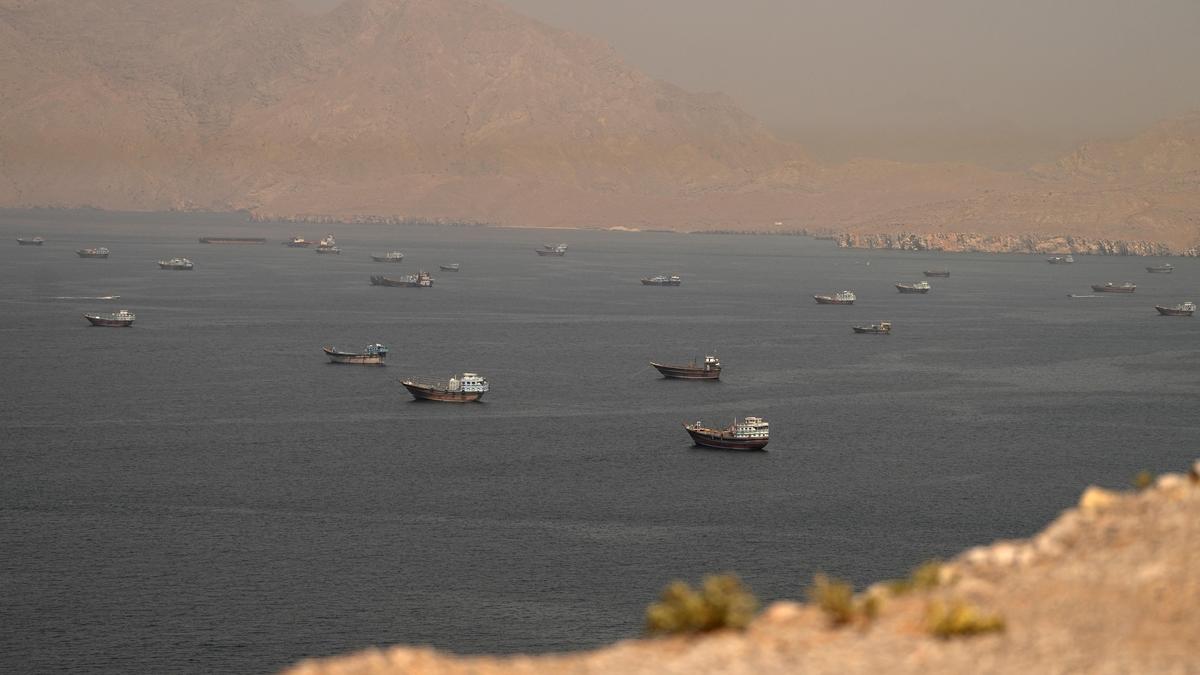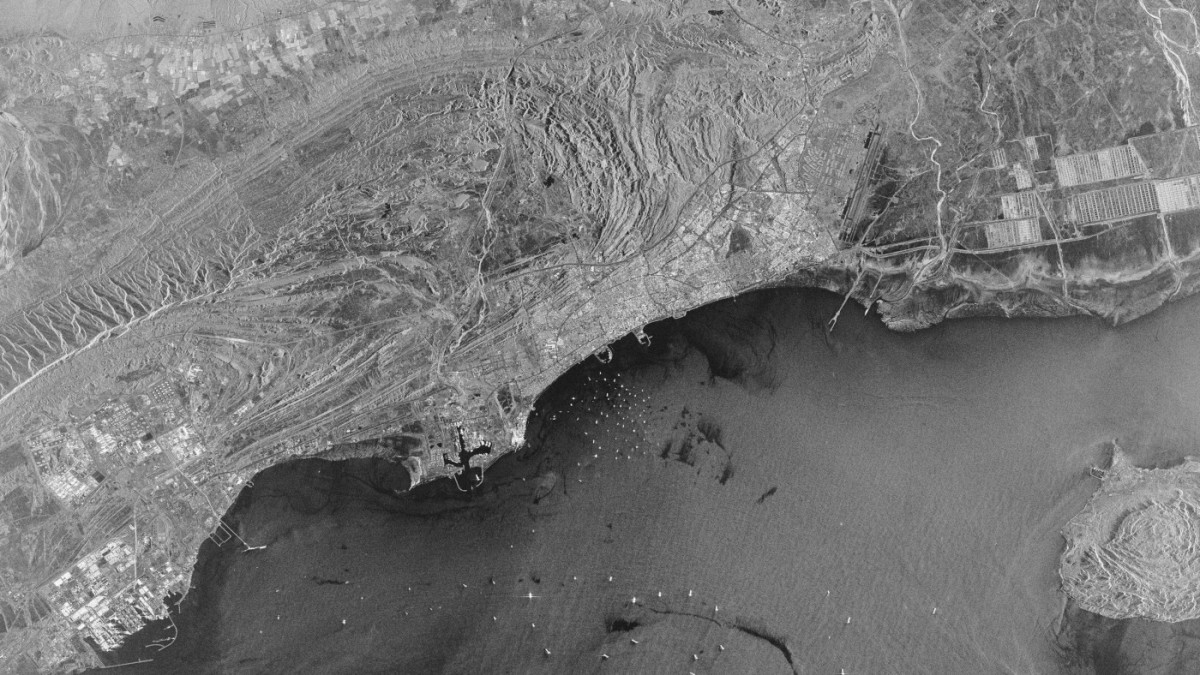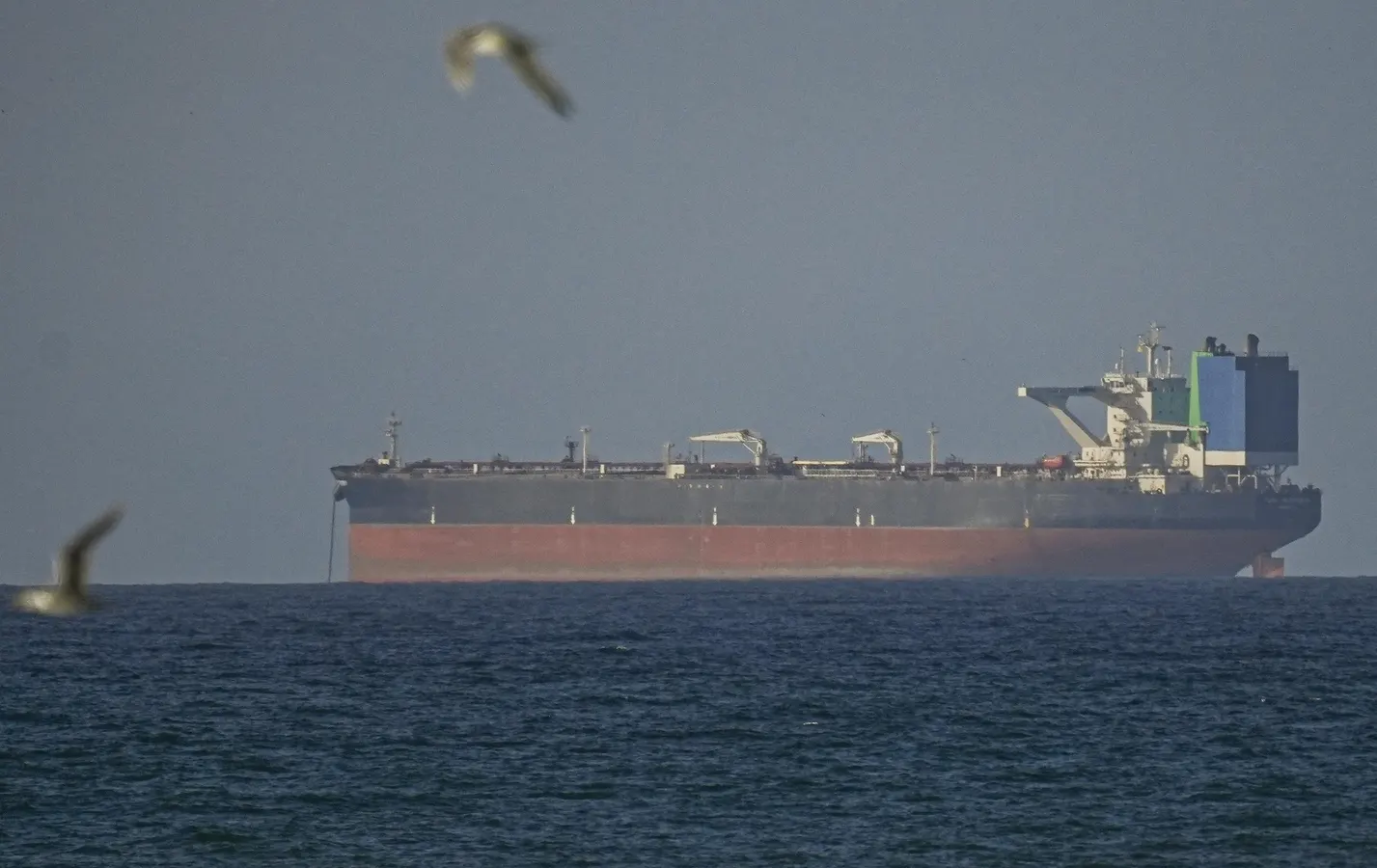
ToplinePresident Donald Trump is ramping up pressure on NATO allies to secure the Strait of Hormuz, which remains closed as the U.S. and Iran disagree over the terms of the ceasefire agreement announced Tuesday.A view of the vessels passing through Strait of Hormuz following the two-week temporary ceasefire reached between the United States and Iran.Anadolu via Getty ImagesKey FactsNATO Secretary General Mark Rutte, who met with Trump Wednesday at the White House, told some countries that Trump wants commitments from allies within days to aid the U.S. in the key oil passage, multiple outlets reported.Trump also lashed out at NATO allies Thursday, calling them “very disappointing,” and alleging they don’t understand “anything unless they have pressure placed upon them!!!” in a post on Truth Social.Meanwhile, the Strait of Hormuz remains mostly closed, and Iran is reportedly requiring ships to obtain permission to pass as the U.S. and Iran openly disagree over the terms of the ceasefire, namely whether it includes Lebanon, which Israel has continued to attack despite Iran insisting it was covered in the deal.Mohammad Ghalibaf, speaker of Iran’s Parliament, said Thursday in a post on X that Israel’s attacks on Lebanon would “carry explicit costs and STRONG responses.” Referring to Lebanon and Iran as the “Resistance Axis,” he said they are an “inseparable part of the ceasefire,” adding there is “no room for denial and backtracking,” as the U.S. and Israel claim Lebanon was not part of the agreement. Trump warned Wednesday on Truth Social that if Iran doesn’t comply with the agreement, including “NO NUCLEAR WEAPONS” and the reopening of the strait, then the “Shootin’ Starts” and attacks will be “bigger, and better, and stronger.”How Have Nato Allies Responded To Trump’s Latest Threats?German Chancellor Friedrich Merz told Trump in a phone call Wednesday Germany would help secure the strait if a lasting peace deal with Iran is reached, Merz told reporters Thursday in Berlin, Bloomberg reported. Merz expressed a “great interest in preserving” the NATO alliance, according to the Associated Press. Merz said, “this alliance, at least at present, cannot be replaced by anything, so I have great interest in preserving it and developing it further with the American president.” Merz said a directive for securing the strait would ideally come from the United Nations Security Council. Separately, a coalition of 40 nations led by the UK are organizing to secure the strait after the fighting ceases, though it’s unclear when the plan could take effect.What Have Iranian Officials Said About The Ceasefire?Iran’s deputy foreign minister Saeed Khatibzadeh was interviewed by the BBC on Thursday, where he said his country would allow ships to safely pass through the Strait of Hormuz in compliance with “international norms and international law” once the U.S. withdraws its “aggression” and Israel stops striking Lebanon. He described Israel’s strikes on Lebanon, which Lebanese officials say have killed 182 people on Wednesday, as a “grave violation” of the ceasefire. The minister said Iran has asked “everybody in the Middle East” to abide by the ceasefire agreement, and he expects “the Americans to do the same with its allies.”What About Passage Of Ships Through Hormuz?The maritime tracking firm Lloyd’s List Intelligence reported that only three ships passed through the Strait of Hormuz on the first day of the ceasefire. Citing data from intelligence firm Kpler, the New York Times reported that only five ships transited through the strait on Wednesday, the lowest since the end of March. CEO of Abu Dhabi National Oil Company also said in a post on LinkedIn the strait remains closed and “access is being restricted, conditioned and controlled,” accusing Iran of “coercion” for requiring ships to obtain permission to pass. Khatibzadeh told BBC Iran will “definitely…provide security for safe passage,” but argued the critical shipping lane was not “international waters.” The Iranian official claimed safe passage through the strait depends on “the goodwill of Iran and Oman.” Iran also published a map of the strait highlighting a danger zone, noting that it to ensure safety and protect ships from “possible collisions with sea mines.” This danger area sits at the center of the standard shipping lane through the strait, and the map urges ships to take an alternative route, which is closer to Iran’s coastline. This new route will presumably allow Iran to exert more direct control on shipping traffic through the strait through which 20% of the world’s oil passes.What To Watch ForPakistan is set to host peace talks between key U.S. and Iranian leaders on Saturday. The U.S. contingent is expected to be led by Vice President JD Vance and include the president’s special envoy, Steve Witkoff, and his son-in-law Jared Kushner. Iran’s ambassador to Pakistan Reza Amiri Moghadam wrote on X that the Iranian delegation would arrive on Thursday night, but he later deleted the post. Pakistan has heightened security in and around its capital ahead of the scheduled talks, including shutting schools and government offices for two days.
Iran Says It Will Will Reopen Hormuz Once U.S. Ends ‘Aggression’ (Live)
Iranian officials said the the Strait of Hormuz will reopen once the U.S. withdraws its "aggression" and Israel halts attacks on Lebanon.
823 words~4 min read