While authorities are under pressure to keep learning, TV audience figures suggest the public have not lost interest
T
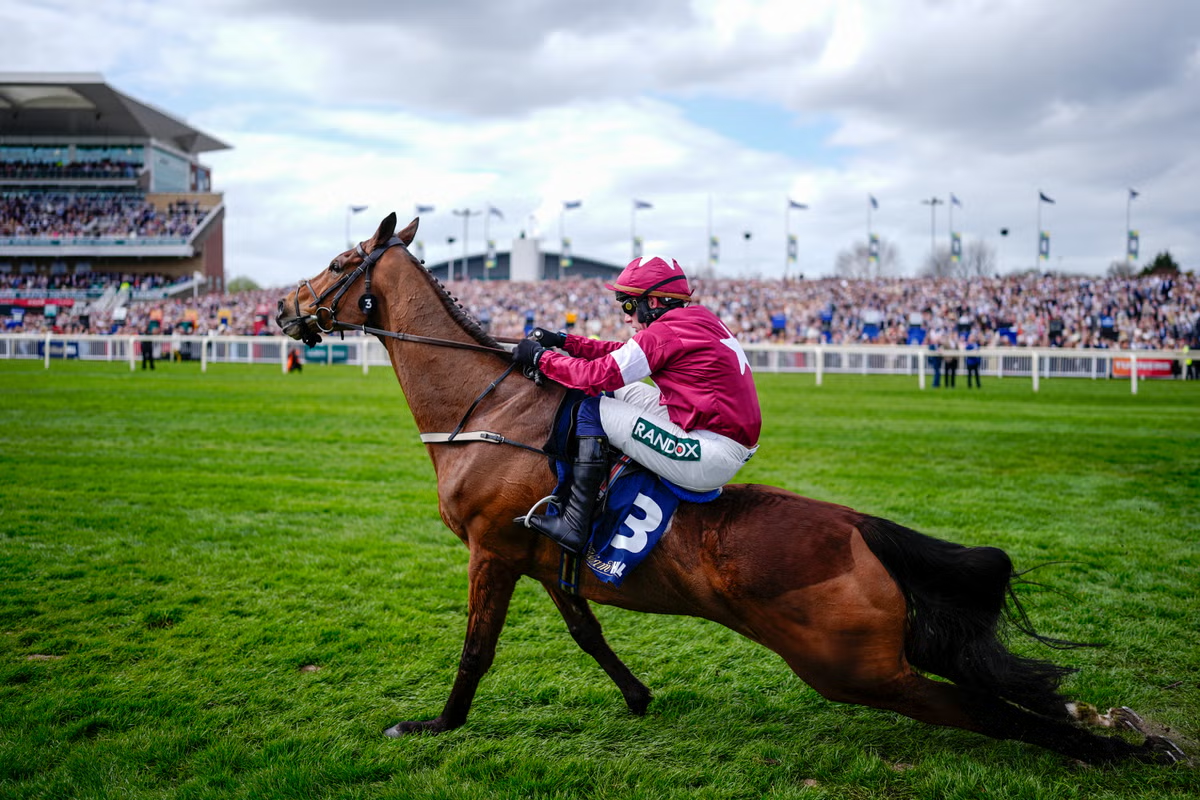
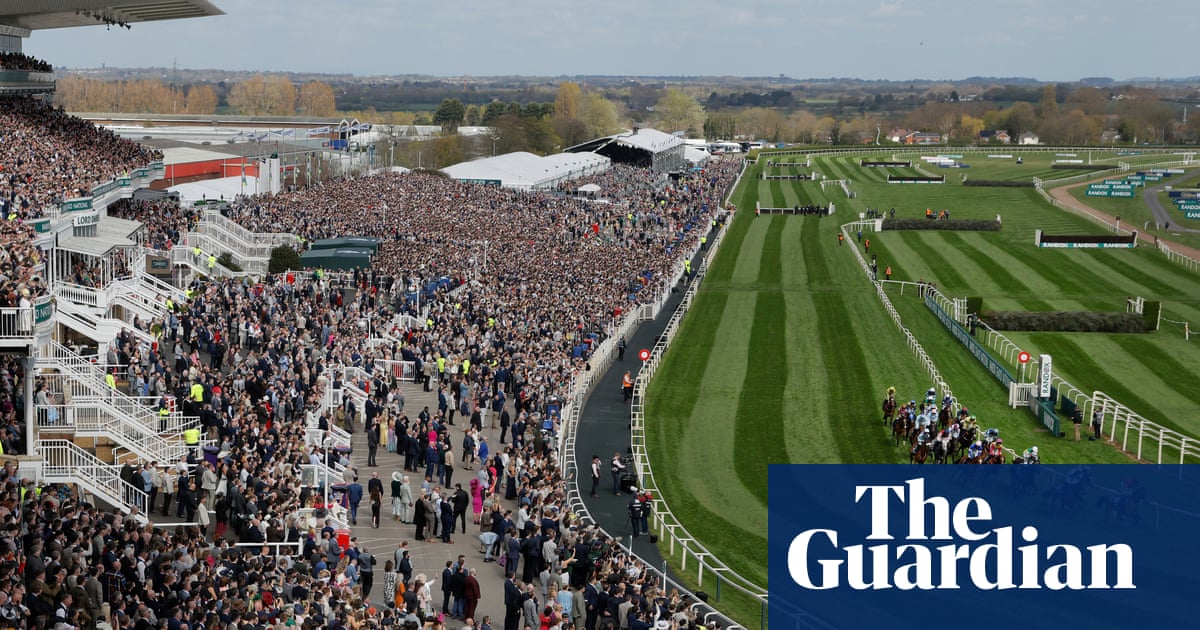
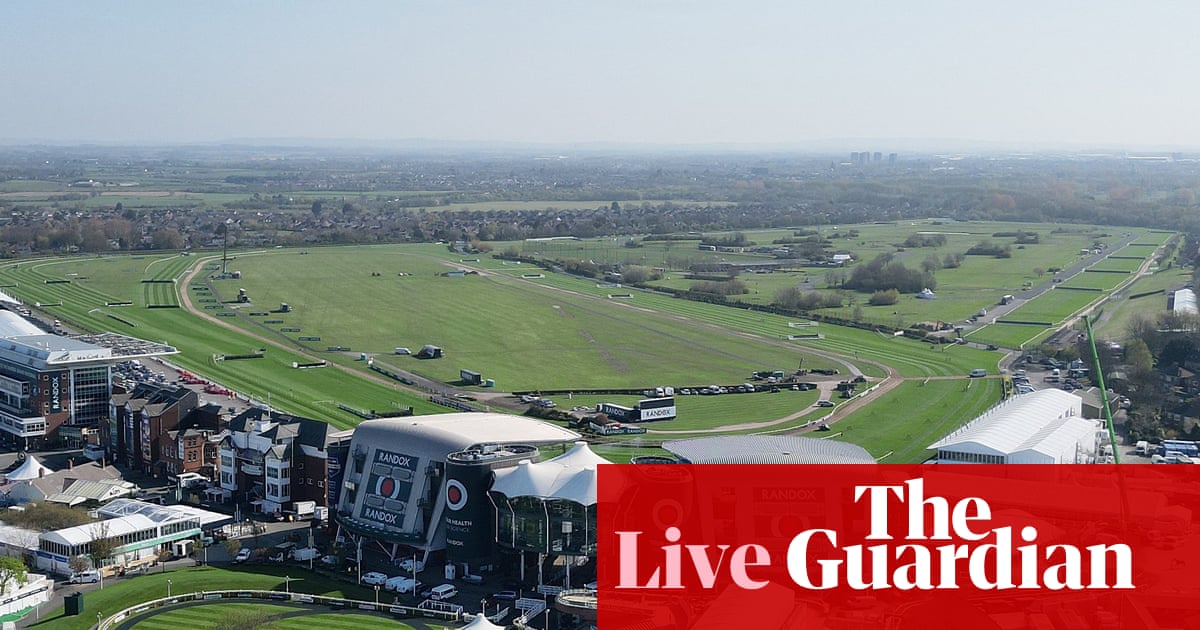
here will never be a year when horse welfare is not an issue in the run-up to the Grand National, and that is, in a sense, a positive for the sport. It is a sign that the National retains its status as the biggest race of the year – in terms of audience, betting turnover, name recognition and pretty much any other measure you care to choose. Nearly two centuries after the first running in 1839, it still has deep roots in British culture as an annual sporting rite of spring.
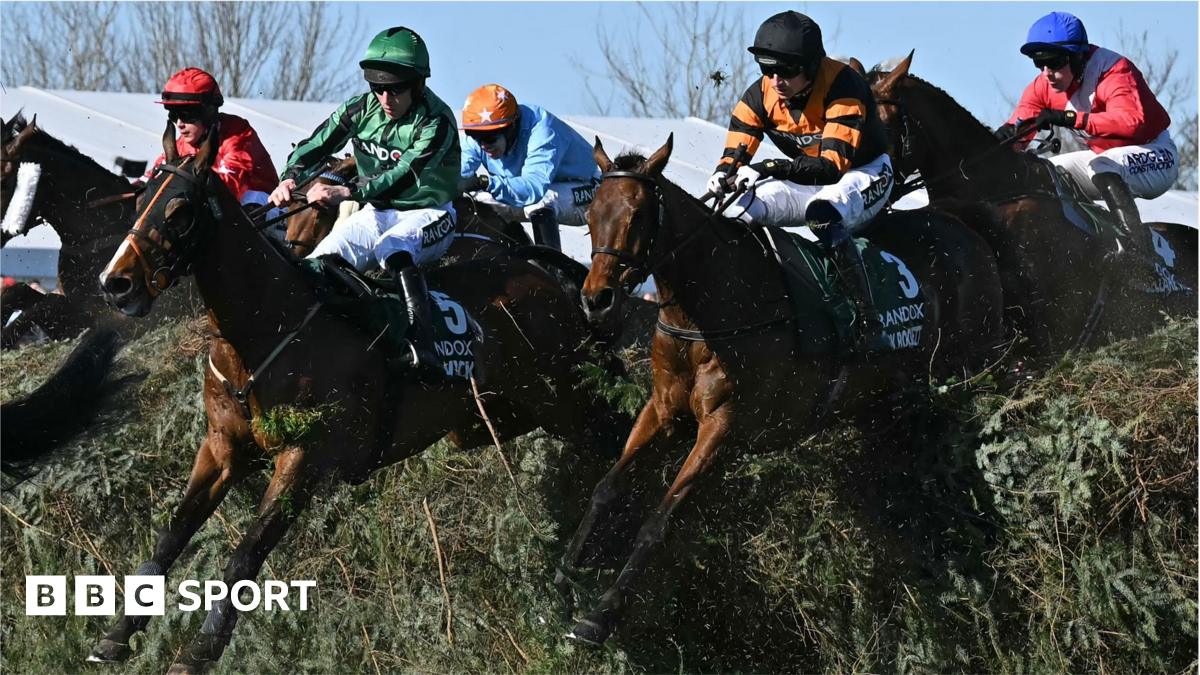
Within the racing bubble too there are few subjects that raise hackles and generate debate quite like the National, not least because for many racegoers and punters it is the race that first stoked their interest in the sport. Significant changes to the fences and other conditions in recent years, with the aim of minimising the risk of serious or fatal injuries, have left some fans, at least, feeling it is no longer the same race that they fell in love with several decades ago.
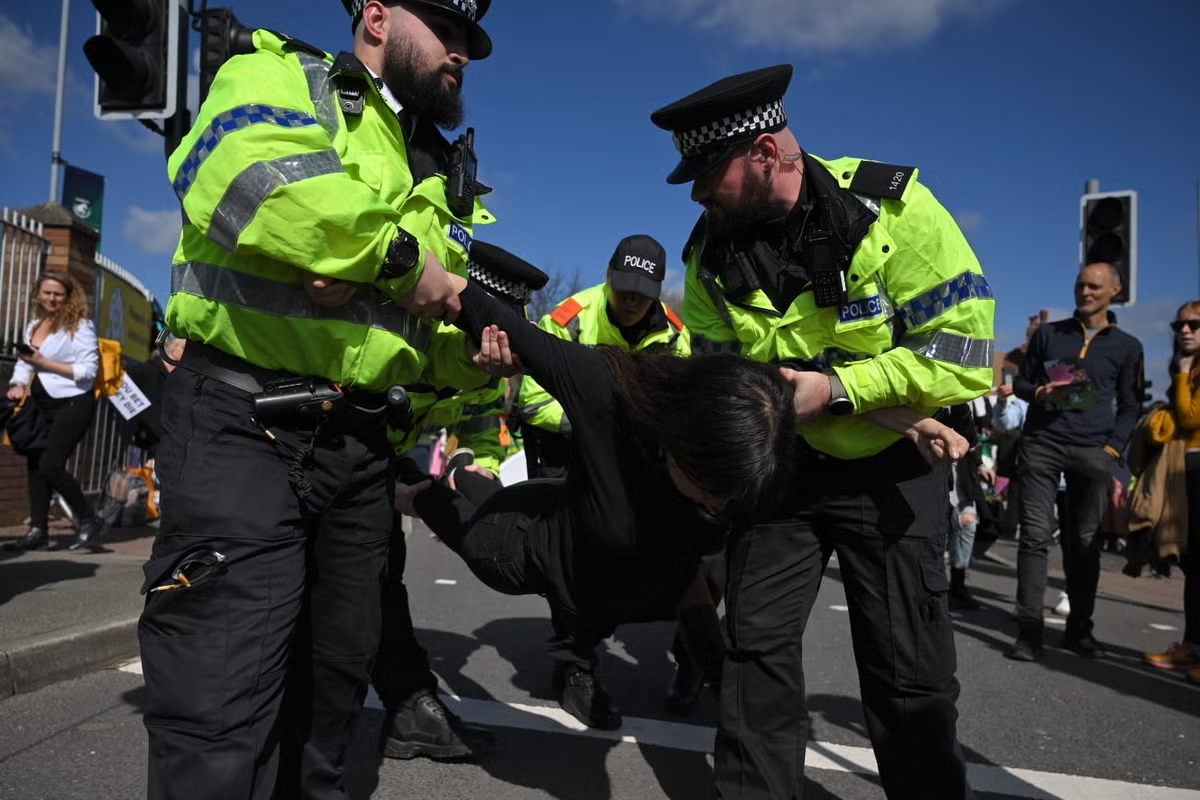
Another view – one which I tend to share – is that the British Horseracing Authority and Aintree have done well to steer the National through some significant and necessary amendments while maintaining the sense of the race as a public spectacle. Critics from animal rights groups, which annually use the National as a wedge issue in their campaign to ban not just racing but the use of animals for anything at all, like to claim that the public is losing interest, but both the TV audience – in an ever more fractured media landscape – and the annual betting turnover figures tend to suggest otherwise.