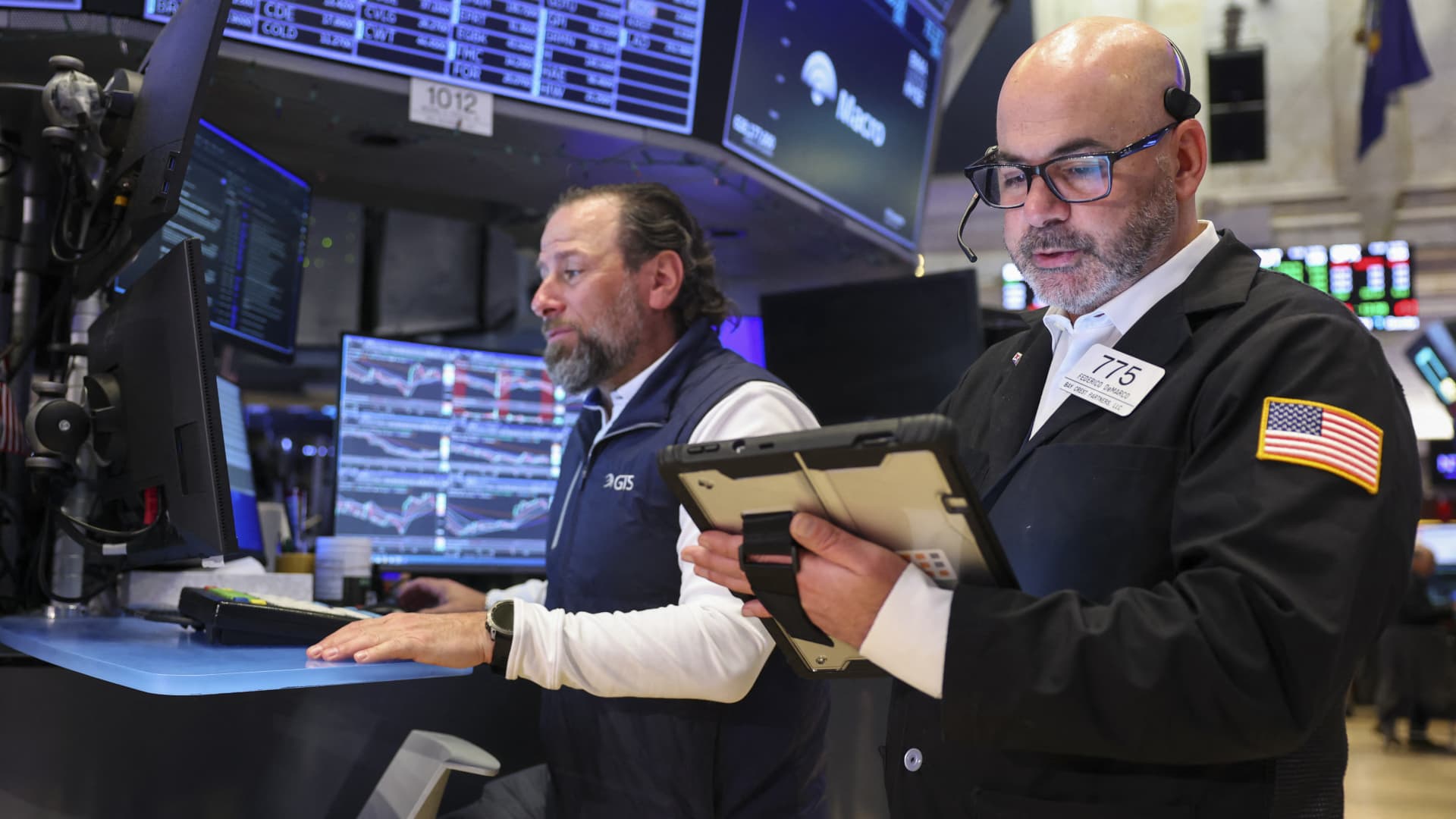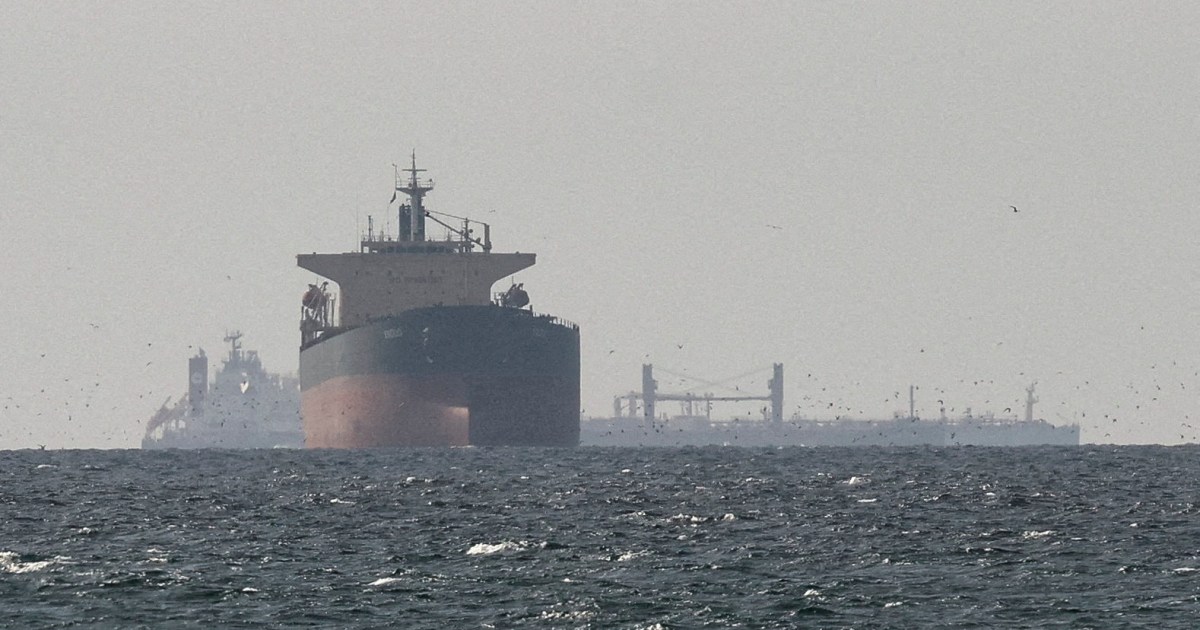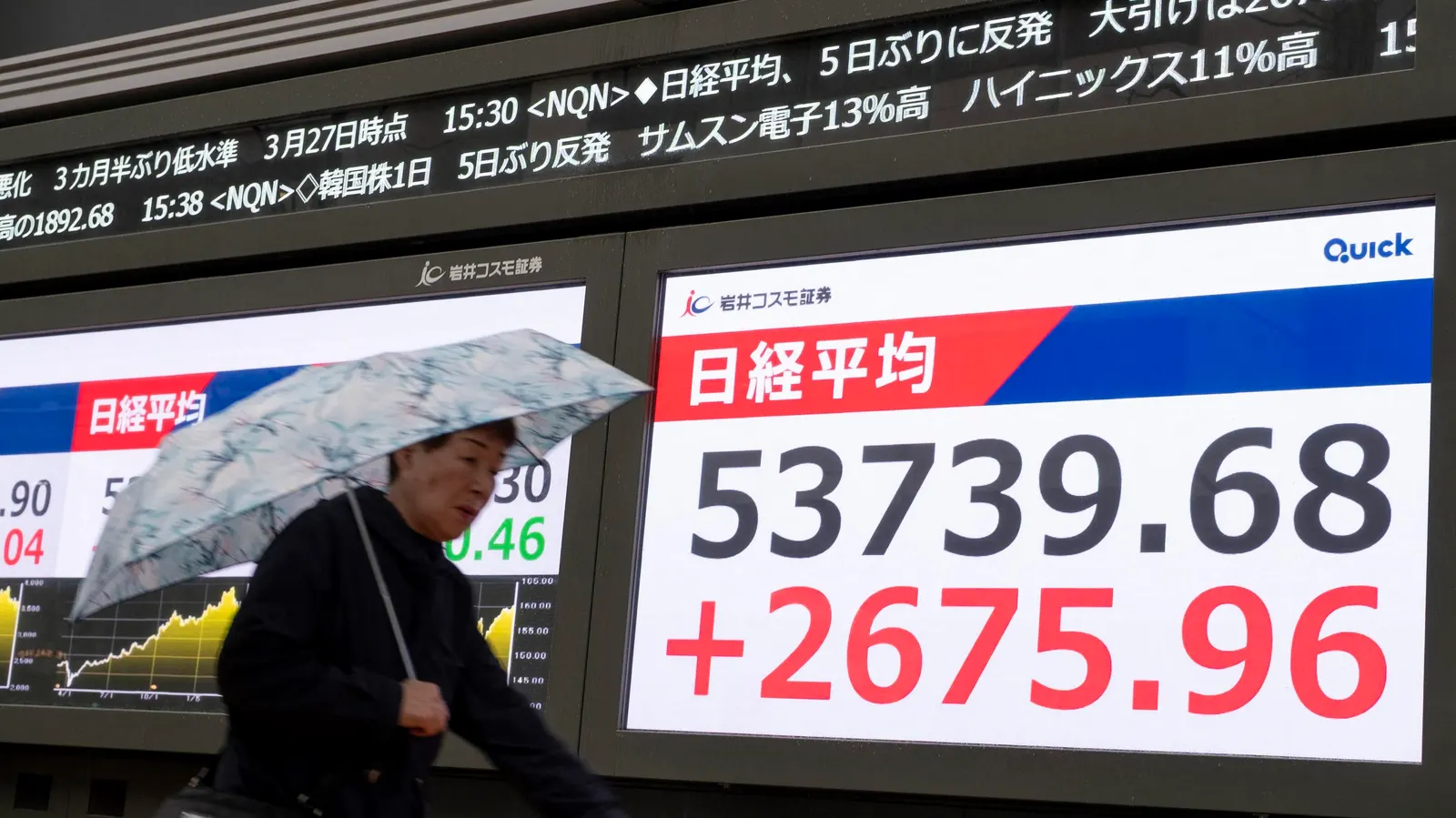
ToplineEvery major market index soared on Wednesday, recovering some ground from last month’s losses after President Donald Trump announced a ceasefire with Iran, but some analysts warned enthusiasm surrounding the deal may be unwarranted. A relief rally was spurred by Iran's agreement to a two-week ceasefire. AFP via Getty ImagesKey FactsThe Dow Jones Industrial Average jumped 1,356 points, or 2.9%, as trading opened Wednesday, while the S&P 500 rose 2.5% and the tech-heavy Nasdaq soared 3.3%, pacing one of the largest single-day gains for each index in recent weeks.Brent Crude, the international oil benchmark, plunged by 16.6% to just over $91 as of Wednesday morning, the largest single-day decline for the index this year, while the U.S. benchmark, West Texas Intermediate, similarly plummeted 18%.Sherwin-Williams headlined growth across the Dow, rising 7%, followed by Goldman Sachs (5.5%), Caterpillar (5.4%) and Home Depot (5.2%), while Nvidia (3.4%) lifted the Nasdaq, adding to gains from Meta (4.9%), Alphabet (4.1%), Amazon (3.8%), Tesla (2.7%), Palantir (2.7%), Microsoft (2.2%) and Apple (1.7%).A “relief rally” for markets shouldn’t signal an “all-clear signal” for investors, IG analyst Fabien Yip wrote Wednesday, noting a ceasefire deal is temporary and the process to reopen the Strait of Hormuz, through which roughly one-fifth of the global oil supply flows, could take weeks.Rich Privorotsky, a partner at Goldman Sachs, wrote on Wednesday that ceasefires are “fragile by definition” and markets will likely shift as oil flows through the Strait of Hormuz over time, warning of potential risks as stocks work to “move past Iran.”Exxon, Shell Stumble As Iran War Squeezes Oil OutputExxon Mobil on Wednesday said disruptions to its assets in the Middle East will reduce its global oil production by 6% in its current quarter, likely shedding up to $6.5 billion from its earnings. Shell similarly warned its first-quarter gas production was likely to be lowered from between 920,000 and 980,000 barrels of oil equivalent per day to 880,000 and 920,000, and that its capital outflow could be lower over time if oil and gas prices ease. Shares of Exxon, whose forward price-to-earnings ratio—how much an investor would pay to earn $1 of the company’s expected profit over the next year—eclipsed Nvidia’s in March, plunged by 7.2% on Thursday. Shell’s stock dropped by 4.5%.Key BackgroundThe broader stock market appeared volatile over the last month as the U.S. carried out strikes on Iran, which effectively closed the Strait of Hormuz. Trump escalated his threats against Iran, spurring further declines across stocks, after he said Monday Iran could be “taken out in one night,” adding on Tuesday he would wipe out “a whole civilization.” Traders and analysts warned that further escalation would only increase market volatility as oil and gas prices surged, fueling concerns of a possible recession if the conflict persisted. Further ReadingForbesTrump Says U.S. Will ‘Work Closely’ With Iran To Remove Nuclear Material—And Impose 50% Tariff On Iranian Weapons SuppliersBy Sara DornForbesTrump Calls Off Iran Attack—Suddenly Proclaims Conflict ‘Close To Resolution’By Sara Dorn
Markets Soar On Trump’s Ceasefire—But Analysts Warn Against Optimism
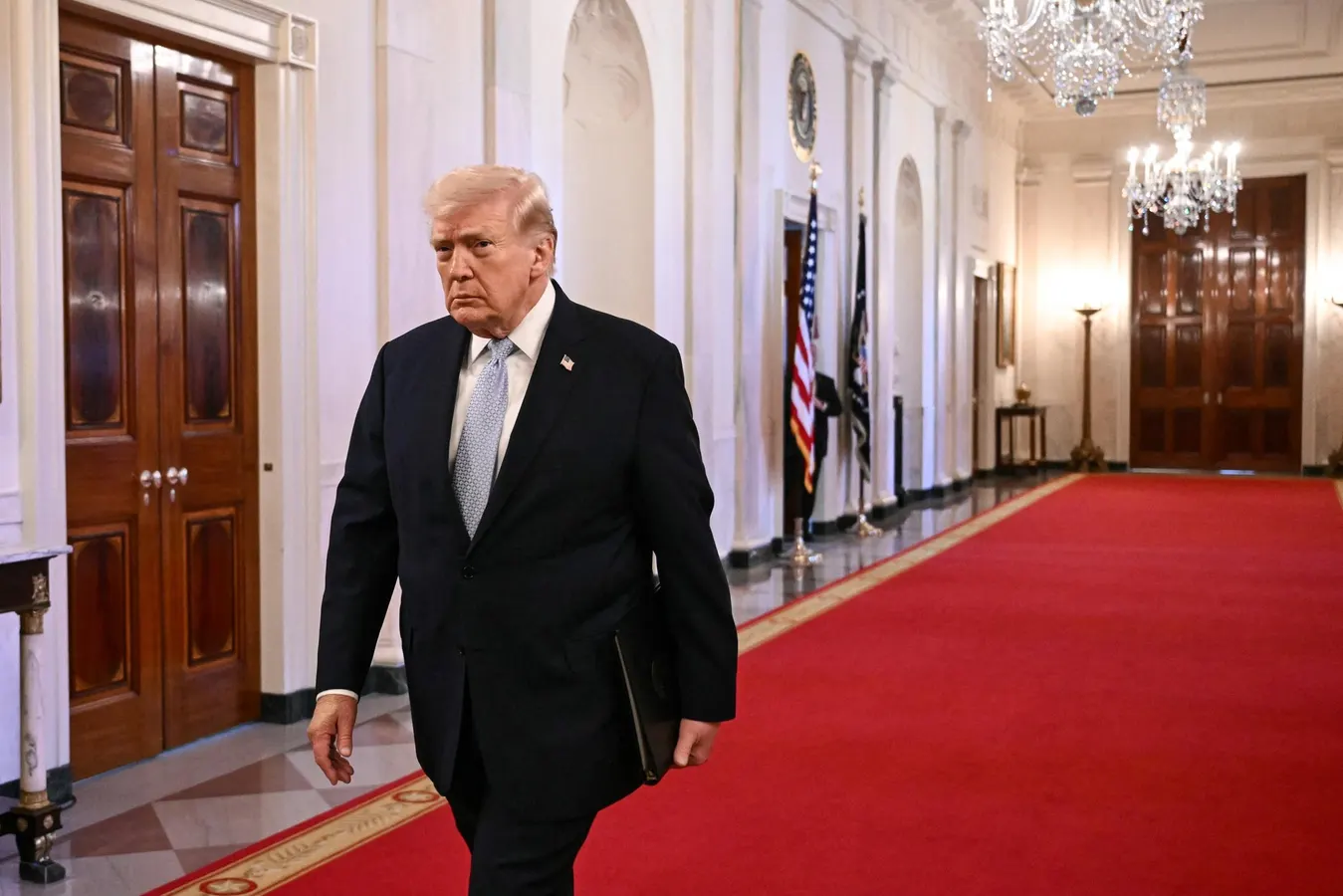
A relief rally was spurred by Iran's agreement to a two-week ceasefire.
493 words~2 min read