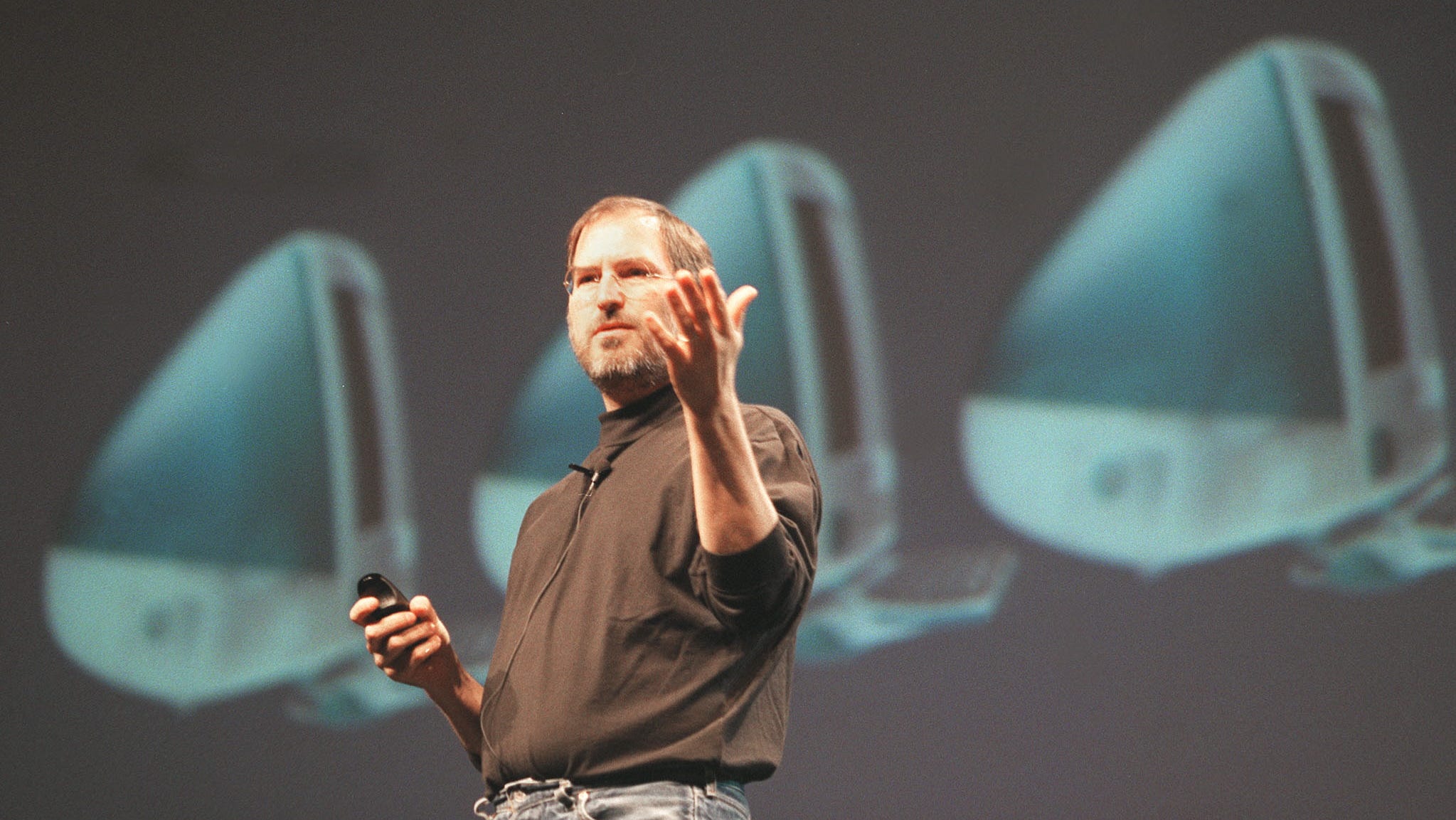
Having a hands-off boss can sound attractive, until they exhibit some red flags.
The upside is clear. Chill bosses don’t micromanage. They give their employees autonomy and create a sense of freedom and flexibility at work. Thirty-eight percent of employees say they value a hands-off management style, according to an October report from HR software provider BambooHR.
But some hands-off managers are far too passive, says Fineas Tatar, co-CEO of Viva Talent, a business that connects remote executive assistants with CEOs and other executives. “Passive leadership, to me, is when leaders avoid hard decisions,” says Tatar, whose job involves working with a variety of people managers across multiple industries.
“They delay feedback and naively think that things are going well because they seem busy but aren’t truly productive ... Having passive leadership disguised [as] autonomy, I think, is very dangerous.”
Being hands-off isn’t inherently bad. Some employees perform best when working autonomously. Many have earned some self-direction through consistent results. Good bosses know when to empower their employees that way, says Tatar.