Tawanna Marie Woolfolk didn’t announce herself on the 36-hour bus ride across Western Australia. Her teeth did it for her.
She was traveling to the Dampier Peninsula for fieldwork in Aboriginal communities. Somewhere along the route, she smiled at the person next to her. The response came back matter-of-factly. “You have a nice smile. Are you American?”
The same comment surfaced again and again over the weeks she spent living in the remote community. Comments like “your teeth are so white,” or “they are really straight,” always delivered as recognition rather than admiration. It was telling people where she was from.
Woolfolk had never thought of her smile that way. Back home, it was unremarkable. Abroad, it was a tell.
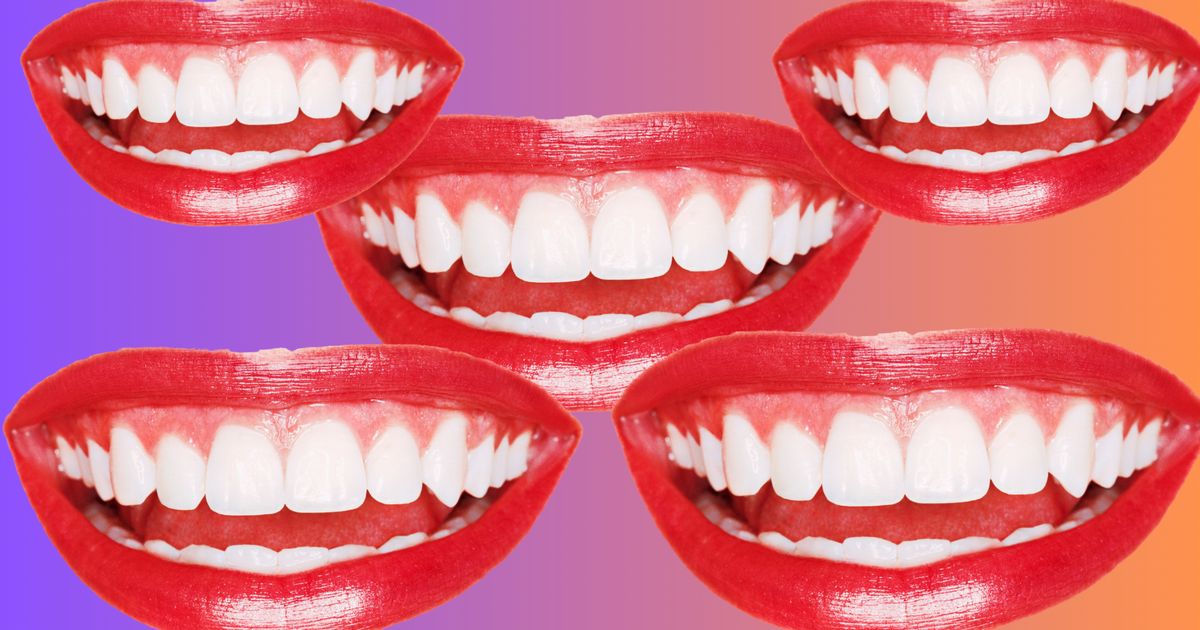
The smile that gave Woolfolk away is one Americans invest heavily in, with the U.S. cosmetic dentistry market expected to reach nearly $20 billion this year. The goal for many is teeth that are blindingly white and symmetrical down to the millimeter. But take that same smile outside the United States and the reception can range from confusion to suspicion to discomfort.