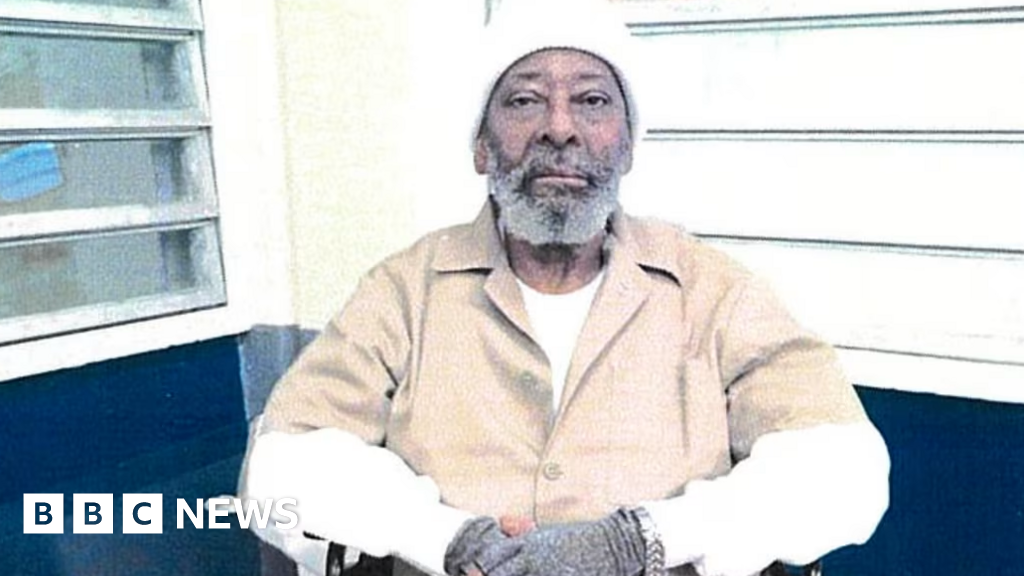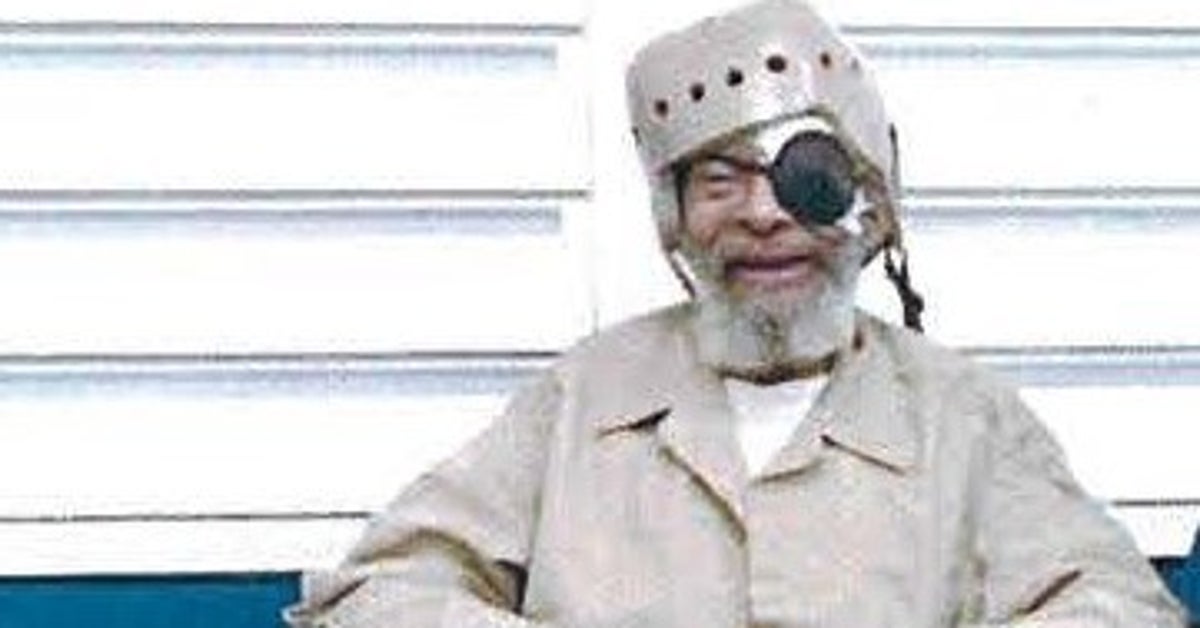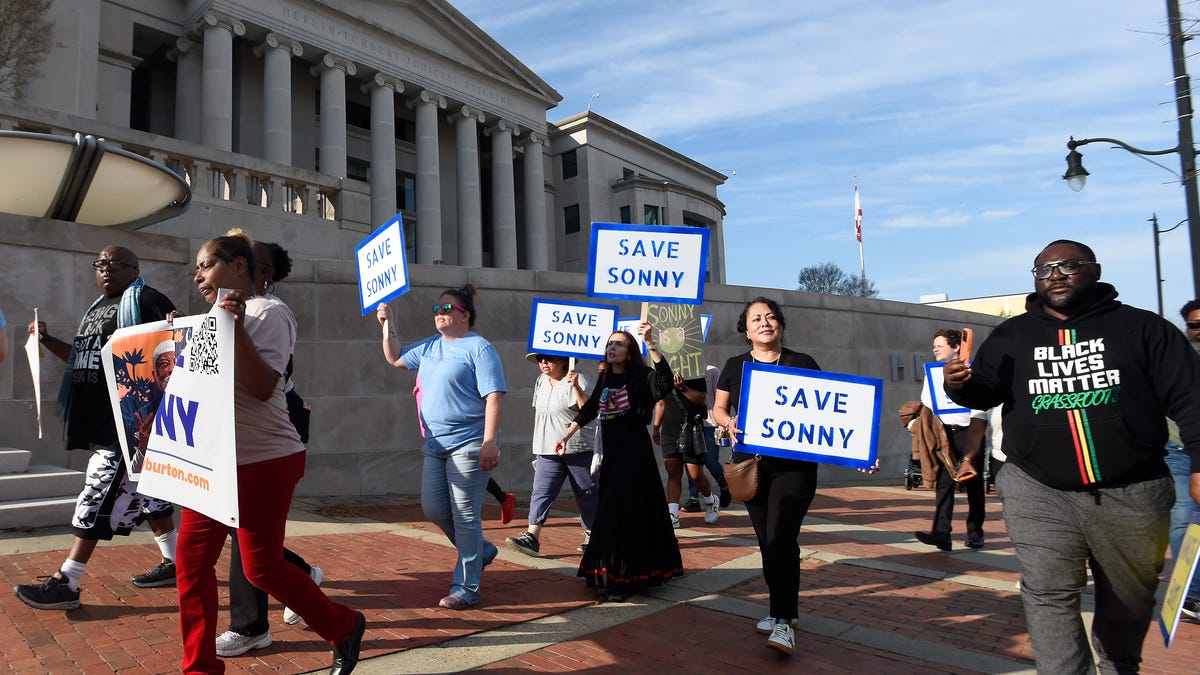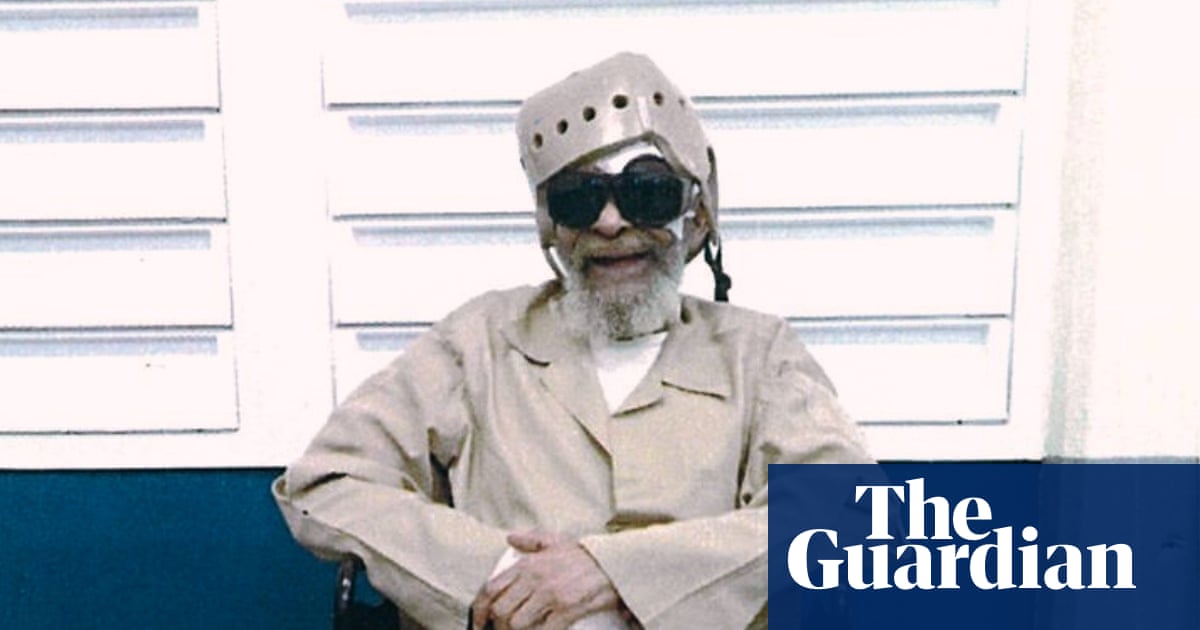
In an act transcending politics, tens of thousands successfully banded together to make the case against executing Charles ‘Sonny’ Burton in Alabama
With all of his appeals exhausted, Charles “Sonny” Burton had already chosen the last meal he would have before being put to death by nitrogen gas at Alabama’s Holman correctional facility: barbecue chicken, banana cake with ice cream, and sweet tea – all things he hadn’t been able to enjoy in years with his diabetes.
The writing seemed to be on the wall. His fate was in the hands of Kay Ivey, Alabama’s governor and a staunch supporter of capital punishment who has presided over more than 25 executions – more than any other Alabama governor since the death penalty was reinstated in 1976. Her office had been repeating the same line for weeks: “Governor Ivey has no plans to grant clemency.” But on the morning of 10 March, just two days before Sonny was to be put to death, Ivey commuted his sentence to life without parole.
No new court ruling or legal evidence had come out, but the governor was forced to respond to an unusually diverse coalition: faith leaders, jurors, the victim’s own daughter, a former death row sergeant, Republican politicians, conservative advocacy groups and tens of thousands of ordinary citizens. Together, they made the case that executing a 75-year-old man who didn’t pull the trigger – while the man who did died in prison with a life sentence – was simply wrong.