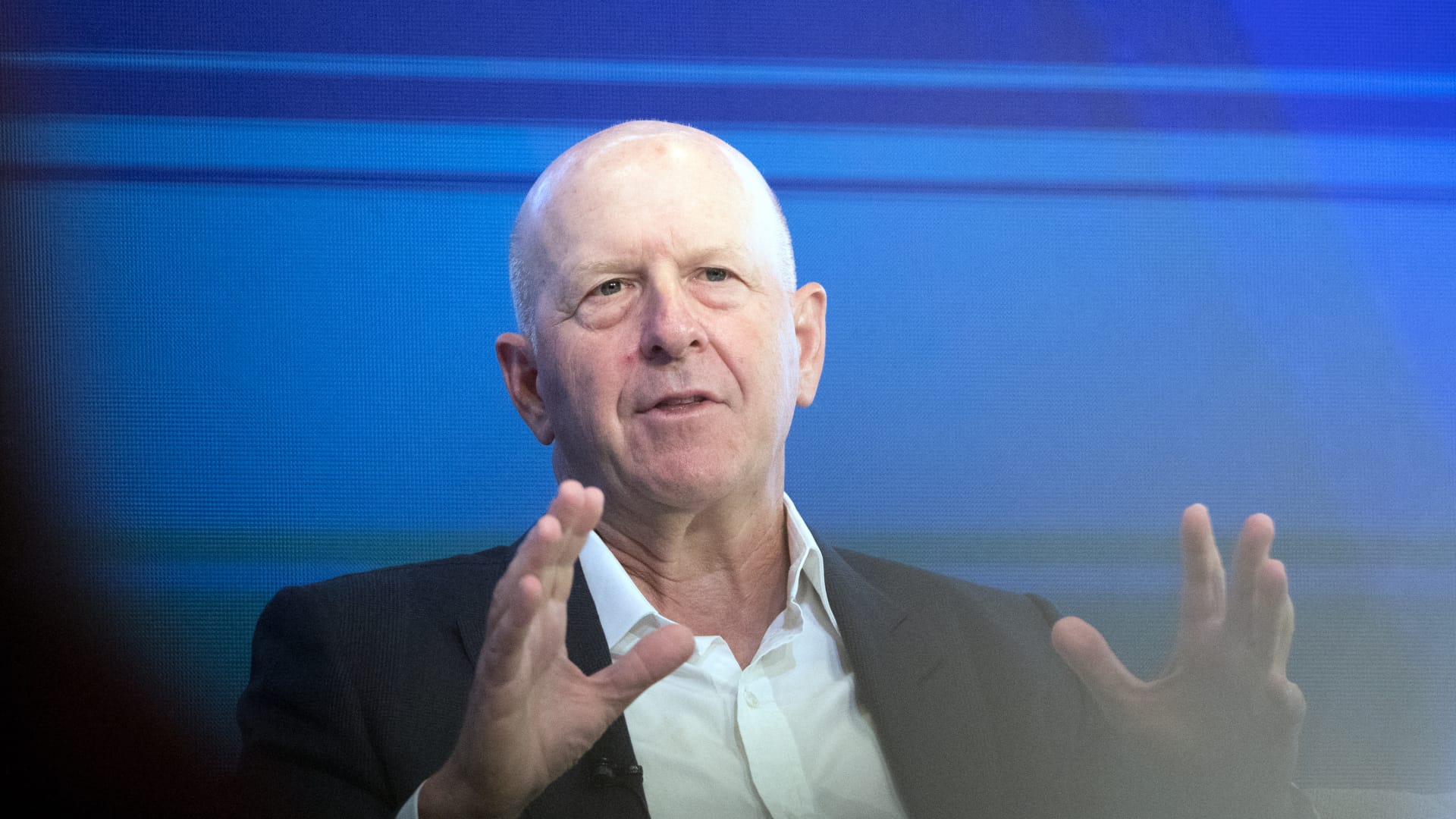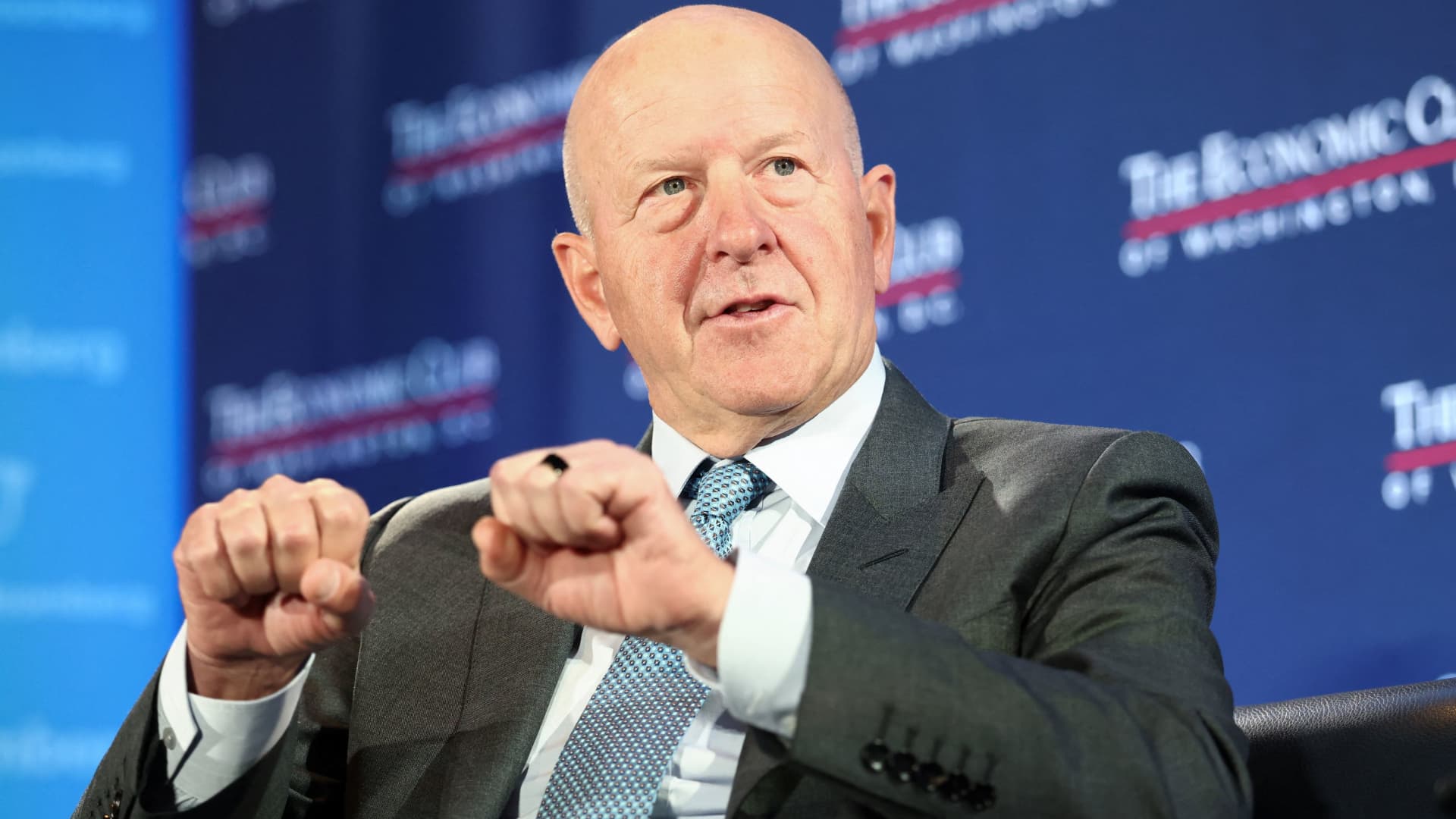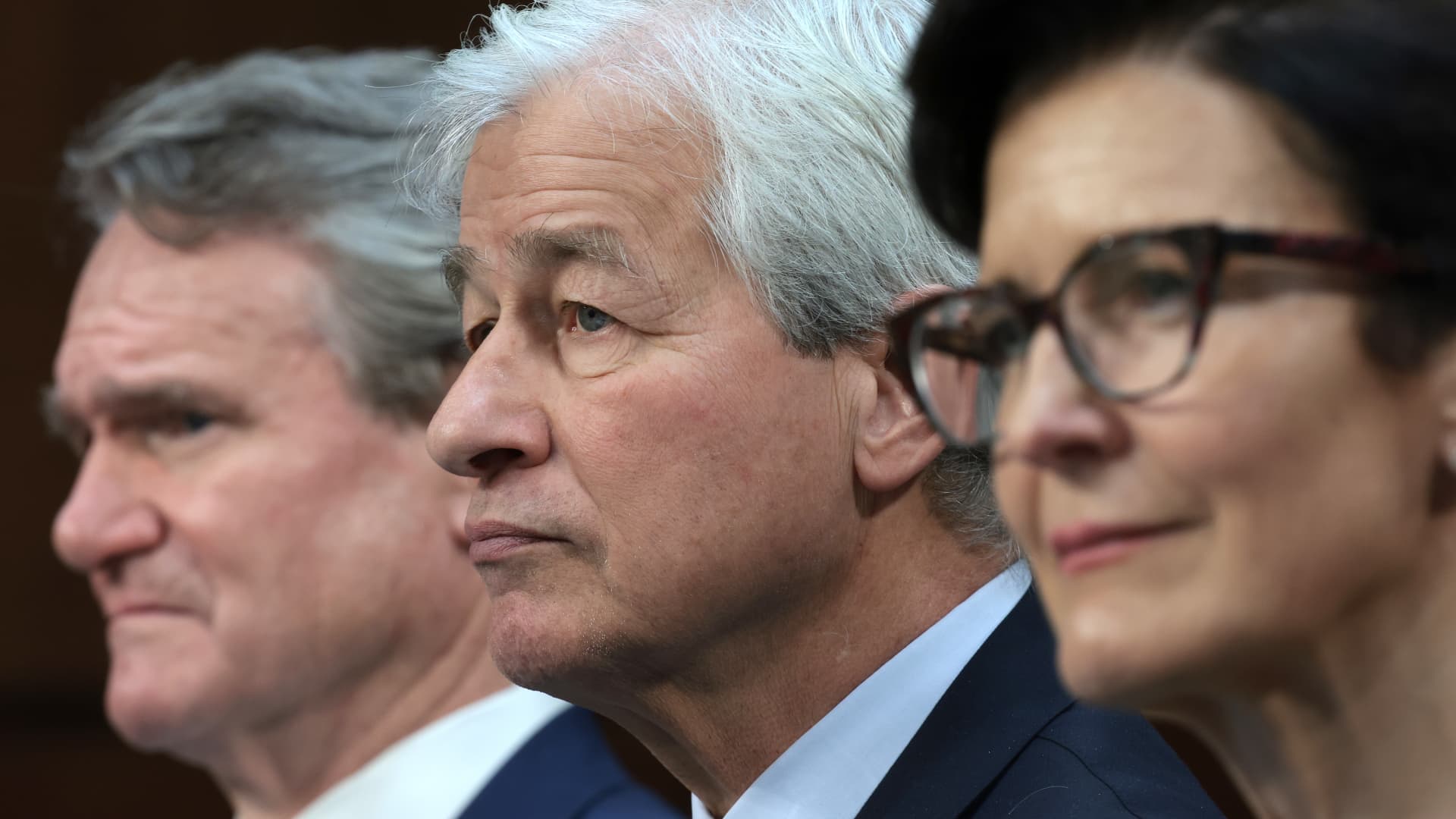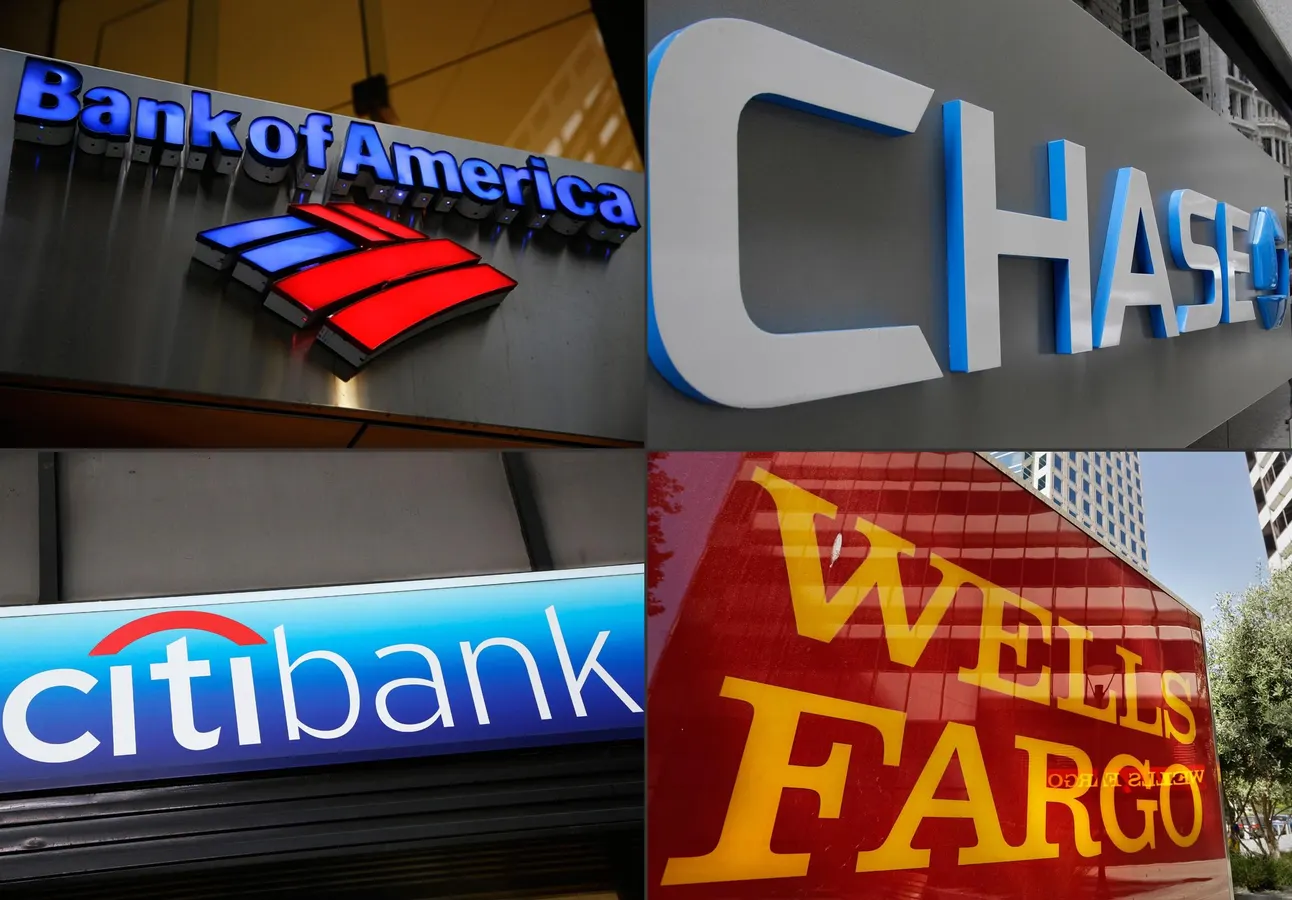
Goldman Sachs Group Inc. is scheduled to release earnings figures on April 13.© 2025 Bloomberg Finance LPGoldman Sachs is set to kick off bank earnings season on April 13, and expectations for America’s globally systemically important banks are running high. Despite escalating geopolitical tensions following the Iran war that began on February 28, the backdrop for large U.S. banks remains surprisingly constructive. Credit conditions are stable, with consumer and corporate default rates still relatively contained, while capital markets activity, particularly trading and underwriting, has remained resilient. Since the Iran war began, U.S. banking stocks have outperformed the S&P 500 showing that investors are not as nervous about banks as they are other sectors in the economy that are more adversely impacted by the war in Iran.Bank stocks have outperformed the S&P 500. Normalized Performance Comparison January 1 – April 7S&PMarket Expectations for Big Bank EarningsDespite the Iran war, banks are likely to show rises in earnings in comparison to Q1 2025.Analyst consensus dataCredit QualityConsumer Credit ProductsA key ratio to monitor when looking at the credit quality of banks assets is the percentage of non-performing loans (NPL) as a percentage of total loans. Loans are typically classified as non-performing when the debtor is 90 days late or more. Banks, of course, should and often have internal systems to monitor when a debtor is late even 30 days. Of the eight GSIBs, the NPL pressure is concentrated at Bank of America, Citibank, JPMorgan, and Wells Fargo, which have large consumer credit card and mortgage portfolios.MORE FOR YOUWhile high oil and food prices are putting American consumers under significant duress, thus far their defaults on loans and mortgages have not escalated significantly. However, they are starting to rise. According to the latest Federal Reserve Bank of New York report on household debt “Aggregate delinquency worsened in Q4 2025, with 4.8% of outstanding debt in some stage of delinquency. Transitions into early delinquency were mixed with mortgages and student loans increasing, while all other debt types held steady. Transitions into serious delinquency ticked up for credit card balances, mortgages, and student loans while auto loans and HELOC decreased slightly.” If the Iranian conflict does not end soon, inflationary pressure will make it harder for consumers to pay back their debt in a timely manner.American household debt has risen 68% since the economy started to recover from the global financial crisis.Federal Reserve Bank of New YorkCorporatesProbability of default for businesses, especially those that already have high levels of debt, has been rising. This is likely to worsen for companies that are being affected by high oil prices and tariff uncertainty. Many of these companies borrow from non-banks, so banks do not have the entire exposure of these defaults.U.S. corporates account for 85% of global defaults year-to-date, February 28, 2026.S&P GlobalPrivate CreditNo doubt investors and analysts will be looking closely at banks’ exposures to private credit. As I wrote earlier this year, banks’ exposures to non-depository financial institutions (NDFIs), which includes private credit and private equity is at historic highs. As a percentage of total assets, the exposures are manageable for big banks. Non Depository Financial Loans includes private credit and private equity firms.Morgan StanleyGiven market nervousness about requested redemptions at private credit institutions, however, there is always a risk that investors will sell bank stocks and bonds when unwelcome news continues to come out about private credit. The focus will be on banks that are lending to private credit firms which are heavily exposed to technology and software firms. Private credit exposures to technology and software firms has investors nervous.Morgan Stanley EarningsNet Interest IncomeWhile the Fed cut rates three times last year, I still expect banks to have a rise in net interest income ranging of about 4 to 7%. Lower interest rates have enabled consumers and businesses to increase their borrowing. Moreover, while rates have decreased, banks have been slow to decrease the rates that they charge consumers for mortgages, credit cards, and other loans.Investment Banking and TradingTax uncertainty and the Iran war have made investors nervous but deals have still grown.DealogicPresident Trump’s tariff uncertainty has corporate leaders on edge. Yet, during the first quarter of 2026, big investment banks have been relatively resilient. Dealogic data shows that U.S. investment banking activity reached $700.8 billion in the first quarter of 2026; this is a 37% increase compared to the same period in 2025. This significant rise was in large part due to a surge in global mergers and acquisitions (M&A) volume.The best performers this quarter were JPMorgan and Bank of America, which growth was driven by an increase in debt capital markets and debt refinancing.Most big banks' debt and equity market transactions grew in Q1 2026 in comparison to Q1 2025.Data from DealogicOn the trading side, market volatility because of the Iranian conflict will likely benefit Bank of America, Citibank, Goldman Sachs, JPMorgan, and Morgan Stanley, the banks with the largest securities and derivatives portfolios. During volatile times, clients trade more. Financial institutions and businesses need to hedge their risks more, and lightly regulated entities like hedge funds can take on more risk. While the stock market has been declining since the Iran war erupted, rising trading volumes in interest rate, equity, foreign exchange, and commodity products will help big banks earn more through spreads and fees.Forbes Articles and Congressional Testimonies By This AuthorForbes Articles Congressional Testimonies Strengthening Accountability at the Federal Reserve: Lessons and Opportunities for ReformA Holistic Review of Regulators: Regulatory Overreach and Economic ConsequencesAddressing Climate as a Systemic Risk: The Need to Build Resilience within Our Banking and Financial System
Big Banks, Bigger Profits: Earnings Season Kicks Off Next Week
Show Me the Money: Bank Earnings Season Arrives — and It's Looking Rich. Despite Iran war, bank earnings are resilient.
929 words~4 min read