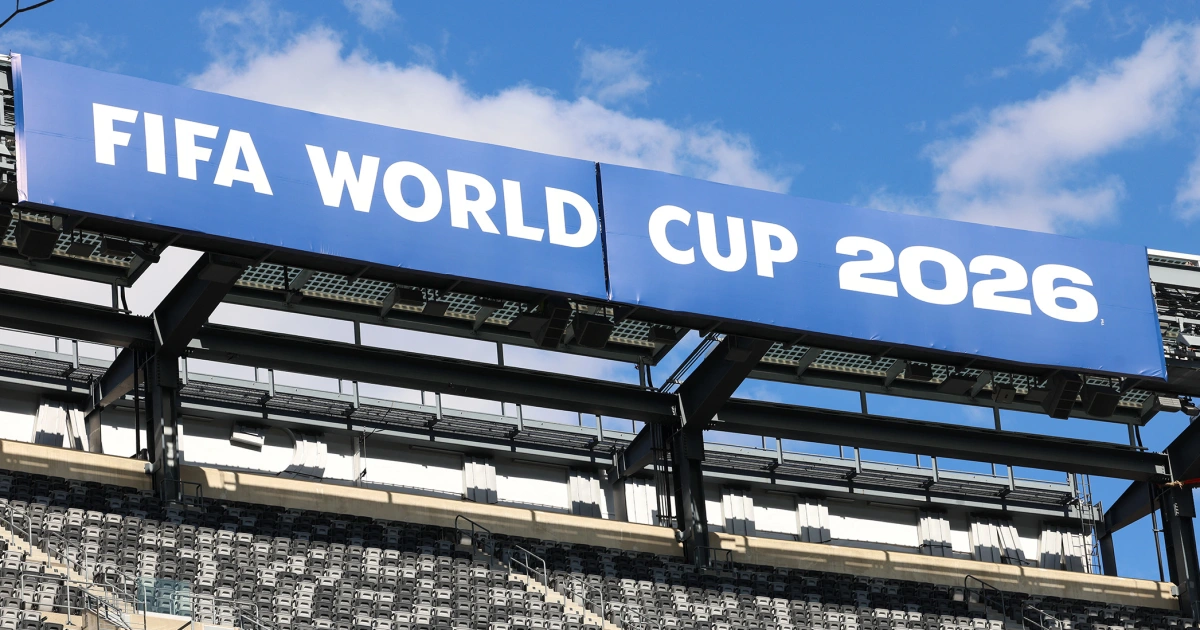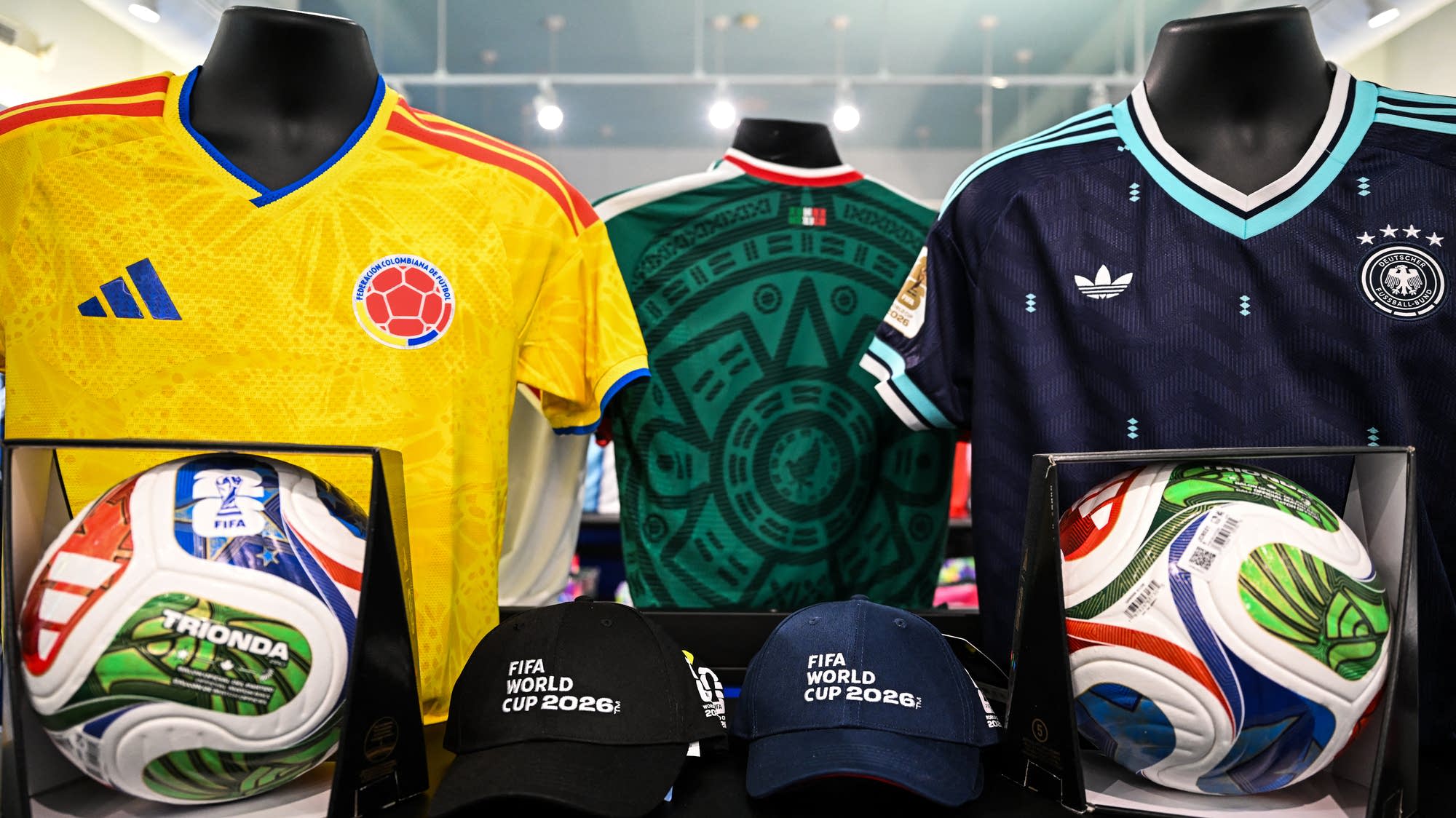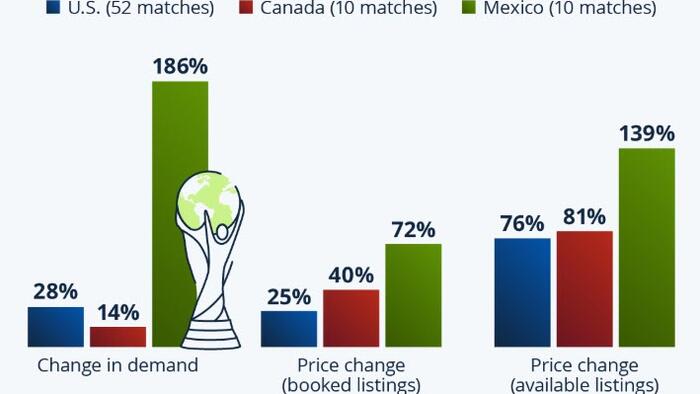
Tempted by the World Cup? But what are the real security issues and costs?gettyThe FIFA World Cup will be held across 16 cities in three countries—Canada, Mexico, and the U.S.—from June 11 to July 19. The tournament will feature 48 teams, and a total of 6.5 million soccer fans are expected to arrive for the games. But before traveling, it’s worth thinking about three things: what to do in each host city, what security issues could shape the journey and how much the whole experience may cost.Where Are The FIFA World Cup Cities?Across the U.S., games will take place in San Francisco, Atlanta, Houston, Miami, Boston, Dallas, Los Angeles, New York/New Jersey, Philadelphia, Seattle and Kansas City. Canada will host games in Toronto and Vancouver, while Mexico’s host cities are Guadalajara, Mexico City and Monterrey.In Toronto, Afar recently suggested wandering the neighborhoods of Kensington Market or Harbourfront. Plus, Toronto is celebrating Pride from June 25 to 28, Luminato performing arts festival from June 3 to 28 and Toronto International Jazz Festival from June 19 to 28. And don’t forget to sample some poutine, a dish of French fries and cheese curds topped with hot brown beef and chicken gravy—perfect for the munchies at halftime. Niagara Falls is also only 90 minutes by car.In Vancouver, Afar recommends two historic neighborhoods within walking distance of the central BMO Field stadium: Gastown and Chinatown. Since the World Cup is taking place at the same time as National Indigenous Peoples Month in June, it makes sense to take a guided walk with Talaysay Tours to learn about indigenous culture and eat at the Salmon n’Bannock, Vancouver’s only Indigenous restaurant for its signature house-smoked sockeye salmon on a bannock—a form of bread served as a diet staple. Vancouver is renowned for short hiking trails, such as the Grouse Grind, a steep trail up Grouse Mountain, or the Capilano Suspension Bridge crossing with 459 feet of steps.Mexico City is a good base for fans who want to mix football with food, art and neighborhood wandering. Condesa, Roma Norte and Parque México all work well for a short stay, and the Andaz Mexico City Condesa is one convenient hotel option in that area. Guadalajara and Monterrey also deserve attention as host cities, especially for travelers who want to build a broader Mexico itinerary around the tournament. But before booking restaurants and neighborhoods, travelers may want to think about the conditions surrounding the tournament itself.The EU Urges FIFA World Cup To Reassure Fans Over SecuritySecurity is likely to remain part of the conversation as the tournament approaches. EU sports commissioner Glenn Micallef recently urged FIFA to do more to reassure fans, warning of geopolitical tensions and citing concerns linked to the U.S., Mexico and Europe’s traveling supporters. For instance, Guadalajara in Mexico is hosting four World Cup games, and this is in the same state where a cartel leader was killed recently, which started a chain of violent attacks and reprisals.That does not mean the World Cup is unsafe, but it does mean the logistics may be more complicated than in past tournaments, taking place against a backdrop of tighter border scrutiny, higher geopolitical sensitivity and a greater need for official reassurance.The FIFA World Cup Is Going To Be ExpensiveTraveling to a World Cup is never cheap, but against an unforeseen backdrop of a global energy crisis and increasing flight costs, it could be eye-watering. The New York Times ran an Athletic article chronicling the expected cost. The plane ticket may cost $1,000 if you’re traveling from outside the U.S. Plus, with many stadiums situated outside the city centers, such as in Santa Clara and not San Francisco or Arlington instead of Dallas, the cost of car parking is likely to be up to $75 per game. An Uber could cost around $100 from the nearest city centers. During research, hotel prices in the 16 host cities have increased by 300% compared to late May, just a couple of weeks before the World Cup starts. Throw in the heavy pricing for tickets and stadium food and drink, not to mention the cost of meals for the stay, then this is going to be what the journalist Henry Bushnell in The Athletic article calls "the World Cup for either the financially irresponsible or for the 1% and anything but the inclusive World Cup that FIFA claims it’s going to be.”In addition, according to CNTraveler, some fans of teams such as Cape Verde, which just qualified for its first-ever World Cup match, may be asked to post bonds of up to $15,000 to attend the matches in the U.S. There are 50 countries that fall under the U.S. State Department visa bond program, designed to curb visa overstays. It is basically a security deposit that overlays the standard visa process—travelers apply for a business or tourist visa and then find out during a consular interview whether they need to post a bond, which is then refunded after they return home. And FIFA’s official resale and last-minute sales phases mean demand will remain intense right up to kickoff. The final purchasing period for match tickets launched on April 1 and will run until the end of the tournament on July 19—you can still buy and resell tickets, but they may be pricey, well exceeding the starting price of $60 per person. The FIFA World Cup has always been a premium travel event, but this year may see added friction. Fans with tickets can find ways to make trips exceptional by pairing matches with neighborhood-hopping, cultural events and day trips, but the overall experience is unlikely to be budget-friendly. A complete match schedule can be found here.Friday 10 April—this article was amended to attribute the quote to the journalist Henry Bushnell.MORE FROM FORBESForbesItaly Strengthens Defenses Against OvertourismBy Alex LedsomForbesEuropeans Urged To Travel Less As Fear Of Energy Shortage IncreasesBy Alex LedsomForbesPortugal Golden Visa—Government Votes To Extend Citizenship TimelineBy Alex Ledsom
The FIFA World Cup Cities And Real Costs You Might Pay While Visiting
If you're considering traveling to a World Cup match, here are the host cities, and the real costs you could pay.
988 words~4 min read