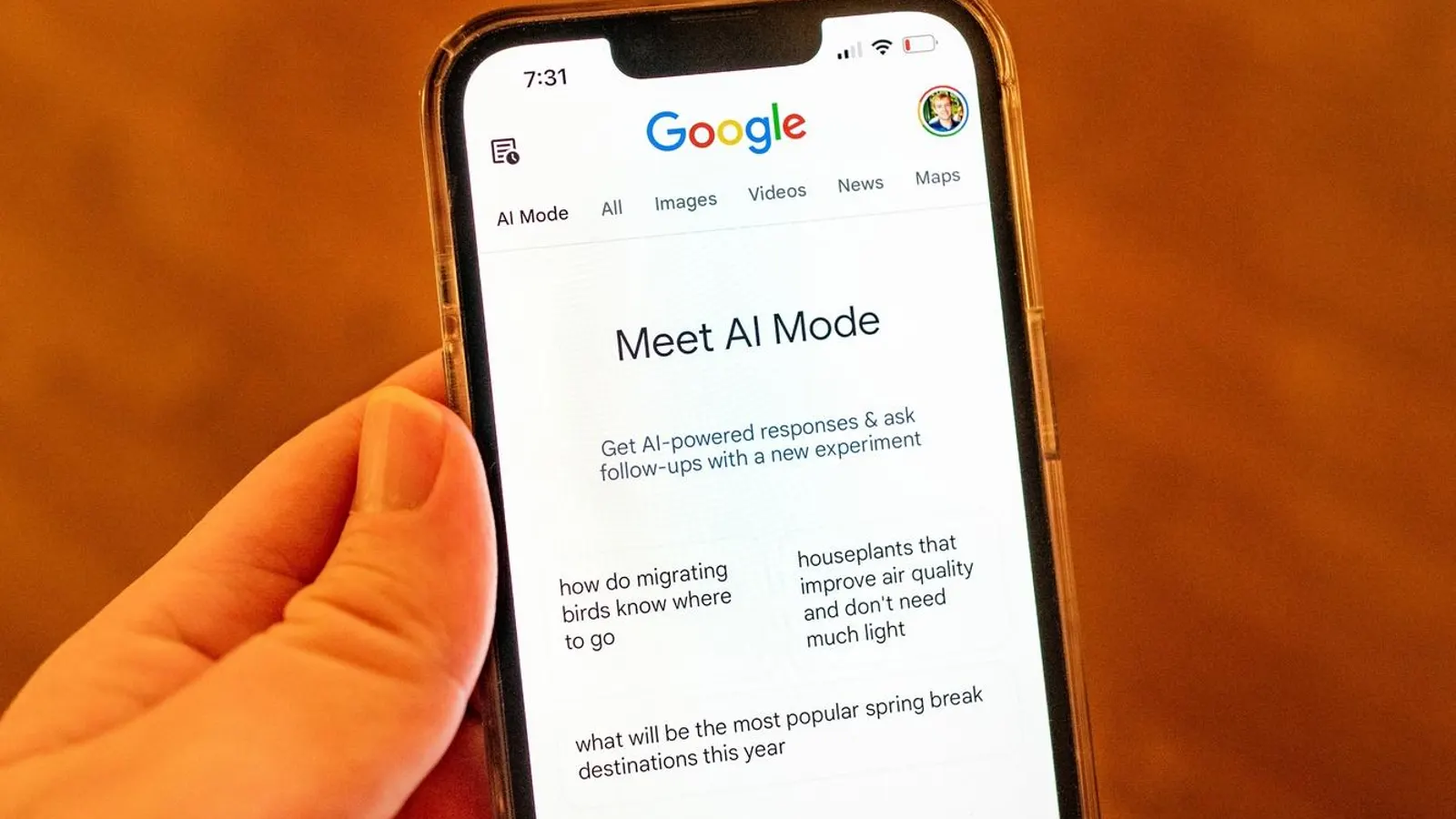
ToplineAfter a wave of lawsuits targeting the AI industry, Google is rolling out new safeguards for its Gemini chatbot to detect potentially harmful conversations and signs of self-harm, including built-in mental health support features. Close-up of a person's hand holding an iPhone and using Google AI Mode, an experimental mode utilizing artificial intelligence and large language models to process Google search queries, Lafayette, California, March 24, 2025. (Photo by Smith Collection/Gado/Getty Images)Gado via Getty ImagesKey FactsGoogle plans to add a system that directs users to mental health hotlines when conversations indicate a risk of self-harm or suicide that will allow the user to chat, call, text, or visit the crisis hotline website.The company also introduced a module that displays “Help is available” during conversations about mental health.Alongside the new features, Google committed $30 million over the next three years to support global crisis hotlines, to expand their capacity to provide immediate and safe assistance to people in need.The company is also expanding its partnership with ReflexAI, including $4 million in funding and integrating Gemini into its training tools to help organizations scale mental health support services.Key BackgroundFamilies across multiple states have filed lawsuits against generative AI companies, including Character.AI, OpenAI and Google, alleging their platforms have contributed to mental health struggles among teens and adults. In March 2026, Google was hit with a federal wrongful death lawsuit filed by the family of a 36-year-old Florida man who died by suicide after allegedly being influenced by Gemini. States Leading AI regulationIn response to growing concerns, lawmakers in several states have begun moving to regulate the use of AI, particularly in mental health settings. States including Illinois, Nevada, California and New York have introduced or passed measures aimed at limiting AI’s role in clinical decision-making, requiring clearer disclosures when users interact with AI and establishing protections for minors. Other states, such as Utah and Texas, have taken steps to oversee AI use in healthcare by creating regulatory bodies or requiring providers to inform patients when AI is involved in their care and to maintain human oversight.
Google Adds Mental Health Safeguards To Gemini After Wave Of AI Lawsuits
Google Adds Mental Health Safeguards To Gemini After Lawsuits
344 words~2 min read