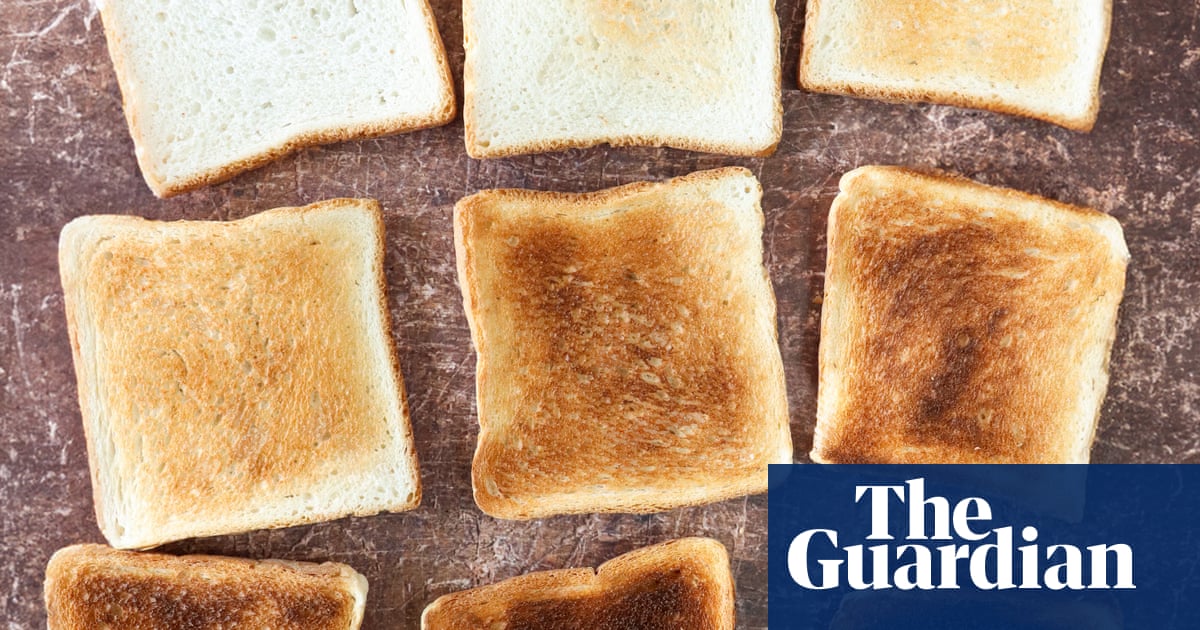
Bread and biscuits made from Crispr-edited wheat showed substantially reduced acrylamide levels
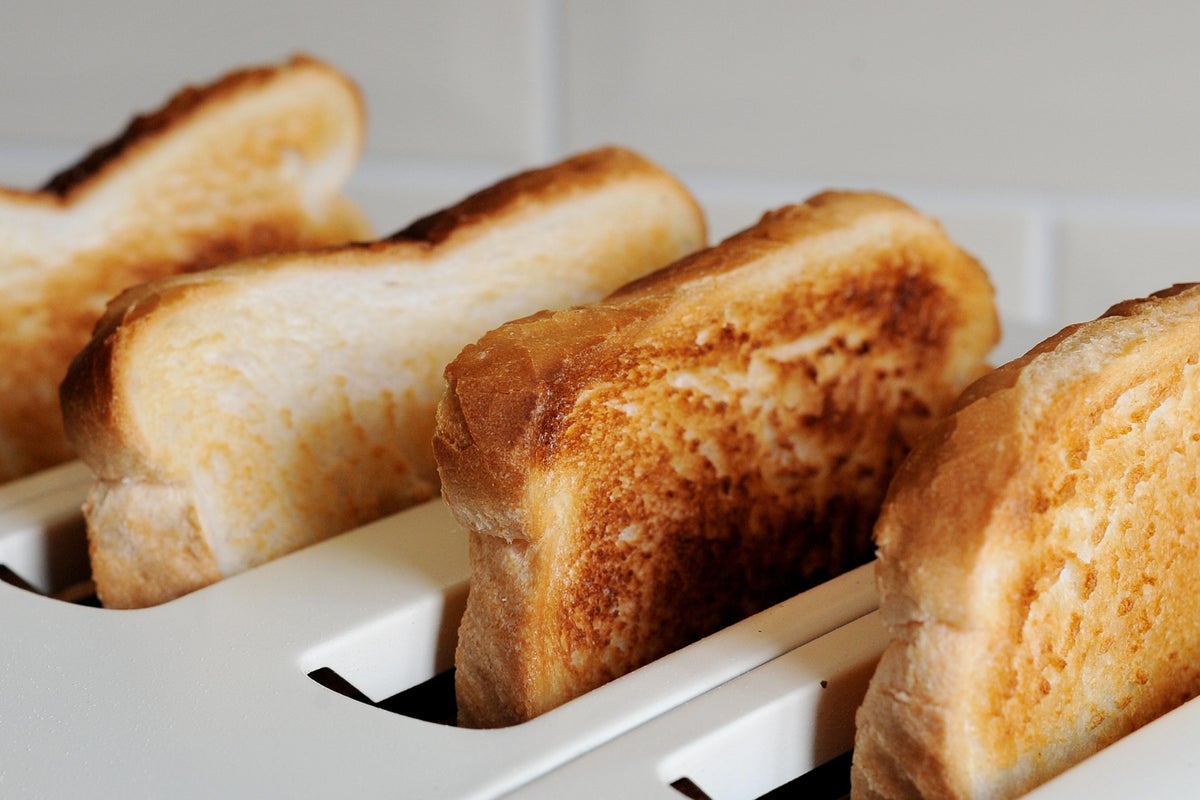
Scientists have developed gene-edited wheat that can be used to make bread that is less carcinogenic when toasted.
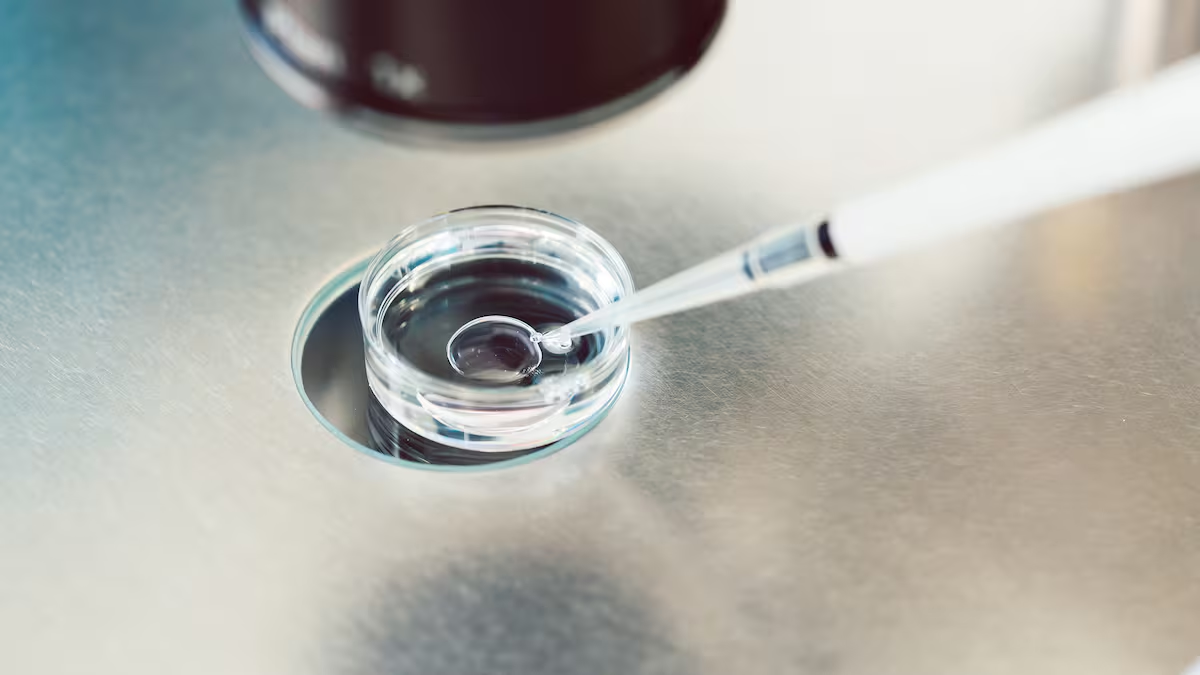
Researchers at Rothamsted Research in Harpenden, Hertfordshire, used Crispr genome editing, which allows researchers to selectively edit the DNA of living organisms. This technology was adapted for use in the laboratory from naturally occurring genome editing systems found in bacteria.
Wheat contains an amino acid called free asparagine, which the plant uses to store nitrogen. When bread is baked, fried or toasted, this amino acid converts into a toxic compound called acrylamide, which scientists have classified as a probable carcinogen.
Results from two years of field trials show that wheat produced using Crispr can have significantly lower concentrations of free asparagine without affecting crop yields. This then translates into lower acrylamide formation in food products.