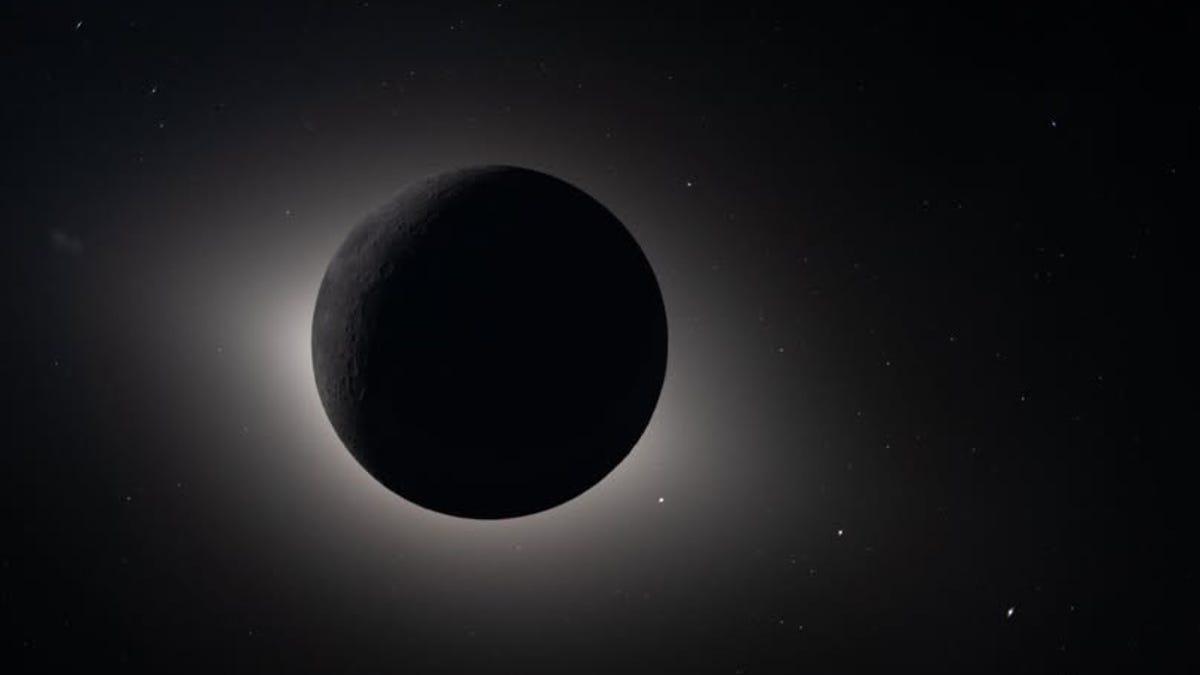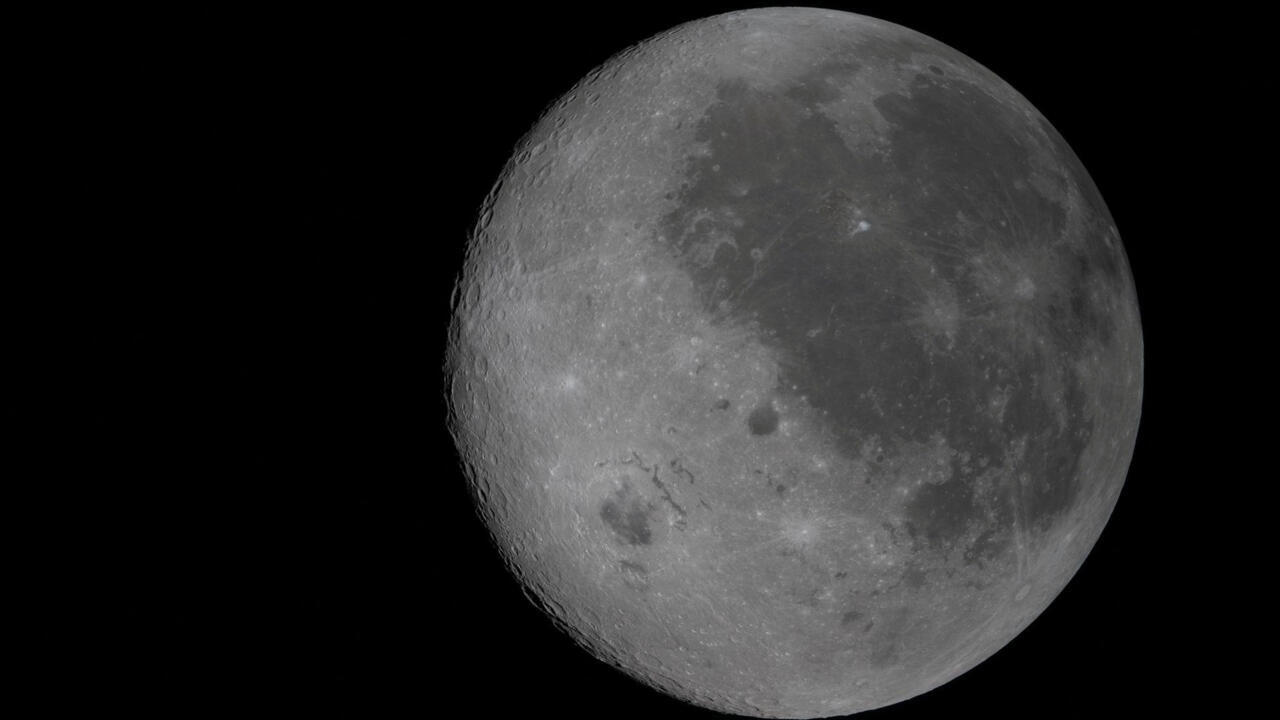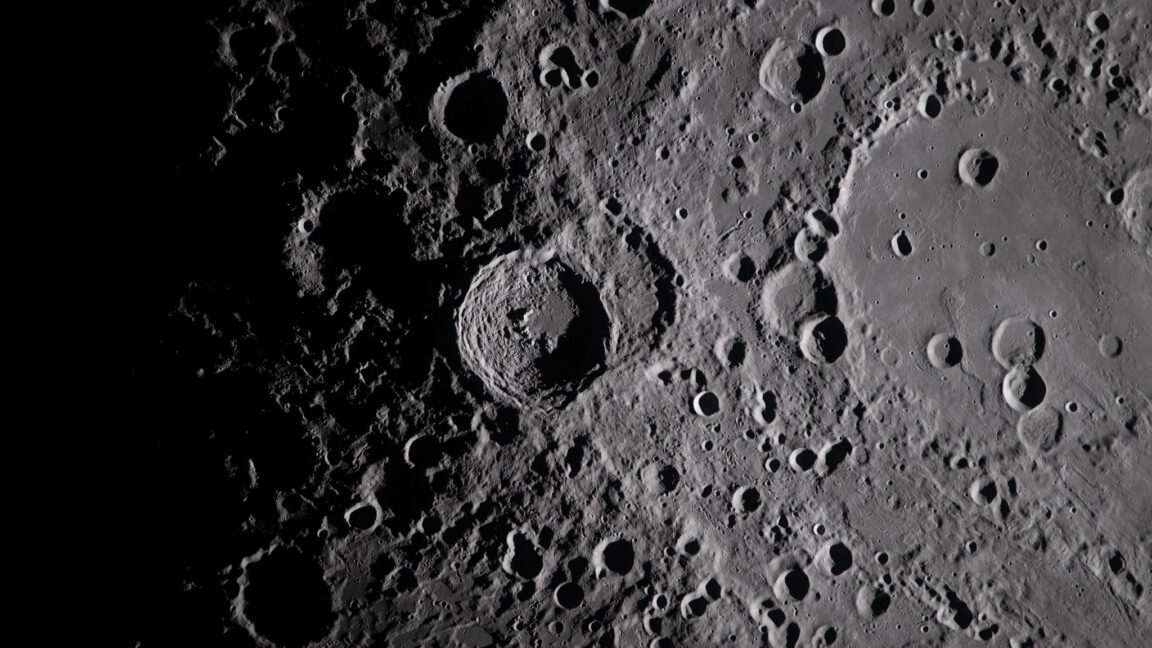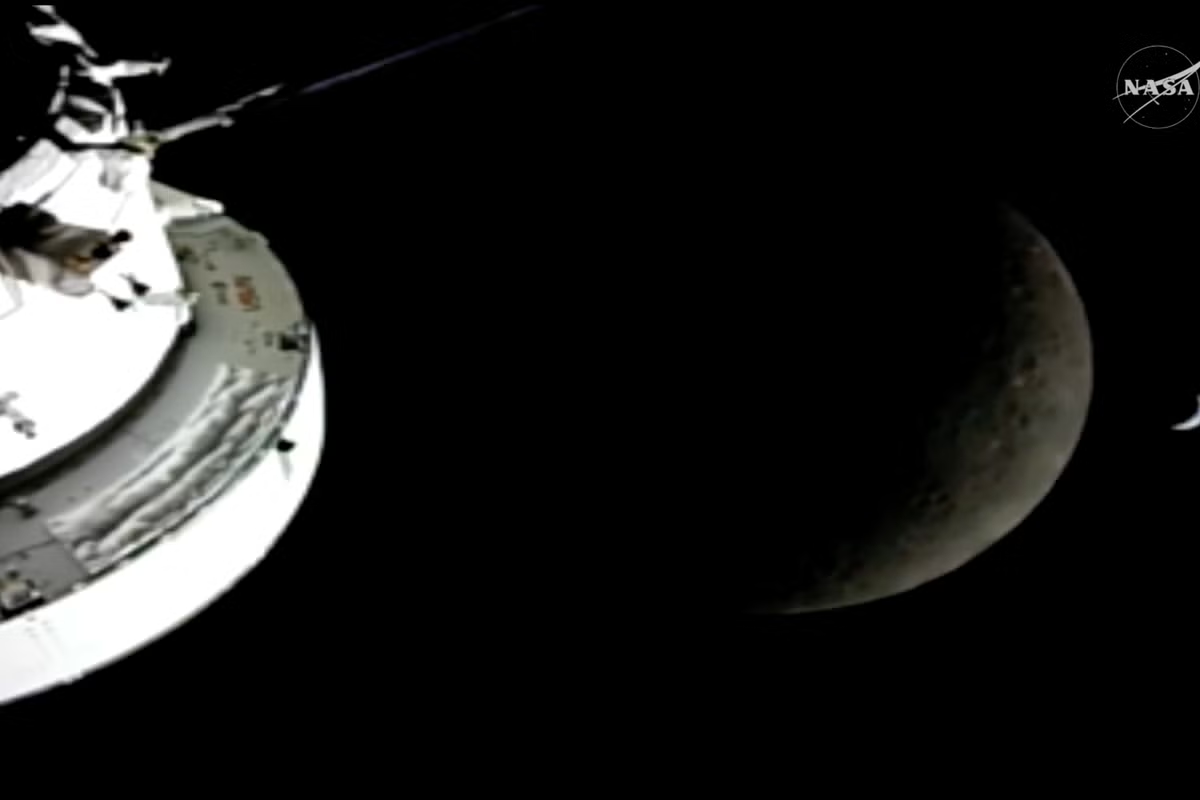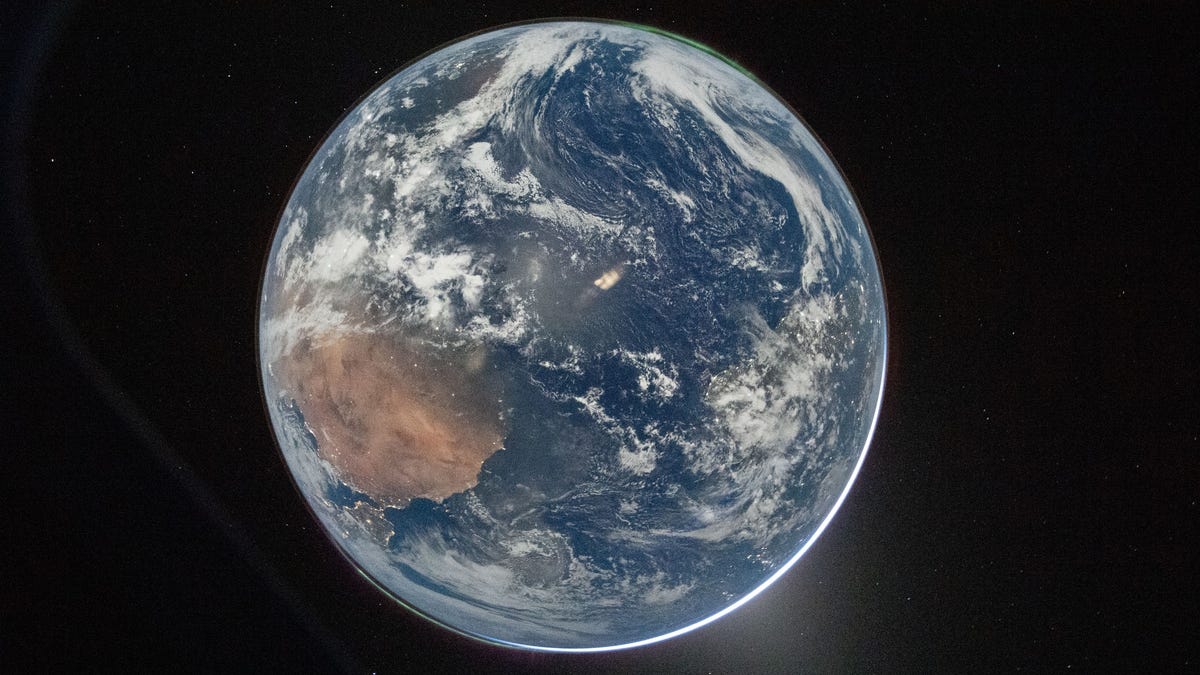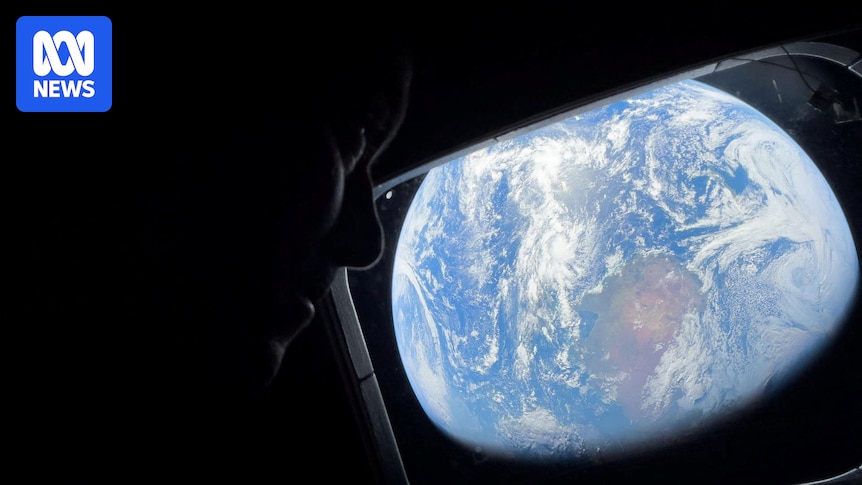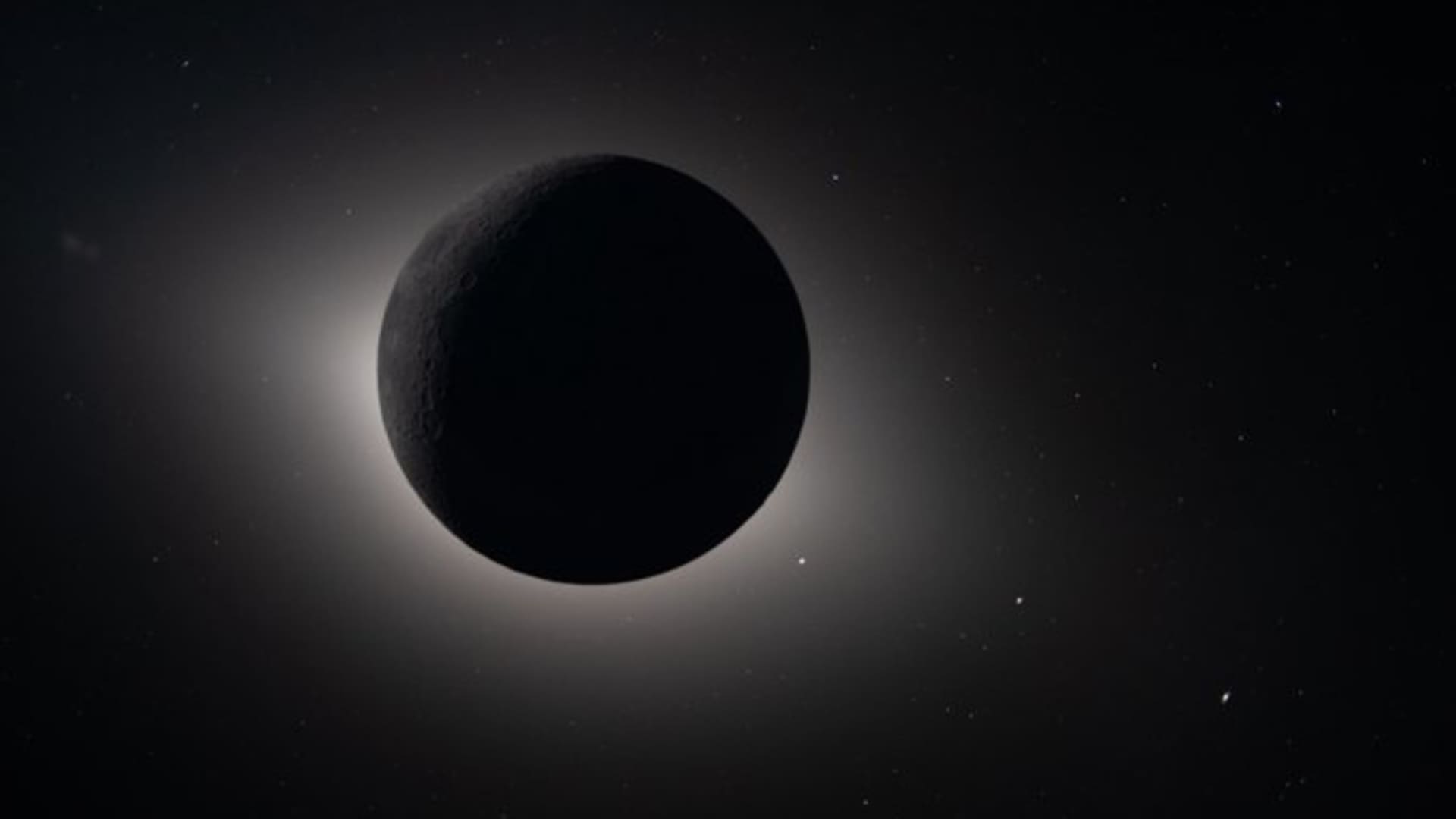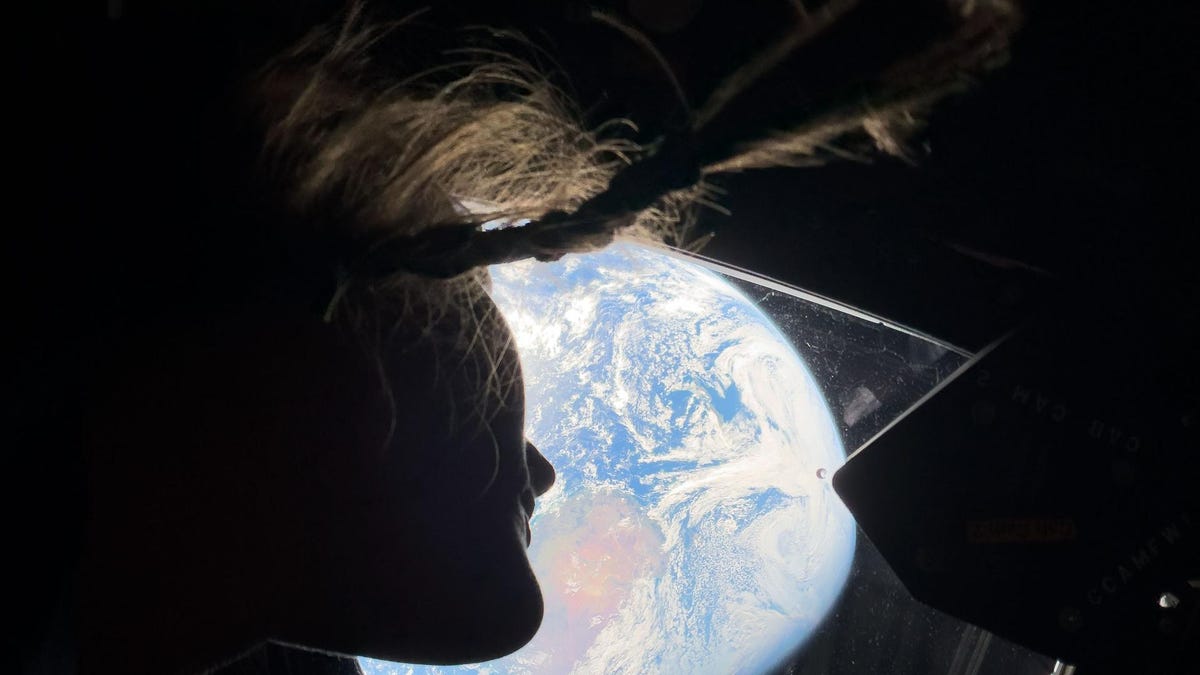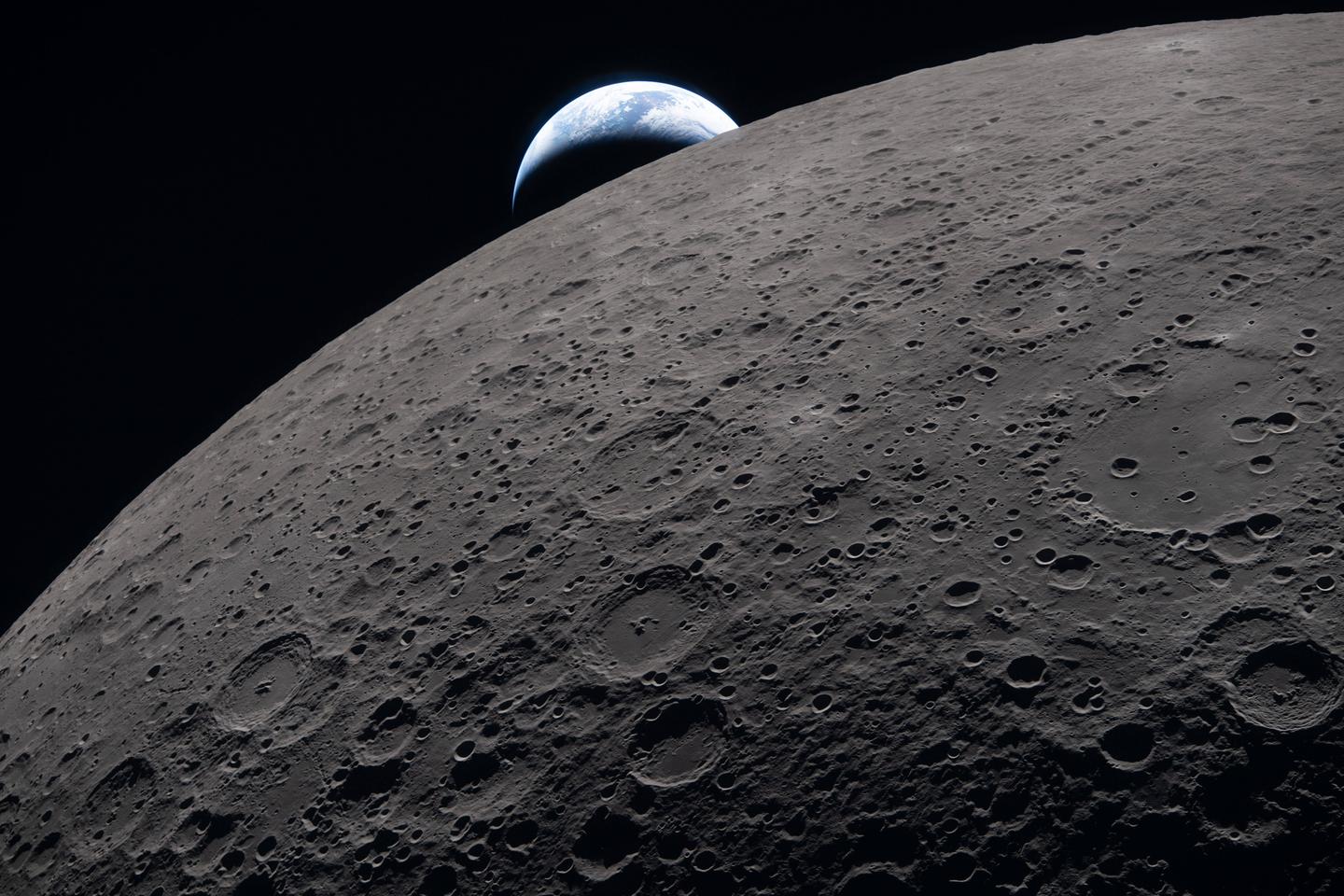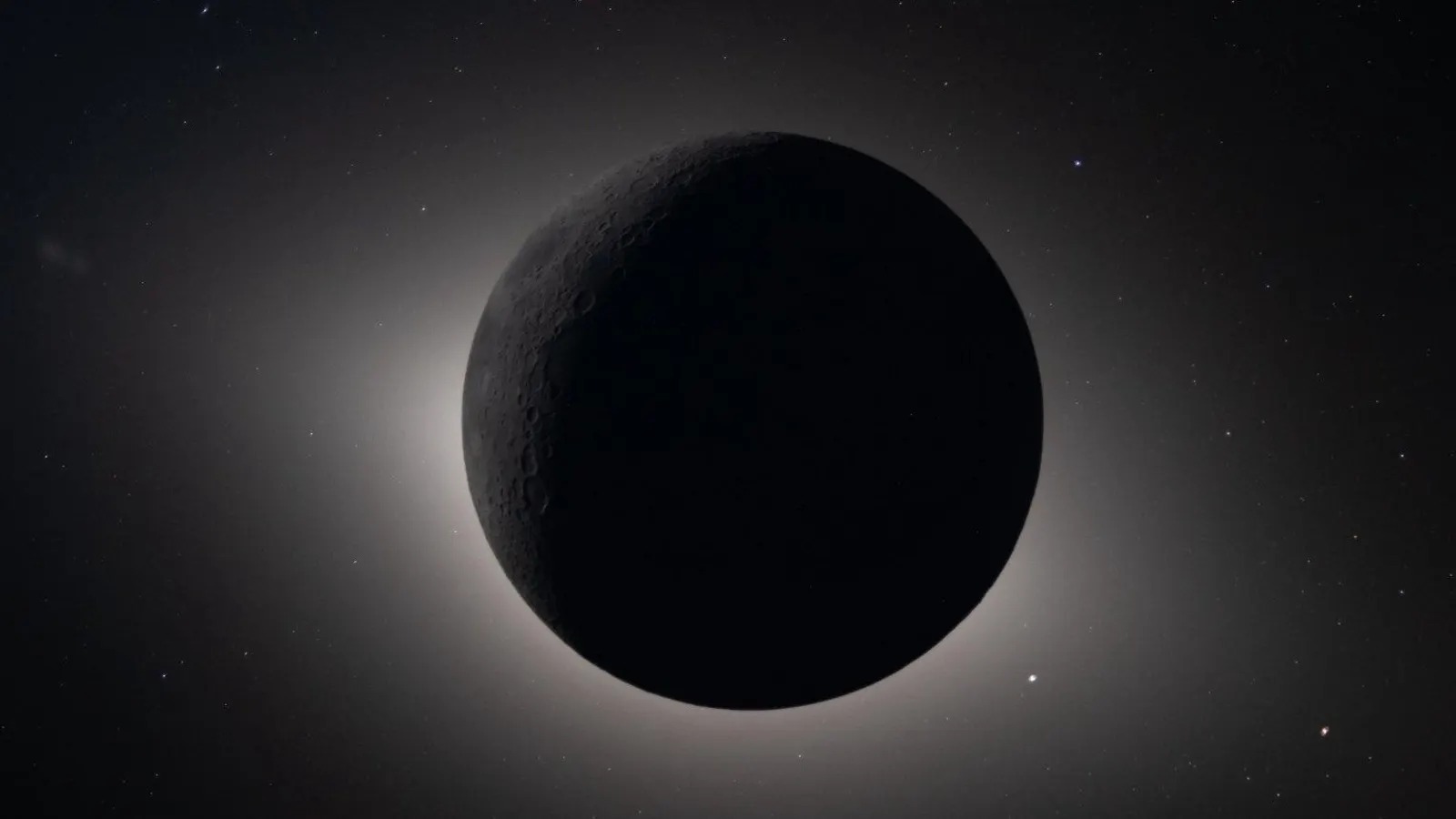
ToplineNASA’s Artemis crew just witnessed a total solar eclipse from space — the first solar eclipse ever seen by humans from behind the moon. The exquisitely rare sight of the solar corona around a dark moon as seen from lunar orbit came shortly after they had watched “Earthset” and “Earthrise” and imaged targets on the moon’s far side, some never before seen by humans. Although this eclipse was only viewed from the crew’s position in space, Earth is on the cusp of experiencing three total solar eclipses viewable from Earth in under two years — something that only occurs every 18 years or so. Totality, beyond Earth, on April 7, 2026. From lunar orbit, the Moon eclipses the Sun, revealing a view few in human history have ever witnessed.NASAKey FactsThe four astronauts in NASA’s Orion spacecraft experienced a total solar eclipse for 57 minutes from 8:35-9:32 p.m. EDT on Monday, April 6. A rare run of total solar eclipses begins later this year, with three events in just 710 days. This short “golden age” of eclipse-chasing gives skywatchers multiple chances to experience totality — from the Arctic and Mediterranean to ancient deserts, archaeological wonders and major cities.A map of the path of totality on Aug. 12, 2026. Eclipse2026.is2026 Total Solar EclipseThe first in the sequence begins over Siberia, crosses Greenland and Iceland and reaches northern Spain, bringing mainland Europe its first widely visible total solar eclipse since 1999. Totality lasts 2 minutes 18 seconds at its maximum, but the low sun — especially in Spain — promises unusually dramatic views and striking photo opportunities. 2027 Total Solar EclipseWidely dubbed the “eclipse of the century,” this event sees the moon’s shadow sweep across southern Spain, North Africa and the Middle East, with extraordinary maximum totality of 6 minutes 22 seconds — the longest land-based totality of the 21st century. Its long duration, high sun angle and strong likelihood of clear skies — particularly in Tunisia and Egypt — make it arguably the standout and most sought-after eclipse of the trio. 2028 Total Solar EclipseThe final eclipse arrives less than a year later, crossing the Cocos Islands, Christmas Island, Australia and New Zealand, delivering a rare total solar eclipse to Sydney Harbor for the first time in generations. In remote parts of Western Australia, totality will reach 5 minutes 10 seconds at its maximum, combining a long duration with a high chance of clear skies. A map showing the path of totality on March 30, 2033. Michael Zeiler/EclipseAtlas.comWhen Is The Next ‘great American Eclipse?’It’s been almost exactly two years since the last “Great North American Eclipse” on April 8, 2024. The next opportunity to witness totality in the U.S. will arrive on March 30, 2033, when darkness in the day for up to 2 minutes and 37 seconds will be possible from Alaska. The March 30, 2033, total solar eclipse will carve a broad path across the Arctic, stretching from far eastern Russia into northwestern Alaska. The next total solar eclipse for the contiguous U.S. states comes on August 22, 2044, when totality will briefly touch Montana and North Dakota, though most eclipse-chasers will head to Canada. A lunar year later, on Aug. 12, 2045, a coast-to-coast total solar eclipse dubbed the “Greatest American Eclipse” will see totality last six minutes from the West Coast to Florida — one of the most spectacular celestial events of the 21st century.Further ReadingForbesArtemis Astronauts See Earthset, Earthrise And A Total Solar EclipseBy Jamie CarterForbesOnly Astronauts Will See Monday’s Total Solar Eclipse — Stream It LiveBy Jamie CarterForbesThe Apollo 11 Crew Saw Something Incredible 50 Years Ago Today That No-One Ever MentionsBy Jamie CarterForbesThe Next U.S. Total Solar Eclipse Is 7 Years Today — In AlaskaBy Jamie CarterForbesIt’s 500 Days Until 21st Century’s Longest Total Solar EclipseBy Jamie CarterForbesWhy To Stay Alive Until 2045 — The Biggest Day Ever For NASA And DisneyworldBy Jamie CarterForbes‘Great Australasian Eclipse’ Countdown Begins—Why You Need To Plan NowBy Jamie CarterForbesGreenland, Iceland And Spain To See A Total Solar Eclipse In 200 DaysBy Jamie CarterForbes9 Places To Experience The Next Total Solar Eclipse A Year From TodayBy Jamie Carter
Artemis Astronauts Just Saw A Total Solar Eclipse — Now It’s Your Turn
The four Artemis II astronauts in Orion witnessed a spectacular total solar eclipse during their lunar flyby on Monday, April 6. Here’s how to see one yourself.
688 words~3 min read