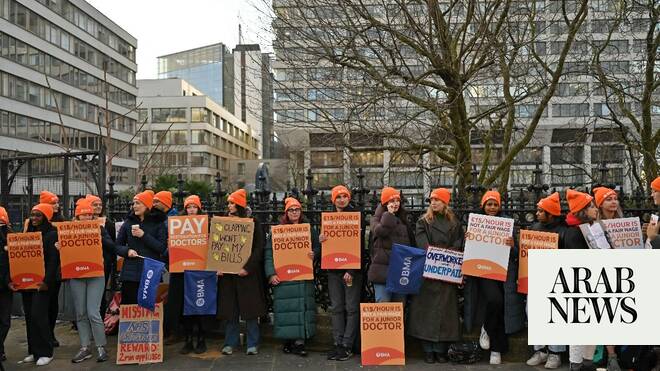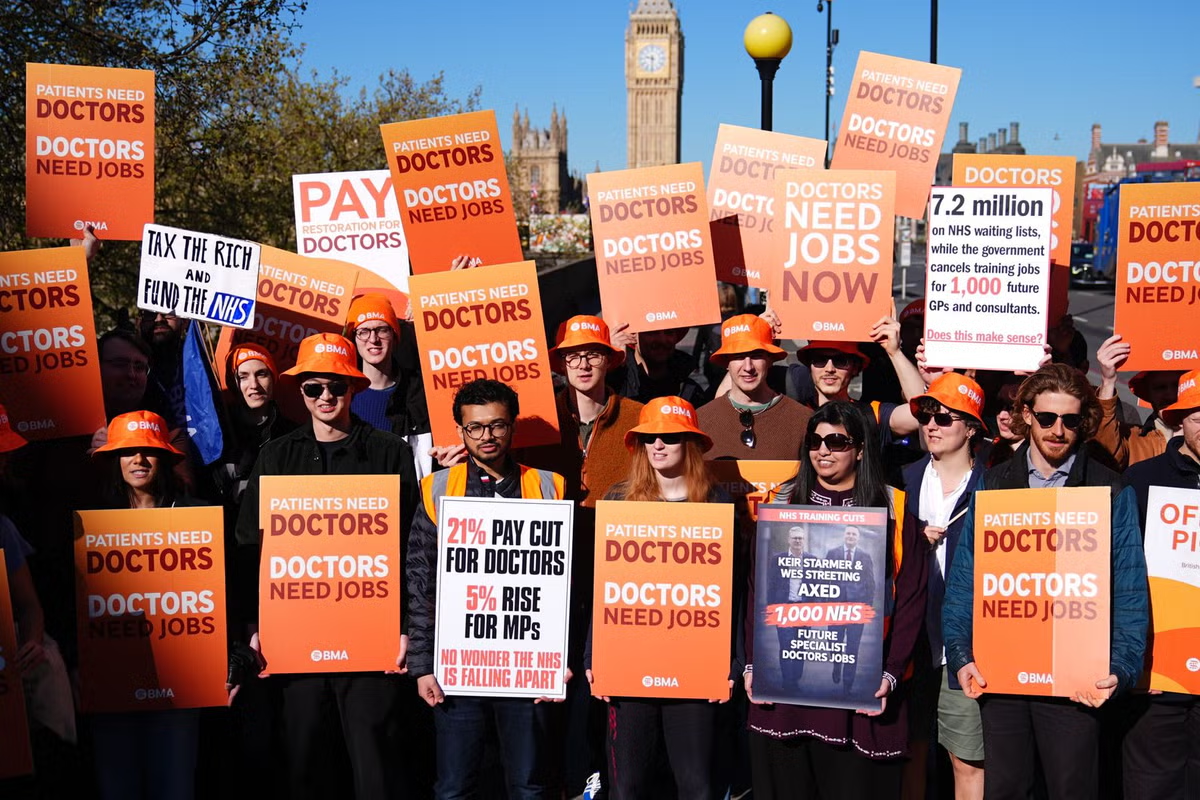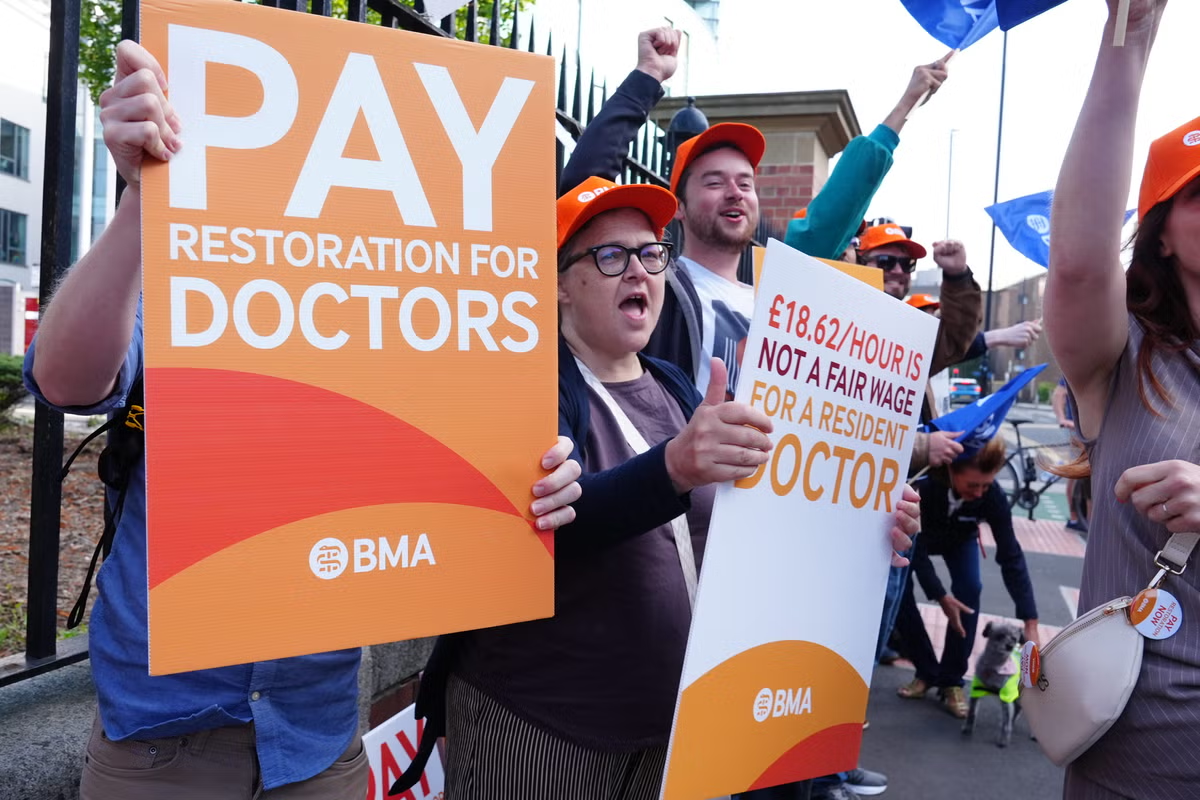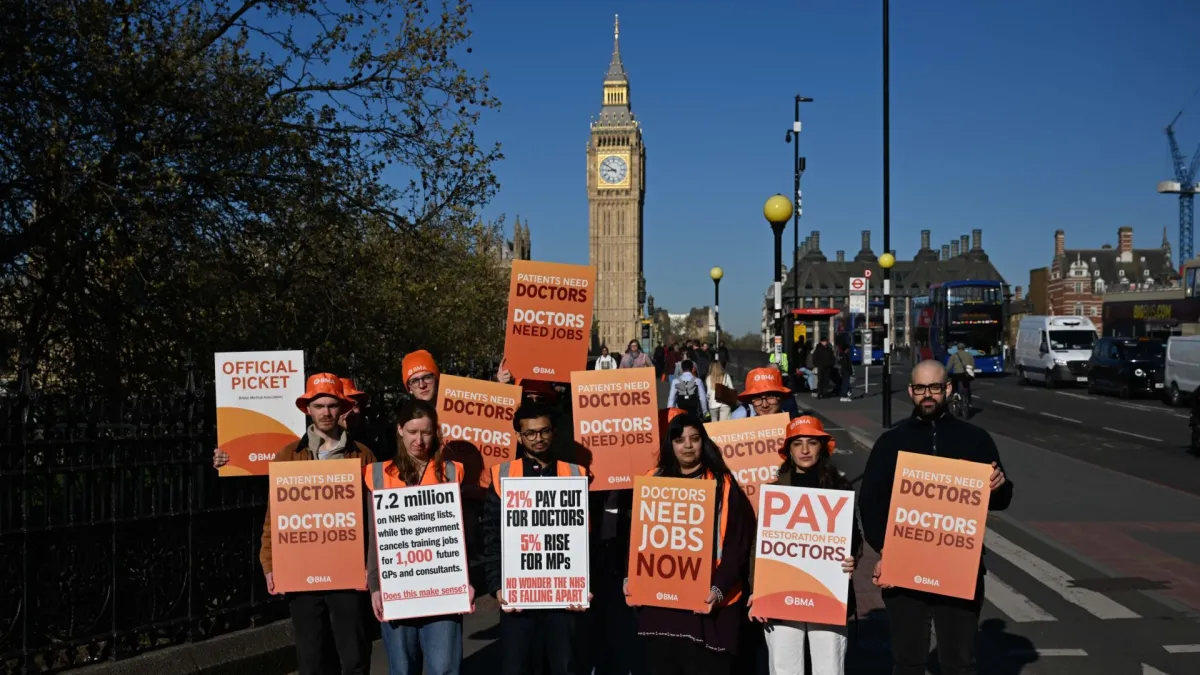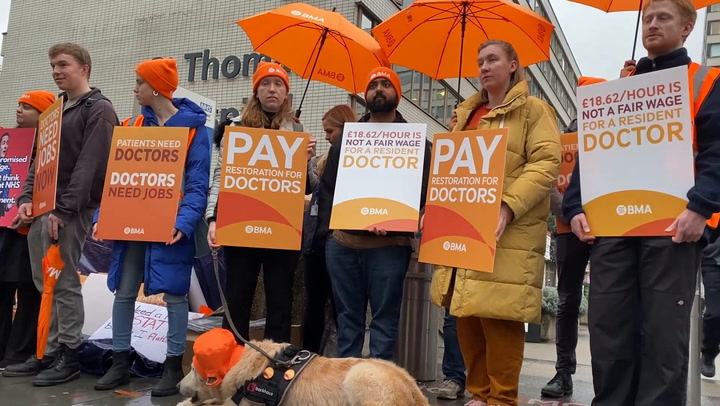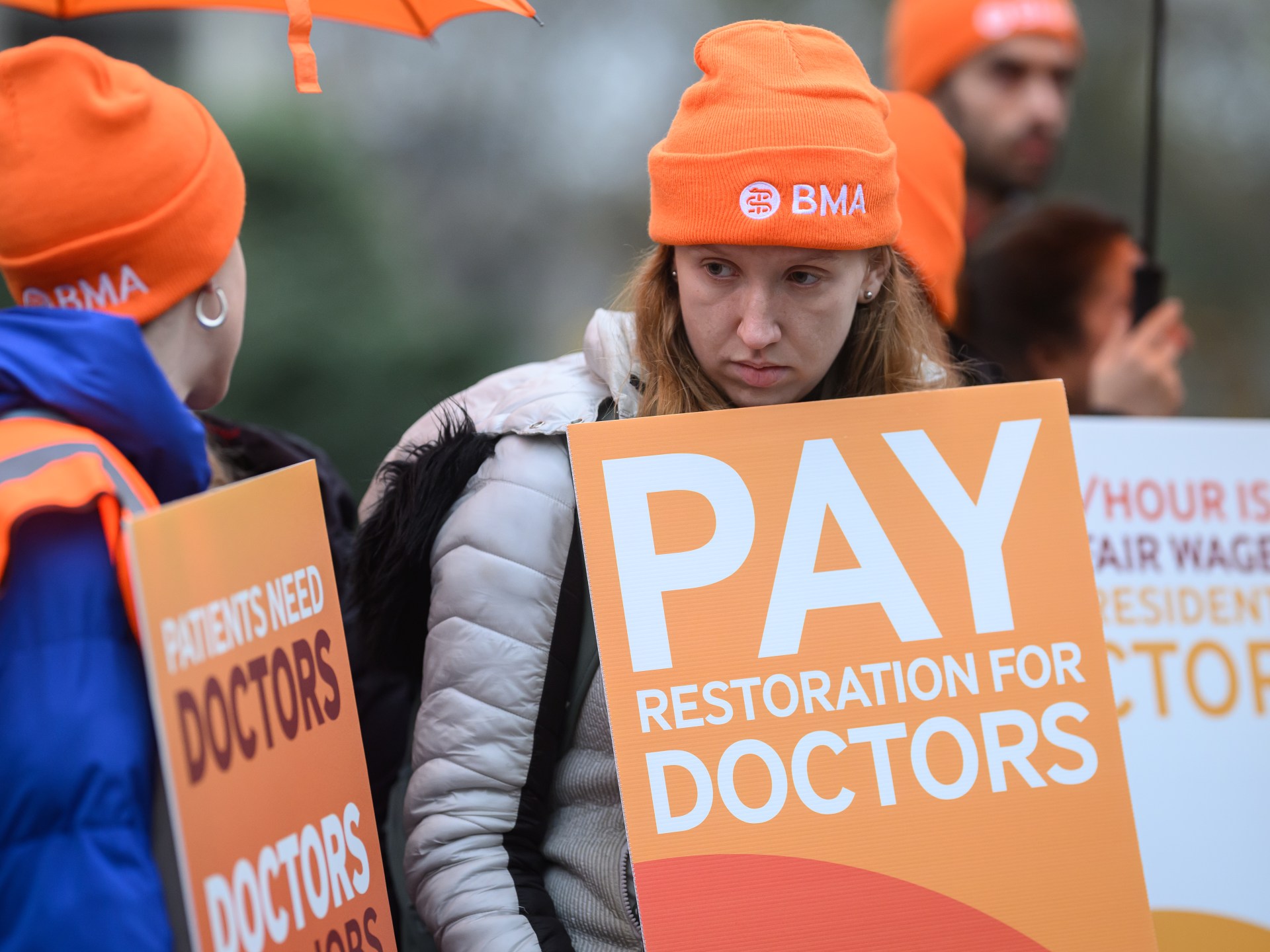
Withdrawal of additional speciality training roles amid strike deadlock has left some doctors with uncertain future
After almost two years on the NHS frontline as a resident doctor, Heather Gunn says she is bracing herself for unemployment. Like many of her colleagues, she was desperate to secure one of the up to 4,500 additional training posts the government agreed to introduce in England over three years to help doctors progress into more specialised fields.
The posts were promised in negotiations between the doctors’ union, the British Medical Association (BMA), and the government in a long-running dispute over resident doctors’ pay and job security.
Last week, with disagreements on pay still unresolved, the first 1,000 of these posts were withdrawn. Talks between the parties had broken down again and the union had refused to call off its 15th strike since 2023, which is scheduled to begin on Tuesday morning and last six days. The health secretary, Wes Streeting, told the BMA in a letter shared on his social media that it would not be “operationally or financially possible” to make the posts available while NHS providers grappled with the financial fallout from industrial action.
Gunn, 27, had hoped to secure a post in paediatrics or emergency medicine. Resident doctors, formerly known as junior doctors, are in the first years of their career, with many on fixed-term contracts. The withdrawal of the new roles means Gunn will have no job to go to when hers ends in August. Yet she remains supportive of the strikes and says she “absolutely” plans to take part.