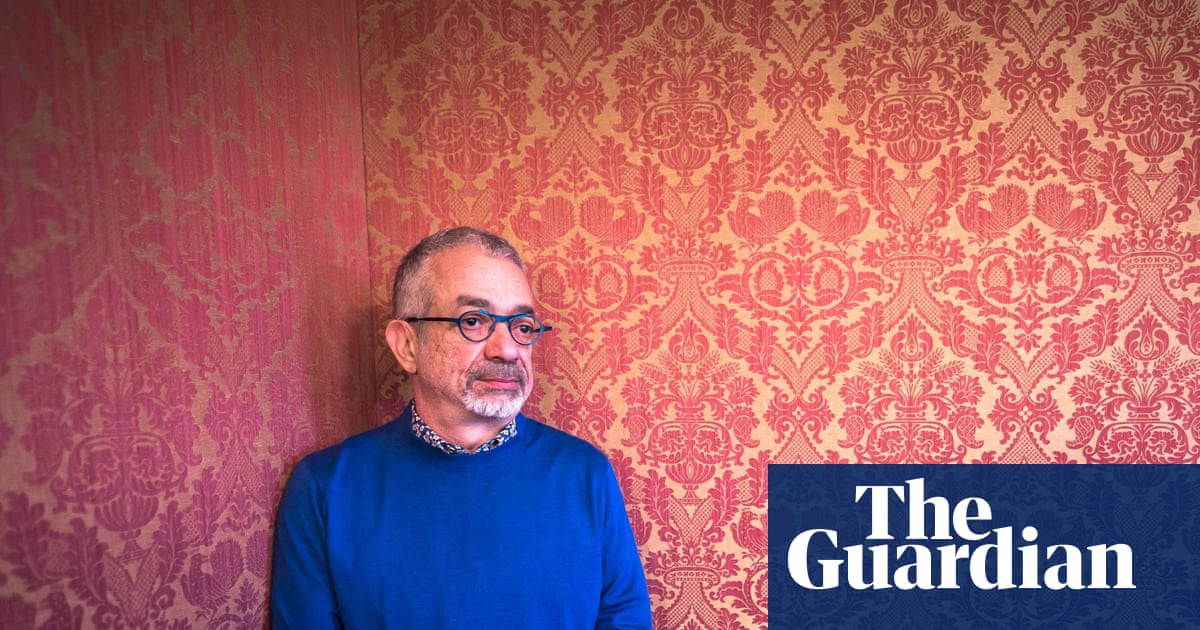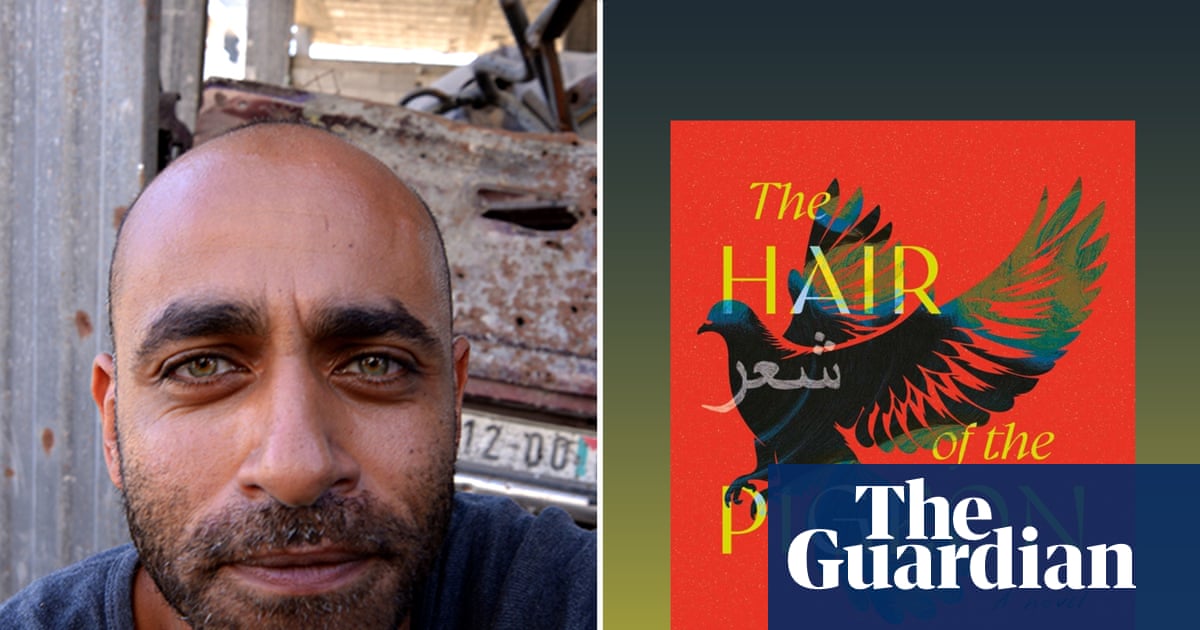
The Egyptian-Danish-Australian journalist’s second novel spans continents, following a Palestinian teen as he comes of age during the Syrian civil war and is forced into exile
The air thrums with whistles and drums as people pour around corners, spill down streets. It’s March 2011 in Damascus, Syria, and revolution has arrived in the form of the Arab spring.
Palestinian teen Ghassan, stopping to watch the crowd of protesters, recalls a recent warning from a friend: “What the people want out there, they will never allow.” But among other onlookers, he claps along. Then he is grabbed, bound and forced underground into Syria’s most notorious prison – Sednaya, or Slaughterhouse.
This scene reflects the unsparing nature of The Hair of the Pigeon, the second novel by Egyptian-Danish-Australian journalist Mohammed Massoud Morsi, a story both epic and raw, following a young man’s journey across continents after he is torn from his home and forced into exile.
The novel opens a decade earlier in Yarmouk, a refugee camp in Damascus that became home to thousands of Palestinians expelled by Israel during the 1948 Nakba, then again in 1967. Seven-year-old Ghassan lives in the camp with his emotionally detached mother, Salsabeel, and his kind father, Shokri. It’s a place where children pass footballs beneath laundry strung up to dry in Syria’s summer wind. Vividly drawn characters populate the alleyways, such as the sharp-eyed shopkeeper Abu Fouad; single mother Mariam, who men call upon in the night, and her son Badawi, Ghassan’s best friend; doctor Ahmed, whose patients slip in and out unannounced; the gentle mechanic Ismaeil; and Ghassan’s beloved friend Sama, who lives with her cotes of pigeons.