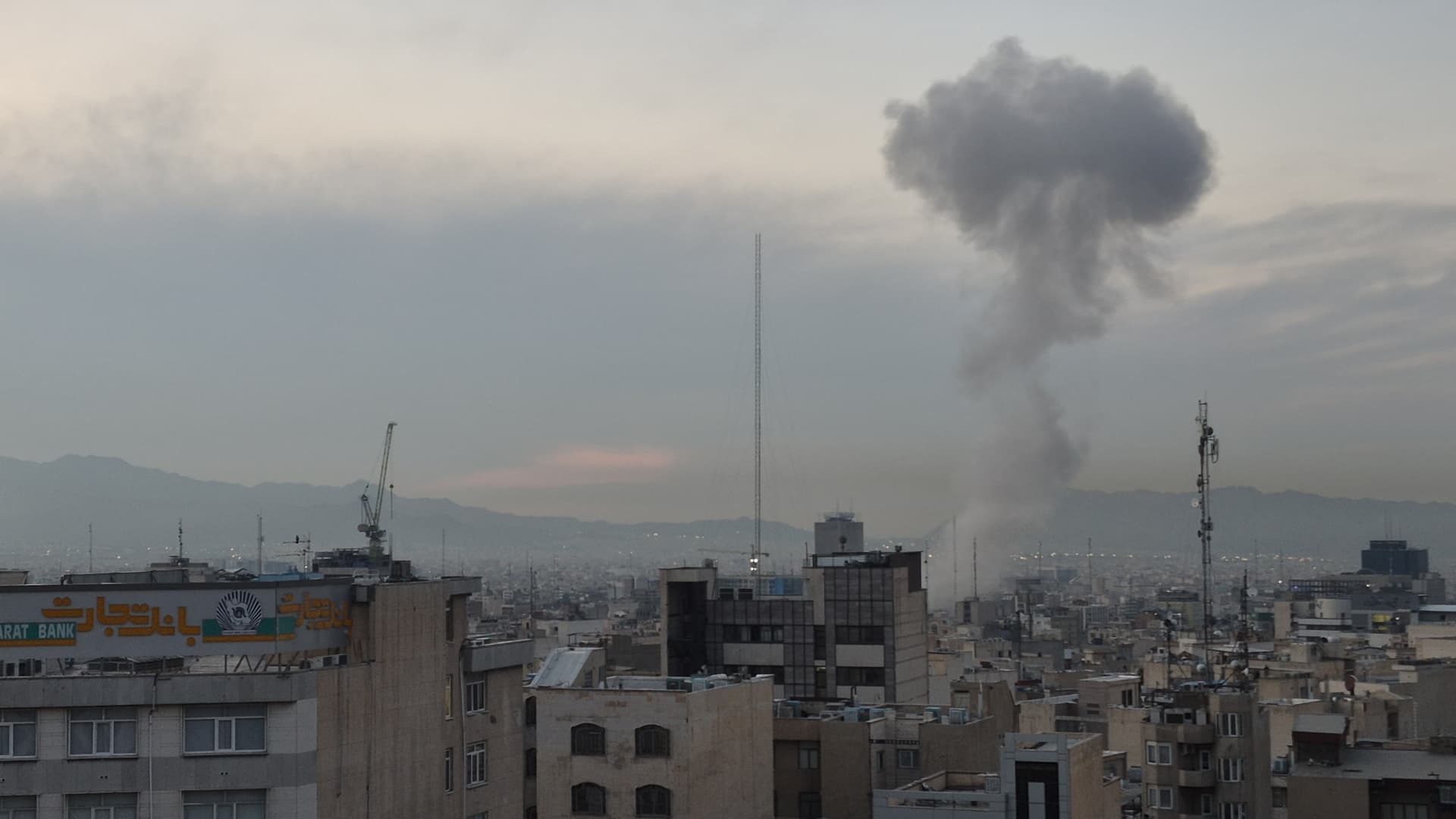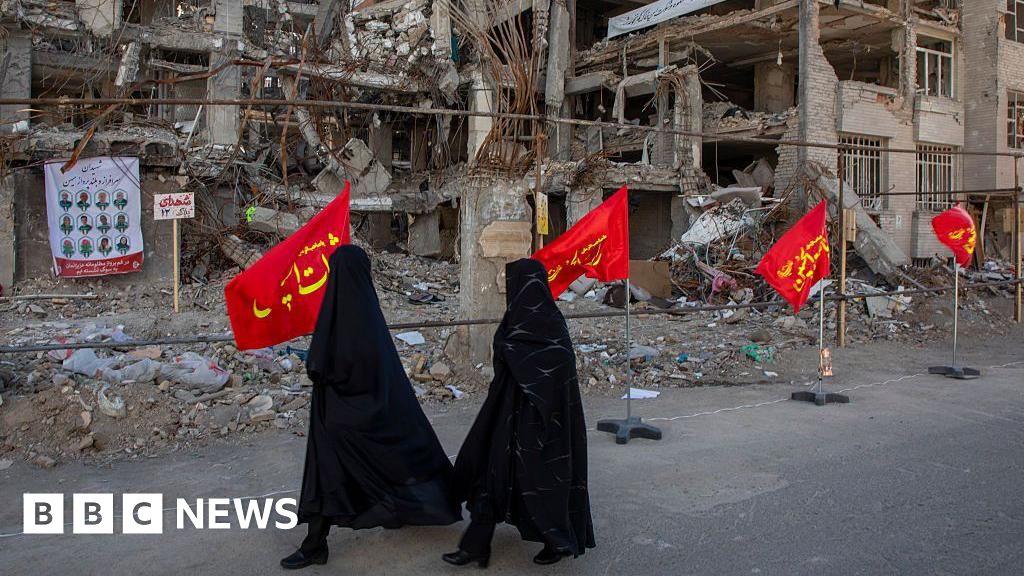
DUBAI/WASHINGTON, April 6 (Reuters) - The United States and Iran on Monday were weighing the framework of a plan to end their five‑week-old conflict, even as Tehran pushed back against pressure to swiftly reopen the Strait of Hormuz on the eve of a new ultimatum set by President Donald Trump.
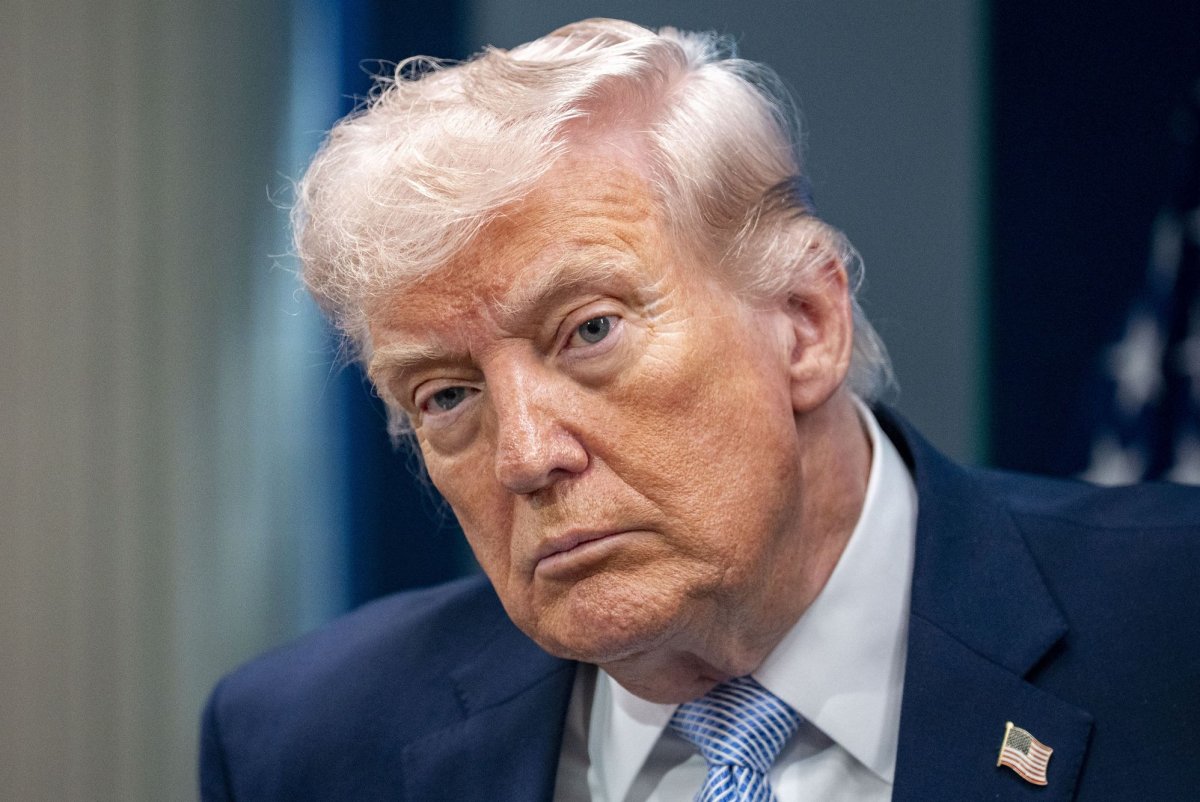
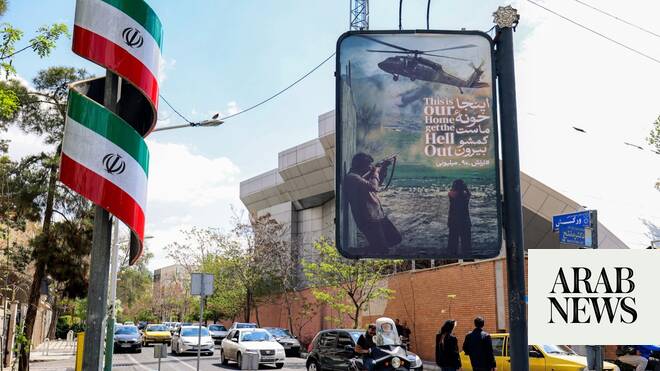
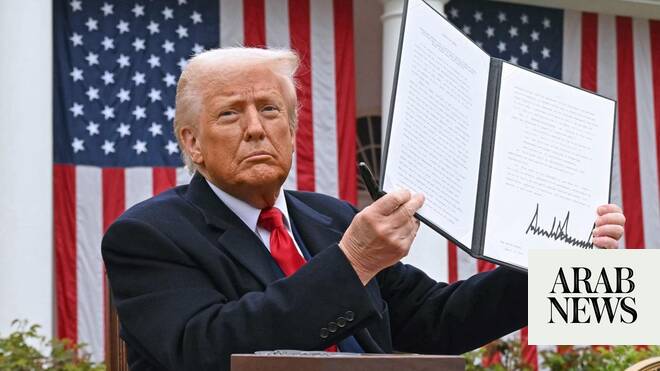
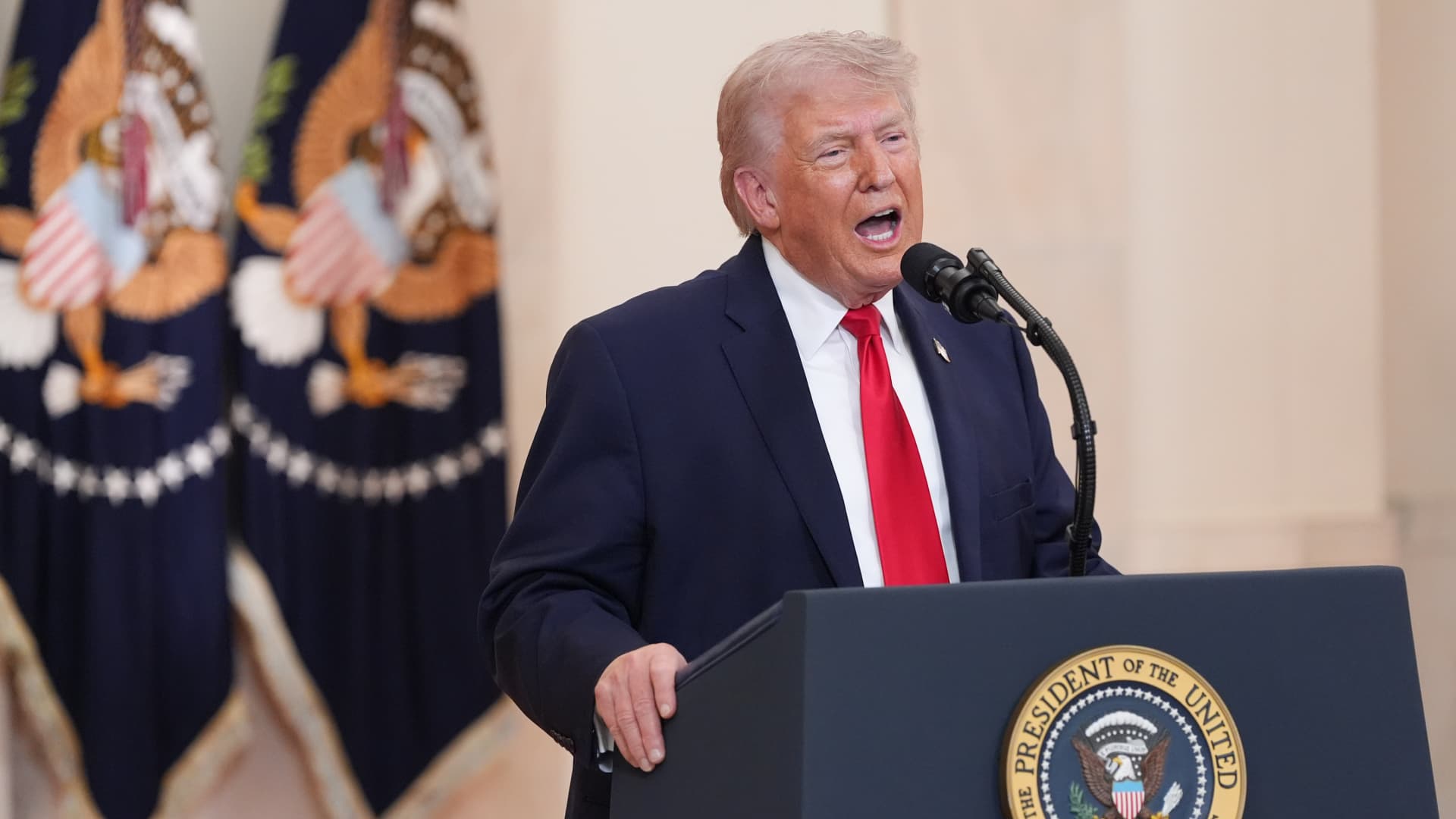
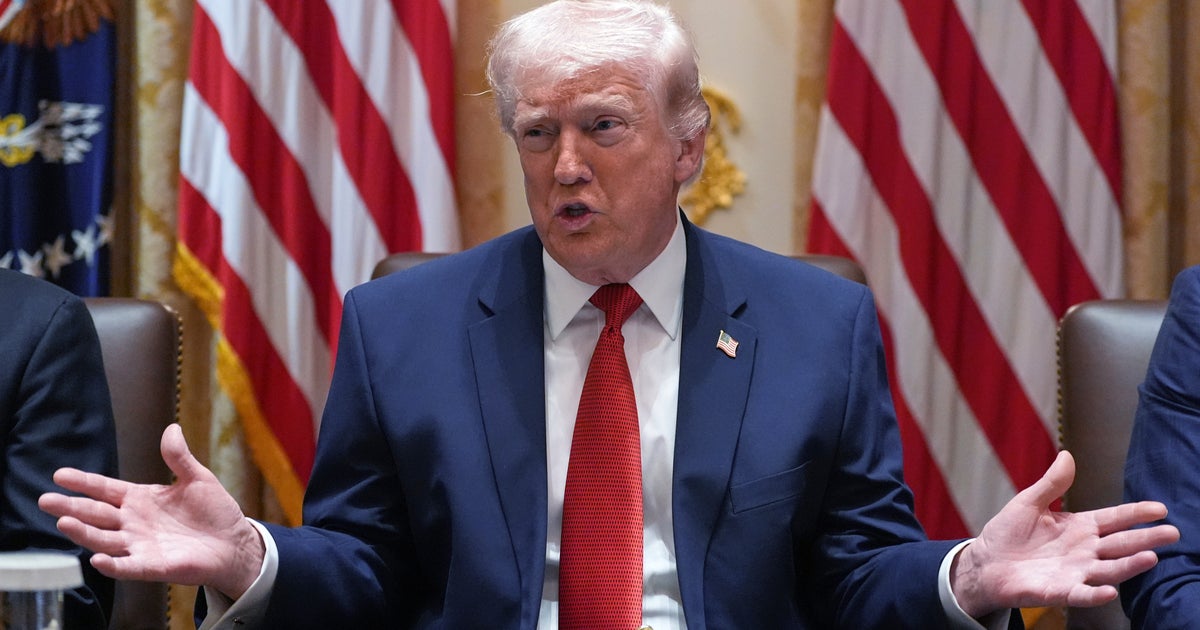
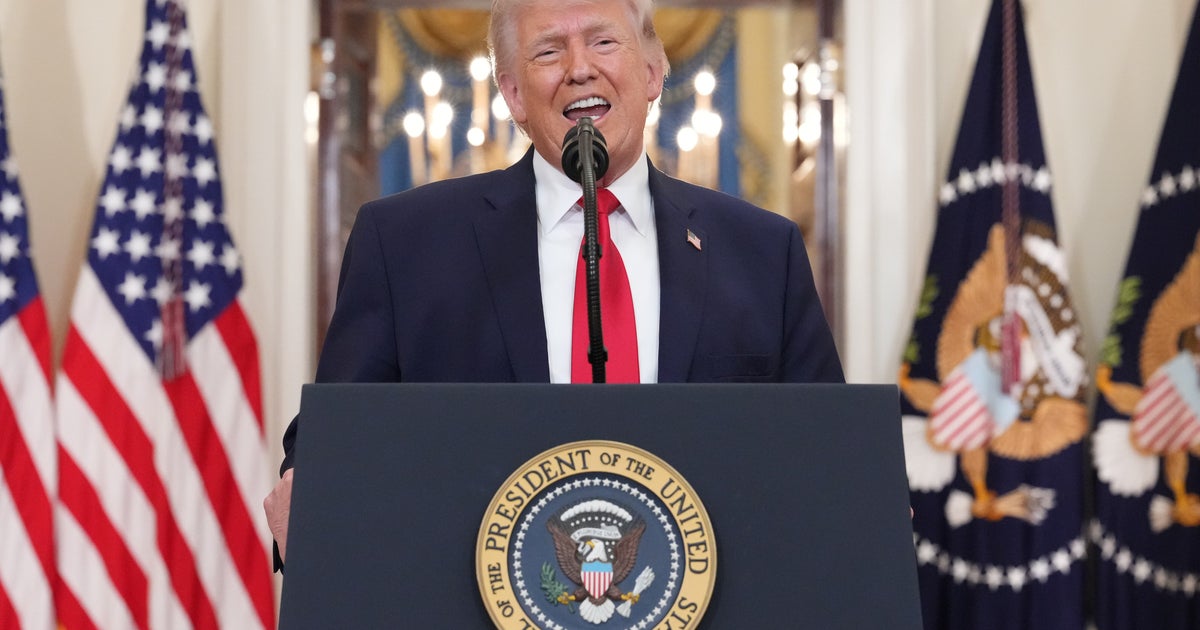
Trump has threatened to rain “hell” on Tehran if it did not make a deal by the end of Tuesday that would allow traffic to start moving again through the vital route for global energy supplies.
Iran responded to U.S. and Israeli attacks in February by effectively closing Hormuz, a conduit for about a fifth of the world’s oil and natural gas supply. The waterway’s stranglehold on the global economy has proved a powerful Iranian bargaining chip and on Monday it showed reluctance to relinquish it too easily.
A senior Iranian official told Reuters that Iran will not reopen the Strait as part of a temporary ceasefire, nor would it accept deadlines or pressure to reach a deal. Washington was not ready for a permanent ceasefire, the official said.
The Pakistani-brokered plan emerged from intense overnight contacts and proposes an immediate ceasefire, followed by negotiations on a broader peace settlement to be concluded within 15 to 20 days, a source aware of the proposals said on Monday.