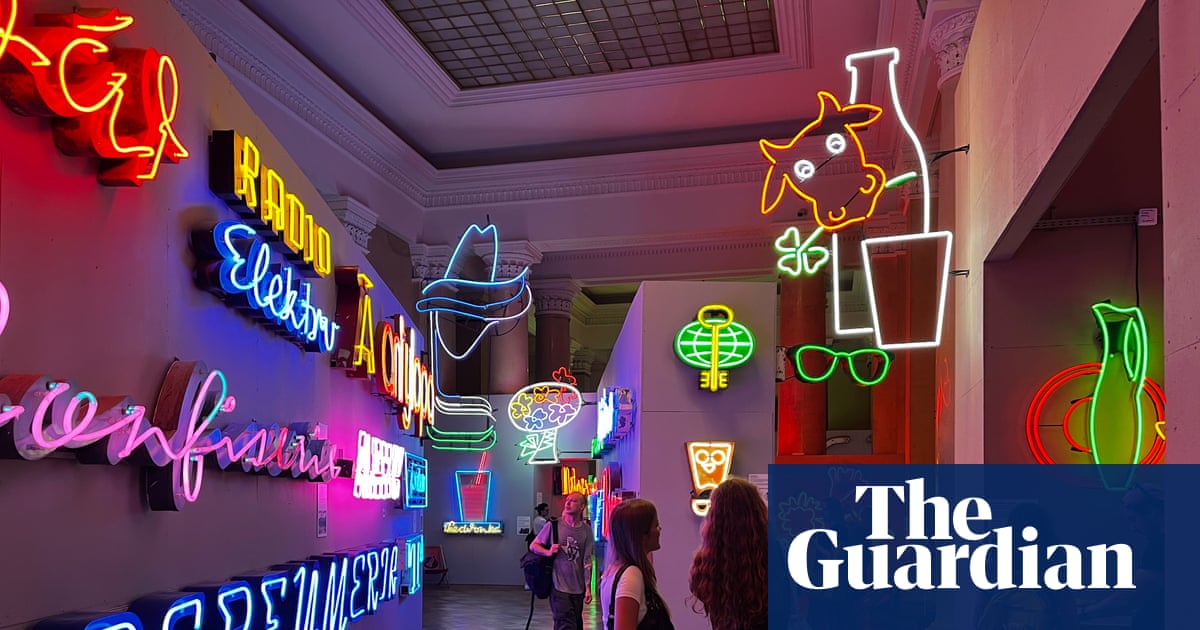
After fall of communism, signs were left to rust until museum founders began to collect and restore them
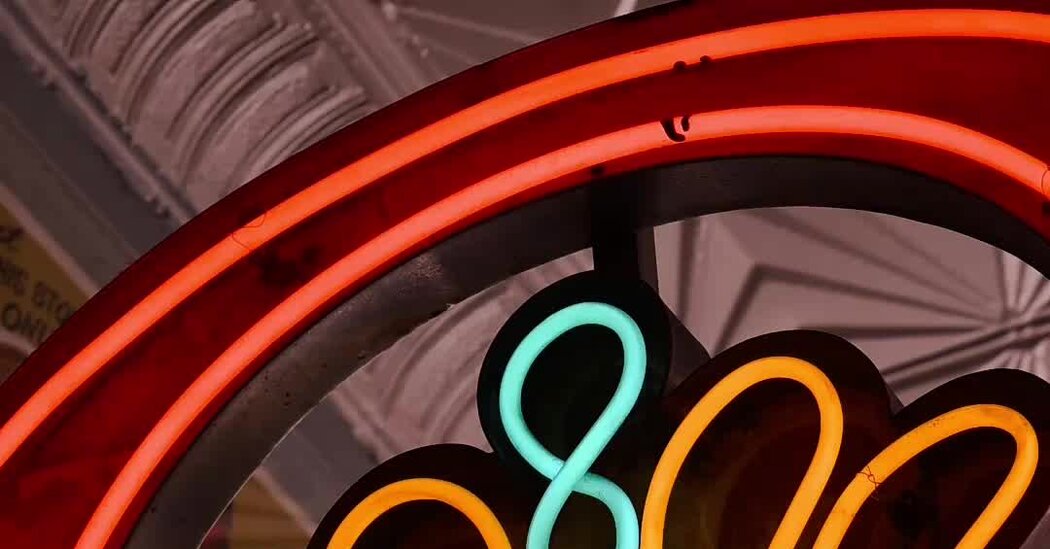
As they struggled through the decades of cold war gloom and repression, Warsaw’s neon signs became symbols of light, colour and hope of brighter days for the people of the city.
What had started as a form of Soviet propaganda sparked a wave of creativity in the Polish capital that even the Communist authorities could not crush. But after communism ended in the late 1980s, many of the signs lost their purpose and began to disappear, left to rust where they hung or removed and taken to the scrapyard.
Several decades later, however, neon is enjoying a renaissance in the city. Many historic signs have been restored as new ones are custom-made for bars and restaurants as a nod to the past.
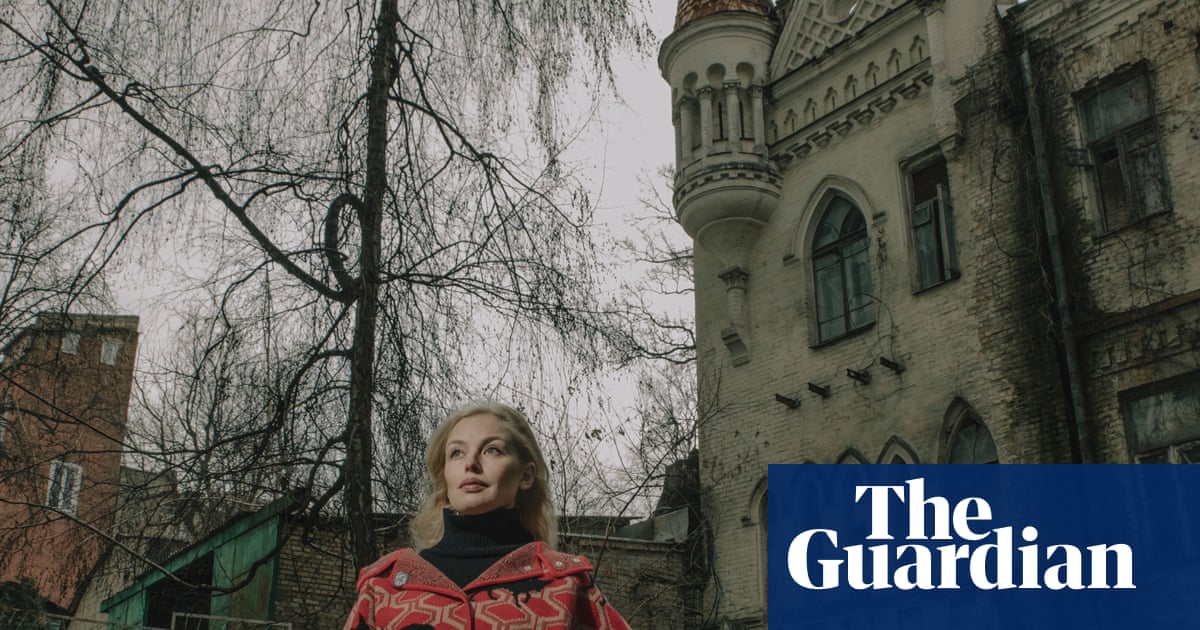
Warsaw’s Neon Museum, created in 2012 by the Polish-British photographer Ilona Karwińska and her partner David Hill, a graphic designer, meanwhile attracts more than 100,000 visitors a year to see its collection of cold war-era illuminations.