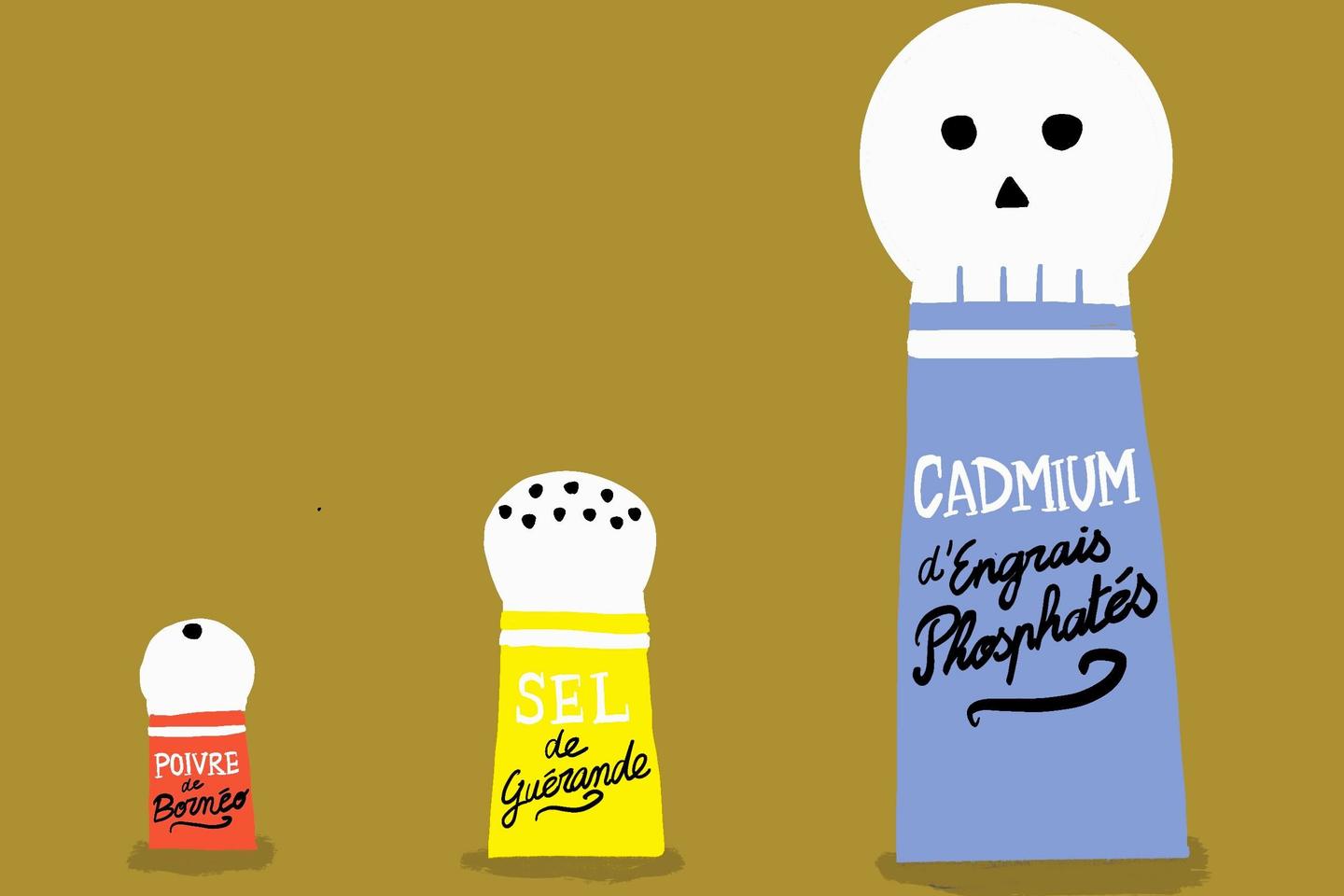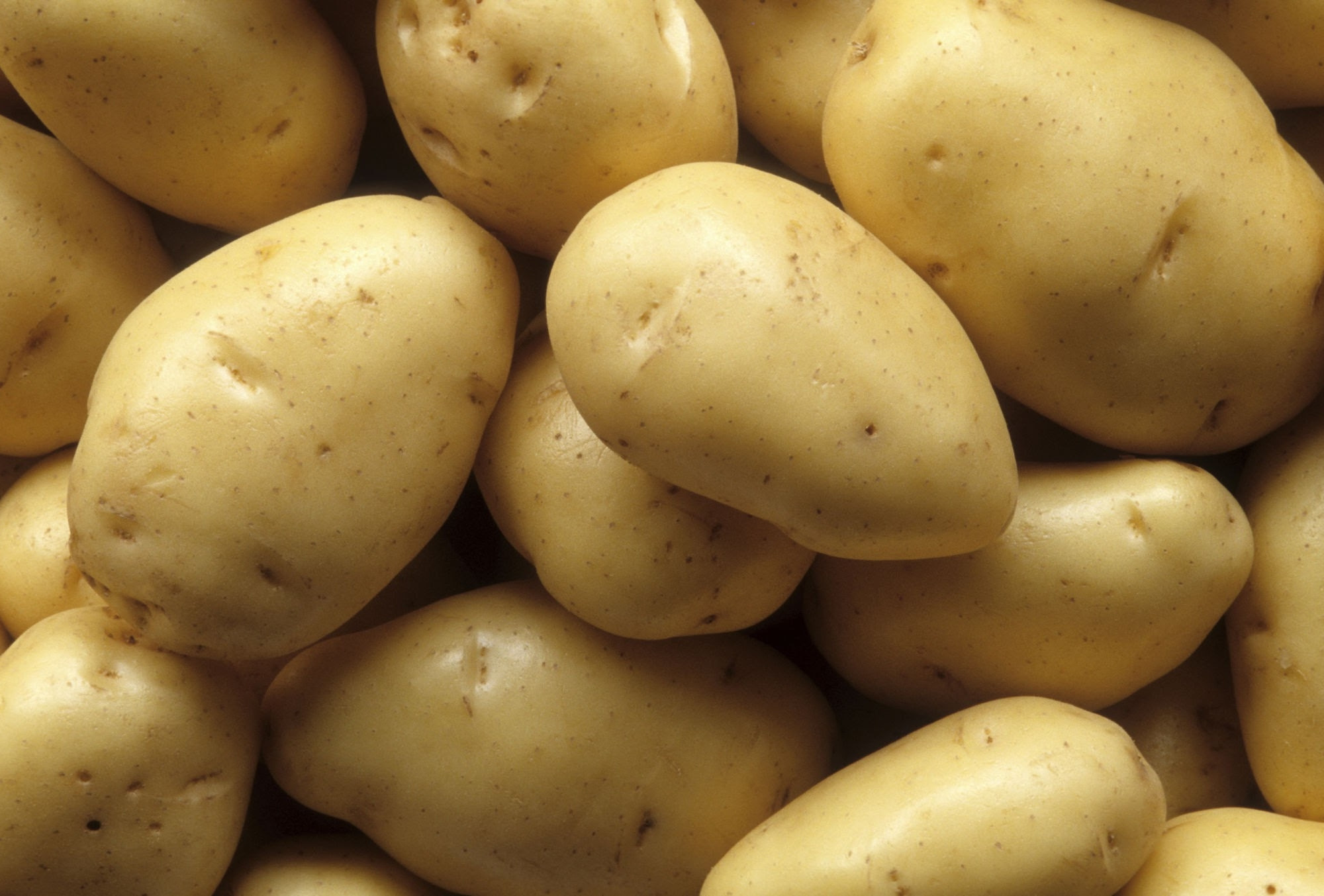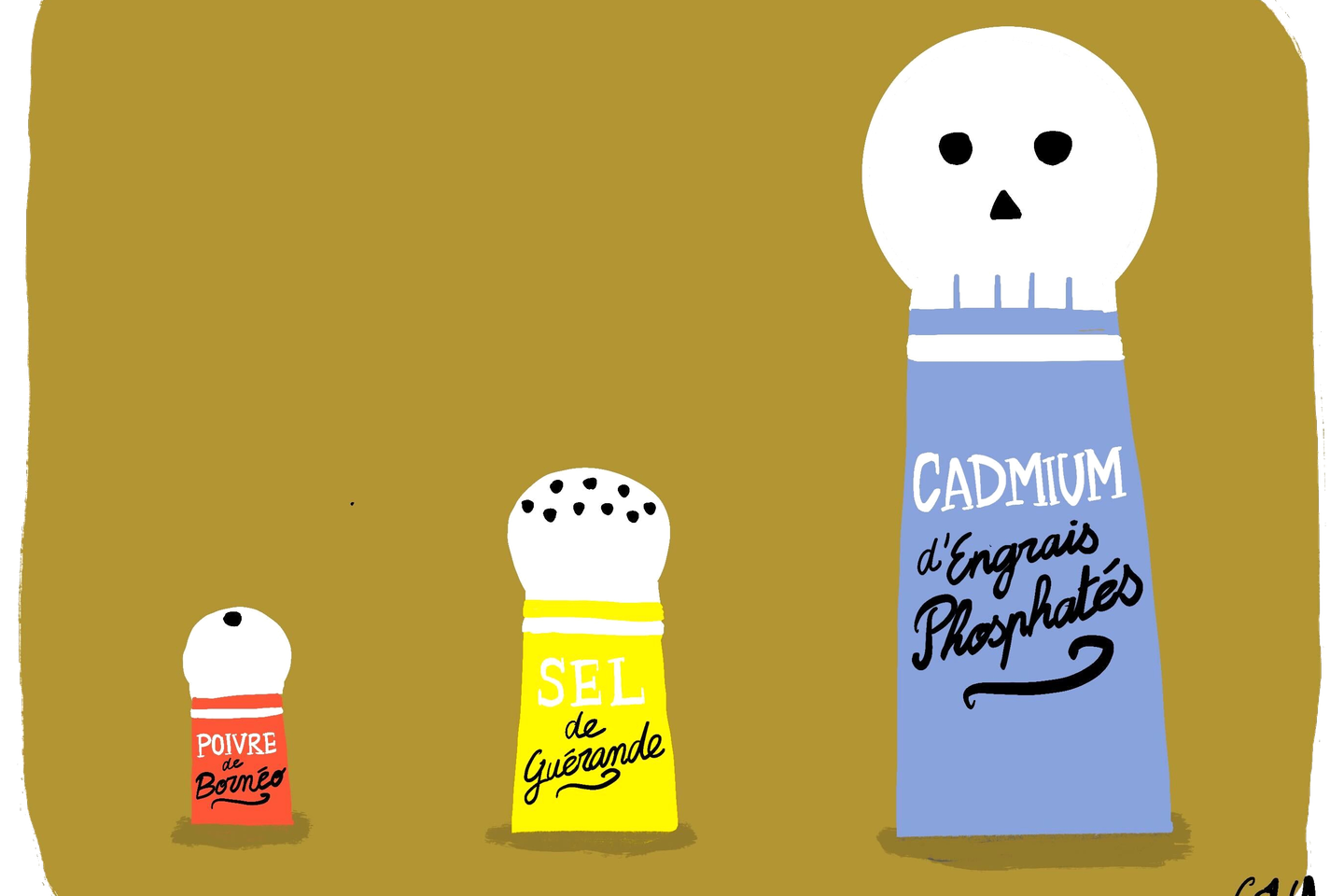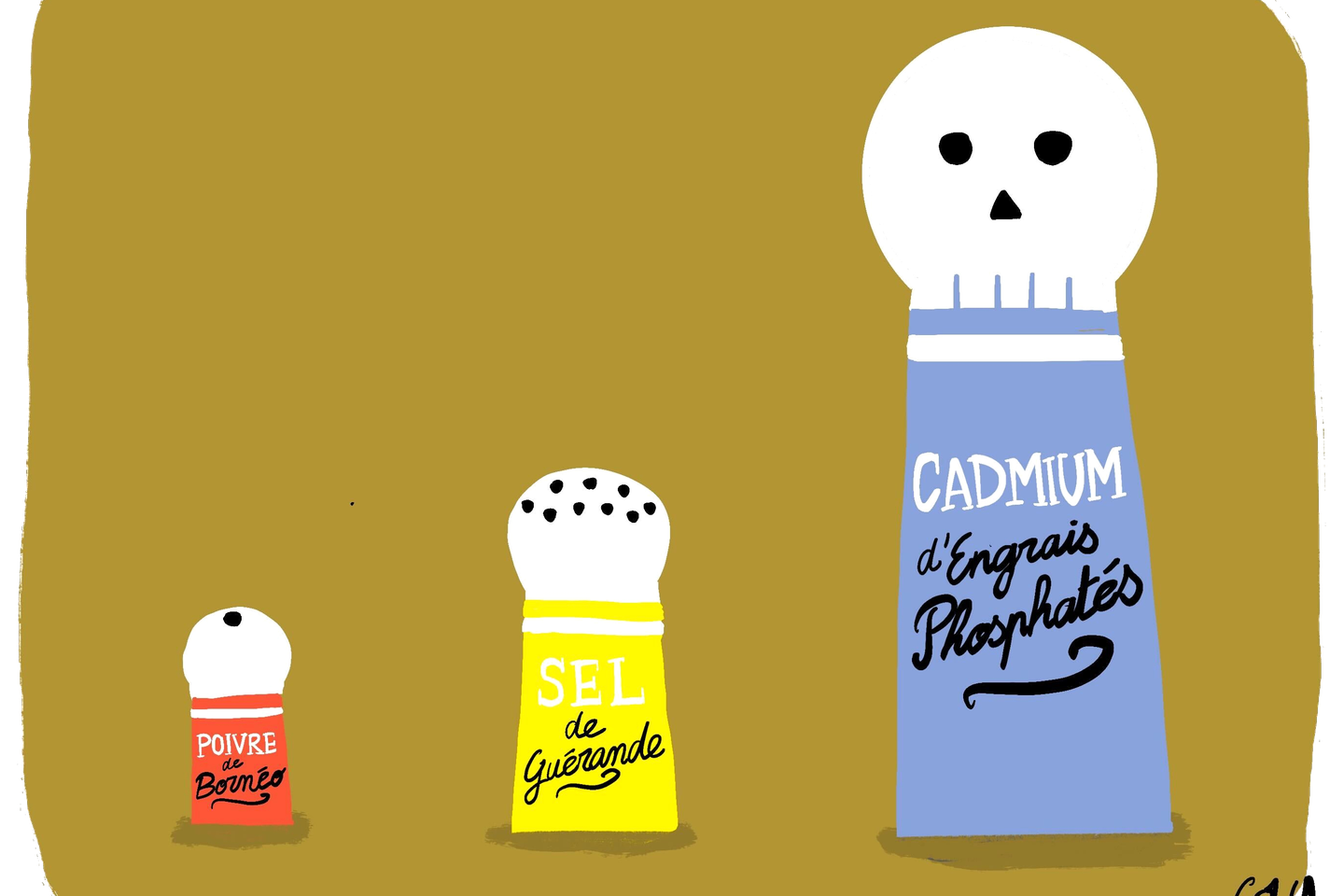
Pasta, bread, potatoes, pastries, breakfast cereals, chocolate... These everyday foods can contain cadmium, a highly toxic and carcinogenic contaminant. People in France are particularly exposed, with levels three to four times higher than in most other European countries, according to the French Agency for Food, Environmental and Occupational Health & Safety (ANSES), which published a report on the subject in March 2026. The report followed a warning that was issued in June 2025 by independent doctors, who condemned what they called a "health time bomb" and called on the authorities to take action.
Subscribers only
Cadmium, a proven carcinogen, has contaminated some of the most consumed foods in France. Doctors warn against a 'public health time bomb'
The main factor is the gradual contamination of agricultural soil caused by the use of phosphate fertilizers, which naturally contain cadmium. This metal accumulates in the soil over time before being absorbed by crops, which then become everyday foods. As a result, food is the main source of exposure, accounting for up to 98% of cadmium exposure among non-smokers.
What effects does it have on the body? Who is most vulnerable? How can you reduce the risks? Here is an overview of what we currently know about cadmium.