A professed desire to protect the country’s Christian identity is cover for a divisive politics which ignores the central message of the gospels
I
n an interview conducted a few days after the beginning of Lent, Reform UK’s Muslim home affairs spokesperson, Zia Yusuf, outlined a new policy to prevent churches being converted to mosques. This was an “incendiary” issue relating to Christian heritage, Mr Yusuf claimed, which was causing anxiety across the United Kingdom.
Subsequent analysis by the Times – which conducted the interview – concluded that instances of churches becoming mosques were in fact extremely rare, adding up to less than 0.09% of the 47,000 churches active in the 1960s. Mr Yusuf’s solution to this alleged crisis – which involved granting automatic listed status to churches, and changing planning laws to restrict change of use – was also widely questioned. For many churches struggling to fund repairs through the contributions of thinned-out congregations, the onerous bureaucratic obstacles posed by listed status would only be another expensive headache.
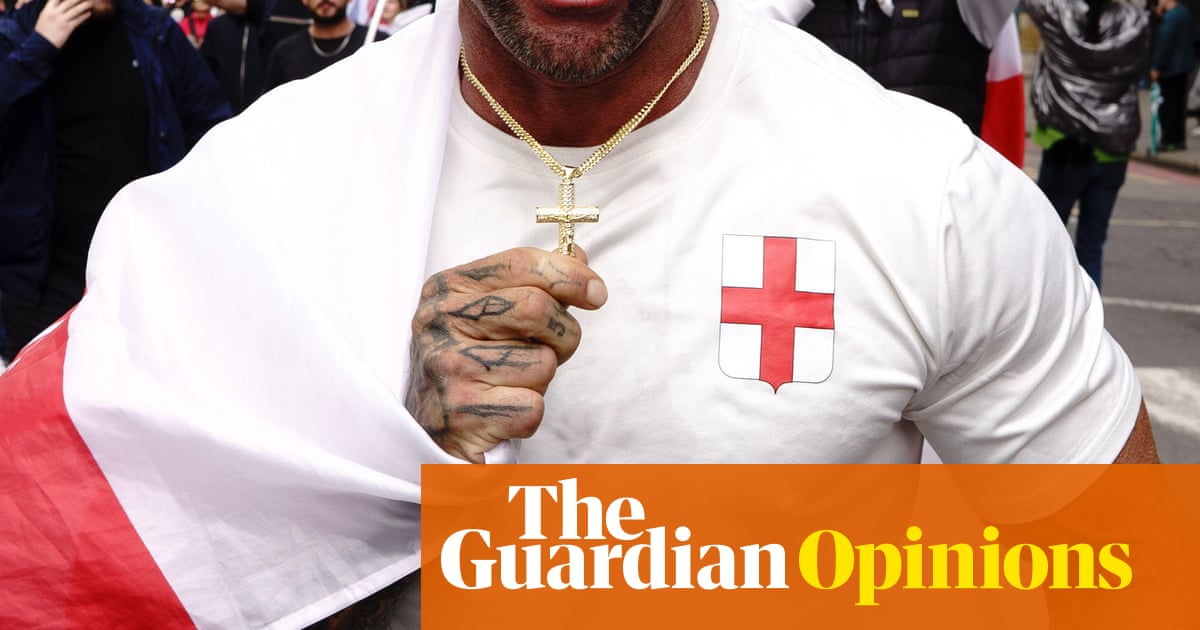
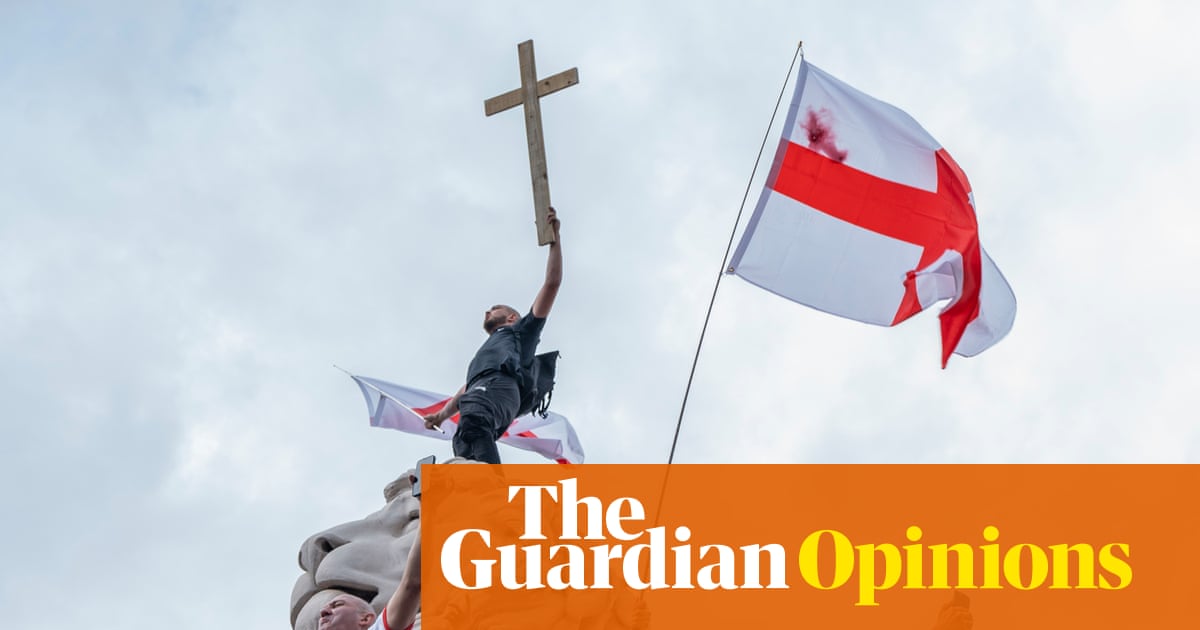
Mr Yusuf will not care much about any of that. The point of the policy is to sow cultural division for political gain, and position Reform as the party of a besieged Christian majority. The object of the far-right-inspired Unite the Kingdom march last September, which featured wooden crosses and chants of “Christ is King”, was the same. The Conservative MP Nick Timothy has recently also done his bit to foment discord, describing public Muslim prayers during Ramadan as an act of “domination”.