M
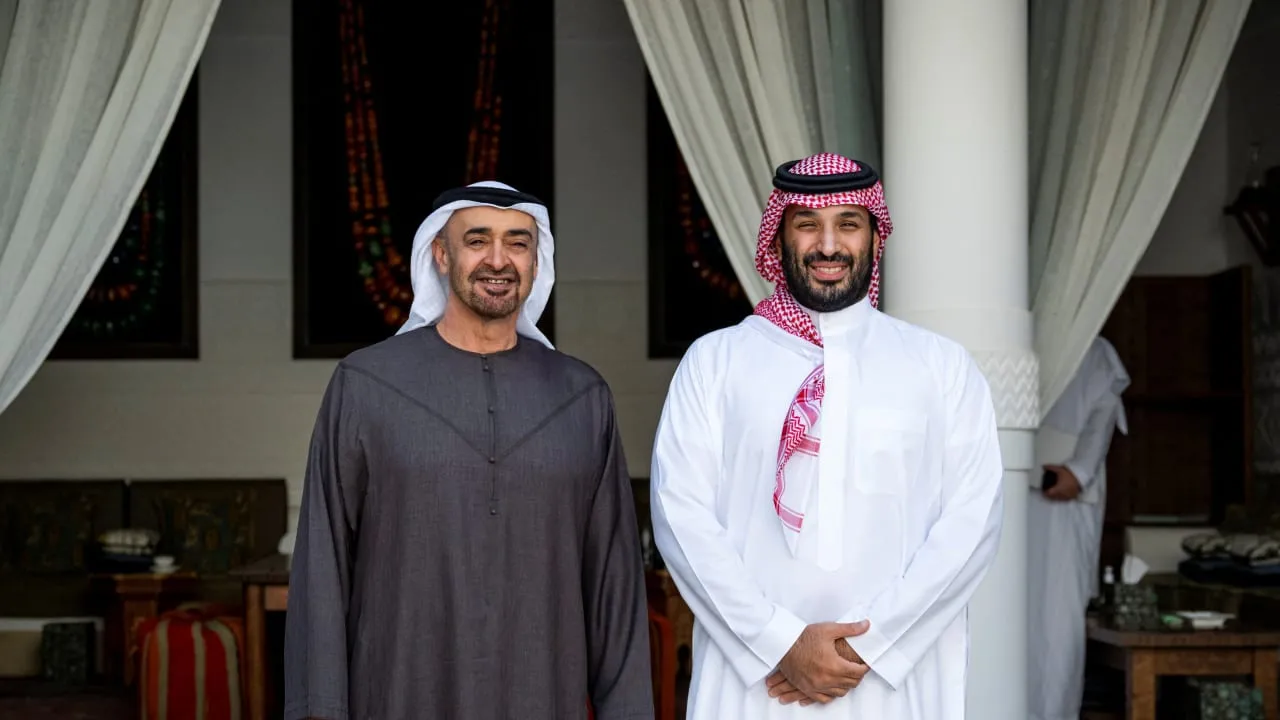
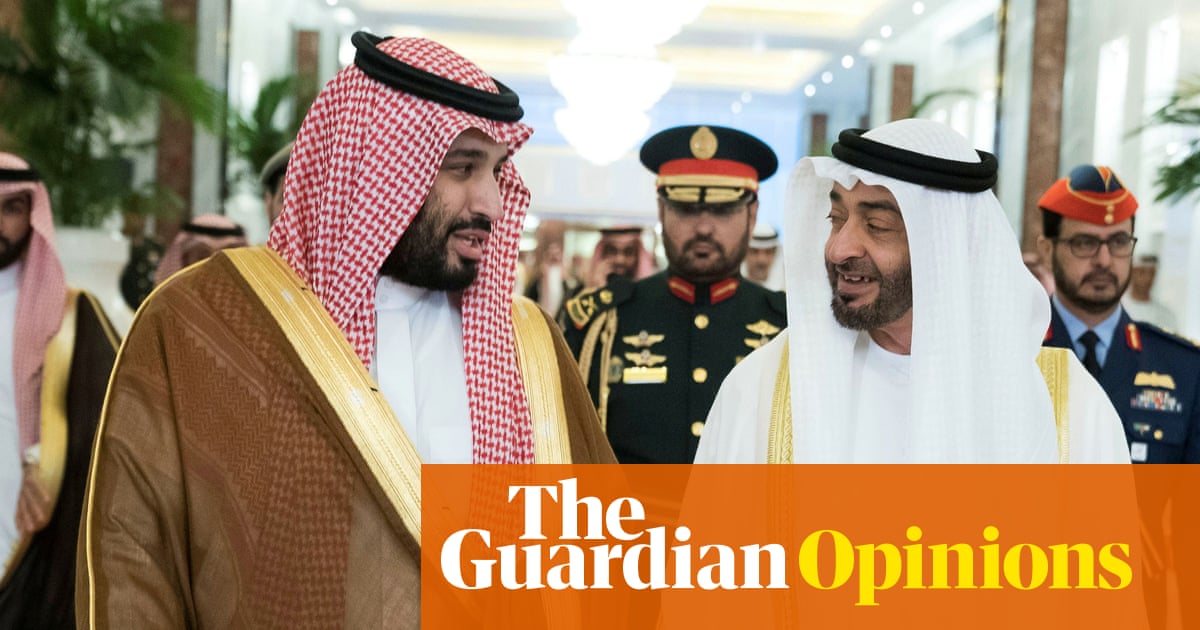
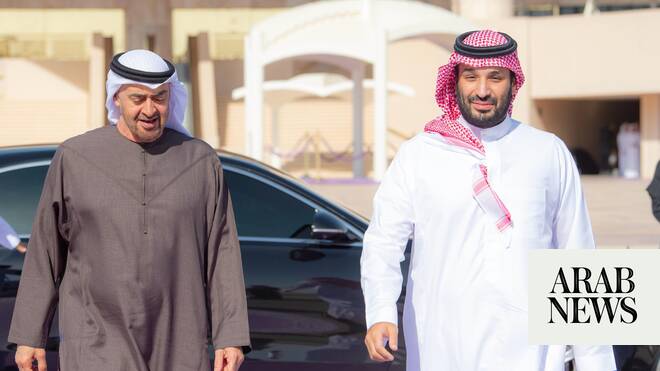
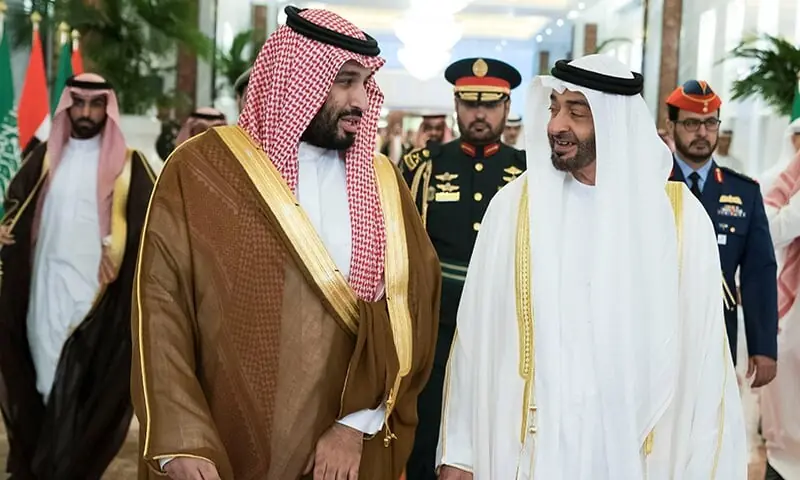
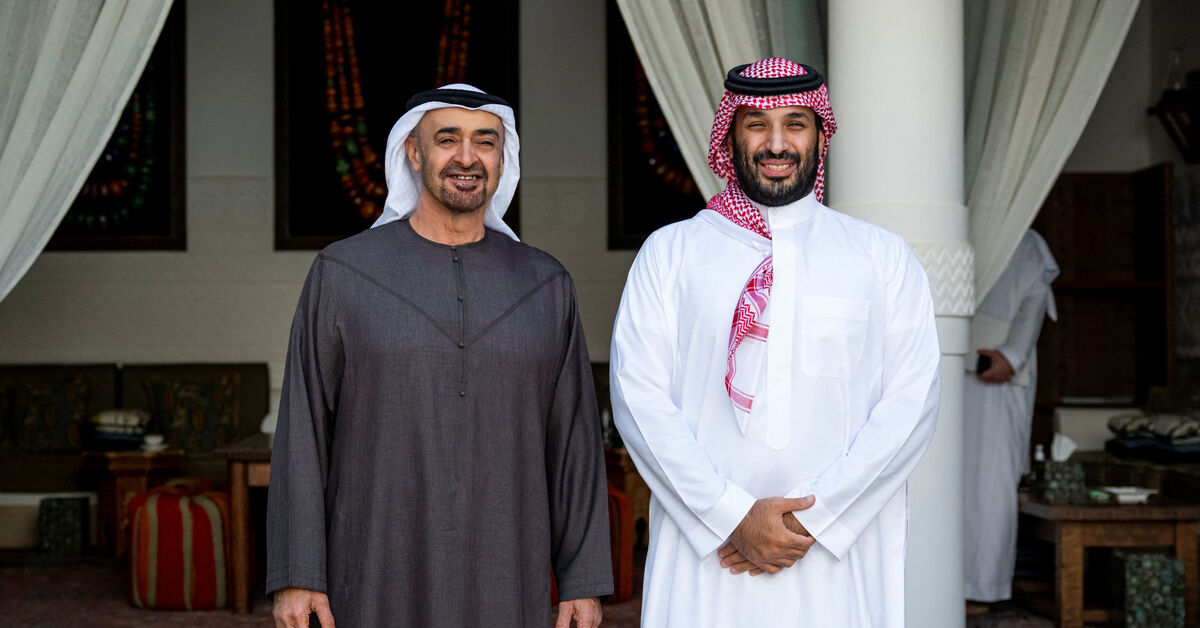
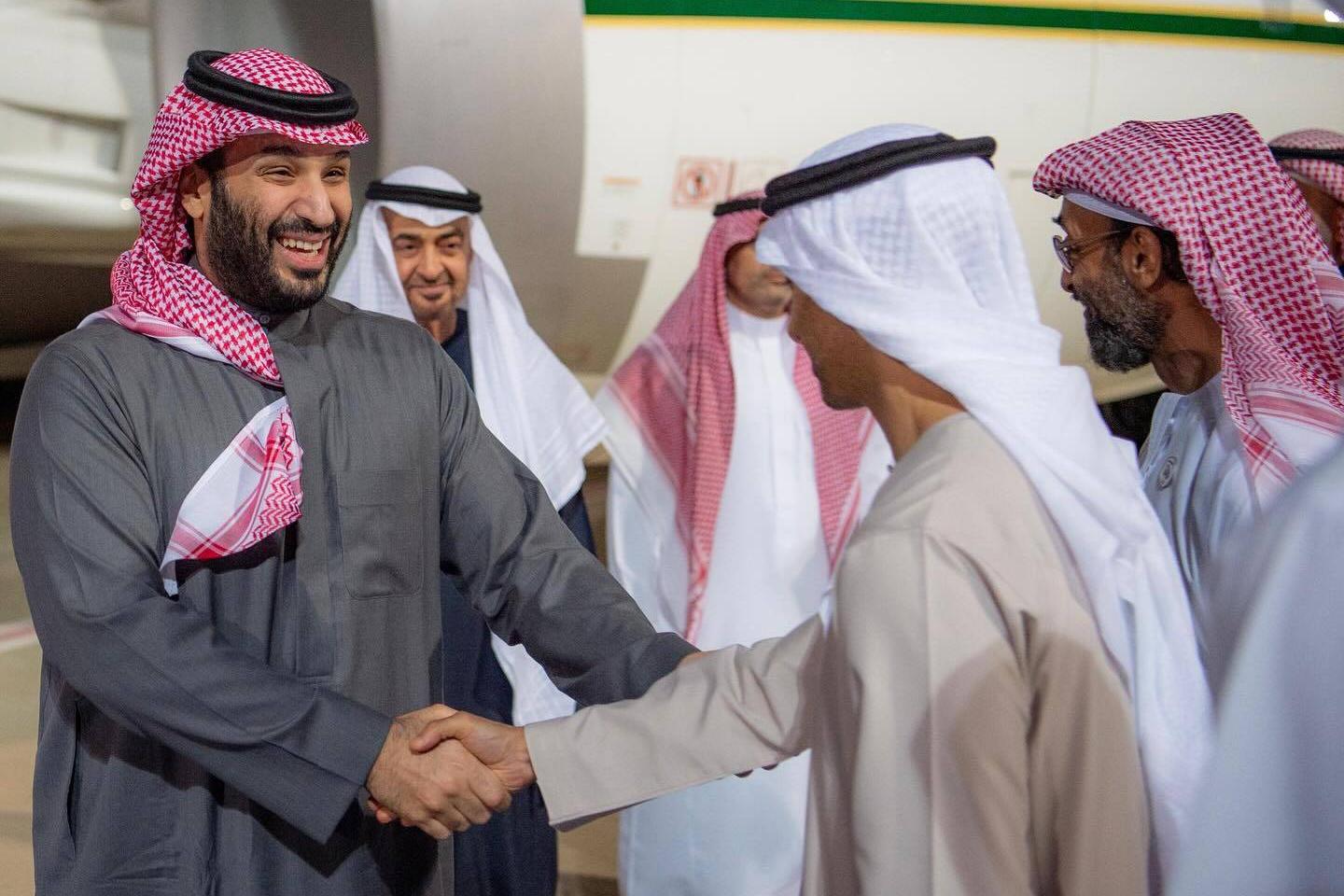
ohamed bin Zayed, the president of the United Arab Emirates, born in 1961, long appeared as the mentor of Mohammed bin Salman, the Saudi crown prince, 24 years his junior. The royal duo was even referred to by their similar initials, MBZ and MBS. But the de facto ruler of Saudi Arabia has gradually broken free from an influence that was constraining his own ambitions.
The turning point came in 2021, when MBS initiated the lifting of the blockade that Riyadh and Abu Dhabi had imposed together against Qatar four years earlier. Since then, disputes continued to mount between the former allies, as they competed over foreign investment and pursued divergent interests in the oil market. While Iranian strikes over the past month have drawn MBS and MBZ closer together in adversity, the power struggle between their two countries is merely suspended.
The UAE holds sovereign wealth funds even larger than those of Saudi Arabia. Dubai is set to operate the world's busiest international airport in 2025, with nearly 100 million passengers. Yet hydrocarbons still account for a third of the Emirati GDP, compared with a quarter in Saudi Arabia, which has limited its own oil production while the UAE pushed for an increase in its quota. Above all, Emirati nationals represent only 1/10th of their country's population, while Saudi Arabia, 25 times larger in size and three times more populous, is two-thirds Saudi. In other words, just over one million Emiratis face 23 million Saudis, a demographic imbalance the UAE offsets in its armed forces by recruiting large numbers of foreigners.