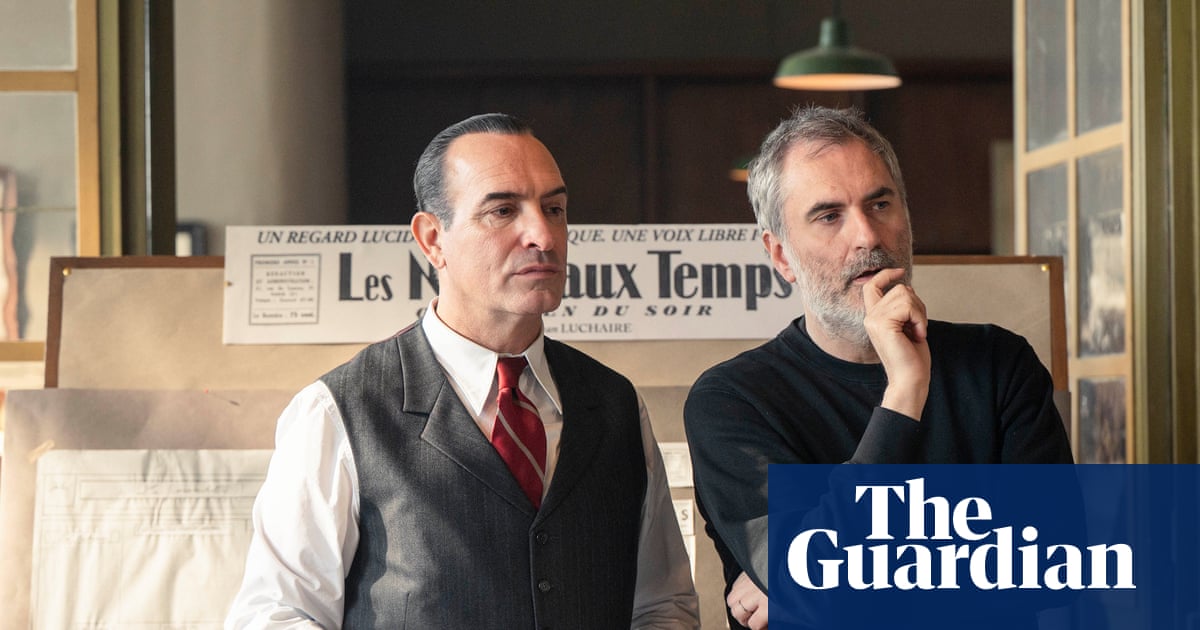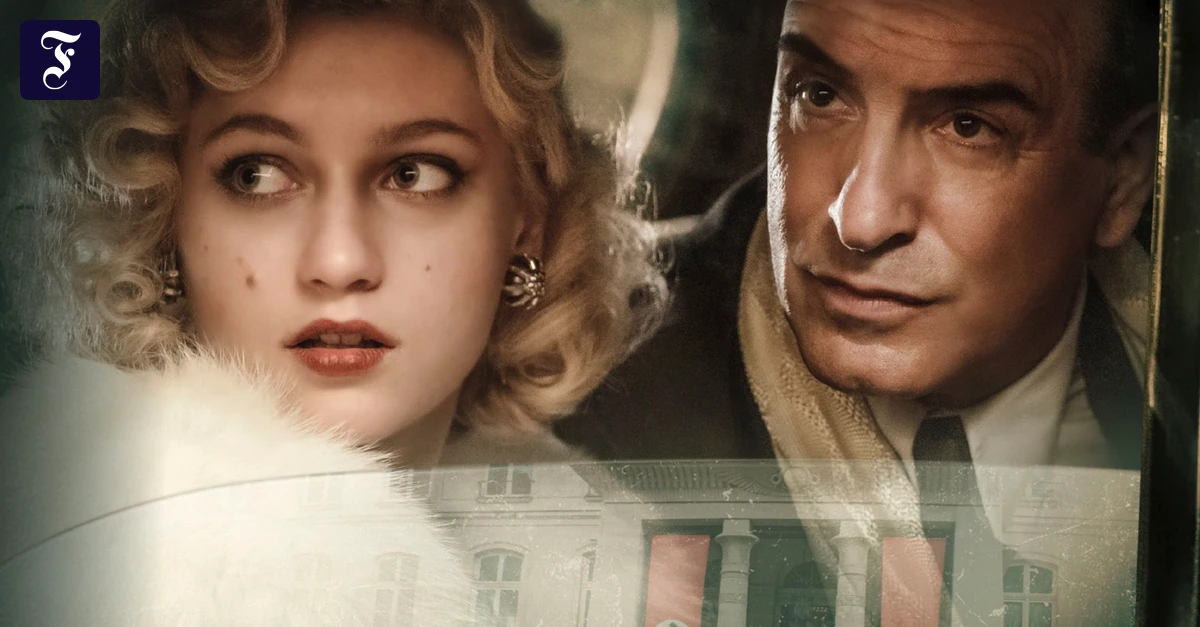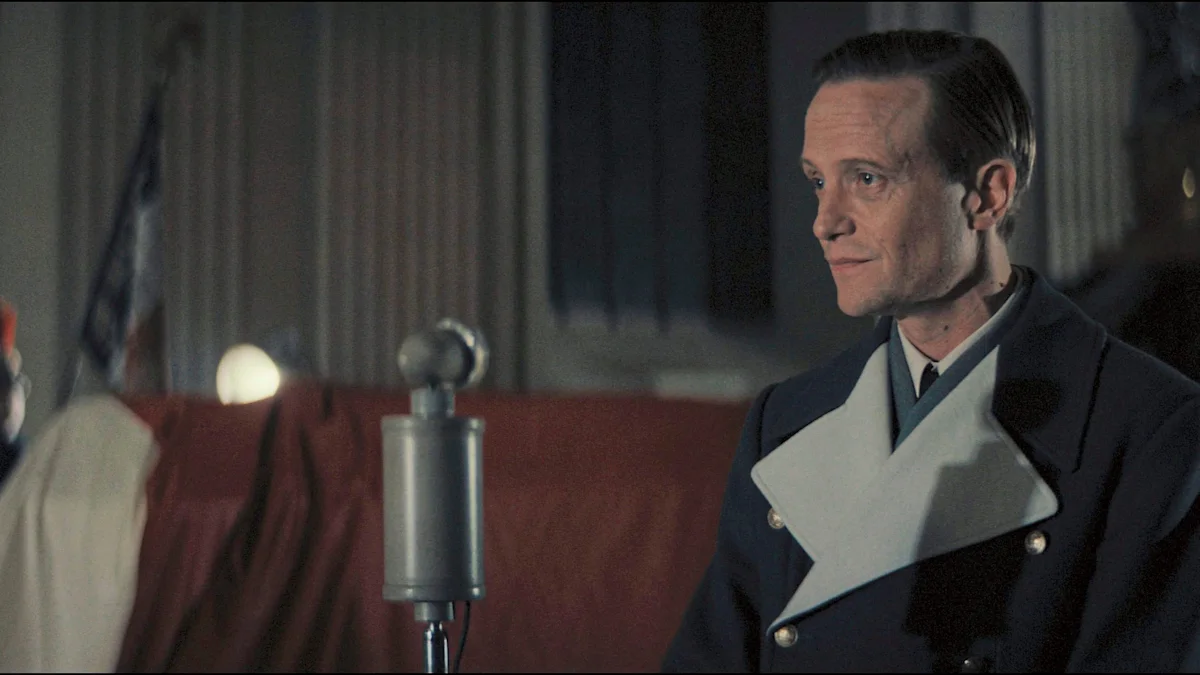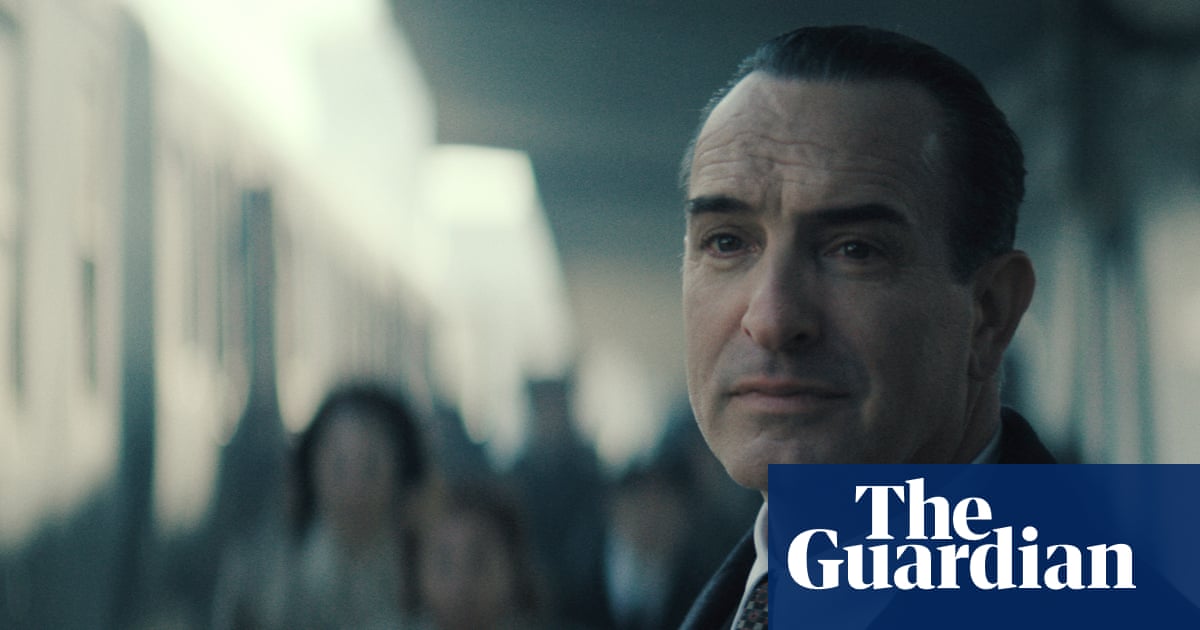
In Les Rayons et les Ombres, Jean Dujardin plays a real-life press baron partying during the horrors of the second world war. Director Xavier Giannoli discusses bringing this still sensitive topic to light
X
avier Giannoli’s new film Les Rayons et les Ombres (Rays and Shadows) is told from the postwar perspective of Corinne Luchaire, a French actor who was once hailed as “the new Garbo” but grew too close to the Nazis during the German occupation years. As Luchaire records her thoughts on a borrowed tape recorder, she struggles to reconcile her unfaltering devotion to her father, the once-powerful press baron Jean, with his 1946 execution for treason.
Her wilful blindness collapses as the Jewish director who helped launch her career visits her cramped flat. When Corinne, played by newcomer Nastya Golubeva Carax, enquires after his sister, he reveals that she died in a concentration camp. “I didn’t know,” murmurs Corinne, only to be met with the devastating reply: “Did you even try to find out?”
Despite its daunting three-hour-plus running time, Rays and Shadows has already drawn more 300,000 spectators to French cinemas in its mid-March opening week alone. But it has also sparked a heated debate over the Vichy period. While many centre and right-of-centre critics have hailed it as a masterpiece of historical nuance, left-leaning outlets such as Libération and L’Humanité have criticised it for relativising people who willingly served the Nazi killing machine until the bitter end.