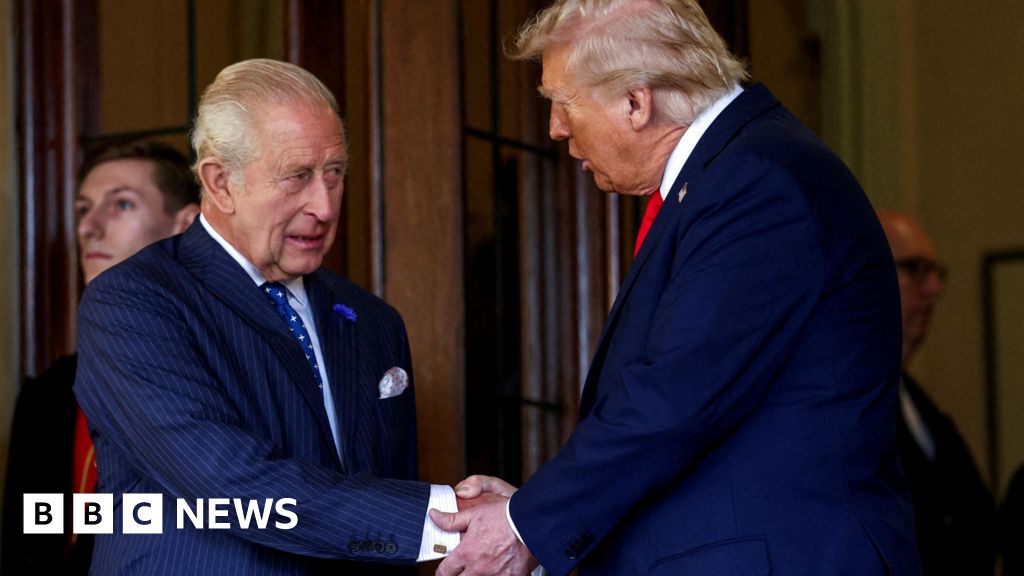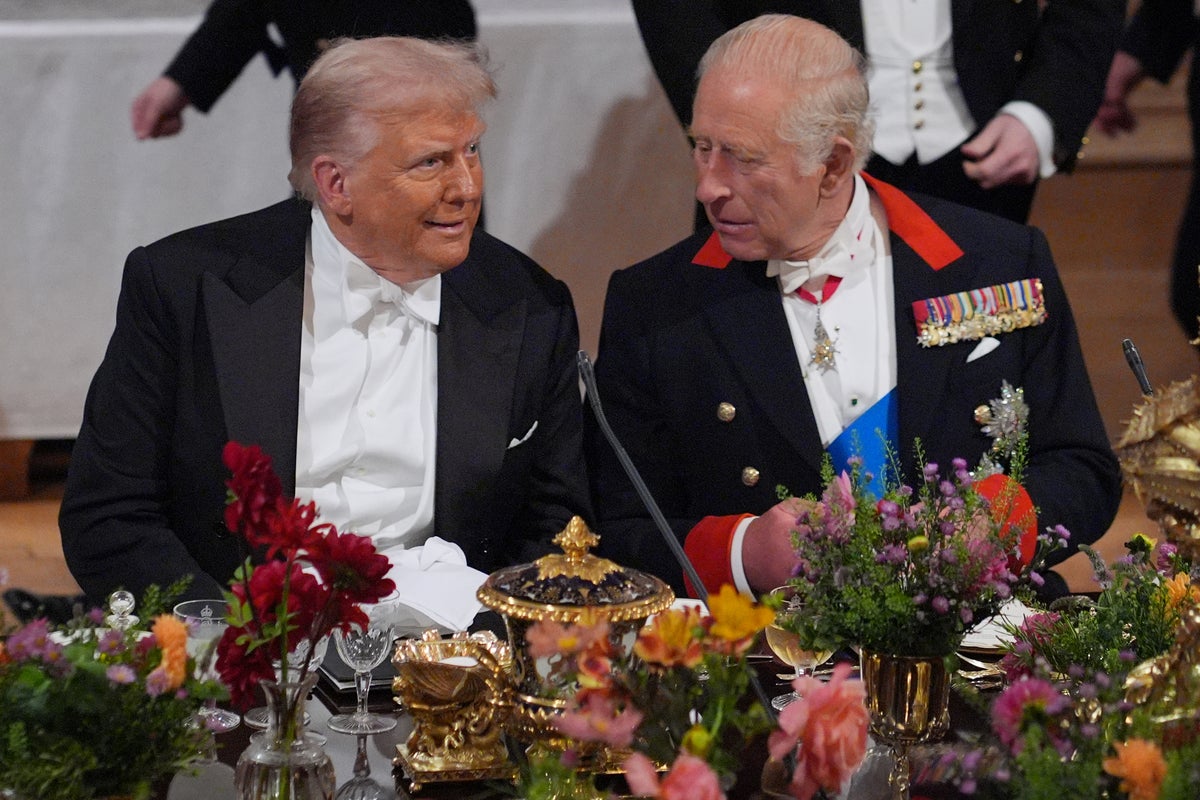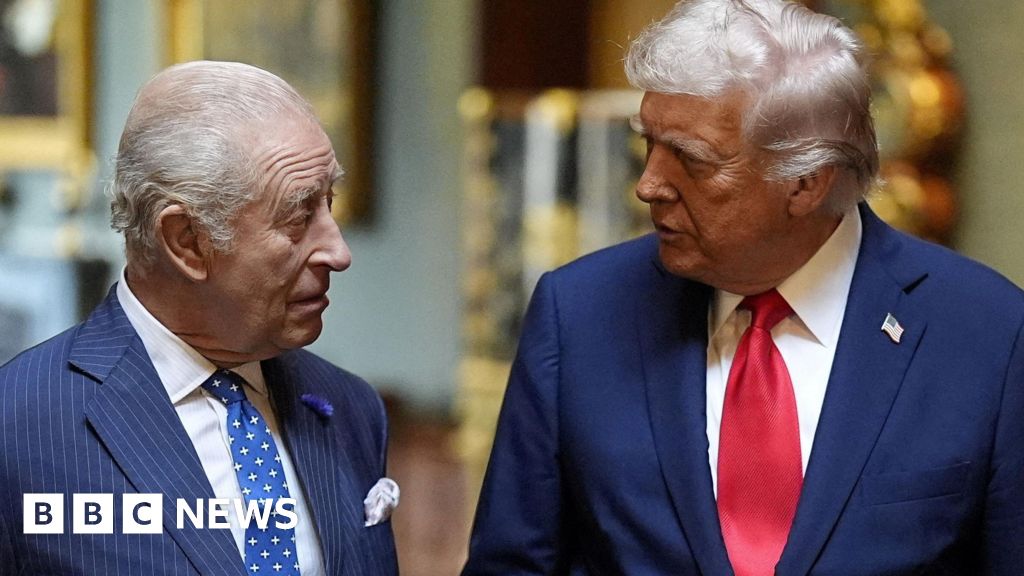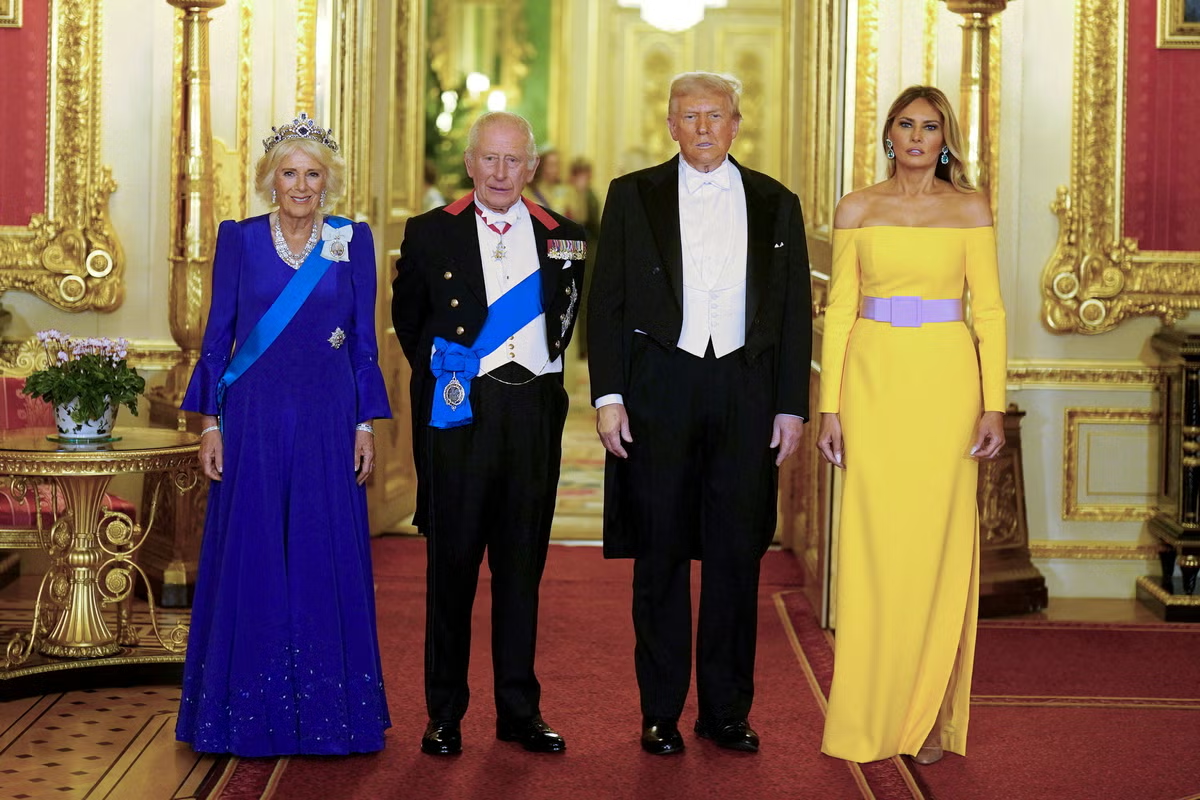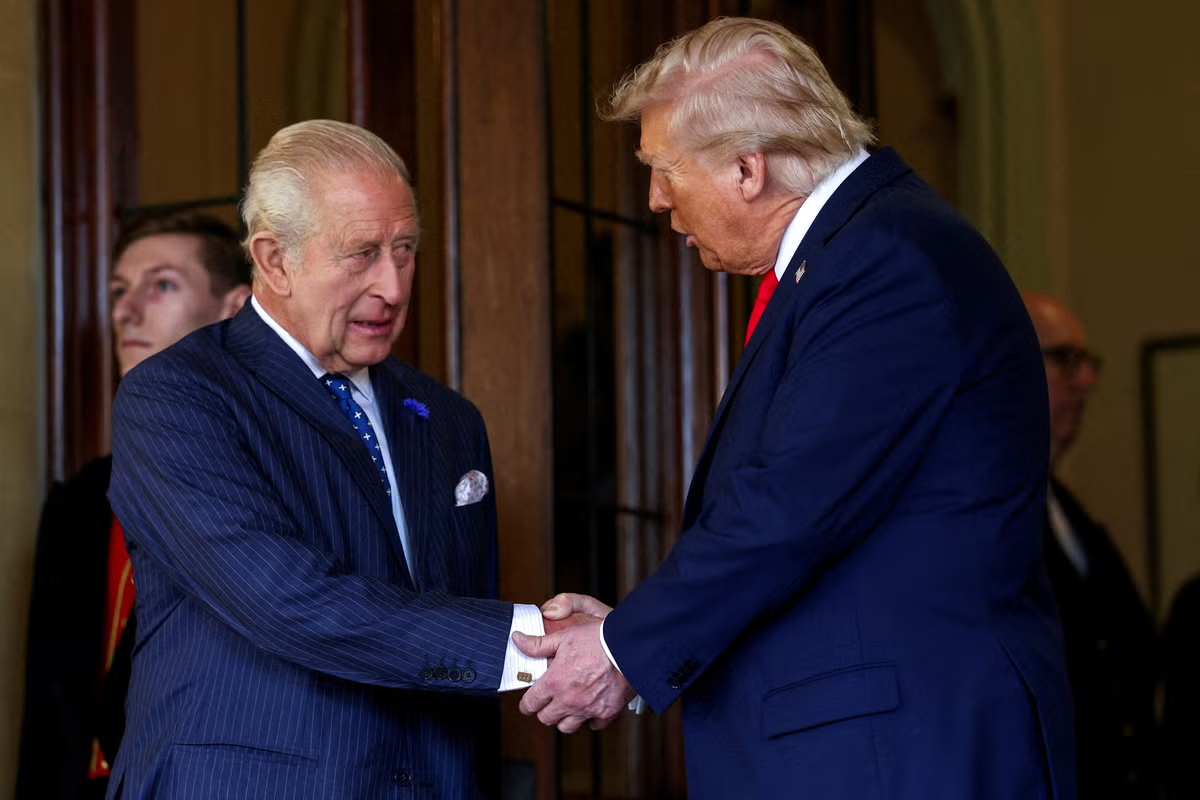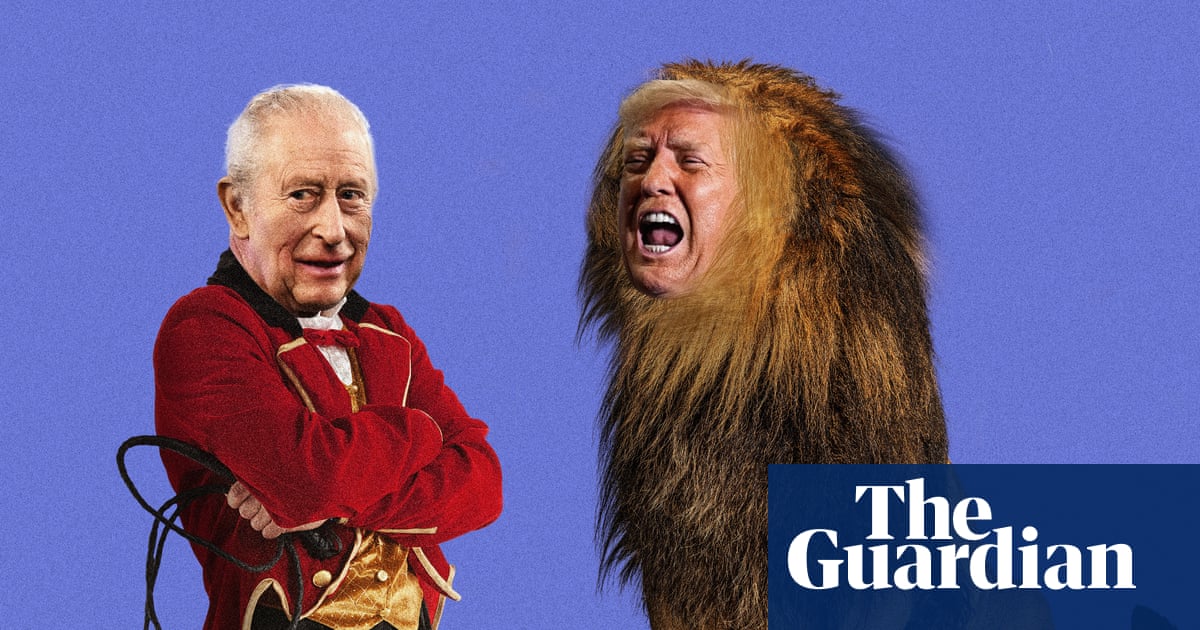
Royal visitors have long been popular in the US, and Charles has decades of diplomacy under his belt. But can soft power save the special relationship?
What’s the worst that could happen when King Charles visits Donald Trump in Washington at the end of this month? And what will be the best outcome from Keir Starmer’s point of view, since it is the prime minister who directed the visit to go ahead in the hope of improving our battered, supposedly special relationship? While the relationship is still apparently meaningful to Britain, to the US it appears to not mean so much – especially now.
The king goes where he is told, whether he would prefer to stay at home or not. This time to a land whose president denounces our aircraft carriers as toys and accuses us of cowardice, and whose defence secretary talks derisively of our Royal Navy. Perhaps Charles ought to wear his naval admiral’s uniform when he goes to the White House, medals and all.
But what Charles really takes to Washington is the monarchy’s greatest diplomatic asset: soft power. It’s an ability to charm, to convince foreign governments that he’s a good bloke and that Britain is worth taking seriously – in trade, culture or just tourism – and that we’re a reliable ally with whom to do business, or hold hands with across the sea. Unfortunately, the Trump administration despises most of that, except possibly our golf courses, some of which the president owns, so Charles faces the most ticklish and potentially most consequential excursion of his reign.