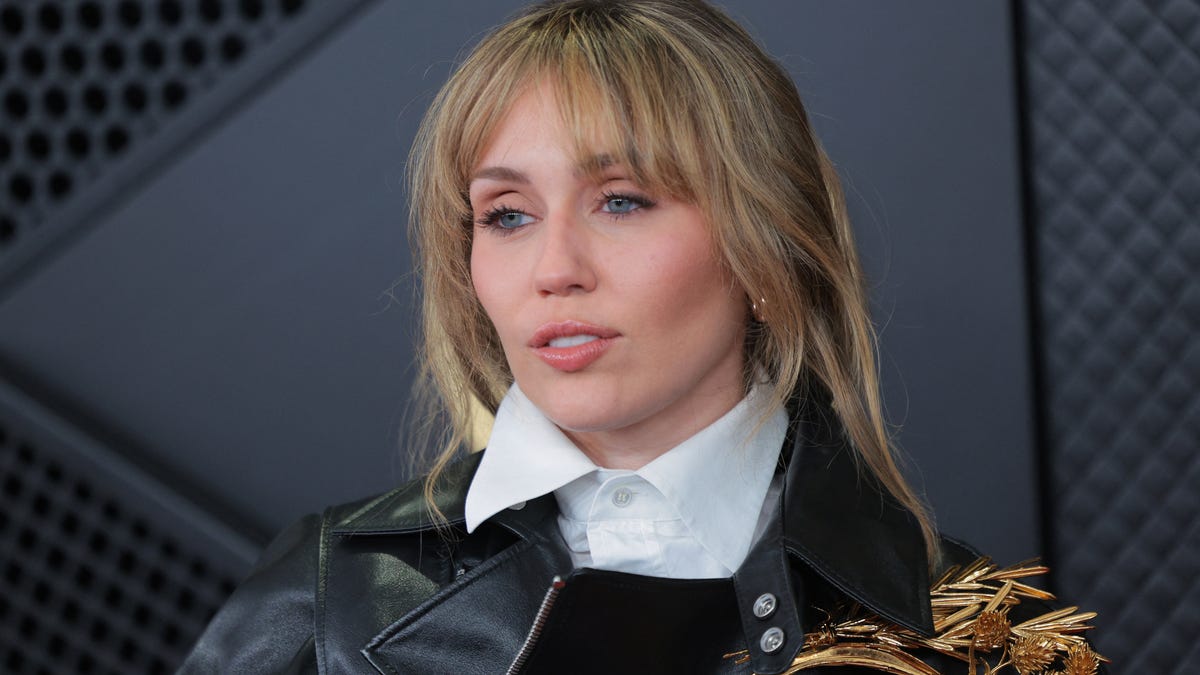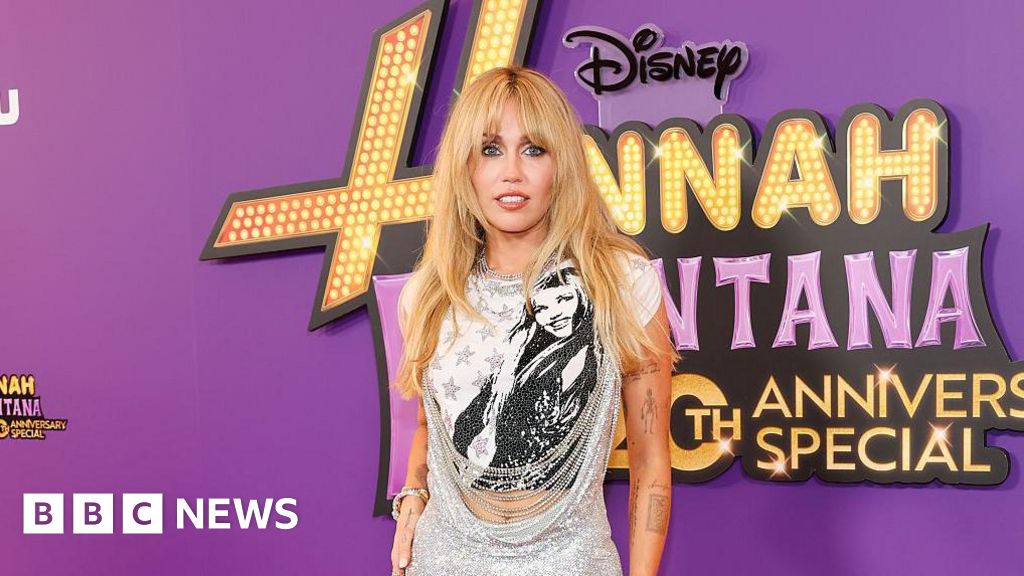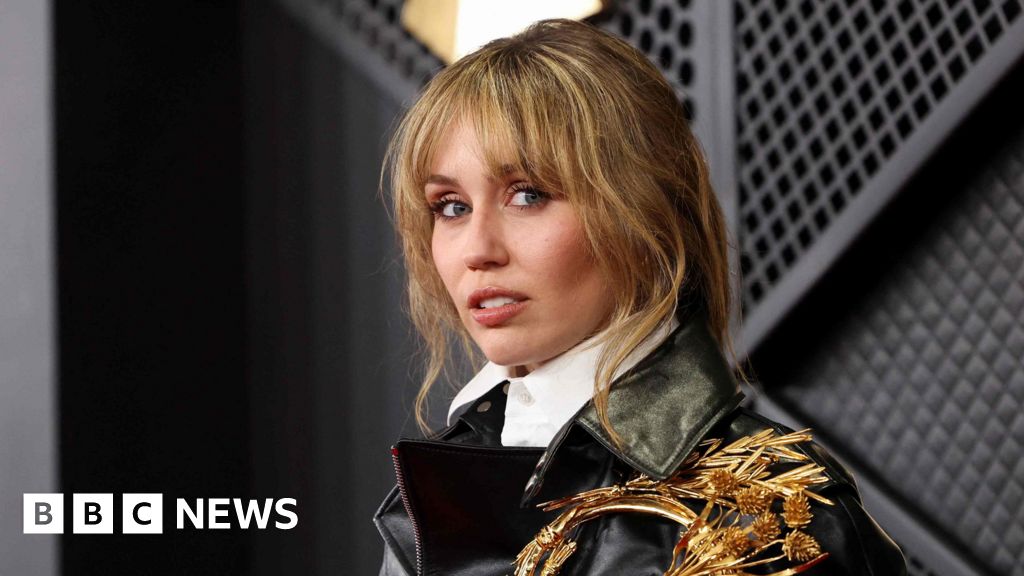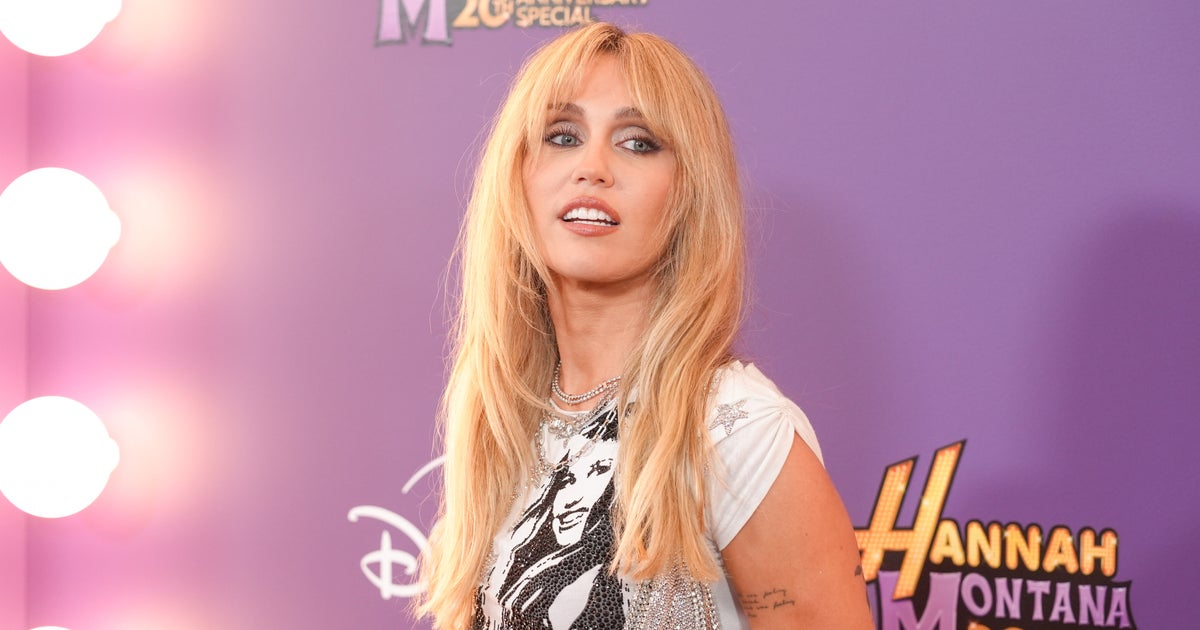
The 20th anniversary of ” Hannah Montana,” which dropped last month, was a canon event for 20- and 30-something women everywhere. The one-hour special was a nostalgic celebration of girlhood mischief during a simpler era where we were told that we could have it all. For brown women specifically, Hannah, played by Miley Cyrus, represented that in unexpected ways.
For Hannah, the “best of both worlds” involved being both a famous pop star and an average high school girl trying to navigate her teens. For me, it meant balancing being the daughter my Pakistani parents expected me to be while exploring the girl and eventual woman I wanted to be, authentically.
In high school, my nimble vacillating between selves earned me the nickname “Hannah Montana.” But rather than a secret pop career, the “out” version of me was a carefree, rebellious, and the experimental version of myself that I intentionally hid from my parents.
The story I tell might come across as a “My immigrant parents never understood me” or “I’m too American for my Pakistani parents and too Pakistani for American friends” piece — but this is more complex than an existential cry for help. It’s more a story about accepting and even embracing a double life. I’ve never felt at odds with myself or with my culture.