Fabric that once defined Northern Ireland’s capital is at heart of its stylish revival, embraced by designers, royalty and heritage farmers alike
O
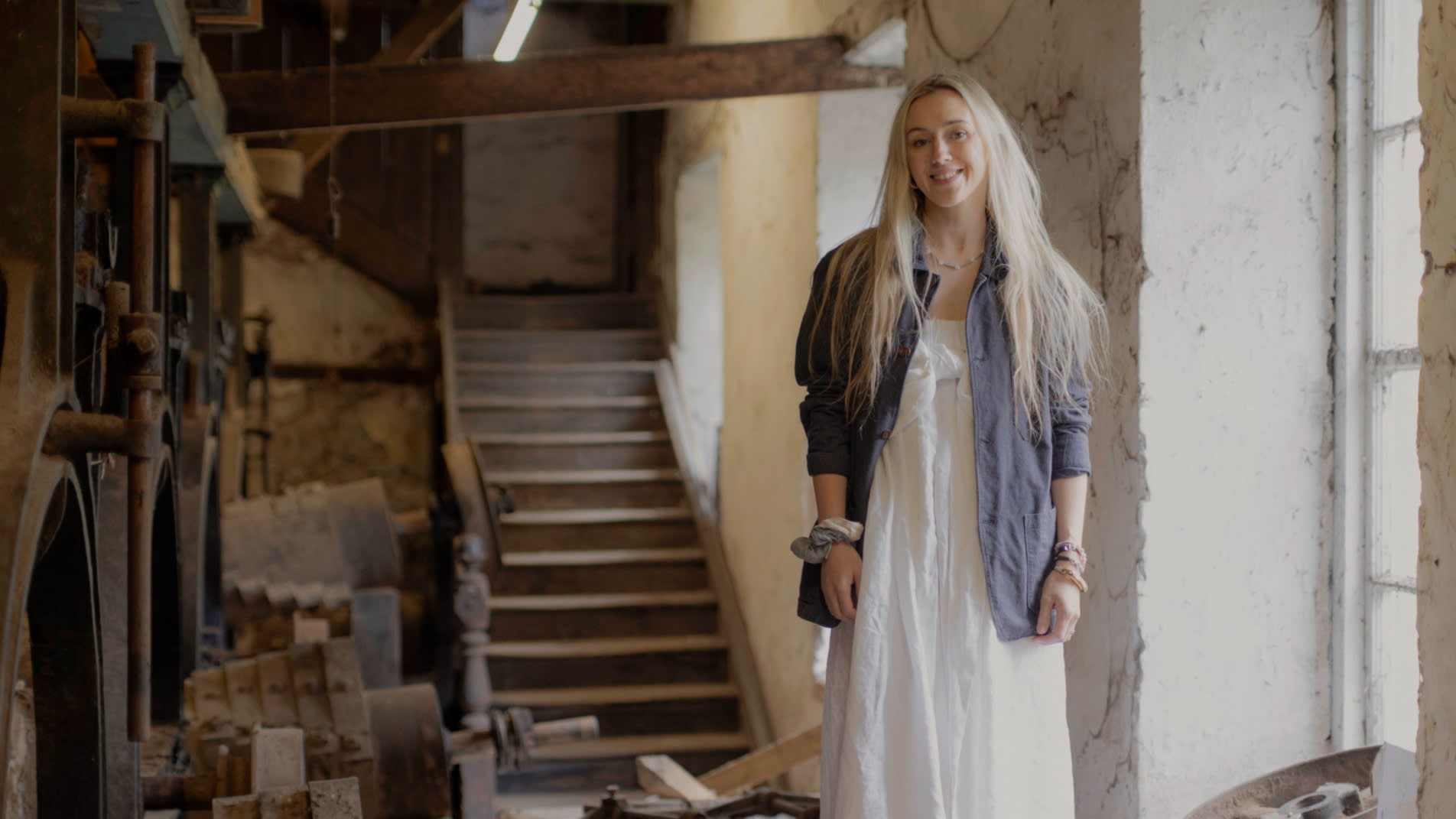
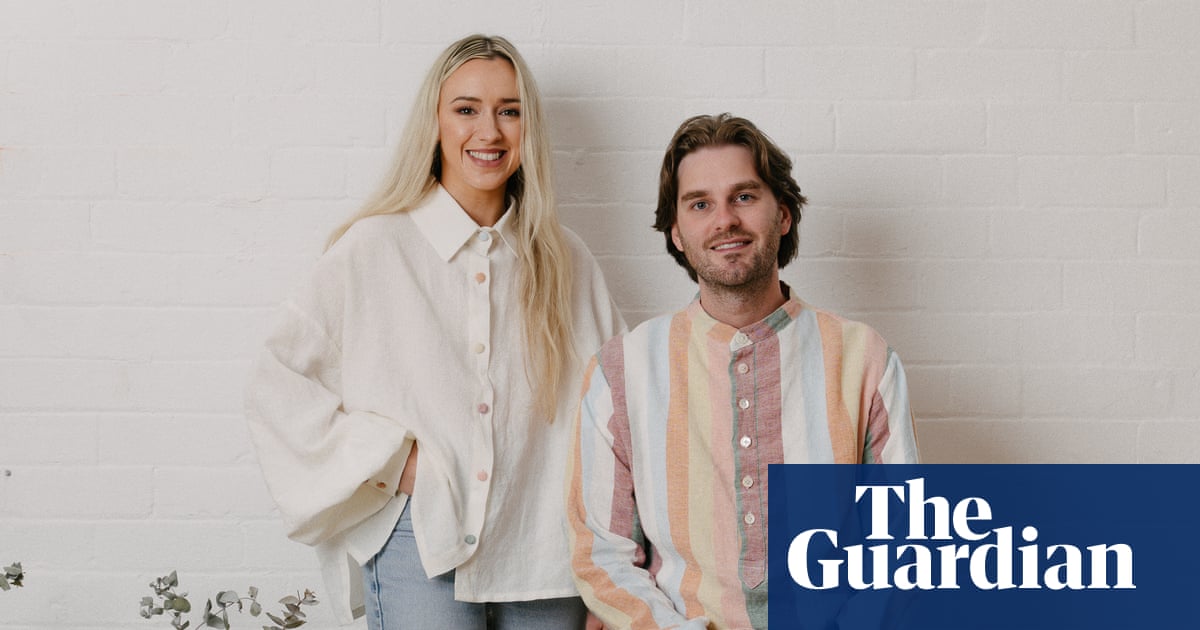
n a cobbled street in Belfast’s Cathedral Quarter, next door to a hipster coffee shop and opposite an ice-cream parlour that has a near-constant queue since going viral on TikTok, the elegant Kindred of Ireland boutique is doing a surprisingly brisk trade in artfully oversized butter yellow linen blouses and exquisite Donegal mulberry tweed jackets finished with a length of rose pink linen tied in a bow at the nape of the neck.
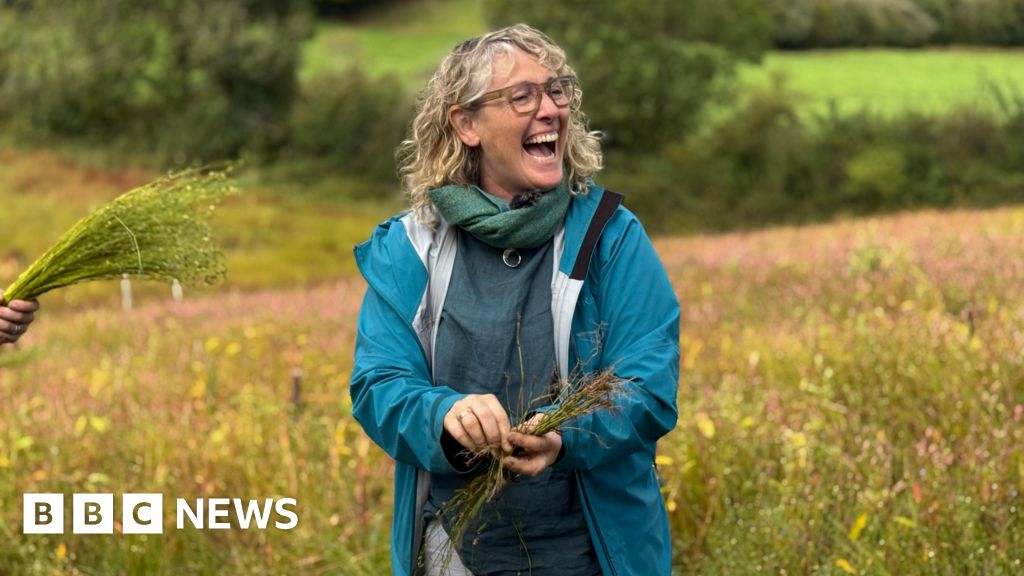
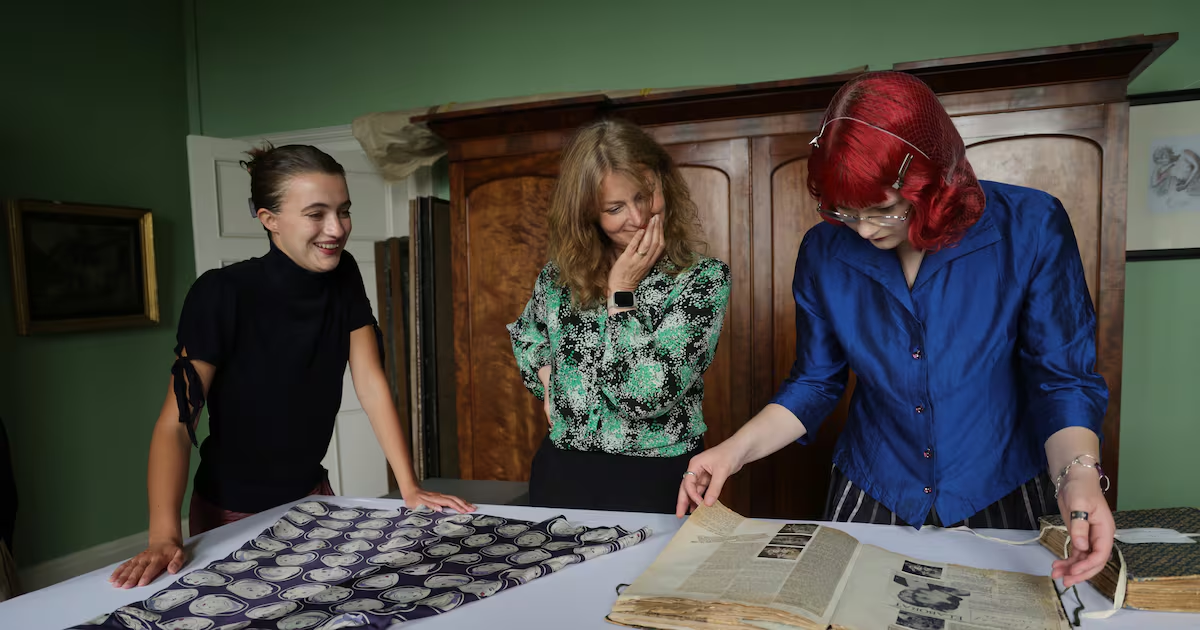
Half a century after the Troubles, Belfast is finding a new identity through an industry that once defined it. Linen – the fibre that built its wealth and earned it the name Linenopolis – is being woven into a story of renewal. Almost a century after the postwar collapse of an industry that, at its peak, employed 40% of the working population of Northern Ireland, linen is returning as a marker of identity.
“Belfast has long been viewed through a very narrow lens, associated with division, trouble and violence,” says Amy Anderson, the 32-year-old designer of Kindred of Ireland, an independent brand that she runs with her husband, Joel. “But the city has changed enormously over the last two decades.”