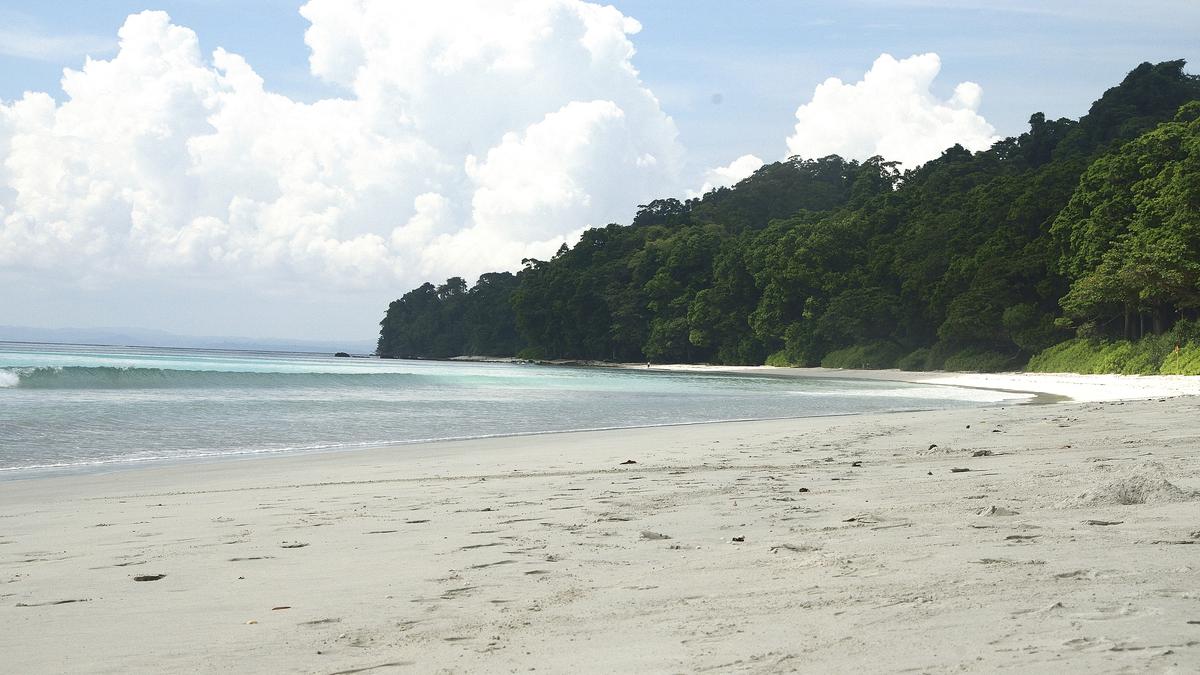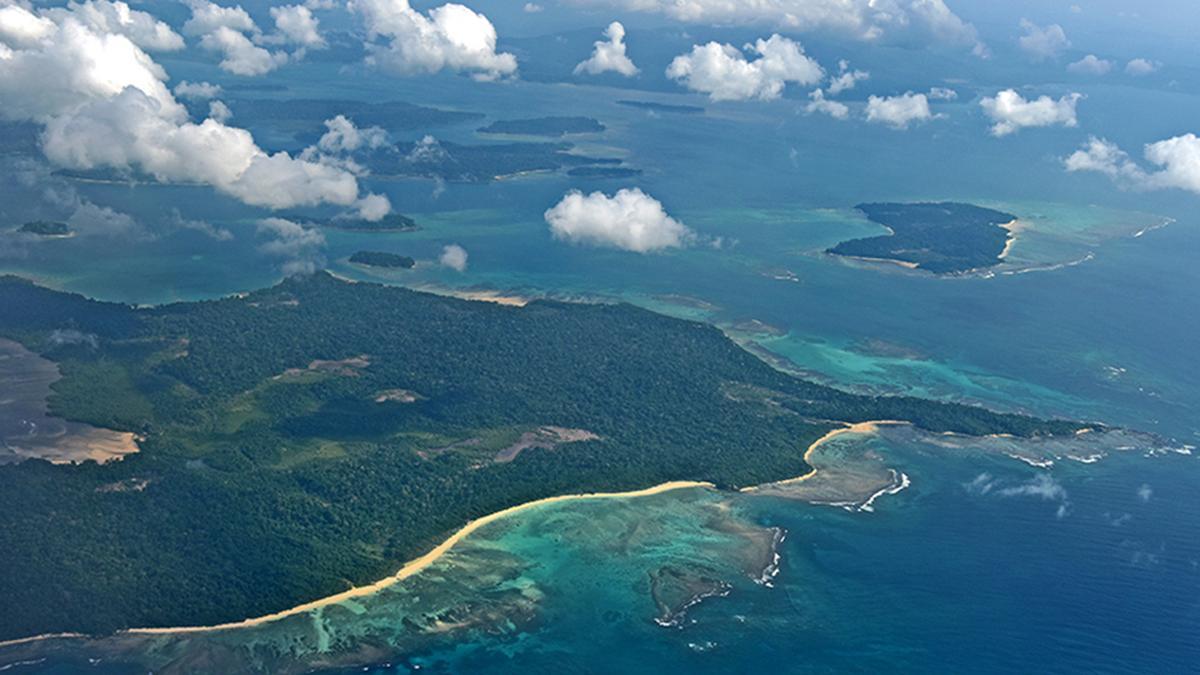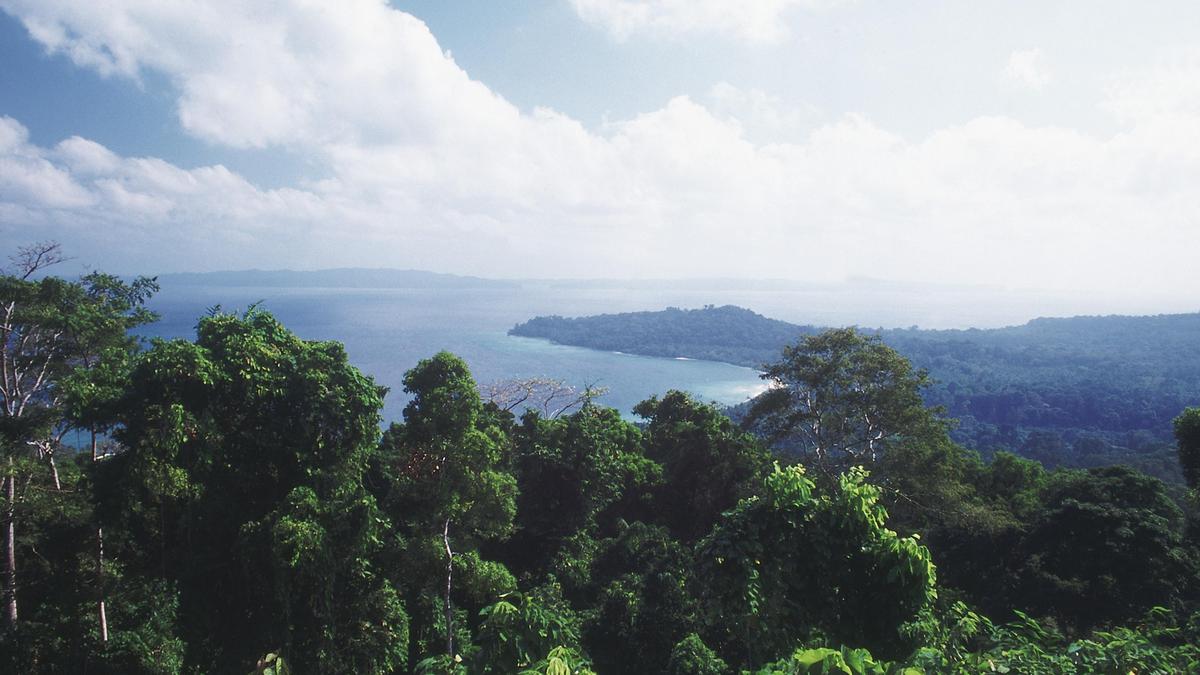
A draft plan outlining the “relocation” of Nicobarese tribal communities affected by the Union government’s Great Nicobar Island (GNI) mega-infrastructure project “to their ancestral lands” has now created confusion and is exacerbating existing apprehensions among local communities on the Island, who have, for four years, been protesting the clearance for the ₹92,000-crore project after withdrawing their consent for it (in 2022), alleging that their forest rights had not been settled.
This draft “Comprehensive Tribal Welfare Plan” was prepared by the Andaman and Nicobar Islands administration and sent to district officials in Nicobar for consultations with all line departments and the Tribal Council of Great Nicobar on March 13.
It outlines a ₹42.52 crore proposal with a 24-month timeline for the “relocation of Nicobarese tribal communities from tsunami-affected or project-impacted areas”, which involves housing, land development, annuity/employment programmes, subsistence grants, transportation support, fishing rights, resettlement allowances, and community infrastructure like roads, connectivity, drinking water supply, sanitation, education, and healthcare.
Also read: Why has NGT cleared the Nicobar project? | Explained