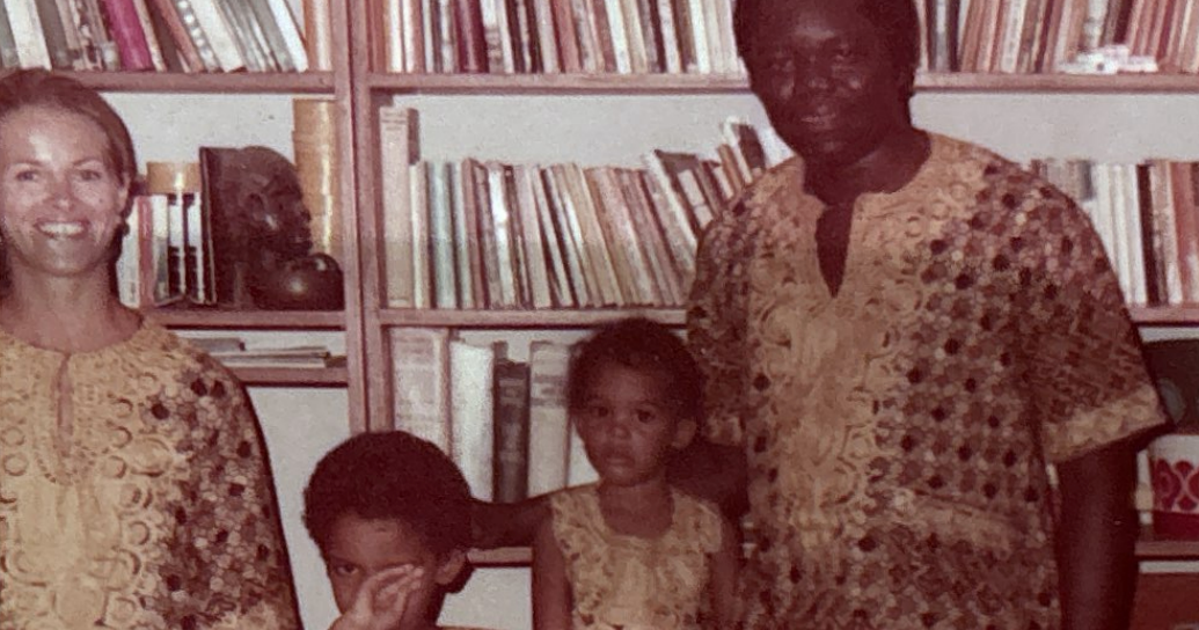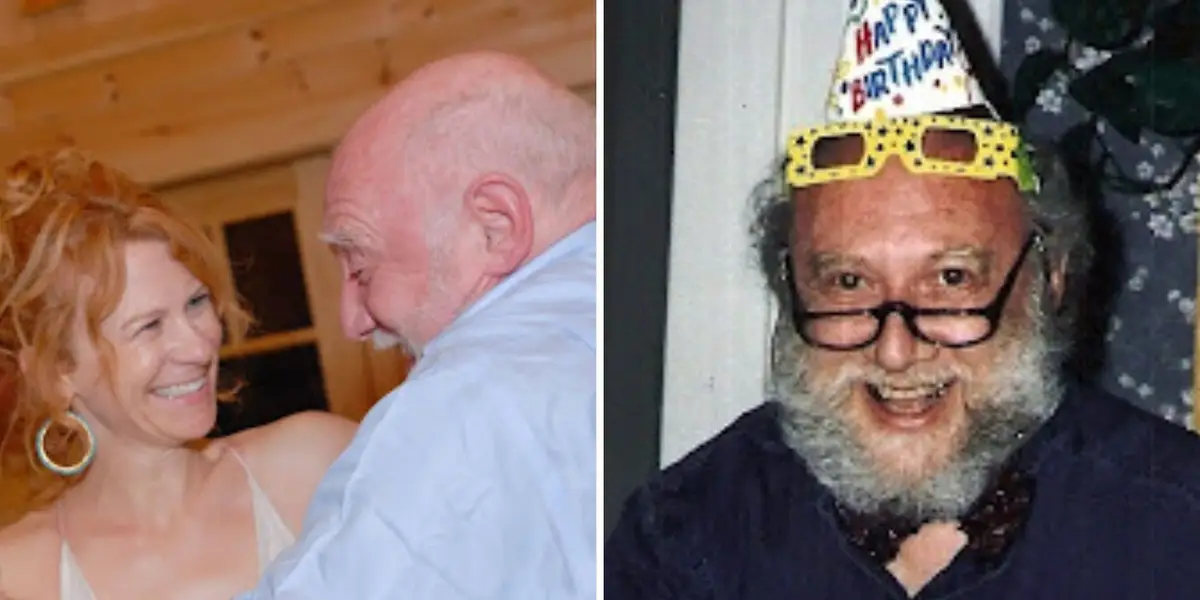
Five years ago, my 88-year-old father fell down the stairs and was seriously injured. The ambulance took four hours to arrive, but he had dodged death before. I willed him to survive. He’d been a complex but inspiring father to me, and I lived with him after my parents separated when I was 11. Peter Zinovieff’s life was one of ecstatic highs, with great success as a pioneer in electronic and computer music, and desperate lows, including wretched decades of alcoholism and multiple divorces. But I always supported him, even during his egregiously unsuitable adventures and love affairs. As he lay in the ICU, hope was drenched in dread. Waiting at home in Athens for worsening updates from my stepmother (my father’s fourth wife), I arranged flights to the UK. I didn’t think about “afterwards” or a funeral. Few of us do, until we’re forced to.
My father died before I could fly and my stepmother told me there was now no point in my travelling to England. She produced his will that decreed nobody but she should attend the cremation and that his ashes would go in her back garden. My father’s six surviving children, from his first two marriages, were not welcome. It was devastating, bewildering news.